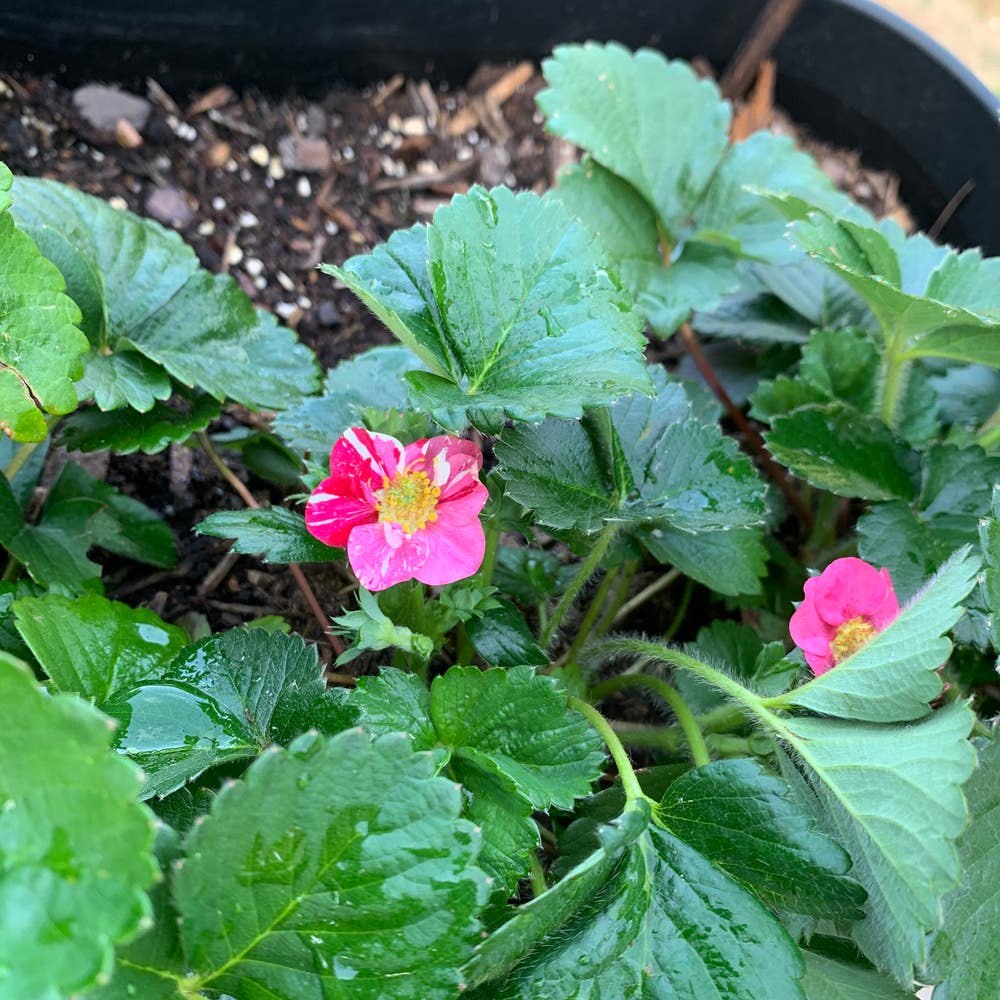
Overview of Potentilla bolanderi
Potentilla bolanderi
By the Greg Editorial Team
Feb 27, 2025•11 min read
This article was created with the help of AI so we can cover more plants for you. May contain errors. See one? Report it here.
Cultivate a vibrant garden with Potentilla bolanderi, a resilient beauty thriving in tough conditions! 🌼🌱
- 🌞 Potentilla bolanderi thrives in full sun to partial shade, perfect for diverse gardens.
- 🌱 Prefers well-drained, poor soil; ideal for rocky or disturbed areas.
- 🐝 Attracts pollinators like bees and butterflies, boosting garden biodiversity.
How to Grow
🌍 Choosing a Location
To successfully grow Potentilla bolanderi, start by selecting the right location. This plant thrives in full sun to partial shade, making it versatile for various garden settings.
The ideal soil type is well-drained and poor, which suits its natural habitat. Look for rocky or disturbed areas, as these conditions mimic its native environment.
🧑🌾 Soil Preparation
Before planting, it's crucial to prepare the soil properly. Conduct a soil test to ensure pH levels are between 6.0 and 7.0 for optimal growth.
If your soil lacks drainage, consider adding sand or gravel. This will help create a well-draining environment that Potentilla bolanderi loves.
🌱 Planting Techniques
When it comes to planting, depth matters. Aim to plant your seeds or seedlings 1-2 inches deep to encourage healthy root development.
Spacing is also key; place plants 12-18 inches apart to allow for clumping growth. This spacing promotes airflow and reduces competition for nutrients.
💧 Watering Requirements
Watering Potentilla bolanderi requires a bit of finesse. Only water when the soil feels dry to the touch, as this plant prefers to be on the drier side.
To avoid waterlogging, ensure proper drainage in your planting area. This will help prevent root rot and keep your plants healthy.
🌼 Fertilizing Schedule
Fertilization for Potentilla bolanderi is minimal. A balanced fertilizer applied once in early spring is sufficient to support its growth.
Over-fertilizing can lead to lush foliage at the expense of blooms, so keep it simple.
✂️ Pruning Methods
Timing your pruning is essential for encouraging blooms. Late winter or early spring is the best time to prune before new growth begins.
Deadheading spent flowers is a simple technique that promotes more blooms throughout the growing season. This keeps your plant looking vibrant and encourages continuous flowering.
🛠️ Ongoing Care
If you're growing Potentilla bolanderi in containers, ensure they have drainage holes. This is vital for preventing water accumulation.
Regular maintenance is also important. Keep an eye out for pests and diseases, addressing any issues promptly to maintain plant health.
With these guidelines, you'll be well on your way to cultivating a thriving Potentilla bolanderi in your garden. Next, let’s explore how to propagate this resilient plant for even more growth opportunities.
Propagation
🌱 Seed Propagation Steps
To propagate Potentilla bolanderi from seeds, start by collecting seeds from mature plants in late summer. Next, stratify the seeds by placing them in a moist medium in the refrigerator for 4-6 weeks to mimic natural winter conditions.
Once stratification is complete, sow the seeds in well-draining soil in early spring. This method ensures a higher germination rate and healthy seedlings.
✂️ Division of Established Plants
Dividing established plants is another effective propagation method. First, identify mature plants that are around 3-4 years old, as they will have a robust root system.
Carefully dig up the plant and separate the root clumps, ensuring each division has sufficient roots. Replant these divisions immediately in prepared soil to help them establish quickly.
🌿 Cuttings Method
Taking cuttings is a quick way to propagate Potentilla bolanderi. Start by taking 4-6 inch cuttings from healthy stems in early summer.
Remove the lower leaves and dip the cut end in rooting hormone to encourage root growth. Finally, plant the cuttings in a moist, well-draining medium and cover them with plastic to maintain humidity, creating a mini greenhouse effect.
This method can yield new plants in no time, allowing you to expand your garden effortlessly.
With these propagation techniques, you can enjoy a thriving collection of Potentilla bolanderi in your garden. Next, let’s explore the lifecycle of this resilient plant.
Lifecycle
🌱 Lifecycle Stages
Potentilla bolanderi undergoes several distinct stages throughout its lifecycle.
- Germination: This initial phase takes about 7-14 days under optimal conditions.
- Seedling Stage: Following germination, seedlings develop true leaves within 2-4 weeks.
- Vegetative Growth: The plant enters a growth phase lasting 4-6 weeks before it begins to flower.
- Flowering: Expect vibrant blooms in late spring to early summer.
- Seed Production: By late summer, seeds mature, ready for collection.
⏳ Duration Until Maturity
Full maturity for Potentilla bolanderi typically occurs within 1-2 years.
This timeframe allows the plant to establish a robust root system and develop its characteristic growth.
📈 Growth Rate Specifics
The growth rate of Potentilla bolanderi is moderate, generally achieving heights of 12-24 inches per year.
This steady growth makes it an appealing choice for gardeners seeking a resilient and adaptable plant.
With proper care, you can enjoy its beauty and benefits in your garden for years to come.
Size
Mature Height and Spread 🌱
Potentilla bolanderi typically reaches a mature height of 12 to 18 inches. Its spread can extend from 18 to 24 inches, making it a lovely addition to any garden.
Growth Rate and Size Variability 📏
This plant exhibits a moderate growth rate, generally growing between 12 to 24 inches per year. However, its size can vary significantly based on factors like soil quality and sunlight exposure.
Impact of Growing Conditions on Size 🌤️
Growing conditions play a crucial role in the size of Potentilla bolanderi. Poor soil can stunt its growth, while ample sunlight encourages larger, more robust plants.
Understanding these size dynamics can help you create the ideal environment for your Potentilla bolanderi, ensuring it thrives beautifully in your garden. Next, let’s explore the fascinating root system of this resilient plant.
Roots
Characteristics of the Root System 🌱
Potentilla bolanderi features a fibrous root system that is both shallow and extensive. Typically, the roots grow 6-12 inches deep, spreading laterally to support the plant's stability.
Common Root-Related Issues ⚠️
One of the most common problems is root rot, which occurs due to overwatering. Symptoms include wilting and yellowing leaves, signaling that the roots are struggling.
To differentiate between healthy and unhealthy roots, look for firmness and a white color in healthy roots. In contrast, unhealthy roots will appear brown and mushy, indicating a need for immediate attention.
Recognizing and Addressing Rootbound Conditions 🔗
If you notice roots growing out of the drainage holes, your plant may be rootbound. This condition can stunt growth and lead to other issues.
To remedy this, consider repotting the plant into a larger container or dividing it to promote healthier growth. Addressing rootbound conditions promptly can rejuvenate your Potentilla bolanderi and ensure its continued vitality.
With proper care, your plant will thrive, showcasing its resilience and beauty.
Benefits
List of 5 Benefits 🌼
Potentilla bolanderi offers a range of advantages for gardeners and nature lovers alike.
Attracts Pollinators: This plant is a magnet for bees and butterflies, enhancing garden biodiversity and supporting local ecosystems.
Drought-Tolerant: Once established, it requires minimal water, making it an excellent choice for low-maintenance gardens.
Thrives in Poor Soil: Potentilla bolanderi flourishes in less-than-ideal soil conditions, helping to improve overall soil health.
Vibrant Yellow Flowers: Its bright yellow blooms add a splash of color to any landscape, making it visually appealing.
Low Maintenance: Ideal for beginner gardeners, this plant demands little attention while still delivering beauty and ecological benefits.
Cultural Significance 🌍
Beyond its practical benefits, Potentilla bolanderi holds cultural significance. It symbolizes resilience and adaptability, thriving in harsh environments. This quality often represents strength in adversity, making it a meaningful addition to any garden.
Incorporating this plant not only beautifies your space but also connects you to a deeper narrative of endurance and survival in nature.
Companion Plants
🌱 Explanation of Companion Planting
Companion planting is a gardening technique that enhances biodiversity and improves pest management. By strategically placing plants together, you can create a more resilient ecosystem in your garden.
🌼 List of Beneficial Companion Plants
- Lavender: This fragrant herb not only repels pests but also attracts pollinators, making it a perfect partner for Potentilla bolanderi.
- Yarrow: Known for its ability to improve soil health, yarrow also draws beneficial insects that help control pests.
- Sage: This aromatic herb deters harmful pests while complementing the growth of nearby plants.
🚫 Plants to Avoid
When planning your garden, steer clear of heavy feeders like corn. These plants compete for nutrients and water, which can hinder the growth of Potentilla bolanderi and its companions.
By choosing the right companion plants, you can create a thriving garden that supports both your Potentilla bolanderi and the surrounding ecosystem. This thoughtful approach not only enhances your garden's health but also adds beauty and diversity to your landscape.
Toxicity to Humans
Potentilla bolanderi is not listed as toxic by major poison control centers or health organizations. This means it's generally safe for handling and even ingestion in small amounts.
However, it's wise to exercise caution. While most people can enjoy this plant without issue, consuming large quantities may lead to mild skin irritation or minor digestive discomfort.
If you experience any unusual symptoms after contact or consumption, seeking medical advice is always a good idea. Remember, even safe plants can cause reactions in sensitive individuals, so it's better to be safe than sorry!
Toxicity to Dogs
Potentilla bolanderi is not considered toxic to dogs according to major pet poison control centers. This means you can enjoy this beautiful plant in your garden without worrying about your furry friends getting sick.
However, if a dog ingests large quantities, it may experience mild gastrointestinal upset. Symptoms could include vomiting or diarrhea, but these are generally not severe.
To keep your pets safe, it's wise to place the plant out of their reach. Regularly monitor their behavior around the plant to ensure they aren't nibbling on it.
In summary, while Potentilla bolanderi is safe for dogs, a little caution goes a long way. Enjoy your gardening while keeping an eye on your four-legged companions!
Toxicity to Cats
Potentilla bolanderi is not listed as toxic to cats by major pet poison control centers. This means you can enjoy the beauty of this plant without worrying about your feline friends.
However, if large quantities are ingested, mild gastrointestinal upset may occur. It's always best to keep an eye on your cat's behavior around plants.
🐱 Proper Placement
To ensure safety, keep Potentilla bolanderi elevated or out of reach. Monitoring your cat's interactions with the plant can help prevent any unwanted nibbling.
In summary, while this plant is generally safe for cats, a little caution goes a long way. Enjoy your gardening while keeping your furry companions safe!
Problems
Common Problems 🌱
Growing Potentilla bolanderi can be rewarding, but it comes with its share of challenges. Understanding these common problems will help you keep your plants thriving.
Incorrect Watering 🚰
Watering is crucial for healthy growth. Overwatered plants often show signs of wilting, while underwatered ones develop dry, crispy leaves.
Incorrect Light Conditions 💡
Light conditions play a significant role in plant health. If your Potentilla isn't getting enough light, it may grow leggy and weak, struggling to reach for the sun.
Diseases 🦠
Diseases can also pose a threat. Powdery mildew and rust are common issues that affect foliage; treating them promptly with fungicides can prevent further damage.
Root Problems 🌿
Root health is vital for overall plant vigor. Overwatering can lead to root rot, so ensure your plants have proper drainage to avoid this issue.
By keeping an eye on these potential problems, you can enjoy a flourishing Potentilla bolanderi garden. Next, let’s explore the pests that might invade your plants and how to manage them effectively.
Bugs
Potential Pest Issues 🐜
When growing Potentilla bolanderi, be vigilant about potential pest issues that can affect your plants.
Spider Mites
These tiny pests can create fine webbing on leaves, which is often a telltale sign of their presence. To combat spider mites, treat your plants with insecticidal soap, ensuring thorough coverage for effective results.
Scale Insects
Scale insects leave a sticky residue on leaves, which can be quite annoying. You can manage these pests by removing them manually or applying horticultural oil to suffocate them.
Mealybugs
Look out for mealybugs, which appear as cotton-like masses on stems. A simple treatment involves using neem oil, which is effective in controlling these pests while being gentle on your plants.
Keeping Your Plants Healthy 🌱
Regularly inspect your Potentilla bolanderi for any signs of these pests. Early detection is key to preventing infestations that can harm your plants.
By staying proactive and using the right treatments, you can maintain the health and vibrancy of your garden. Next, let’s explore the common problems that may arise while caring for this resilient plant.
What Eats
Common Animals 🦌
Potentilla bolanderi can attract a variety of hungry critters.
- Deer: Look for signs like chewed leaves and stems.
- Rabbits: They leave behind clipped stems and missing foliage.
- Squirrels: Watch for digging around the base of the plant.
Signs of Animal Presence 🐾
Identifying animal activity is crucial for protecting your plants.
Common indicators include:
- Chewed leaves
- Flattened plants
- Droppings nearby
Deterrent Methods 🚫
Keeping these pests at bay can be a challenge, but there are effective strategies.
- Chemical repellents: Consider using commercial deer and rabbit repellents to deter these animals.
- Organic control methods: Planting strong-smelling herbs nearby can naturally discourage them from munching on your Potentilla.
By being proactive, you can enjoy the beauty of Potentilla bolanderi without the worry of unwanted visitors. Next, let’s explore the common problems that can affect this resilient plant.
⚠️ Safety First
This content is for general information and may contain errors, omissions, or outdated details. It is not medical, veterinary advice, or an endorsement of therapeutic claims.
Always consult a qualified healthcare professional before using any plant as food, medicine, or supplement.
Never eat any plant (or feed one to pets) without confirming its identity with at least two trusted sources.
If you suspect poisoning, call Poison Control (800) 222-1222, the Pet Poison Helpline (800) 213-6680, or your local emergency service immediately.
Spotted an error? Please report it here.
Grow vibrant Potentilla bolanderi 🌼 effortlessly with Greg's custom watering reminders and soil testing tips to help your garden thrive!