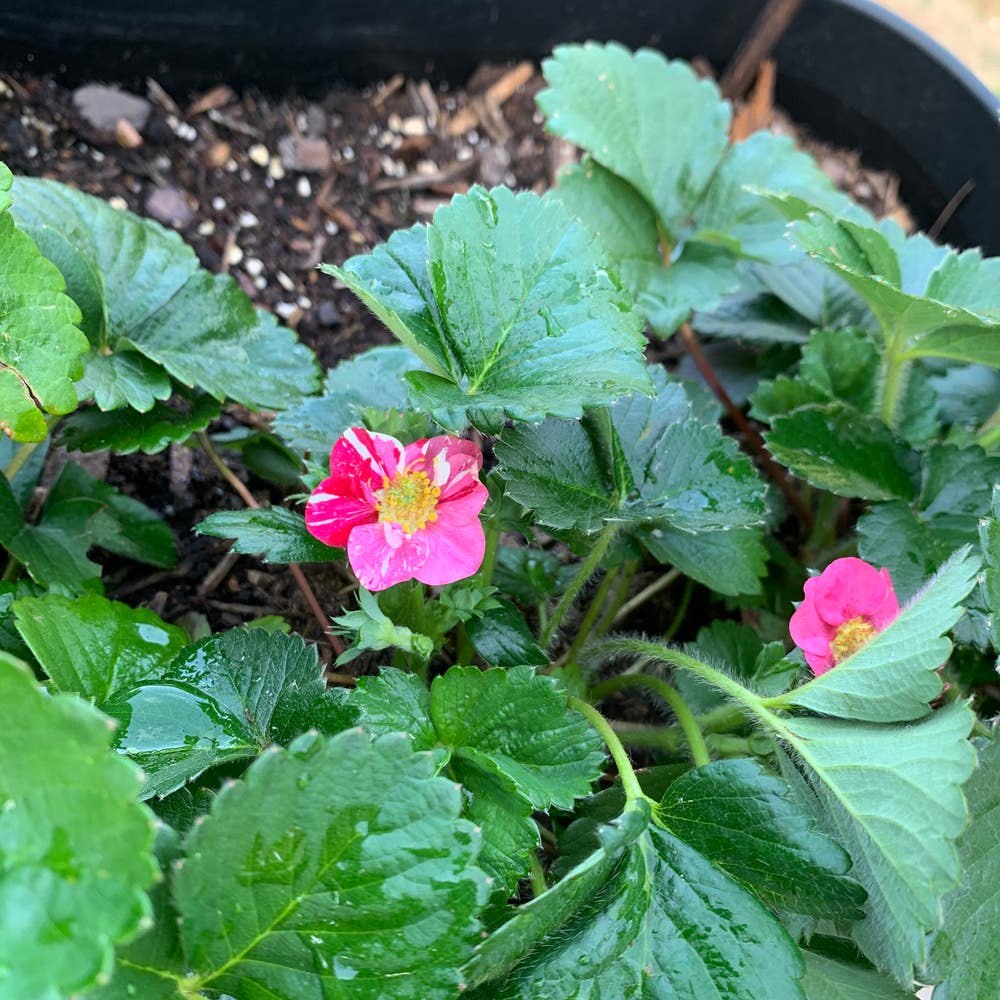
🌼 Understanding Potentilla beringii: The Basics
Potentilla beringii
By the Greg Editorial Team
Feb 27, 2025•11 min read
This article was created with the help of AI so we can cover more plants for you. May contain errors. See one? Report it here.
Cultivate a vibrant garden with Potentilla beringii, a low-maintenance beauty that attracts pollinators and thrives effortlessly! 🌱
- 🌞 Potentilla beringii thrives in full sun and well-drained, fertile soil for best growth.
- 🌱 Maintain soil pH between 6.0 and 7.0 for optimal health and development.
- 🐝 Attracts pollinators and is low maintenance, making it ideal for diverse gardens.
How to Grow
🌞 Choosing a Location
Potentilla beringii thrives best in full sun to partial shade. For optimal growth, select a spot with well-drained, fertile soil that allows the roots to breathe.
🧪 Soil Preparation
Before planting, test your soil to ensure a pH level between 6.0 and 7.0. If necessary, amend the soil by adding compost or well-rotted manure to boost fertility.
🌱 Planting Techniques
When planting, dig holes that are 1-2 inches deep. Space the plants 12-18 inches apart to give them room to grow and flourish.
💧 Watering Requirements
In the initial weeks after planting, keep the soil consistently moist. Once established, water your Potentilla beringii during prolonged dry spells to maintain its health.
🌼 Fertilizing Guidelines
Fertilize your plants once in early spring with a balanced fertilizer. Opt for slow-release or organic options to provide steady nutrients throughout the growing season.
✂️ Pruning Methods
Timing is key for pruning; do it in late winter or early spring before new growth appears. Deadheading spent flowers encourages more blooms, keeping your garden vibrant.
🌿 Ongoing Care
For container-grown plants, ensure adequate drainage and regularly monitor moisture levels. In outdoor settings, apply mulch to retain moisture and suppress weeds, promoting a healthy environment for your Potentilla beringii.
With these guidelines, you’re well on your way to cultivating a thriving Potentilla beringii garden. Next, let’s explore how to propagate this resilient plant for even more beauty in your landscape.
Propagation
🌱 Seed Propagation
To propagate Potentilla beringii from seeds, start by harvesting seeds from mature flowers. Once collected, sow them at a depth of 1/4 inch in well-prepared soil.
Germination typically takes 2-4 weeks under optimal conditions. Ensure the environment is warm and moist for the best results.
✂️ Cutting Propagation
Another effective method is through cuttings. Select healthy stems that are 4-6 inches long, making sure to choose vigorous growth.
For rooting, use a mix of peat and perlite to provide the right balance of moisture and drainage. Expect rooting to take about 3-4 weeks in a warm environment, where the cuttings can thrive.
With these propagation techniques, you can easily expand your Potentilla beringii collection. Whether through seeds or cuttings, both methods offer a rewarding way to enjoy this resilient plant.
Next, let’s explore the lifecycle of Potentilla beringii and understand its growth stages.
Lifecycle
Lifecycle Stages 🌱
Potentilla beringii is a perennial plant, meaning it can live for multiple years. This longevity allows it to establish itself in a garden and provide beauty season after season.
Germination Process 🌡️
For successful germination, maintain an optimal temperature between 65-70°F (18-21°C). This warmth encourages the seeds to sprout effectively.
Seedling Stage 🌿
Once germinated, the seedling stage lasts about 4-6 weeks. During this time, the young plants develop their first true leaves, marking their growth progression.
Vegetative Growth 🌳
The vegetative growth phase occurs from late spring to early summer. This is when the plant focuses on growing leaves and stems, preparing for the upcoming flowering period.
Flowering and Seed Production 🌼
Potentilla beringii typically flowers in late spring to early summer. After the blooms fade, seeds mature by late summer, ready for collection or natural dispersal.
Growth Timeline ⏳
Expect Potentilla beringii to reach full size in approximately 2 years. Its growth rate is moderate, with noticeable seasonal growth spurts that can surprise even seasoned gardeners.
This lifecycle overview highlights the resilience and beauty of Potentilla beringii, making it a rewarding addition to any garden. Next, we’ll explore the plant's size and growth characteristics, providing further insights into its cultivation.
Size
Mature Height and Spread 🌱
Potentilla beringii typically reaches an average height of 12 to 24 inches. Its spread ranges from 18 to 24 inches, making it a compact yet impactful addition to your garden.
Growth Rate and Size Variability 📈
This plant exhibits a moderate growth rate, which can be influenced by various environmental factors. Size variability is common, often depending on soil quality and the amount of sunlight the plant receives.
Understanding these characteristics helps you plan your garden layout effectively. With the right conditions, Potentilla beringii can thrive and enhance your landscape beautifully.
As we explore the next section, let's dive into the fascinating root system of this resilient plant.
Roots
Root System Characteristics 🌱
Potentilla beringii features a fibrous root system that provides stability and support. This type of root structure is essential for the plant's overall health and resilience.
Root Depth and Spread 📏
Typically, the roots extend 12-18 inches deep into the soil. They also spread laterally, which helps anchor the plant and absorb nutrients effectively.
Common Root-Related Issues ⚠️
One of the most common problems is root rot, often caused by overwatering or poor drainage. Signs of unhealthy roots include dark, mushy areas that indicate decay.
Identifying Healthy vs. Unhealthy Roots 🔍
Healthy roots are firm and usually white or light tan in color. If you notice roots that are discolored or soft, it's a clear sign that something is wrong.
Recognizing Rootbound Plants 🪴
Rootbound plants exhibit specific signs, such as roots growing out of drainage holes or circling the pot. To remedy this, consider repotting into a larger container or dividing the plant to promote healthier growth.
Understanding the root system of Potentilla beringii is crucial for its care and maintenance. With proper attention to root health, you can ensure your plant thrives beautifully.
Benefits
Top 5 Benefits 🌟
Attracts Pollinators
Potentilla beringii is a magnet for pollinators like bees and butterflies. By planting it, you support local biodiversity and contribute to a healthier ecosystem.Low Maintenance
Once established, this plant requires minimal care. Its resilience makes it perfect for gardeners who prefer a hands-off approach.Erosion Control
This hardy plant stabilizes soil, especially in rocky or sloped areas. Its root system helps prevent erosion, making it a practical choice for challenging landscapes.Aesthetic Appeal
The bright yellow flowers of Potentilla beringii add a splash of color to any garden. Their cheerful blooms enhance the overall beauty of your outdoor space.Adaptability
Potentilla beringii thrives in various conditions, including drought and poor soil. This adaptability makes it a versatile option for diverse gardening environments.
These benefits make Potentilla beringii not just a plant, but a valuable addition to your garden. Whether you're looking to attract wildlife or simply beautify your space, this perennial has something to offer.
Next, let’s explore the concept of companion planting and discover which plants work best alongside Potentilla beringii.
Companion Plants
🌱 Concept of Companion Planting
Companion planting is a gardening strategy that enhances biodiversity and pest management. By selecting the right plants to grow together, you can create a thriving ecosystem that benefits all your garden inhabitants.
🌼 Best Companion Plants
When considering companions for Potentilla beringii, look for drought-tolerant plants like lavender and Salvia. These plants share similar care requirements and can help repel pests, making them ideal partners in your garden.
🚫 Plants to Avoid
It's wise to steer clear of heavy feeders such as tomatoes when planting Potentilla beringii. These plants can compete for nutrients, potentially stunting the growth of your Potentilla.
By choosing the right companions, you can create a vibrant and resilient garden that flourishes together. Next, let’s explore the toxicity of Potentilla beringii for humans, dogs, and cats to ensure a safe gardening experience.
Toxicity to Humans
🛡️ Safety of Potentilla beringii for Humans
Potentilla beringii is generally considered safe and is not listed as toxic by major poison control centers. However, consuming it in large quantities may lead to mild skin irritation or digestive discomfort.
If you experience any unusual symptoms after contact or ingestion, it's wise to seek medical advice. Always prioritize safety and stay informed about the plants in your environment.
Toxicity to Dogs
🐶 Safety of Potentilla beringii for Dogs
Potentilla beringii is generally safe for dogs, as it is not listed as toxic by major pet poison control centers. However, if your furry friend munches on large quantities, they might experience mild gastrointestinal upset.
To keep your dog safe, it's wise to keep the plant out of reach and monitor their behavior around it. If you notice any unusual symptoms after contact or ingestion, consult your veterinarian for advice.
This plant can be a lovely addition to your garden without posing significant risks to your canine companions. With a little caution, you can enjoy the beauty of Potentilla beringii while ensuring your dog's well-being.
As we move forward, let’s explore how Potentilla beringii interacts with our feline friends.
Toxicity to Cats
🐱 Safety of Potentilla beringii for Cats
Potentilla beringii is not considered toxic by major pet poison control centers. This means you can breathe a sigh of relief if your feline friend decides to take a nibble.
However, consuming large quantities may lead to mild gastrointestinal upset. It's always wise to keep an eye on your cat's behavior around the plant.
🛡️ Tips for Cat Owners
To ensure your cat stays safe, monitor their interactions with Potentilla beringii. Keeping the plant in a location that's out of reach can help prevent any unwanted snacking.
By taking these simple precautions, you can enjoy the beauty of this plant while keeping your furry companion safe.
Problems
Common Problems 🌱
1. Incorrect Watering
Watering is crucial for the health of Potentilla beringii. Symptoms of incorrect watering include wilting or yellowing leaves, signaling that adjustments are needed.
To remedy this, monitor the soil moisture regularly and adjust your watering frequency accordingly. Keeping a consistent schedule can help prevent these issues.
2. Incorrect Light Conditions
Light conditions play a significant role in plant growth. If you notice leggy growth or scorched leaves, your plant may not be receiving the right amount of light.
Consider relocating your Potentilla to a spot with appropriate light exposure. This simple change can make a world of difference.
3. Diseases
Diseases such as powdery mildew and rust can affect your plant's vitality. These common issues often arise from poor air circulation or high humidity.
To combat these diseases, improve air circulation around your plants and apply fungicides if necessary. Regular checks can help catch these problems early.
4. Root Problems
Root health is vital for overall plant stability. Signs of root problems, like mushy roots, indicate root rot, often caused by overwatering.
Ensure proper drainage in your pots and adjust your watering habits to prevent this issue. Healthy roots are essential for a thriving plant.
5. Leaf Issues
Leaf problems can manifest as yellowing or fuzzy growth. These symptoms often point to underlying issues with watering or light conditions.
Assess your plant's environment and make necessary adjustments. A little attention can lead to healthier, more vibrant leaves.
Conclusion 🌼
By being aware of these common problems and their solutions, you can ensure your Potentilla beringii thrives. With proper care, your plant will reward you with beautiful blooms and robust growth.
Bugs
Potential Pest Issues 🐜
While Potentilla beringii is generally pest-resistant, it can occasionally attract certain nuisances. Being aware of these pests can help you maintain the health of your plants.
Identification and Damage 🔍
- Spider Mites: Look for fine webbing and stippled leaves, which indicate their presence.
- Aphids: These tiny pests leave behind a sticky residue and can cause leaves to curl.
- Mealybugs: Identified by cotton-like masses on stems and leaves, they can weaken your plant over time.
Effective Treatment Options 🧪
To combat these pests, consider using neem oil or insecticidal soap. Regular monitoring and early intervention are key to preventing infestations and keeping your Potentilla thriving.
With a little vigilance, you can enjoy the beauty of Potentilla beringii without the worry of pest damage. Next, let’s explore what animals might be tempted to nibble on your plants.
What Eats Potentilla beringii
🦌 Common Animals That May Damage
Potentilla beringii can attract a variety of hungry critters.
- Deer are notorious for browsing on leaves and stems, leaving behind telltale signs of their feasting.
- Rabbits often nibble on young shoots, which can stunt the plant's growth.
- Squirrels and rodents may also cause trouble by chewing on roots or stems, leading to further damage.
⚠️ Damage Caused by Animals
The impact of these animals can be significant.
Leaves may be stripped away, resulting in a bare plant that struggles to thrive.
Additionally, stunted growth can occur, leaving your Potentilla looking less than its best.
🚫 Deterrent Methods
Preventing animal damage is key to maintaining a healthy garden.
- Chemical repellents can be effective; consider using commercial deer and rabbit deterrents to keep these pests at bay.
- For a more natural approach, try planting strong-smelling herbs nearby. These can act as a barrier, deterring animals with their scent.
By implementing these strategies, you can protect your Potentilla beringii and enjoy its vibrant beauty in your garden.
⚠️ Safety First
This content is for general information and may contain errors, omissions, or outdated details. It is not medical, veterinary advice, or an endorsement of therapeutic claims.
Always consult a qualified healthcare professional before using any plant as food, medicine, or supplement.
Never eat any plant (or feed one to pets) without confirming its identity with at least two trusted sources.
If you suspect poisoning, call Poison Control (800) 222-1222, the Pet Poison Helpline (800) 213-6680, or your local emergency service immediately.
Spotted an error? Please report it here.
Unlock the secret to thriving Potentilla beringii 🌱 with Greg's tailored care tips and watering reminders, ensuring your garden flourishes while attracting pollinators!