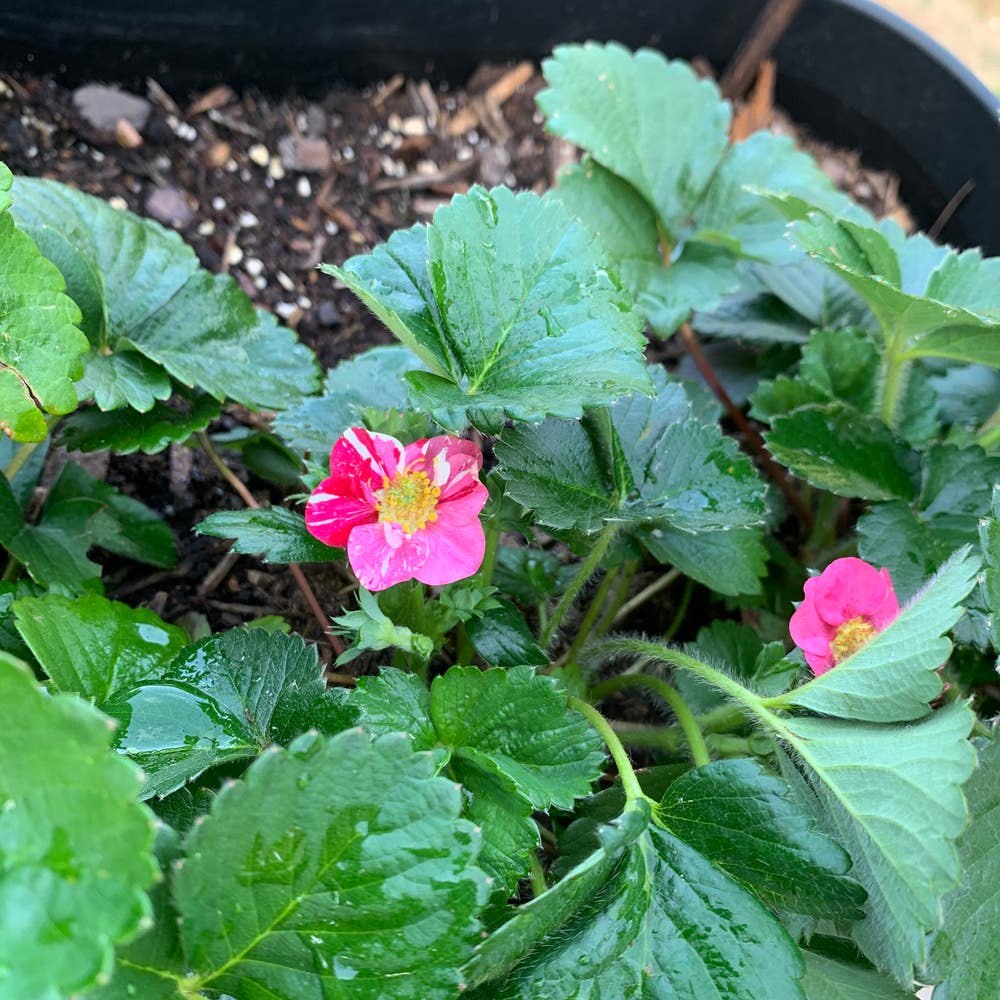
🌼 Introduction to Potentilla astracanica subsp. mollicrinis
Potentilla astracanica subsp. mollicrinis
By the Greg Editorial Team
Feb 27, 2025•11 min read
This article was created with the help of AI so we can cover more plants for you. May contain errors. See one? Report it here.
- 🌞 Potentilla astracanica needs 6-8 hours of sunlight for optimal growth.
- 🌱 Well-drained, loamy soil prevents root rot; aim for pH 6.0 to 7.5.
- 🐝 Attracts pollinators with bright yellow flowers, enhancing garden beauty and health.
How to Grow
Choosing a Location 🌞
To thrive, Potentilla astracanica subsp. mollicrinis needs full sun, ideally receiving 6-8 hours of sunlight daily. Additionally, ensure the planting area has well-drained soil to prevent root rot, which can be detrimental to the plant's health.
Soil Preparation 🏜️
The ideal soil pH for this plant ranges from 6.0 to 7.5. Loamy or sandy soils are preferred, as they provide optimal drainage and support healthy root development.
Planting Techniques 🌱
When planting, space your Potentilla plants 12-18 inches apart to allow for optimal growth. Make sure to plant them at a depth where the crown is level with the soil surface, promoting stability and health.
Watering Requirements 🚰
Initially, water your plants regularly until they are established, then you can reduce the frequency. Using drip irrigation or soaker hoses is ideal, as these methods maintain moisture without risking waterlogging.
Fertilizing 🍽️
For fertilization, a balanced fertilizer with an NPK ratio of 10-10-10 works best. Apply it in early spring before new growth begins to give your plants a nutrient boost.
Pruning ✂️
Pruning should be done in late winter or early spring, just before new growth starts. Focus on removing any dead or damaged stems to encourage healthy growth and maintain the plant's vigor.
Ongoing Care 🛡️
Regularly monitor your plants for signs of stress or disease, as early detection is key. Adjust your watering and fertilization practices based on seasonal changes to keep your Potentilla thriving throughout the year.
With these guidelines, you'll be well on your way to cultivating a vibrant and healthy Potentilla astracanica subsp. mollicrinis. Next, let's explore how to propagate this beautiful plant for even more growth opportunities.
Propagation
🌱 Seed Propagation
To propagate Potentilla astracanica subsp. mollicrinis from seeds, start by sowing them in spring. Keep the soil moist and provide warmth, ideally around 70°F (21°C), to encourage germination, which typically takes 14 to 30 days.
✂️ Division of Established Plants
Dividing established plants is another effective propagation method. This should be done in early spring or fall; carefully dig up the plant, separate the roots, and replant the sections to promote healthy growth.
🌿 Cuttings
Taking cuttings is a more advanced technique for propagation. Select healthy stems and cut them to a length of 4-6 inches. Place the cuttings in a moist potting mix, cover them, and maintain humidity to encourage rooting.
This propagation knowledge will help you expand your garden with these beautiful plants. Next, let’s explore the lifecycle of Potentilla astracanica subsp. mollicrinis and understand its growth stages.
Lifecycle
Lifecycle Stages 🌱
Potentilla astracanica subsp. mollicrinis progresses through several distinct stages: seed, seedling, vegetative growth, flowering, and seed production. In optimal conditions, this plant typically enjoys a lifespan of 3 to 5 years.
Growth Phases 🚀
Reaching maturity takes about 1 to 2 years, making it a relatively quick grower. With a moderate growth rate, you can expect it to achieve full size within 2 to 3 years, providing a vibrant addition to your garden in no time.
This lifecycle knowledge is essential for any gardener looking to cultivate this beautiful plant successfully. Understanding these phases allows for better planning and care, ensuring your Potentilla thrives.
As you consider the lifecycle, think about how it aligns with your gardening goals. This awareness will help you make informed decisions on care and maintenance, setting the stage for a flourishing garden.
Next, let's explore the size of Potentilla astracanica subsp. mollicrinis and how it can fit into your landscape design.
Size
Mature Height and Spread 🌱
Potentilla astracanica subsp. mollicrinis typically reaches a mature height of 12 to 18 inches. Its spread can extend from 24 to 36 inches, making it a lovely addition to any garden.
Growth Rate ⏳
This plant has a moderate growth rate, usually taking about 1 to 2 years to achieve its full size. With the right conditions, you’ll see it flourish beautifully in your landscape.
Size Variability 📏
Several factors can influence the size of Potentilla astracanica. Sunlight exposure, soil quality, and water availability all play crucial roles in determining how robust your plants will grow.
Understanding these elements can help you create the ideal environment for your Potentilla, ensuring it thrives and adds vibrant color to your garden.
As you consider its size, remember that proper care and attention will lead to a healthier, more visually appealing plant. Next, let’s explore the fascinating root system of this resilient species.
Roots
Root System Characteristics 🌱
Potentilla astracanica subsp. mollicrinis features a fibrous root system that is both shallow and efficient. Typically, the roots extend 6-12 inches deep and can spread outward up to 18 inches.
Common Root-Related Issues ⚠️
One of the most common problems is root rot, which occurs due to overwatering. Symptoms include wilting and yellowing leaves, signaling that the roots are struggling.
Another issue is being rootbound, which happens when the roots fill the pot. Signs of this condition include stunted growth and roots that begin to circle around the container.
Visual Cues for Healthy vs. Unhealthy Roots 👀
Healthy roots are firm, white, and spread out, indicating a robust plant. In contrast, unhealthy roots appear dark, mushy, or may even emit a foul smell, suggesting serious issues.
Solutions for Root Problems 🛠️
If you notice your plant is rootbound, repotting it into a larger container can provide the necessary space for growth. Additionally, using well-draining soil can help prevent root rot, ensuring your plant thrives.
Understanding the root system and its needs is crucial for the overall health of Potentilla astracanica subsp. mollicrinis. With proper care, you can avoid common pitfalls and enjoy a flourishing plant.
Next, let’s explore the numerous benefits this hardy plant brings to your garden.
Benefits
Top 5 Benefits 🌟
Potentilla astracanica subsp. mollicrinis offers a variety of advantages that make it a fantastic addition to any garden.
Attracts Pollinators
One of the standout benefits is its ability to attract pollinators. These vibrant plants play a crucial role in supporting local ecosystems, helping to sustain bees, butterflies, and other beneficial insects.
Aesthetic Appeal
With their bright yellow flowers, these plants add a splash of color and texture to landscapes. Their cheerful blooms can elevate the visual appeal of any garden space.
Drought Resistance
This species is remarkably drought-resistant, requiring minimal water once established. This trait not only conserves water but also makes it an ideal choice for sustainable gardening practices.
Soil Stabilization
Potentilla helps prevent soil erosion in garden beds and slopes. Its root system stabilizes the soil, making it a practical choice for areas prone to erosion.
Cultural Significance
Historically, Potentilla has been used in traditional medicine and as an ornamental plant. Its rich cultural background adds an interesting layer to its cultivation and appreciation.
Incorporating Potentilla astracanica subsp. mollicrinis into your garden not only enhances its beauty but also contributes positively to the environment. Next, let’s explore the best companion plants that thrive alongside this resilient species.
Companion Plants
🌱 Companion Planting Benefits
Companion planting is a fantastic way to enhance garden diversity. It promotes symbiotic relationships among plants, leading to healthier growth and improved yields.
🌼 Recommended Companion Plants
When planting Potentilla astracanica subsp. mollicrinis, consider pairing it with sedums, thyme, and other drought-tolerant perennials. These companions thrive in similar conditions, creating a harmonious garden environment.
🚫 Plants to Avoid
Be cautious about planting near overly aggressive species. These plants can outcompete Potentilla, stunting its growth and diminishing its beauty.
By choosing the right companions, you can create a vibrant and thriving garden that showcases the best of Potentilla astracanica subsp. mollicrinis. Next, let's explore the potential toxicity of this plant to humans and pets.
Toxicity to Humans
Potentilla astracanica subsp. mollicrinis is not listed as toxic by major poison control centers. This means you can enjoy its beauty without worrying about severe health risks.
However, it's wise to be cautious. Consuming large quantities may lead to mild skin irritation or digestive discomfort.
Always exercise caution with any plant. If you experience unusual symptoms after contact or consumption, seek medical advice promptly.
Being informed is key to enjoying your gardening experience safely!
Toxicity to Dogs
When it comes to Potentilla astracanica subsp. mollicrinis, good news for dog owners: this plant is not listed as toxic by major pet poison control centers.
However, it's always wise to be cautious. While serious toxicity isn't a concern, excessive consumption can lead to mild gastrointestinal upset in dogs.
🐶 Tips for Dog Owners
To keep your furry friends safe, consider the following tips:
- Proper Placement: Position the plant in areas that are less accessible to your dog.
- Monitor Behavior: Keep an eye on your dog's interactions with the plant to prevent any unwanted nibbling.
By taking these simple precautions, you can enjoy the beauty of Potentilla astracanica subsp. mollicrinis while ensuring your dog's well-being.
Next, let’s explore how this plant interacts with our feline friends.
Toxicity to Cats
When it comes to Potentilla astracanica subsp. mollicrinis, good news for cat owners: this plant is not listed as toxic by major pet poison control centers. Your feline friends can safely roam around it without the risk of serious harm.
However, it's worth noting that excessive consumption might lead to mild gastrointestinal upset. Keep an eye on your cat's behavior, and if you notice any unusual symptoms, it's best to consult your veterinarian.
🐱 Monitoring Cat Behavior
To ensure your cat stays safe, monitor their interactions with the plant. If you see them nibbling on the leaves, gently discourage this behavior.
🚫 Tips for Prevention
- Placement: Consider positioning the plant out of reach to minimize temptation.
- Distraction: Provide alternative plants or toys to keep your cat engaged and away from the Potentilla.
By taking these simple precautions, you can enjoy the beauty of Potentilla astracanica subsp. mollicrinis while keeping your furry companions safe and sound.
Problems
Common Issues 🌱
Growing Potentilla astracanica subsp. mollicrinis can come with its share of challenges. Understanding these common issues will help you maintain a healthy plant.
Incorrect Watering 🚰
Watering is crucial for your plant's health. Overwatering can lead to wilting, while underwatering results in dry, crispy leaves.
Incorrect Light Conditions 💡
Light plays a vital role in growth. If your plant is leggy, it may not be getting enough light, whereas scorched leaves indicate too much direct sunlight.
Diseases 🦠
Fungal diseases can wreak havoc on your plant. Watch out for powdery mildew, rust, black rot, and blight, which can all compromise its health.
Root Problems 🌿
Root issues often stem from improper watering. Root rot can cause roots to become squishy, leading to overall plant decline.
Leaf Issues 🍃
Leaf health is a good indicator of plant vitality. Scorching, yellowing, or fuzzy growth on leaves can signal underlying problems that need addressing.
Conclusion 📝
By keeping an eye on these common issues, you can ensure your Potentilla astracanica subsp. mollicrinis thrives. Next, let’s explore the pests that might disrupt your plant's growth.
Bugs
Common Pests 🐜
When it comes to Potentilla astracanica subsp. mollicrinis, a couple of pests can become unwelcome guests in your garden.
- Aphids are small, green insects that love to munch on tender leaves, causing curling and stunted growth.
- Spider mites are another concern; these tiny, web-spinning pests create stippling on leaves, making them look unhealthy.
Treatment Options 💊
Fortunately, there are effective ways to manage these pests without resorting to harsh chemicals.
- Organic methods like neem oil or insecticidal soap can help control infestations while being gentle on the environment.
- If the situation becomes dire, chemical options are available, but they should be a last resort. Always follow label instructions for safe application.
By staying vigilant and proactive, you can keep your Potentilla healthy and thriving. Next, let’s explore what animals might be lurking around your garden, looking to snack on your beautiful plants.
What Eats
Common Garden Animals 🦌
In your garden, you might encounter a few hungry visitors. Deer are notorious for their browsing habits, leaving behind telltale signs like nibbled leaves and stems.
Rabbits are another common culprit, often leaving chewed stems and missing foliage in their wake. Both can quickly turn a thriving garden into a buffet.
Deterrent Methods 🚫
To protect your precious plants, consider implementing some effective deterrent methods. Fencing is a reliable option; a sturdy 4-6 foot tall barrier can keep deer and rabbits at bay.
Additionally, you can apply repellents, whether commercial or homemade, to further discourage these garden invaders. A little extra effort can go a long way in preserving your garden's beauty and bounty.
⚠️ Safety First
This content is for general information and may contain errors, omissions, or outdated details. It is not medical, veterinary advice, or an endorsement of therapeutic claims.
Always consult a qualified healthcare professional before using any plant as food, medicine, or supplement.
Never eat any plant (or feed one to pets) without confirming its identity with at least two trusted sources.
If you suspect poisoning, call Poison Control (800) 222-1222, the Pet Poison Helpline (800) 213-6680, or your local emergency service immediately.
Spotted an error? Please report it here.
Grow a thriving Potentilla garden 🌼 with Greg's personalized care tips and watering reminders, ensuring your plants attract pollinators and flourish beautifully!