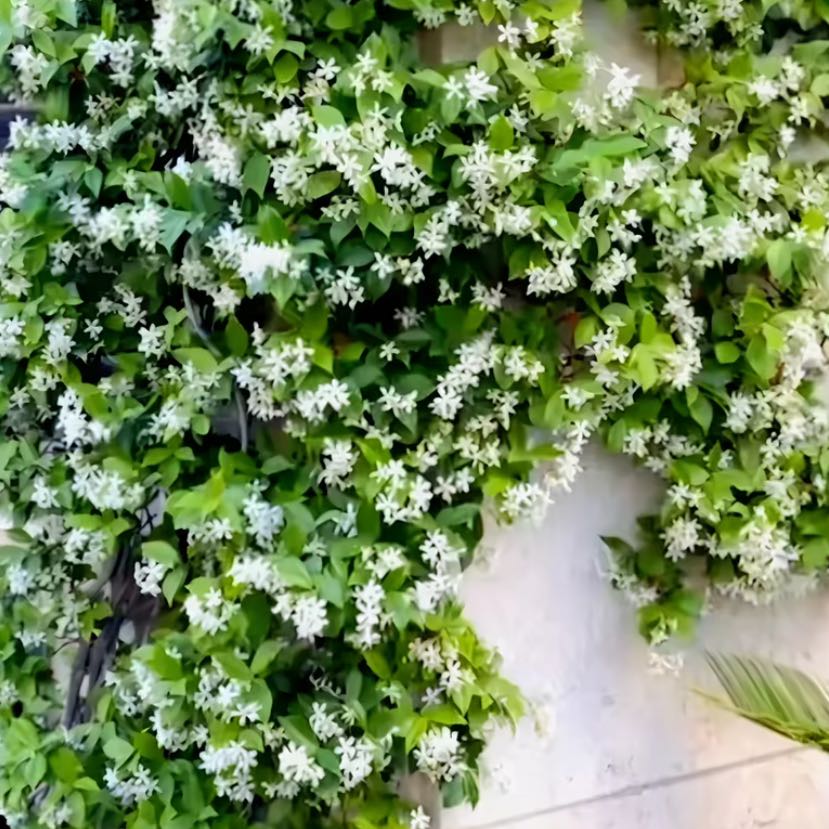
Best Soil for Star Jasmine
What Soil Does Star Jasmine Need?
Star Jasmine (Trachelospermum jasminoides) is a vigorous evergreen vine native to subtropical and warm temperate regions from Japan to Vietnam. It grows in a wide range of soils but performs best in well-drained, moderately fertile loam. It is more drought-tolerant once established than many flowering vines and will sulk in heavy, waterlogged soil.
Star Jasmine is remarkably adaptable and can thrive in average garden soil that many plants would find merely tolerable. That said, it genuinely flourishes when the soil offers good drainage, moderate fertility, and reasonable aeration. Heavy clay that holds water after rain is its main enemy — prolonged waterlogging stresses the roots and causes yellowing leaves and dieback.
In garden beds, amending with aged compost before planting improves both drainage in clay soils and moisture retention in sandy soils. For container growing, a standard potting mix with a modest addition of perlite is a reliable choice. Star Jasmine has a woody, somewhat aggressive root system and will fill a container quickly, so plan to repot or root-prune every few years.
Star Jasmine is also tolerant of slightly alkaline conditions, which means it does well in coastal gardens and areas with hard water, unlike some more pH-sensitive flowering plants. This flexibility makes it a low-maintenance choice for most temperate garden soils.
What Soil Mix Should I Use for My Star Jasmine?

What pH Does My Star Jasmine Need?
Star Jasmine performs best in a slightly acidic to neutral pH range of 6.0–7.0, though it tolerates mildly alkaline conditions up to about 7.5 better than many ornamental plants. You can check your garden bed or container mix with an inexpensive pH meter or test strips before planting. In established beds, testing every few years helps catch any drift.
Below pH 5.5, Star Jasmine may develop yellowing leaves as micronutrient availability drops. Above 7.5, iron can become locked out, showing as pale, chlorotic leaves with green veins. In alkaline coastal soils, foliar iron applications provide a quick fix while longer-term soil amendments take effect.
When Should I Replace My Star Jasmine's Soil?
In the ground, Star Jasmine rarely needs soil replacement — established plants develop deep, woody roots and largely manage their own soil interactions. Topdress with compost annually in spring to maintain fertility and soil structure. In containers, refresh the mix every 2–3 years or when the plant has filled the pot with roots and drainage is noticeably slower.
Spring, just before the main flush of growth and bloom, is the ideal time to repot or refresh. Container Star Jasmine can be root-pruned if you want to keep it in the same pot — trim outer roots back by a third and replant into fresh mix in the same container. This approach keeps the plant manageable without a major repotting project.
What Soil Amendments Does Star Jasmine Need in the Ground?
Star Jasmine is a vigorous groundcover and climber with a dense root system that adapts to a wide range of soils. It does best in moderately rich, well-drained ground that holds some moisture without staying soggy.
Amend clay soil with compost and bark to open up the texture and prevent waterlogging, especially during the wetter months. Sandy soil benefits from compost and a layer of mulch to add fertility and slow down drying. Star Jasmine is flexible about light and will bloom in full sun to partial shade, though more sun means more of those fragrant white flowers.
Got More Questions?
About This Article
