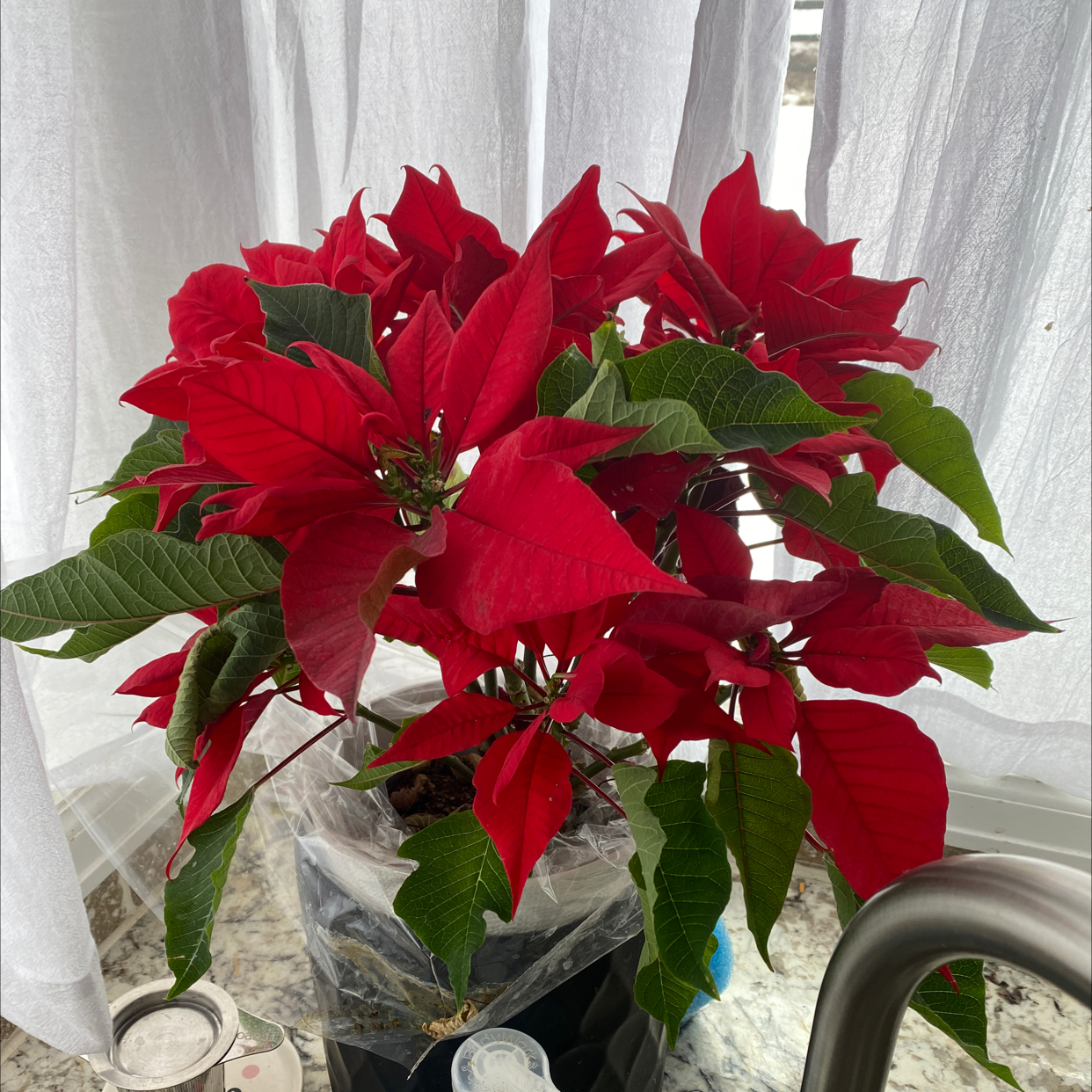
Best Soil for Poinsettia
What Soil Does a Poinsettia Need?
Wild poinsettias grow in the dry, rocky hillsides and ravines of Mexico, where soils drain quickly after rain and roots rarely sit in standing water. Indoors, they need a loose, airy mix that moves water through fast, since their roots are very sensitive to overwatering.
Standard potting mix alone is too moisture-retentive for poinsettias, which are prone to pythium root rot the moment the soil stays wet for too long. The goal is a mix that drains quickly after watering but still holds a bit of moisture so the roots don't completely dry out between drinks.
Perlite is the most important amendment here. Adding 25 to 30% perlite to a regular potting mix dramatically improves drainage and keeps air moving around the roots. A small amount of peat moss helps hold some moisture and nudges the pH toward the mildly acidic range poinsettias prefer. Avoid heavy, peat-dominant mixes or anything labeled for moisture-loving plants.
Poinsettias sold at garden centers are usually potted in a very light, fast-draining commercial greenhouse mix. If you're repotting after the holidays, aim for something similarly airy rather than switching to a denser general-purpose soil.
What Soil Mix Should I Use for My Poinsettia?

What pH Does My Poinsettia Need?
Poinsettias prefer a slightly acidic soil, ideally between 5.8 and 6.5. Most commercial potting mixes fall somewhere in this range, but it's worth checking with a pH meter or test strips if your plant seems unhappy despite good care.
When the pH drifts above 7.0, iron deficiency shows up as yellowing between the leaf veins on newer growth, even when the plant is otherwise well-fed. If the soil goes too acidic below 5.5, nutrient uptake becomes erratic and the bracts may develop uneven coloring. Keeping the pH in range is especially important for getting the best bract color during the holiday season.
When Should I Replace My Poinsettia's Soil?
If you're keeping your poinsettia from year to year rather than treating it as a seasonal plant, plan to repot in late winter or early spring after the colored bracts have faded. This is also when you'd prune the plant back to encourage new growth. Fresh soil removes any salt buildup from fertilizing and restores the drainage the mix loses as it compacts over time.
For plants you're buying new each holiday season, soil refresh is less of a concern since the plants are typically replaced annually. But if you notice water pooling on the surface or the plant wilting even after watering, those are signs the current mix has broken down and needs replacing.
How Do I Prepare Garden Soil for a Poinsettia?
Poinsettias put down a surprisingly vigorous root system when planted in the ground, but they absolutely need soil that drains well. Standing water around the roots is the fastest way to lose one.
Amend clay soil generously with compost and coarse perlite or bark chips to break up density and let water move through. Sandy soil benefits from a thick layer of compost mixed in to add body and nutrients. Choose a planting spot that gets bright light for most of the day, ideally with some shelter from strong wind.
Got More Questions?
About This Article
