Best Soil for Cucumber
What Soil Does a Cucumber Need?
Cucumbers are vigorous annual vines from the humid foothills of the Himalayas to northern Thailand. They grow fast, fruit heavily, and feed constantly , all of which demands loose, fertile soil that drains well enough to prevent disease while holding enough moisture to keep up with their water needs during fruit set.
Cucumbers are heavy feeders with a relatively shallow, fibrous root system. They need soil that's both nutrient-rich and loose enough for those roots to spread easily. Compacted soil is one of the biggest reasons for poor cucumber harvests , roots can't explore the bed, plants stress quickly in dry spells, and drainage problems encourage fungal diseases like powdery mildew.
The best approach for in-ground beds is to work 2–3 inches of aged compost or well-rotted manure into the top 8–10 inches before planting. This improves both drainage in heavy clay soils and water retention in sandy soils. Cucumbers love warmth, so soil temperature matters as much as texture , they won't put on vigorous growth in soil below 60°F. In short-season climates, warming the soil with black plastic mulch a week before planting speeds things up considerably.
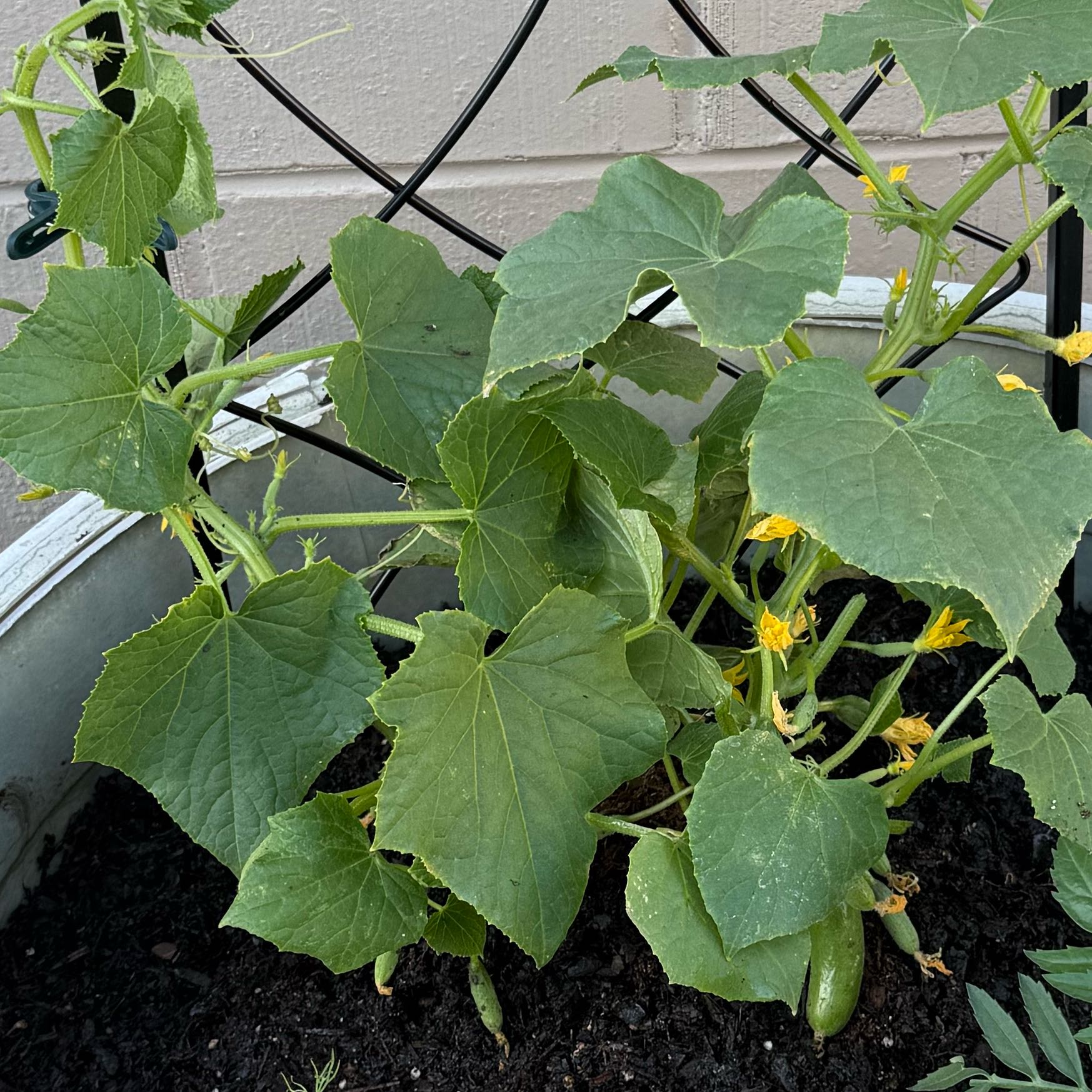
For container growing, cucumbers need a large pot (at least 5 gallons per plant) with a nutrient-rich potting mix. Containers dry out faster than garden beds, so a mix with some compost or coconut coir for moisture retention is helpful. Avoid mixes that are mostly peat alone , they can repel water when they dry out completely, which cucumbers cannot tolerate.
What Soil Mix Should I Use for My Cucumber?

What pH Does My Cucumber Need?
Cucumbers grow best in soil with a pH of 6.0–6.8. This slightly acidic to near-neutral range keeps nutrients like nitrogen, phosphorus, and calcium available in forms the plant can absorb. Testing is quick and worth doing before you plant , a basic soil pH meter costs about $10 at any garden center, or use test strips for a rough check.
If pH drops below 5.5, the soil becomes too acidic and magnesium and calcium become less available , you may see yellowing leaves or blossom-end rot on developing fruit. Above 7.5, iron and manganese are locked out, causing pale new growth. Cucumbers are particularly sensitive to calcium deficiency, so if your soil is already slightly acidic, adding lime not only raises pH but also supplies the calcium these heavy-fruiting plants need.
When Should I Refresh Soil for Cucumbers?
Cucumbers are annuals, so the soil question is less about refreshing an existing planting and more about preparing fresh beds each season. After harvesting, cucumber plants exhaust a significant portion of the soil's available nitrogen, calcium, and potassium. Replanting into the same soil without amendment sets up the next crop for poor performance.
After each cucumber season, work in a fresh round of compost and consider a light application of balanced granular fertilizer. Rotating cucumbers to a different bed each year also reduces the buildup of cucumber-specific soil pathogens and pests. For container growers, start each season with fresh potting mix , reusing last year's container soil results in compaction, nutrient depletion, and often a nasty surprise of overwintered fungus gnats.
How Do I Prepare Garden Soil for Cucumbers?
Cucumbers are hungry, fast-growing vines that need rich, well-drained soil packed with organic matter. Their roots spread wide and shallow, so prepare a broad area rather than just a deep hole.
For clay soil, work in several inches of compost and aged manure to improve drainage and add the nutrients cucumbers burn through quickly. Sandy soil will need even more compost and some leaf mold to hold moisture, since cucumbers wilt fast when the soil dries out. A sunny spot with consistently moist, fertile soil and good air flow will give you the best harvest.
Got More Questions?
About This Article
