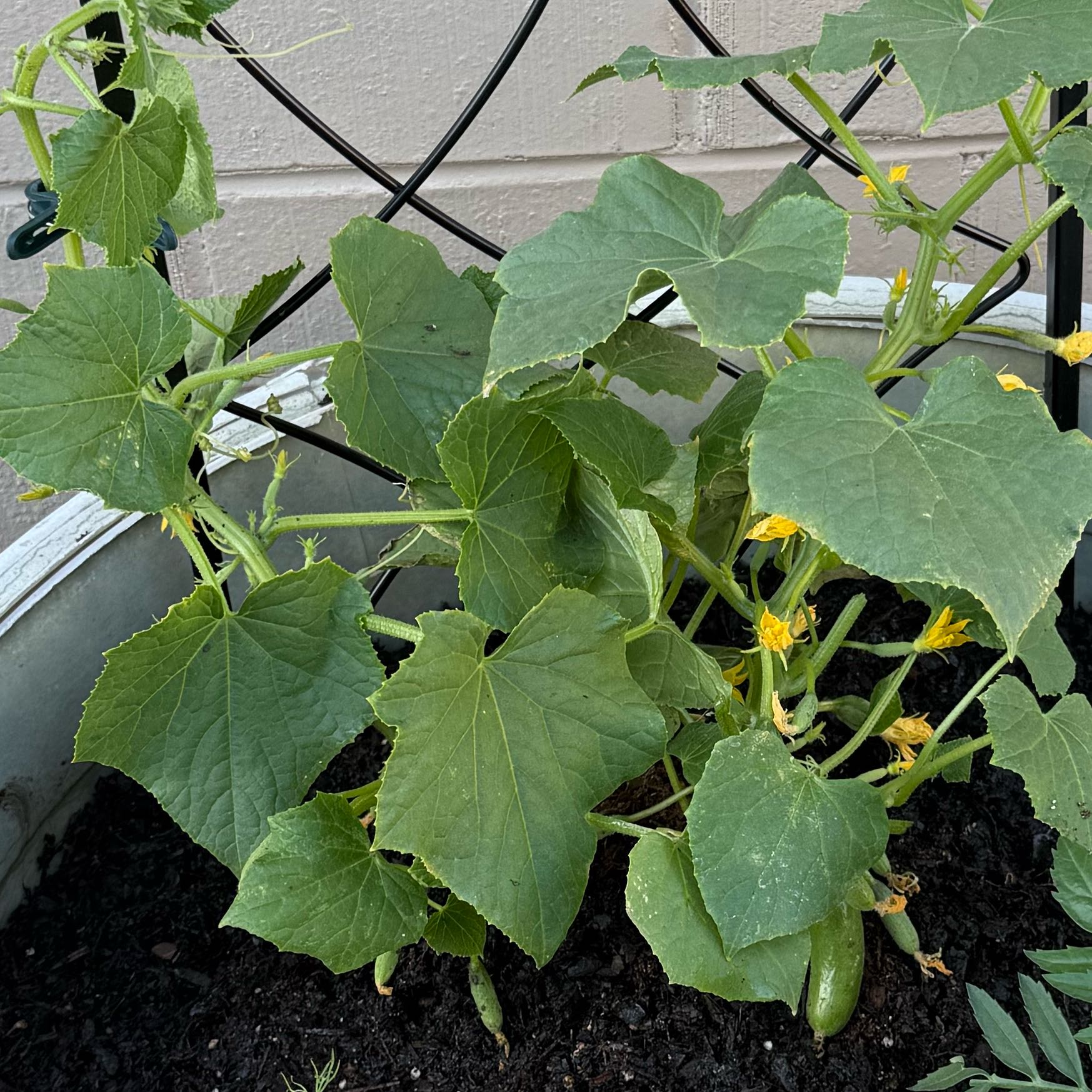
How to Know When to Repot a Cucumber?

Cucumis sativus

By the Greg Editorial Team

Jun 14, 202412 min read

This article was created with the help of AI so we can cover more plants for you. May contain errors. See one? Report it here.

Cucumber
  1. Roots peeking out? Time to repot your cucumber for better growth.
  2. ๐ŸŒฑ Repot in spring with true leaves, using a larger pot with good drainage.
  3. ๐ŸŒž Aftercare is key: Water, avoid fertilizing for 6 weeks, and monitor health.

Signs That Your Cucumber Needs Repotting

๐ŸŒฑ Root-Bound Cucumbers: The Telltale Signs

Roots making a break for it out of the pot's drainage holes? That's your cucumber's version of waving a white flag. The root ball might look like a knotted mess, a clear SOS that it's time for a bigger home. If your cucumber's growth has hit a wall, it's likely feeling the squeeze down below.

๐Ÿ’ง Water Woes: Over, Under, and Poor Drainage

Wilting leaves? Yellowing foliage? These are the drama queens of the plant world, signaling distress which might be due to inconsistent watering or poor drainage. Overwatering can drown roots, while underwatering leaves them parched. Either way, your cucumber's not happy. If the soil's more waterlogged than a sponge in a rainstorm, consider repotting as a path to dry land.

๐Ÿ‘€ Visual Cues: When Your Plant Speaks, Listen

If the plant looks like it's trying to escape its pot, it's not plotting a garden getawayโ€”it's cramped. And those tiny bumps on the stem, dreaming of becoming roots? They're a sign your cucumber's ready to level up. Don't ignore the plant's plea for more space.

๐ŸŒฑ Stunted Growth: A Silent Cry for Help

When your cucumber plays the quiet game, it's not being thoughtfulโ€”it's stunted. A lack of new leaves or flowers is the plant's way of telling you it's in a tight spot, literally. It's a subtle hint that it's time to repot and let those roots roam free.

Remember, your cucumber plant isn't just being dramaticโ€”it's communicating. Listen up, and give it the space it needs to thrive.

Young cucumber plant in a green pot with healthy green leaves and visible soil.

Timing for Repotting Cucumbers

Repotting cucumbers is like timing a punchlineโ€”it's all about the right moment.

โฐ When to Repot

Spring into action when the risk of frost has passed. This is when your cucumber plants are ready to take on the worldโ€”or at least a bigger pot.

๐ŸŒฑ Growth Stage Matters

Look for the true leaves, the ones that come after the seed leaves. They're your green light that it's time to give those roots some new digs.

๐ŸŒฆ๏ธ Environmental Considerations

Keep an eye on the weather forecast. Cucumbers are sun worshippers, so choose a warm, sunny day to make the move.

๐Ÿ“ˆ Plant's Growth Rate

Fast growers might need an early upgrade. If your cucumber is shooting up like a teenager in a growth spurt, it's time to repot.

๐Ÿ˜Œ Avoiding Stress

Repotting can be a shock to the system. Aim for late afternoon or evening, when the plants can recover during the cooler, calmer night hours.

๐Ÿ’ง Dry Soil Technique

Hold off on watering the day before repotting. Dry soil sticks together better, making the move smoother and less messy.

Remember, repotting is not just a chore, it's an opportunity to set the stage for a bumper crop. Get it right, and your cucumbers will thank you with a harvest that's as plentiful as your wit.

Healthy cucumber plant in a fabric pot on a balcony with vibrant green leaves.

How to Repot a Cucumber

Preparation is key when it comes to repotting cucumbers. Start by selecting a larger pot to accommodate growth, ensuring it has adequate drainage. Fill the bottom third with a mix of potting and multi-purpose compost, which provides a nutritious and supportive environment for the roots.

๐ŸŒฑ Gently does it

when removing the cucumber from its current home. Tap and squeeze the pot to loosen the soil, and carefully lift the plant out. Inspect the roots; if they're coiled, untangle them with your fingers. Dead roots will be blackโ€”snip those off.

๐ŸŒฟ Positioning

the cucumber in its new pot is a delicate affair. The stem is fragile, so nearly cover it with compost for stability. Fill the pot, pressing down to eliminate air pockets. Water immediately after repotting to help the plant settle and reduce transplant shock.

Support is crucial; a small bamboo cane can guide the cucumber as it grows. Keep the plant in a warm, sheltered spot before any thoughts of moving it outdoors. Patience is a virtueโ€”your cucumber will thank you for a gradual transition to its new, roomier residence.

deleted

Pot Material Options for Cucumbers

Selecting the right pot for your cucumber plants is not just a matter of aesthetics; it's a crucial decision for the well-being of your green buddies. Let's dig into the options.

๐Ÿบ Terracotta Pots

Terracotta, the classic choice, strikes a balance between moisture retention and breathability. It's like the Goldilocks of pot materialsโ€”not too wet, not too dry. But remember, they can break if you so much as give them a stern look. They're perfect if you're not the Hulk in the garden and have a gentle touch.

๐Ÿฅค Plastic Pots

Plastic pots are the immortal warriors of the container worldโ€”durable and retaining moisture like a camel. They're lightweight, so you can shuffle them around without throwing your back out. Just ensure they have drainage holes unless you fancy a mini swamp.

๐ŸŽฝ Fabric Pots

Fabric pots are the mavericks, promoting air pruning and preventing your cucumbers from getting root-bound. They're thirsty, though, requiring more frequent watering, but that's a small price to pay for happy roots.

๐ŸŒฒ Wood Containers

Wood containers are like a cozy log cabin for your plants, holding in moisture and adding a rustic charm to your balcony. They're great for those who forget to water but still want to avoid turning their cucumbers into pickles prematurely.

๐Ÿ—๏ธ Metal Containers

Metal containers? Sure, they can work, but they're like cooking in a cast-iron skilletโ€”specific care needed. They retain heat, so watch out on scorching days, unless you're aiming to roast your cucumbers alive.

Good drainage is non-negotiable, regardless of material. Without it, you're signing up for a root rot fiesta, and no one wants an invite to that party. Choose wisely, water wisely, and your cucumbers will be climbing the trellis to success.

Pot Size and Its Impact on Cucumber Growth

Selecting the right pot size for cucumbers is more than just a matter of aesthetics; it's crucial for their growth and health. A pot that's too small can constrict the root system, while one that's too large may lead to water retention and root rot.

๐Ÿ’ก Choosing the Correct Pot Size

A 5-gallon pot, at a minimum of 12 inches deep, is the sweet spot for a single cucumber plant. This allows enough room for the roots to spread out and supports the plant's nutritional needs. For two plants, a larger pot is necessary, ensuring at least 1 foot of space between them for adequate airflow and growth.

๐ŸŒฑ Understanding Root Development

Cucumbers have extensive root systems that require sufficient space to expand. A pot that's too cramped can lead to root-bound conditions, hindering the plant's ability to absorb water and nutrients. Conversely, a pot that's too large for a young plant can cause the soil to dry unevenly, affecting root health.

๐Ÿบ Material Matters

The material of the pot also influences moisture retention. Terracotta pots are a happy medium, balancing moisture retention and breathability. Plastic pots may retain moisture longer but can also heat up quickly, which might necessitate more frequent watering in hot climates.

๐ŸŒฟ Air Pruning with Fabric Pots

Fabric pots, such as grow bags, encourage healthy root growth through air pruning. They're excellent for promoting a robust root system but require more frequent watering due to their permeable nature. High-quality fabric pots also tend to last longer and help maintain soil moisture.

๐ŸŒฑ Repotting Considerations

When it's time to repot, be mindful of the cucumber's growth stage. A plant that's too large may experience stress during the process, so it's best to repot before the plant outgrows its current container. Always ensure the new pot has adequate drainage to prevent waterlogging.

Benefits of Repotting Cucumbers

In the dance of gardening, repotting is a pivotal twirl for cucumbers. It's not just about giving them a new home; it's about optimizing their very essence. Let's dig into the why's and how's.

๐ŸŒฑ Promoting Root Health

Cucumbers are like ambitious yogis, their roots stretching far and wide. When confined, they become root-bound, stifled. Repotting gives these roots room to breathe and grow, preventing the dreaded stranglehold that limits nutrient uptake.

๐ŸŒฟ Encouraging Better Nutrient Uptake

Think of a repotted cucumber as a kid in a candy store. More space means more goodies โ€“ in this case, nutrients. With a larger pot, roots can access fresh soil, rich in the essentials for a healthy, productive life.

๐ŸŒผ Preventing Overcrowding

Overcrowding is the bane of any plant's existence. It's like being stuck in a mosh pit, unable to move. By repotting, you're giving your cucumber VIP access to its own personal space, avoiding the competition that can stunt growth.

๐ŸŒฑ Stimulating New Growth

When cucumbers get a new pot, it's like a shot of espresso for their growth. The process can trigger a surge of new roots and shoots, as if the plant realizes it's time to up its game.

๐ŸŒฟ Improving Overall Plant Vigor

A repotted cucumber is a rejuvenated cucumber. With more room to grow and access to fresh nutrients, the plant's vigor is often visibly improved. It's like watching a plant go from couch potato to marathon runner, all thanks to a change of scenery.

Unsuitable Pot Materials for Cucumbers

Selecting the right pot for your cucumber plants isn't just about aesthetics; it's a crucial decision for the health of your plants. Let's dive into the materials that could spell disaster for your green companions.

๐Ÿšซ Metal Containers: A No-Go Zone

Metal pots might look chic, but they're a cucumber's nightmare. They heat up faster than a summer sidewalk, cooking the roots on a sunny day. Plus, they're prone to rust, which can introduce unwanted toxins into the soil. Avoid galvanized steel or metal planters unless you fancy a side of heavy metal with your cucumbers.

๐Ÿšฐ The Perils of Poor Drainage

It's not just the material; it's also about the design. Pots without adequate drainage holes are like a cucumber's version of waterboarding. Overwatering leads to waterlogged soil, and before you know it, you're dealing with root rot. If your pot's more sealed than a drum, it's time for an upgrade.

When Size Does Matter

Size isn't everything, but in the world of pots, it's pretty darn important. Too small, and your cucumbers will feel cramped, like a giant in a dollhouse. Too large, and the soil retains moisture like a sponge, leading to waterlogging. Aim for the Goldilocks zone โ€“ just right.

The Lowdown on Wood

Wooden containers can be a solid choice, but they come with a caveat. If not treated, they can rot faster than a forgotten apple, and that's bad news for your cucumbers. Make sure your wooden pots are up for the long haul before planting.

Remember, your cucumber's pot is its home, its sanctuary. Don't skimp on the right materials โ€“ your crunchy, refreshing harvest depends on it.

Aftercare and Maintenance

After repotting, immediate care is crucial for your cucumber's comeback tour.

๐Ÿ’ฆ Watering Wisdom

Drench the soil post-repotting to evict air pockets and give the roots a cozy hug. Keep the soil consistently moist but not waterlogged; think of it as the plant's favorite spa treatment. Overwatering is the equivalent of a bad hangover for your cucumberโ€”avoid it.

๐ŸŒฑ Fertilizer Finesse

Hold off on the fertilizer solos for a bit. Your cucumber is acclimating to its new digs. After about six weeks, introduce a balanced fertilizer to encourage growth without overwhelming the plant.

๐ŸŒž Sunlight and Surveillance

Place your cucumber in a spot with bright, indirect sunlight. Too much direct sun can cause the leaves to throw a fit, while too little light leads to a lackluster performance. Keep an eye out for drama like wilting or yellowing leaves, which are your cucumber's way of crying out for help.

๐Ÿ’ง Humidity Harmony

Cucumbers enjoy a bit of humidity. If your indoor air is drier than a stand-up comedian, consider misting the leaves or using a pebble tray to up the moisture ante.

๐Ÿ”„ Monitoring Mood Swings

Regular check-ups are non-negotiable. If your cucumber starts acting up, adjust your care routine faster than a DJ tweaking beats. Rotate the pot occasionally to promote even growth and prevent your plant from developing a slouch.

Remember, your cucumber plant isn't just growing; it's on a journey of self-discovery post-repotting. Give it the support act it needs with proper aftercare, and watch it thrive like a headliner at a garden festival.

Troubleshooting Common Issues After Repotting

After repotting cucumbers, it's not uncommon to encounter a few hiccups. Let's troubleshoot.

๐Ÿฅ€ Wilting

Wilting post-repot can signal transplant shock. Recovery requires patience and consistent care. Ensure the soil is moist, but not waterlogged, and keep the plant in a stable environment.

๐ŸŸก Yellowing Leaves

Yellow leaves might scream nutrient deficiency or overwatering. Adjust your watering schedule and consider a balanced fertilizer. Remember, less is often more when it comes to water.

๐Ÿ’ฅ Transplant Shock

Transplant shock can make a plant look like it's ready to meet its maker. Steady watering and avoiding direct sunlight can help it bounce back. It's like a spa day for your plant.

๐ŸŒ Environmental Adjustments

If your cucumber is throwing a fit, reassess its environment. Too much sun? Too little? Drafty? Cucumbers can be divas about their conditions.

๐ŸŒฑ Post-Repot Care

Post-repot, your cucumber is vulnerable. Water carefully to avoid soil splatter and potential disease. Keep an eye on moisture levels; cucumbers despise soggy feet.

๐Ÿ‘€ Monitoring and Patience

Keep a vigilant watch for signs of distress. Sometimes, all a cucumber needs after repotting is a bit of TLC and time to adapt to its new digs.

โš ๏ธ Safety First

This content is for general information and may contain errors, omissions, or outdated details. It is not medical, veterinary advice, or an endorsement of therapeutic claims.

Always consult a qualified healthcare professional before using any plant as food, medicine, or supplement.

Never eat any plant (or feed one to pets) without confirming its identity with at least two trusted sources.

If you suspect poisoning, call Poison Control (800) 222-1222, the Pet Poison Helpline (800) 213-6680, or your local emergency service immediately.

Spotted an error? Please report it here.

Boldly repot your cucumbers ๐Ÿฅ’ with Greg's tailored reminders for the best soil mix and optimal repotting times, keeping your plants robust and thriving!