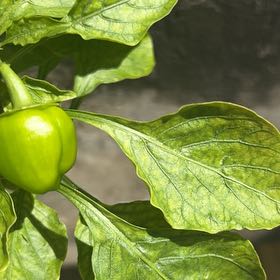
When to Repot a Bell Pepper
Bell Pepper plants typically want two or three pot-ups during a single growing season. Move seedlings from a starter cell into a 1-gallon pot when they have four true leaves, then into a 5 to 7-gallon final container once nighttime temperatures stay above 55 degrees Fahrenheit. A rich mix of equal parts compost, potting soil, and perlite gives the plant the nutrition it needs.

How to Know It's Time to Repot
Every Bell Pepper plant grows at its own pace, so the season-long pot-up cadence is a starting point rather than a strict rule. The plant itself gives you four clear signals when the roots have run out of room in their current pot.
-
1Roots show at the drainage holes or circle the bottom of the pot in tight rings.
-
2The plant has roughly doubled in height since the last time you potted it up.
-
3Soil dries within a day of watering, even before the weather turns hot.
-
4New leaves come in noticeably smaller than the older ones, or upward growth has stalled out.
Most Bell Pepper plants need two or three pot-ups across a single growing season, moving from starter cell to intermediate pot to final container. Acting on even one or two of these signs is enough to know it is time, but once the plant is in its final container and starts setting flowers, leave it alone for the rest of the season.
The Best Time of Year to Repot
Bell Pepper is a warm-season annual that hates cold soil and dies at the first frost. Start seedlings indoors six to eight weeks before your last spring frost, bump them up into bigger pots as they grow, and only move the plant into its final outdoor container two to three weeks after the last frost, once nighttime temperatures stay reliably above 55 degrees Fahrenheit. The exact window shifts by climate region, so use the map below to find yours.

How to Choose a Pot and Soil Mix
Pot Size
Start seeds in a 3 to 4-inch starter pot, step up to a 1-gallon intermediate pot once seedlings have four true leaves, and then move into a 5 to 7-gallon final container before flowering begins. Bush varieties do well in 5 gallons, while larger sweet types fill out a 7 to 10-gallon pot comfortably. A pot that is too small limits fruit set, while jumping straight to an oversized container holds too much wet soil around small roots and slows the plant down.
Pot Material
Fabric grow bags are an excellent final-container choice for Bell Pepper because they air-prune the roots and drain freely, which keeps the plant productive through summer heat. Plastic and glazed ceramic pots also work well and hold moisture longer in dry climates. Skip terracotta for the final pot in hot weather, since the porous walls dry the soil out faster than the plant can keep up. Whichever you pick, the pot needs at least one good drainage hole.
Soil Mix
Bell Pepper is a heavy feeder, so a rich, well-draining mix pays off in bigger harvests. A simple recipe of equal parts compost, standard potting soil, and perlite gives the roots the nutrition, structure, and drainage they need. Mix in a balanced slow-release fertilizer at potting time, and skip straight garden soil, which compacts in a pot and traps water around the roots.
How to Repot a Bell Pepper, Step by Step
-
1Water the day before. Give the plant a thorough drink the day before you plan to repot. Moist soil holds together as a single root ball when it slides out, instead of crumbling and tearing the fine feeder roots in the process.
-
2Squeeze, tip, slide. Squeeze the sides of the pot to loosen the root ball, tip it sideways, and ease the plant out by holding the base of the stem with one hand and the rim of the pot with the other. Bell Pepper stems snap more easily than they look, so never pull by the leaves or the top growth.
-
3Keep the soil line where it was. Set the plant into the new pot so the original soil line on the stem sits at the same level as before. Bell Pepper does not root along a buried stem the way tomato does, and a buried lower stem rots within a week or two. The only exception is a very young leggy seedling, which can be set slightly deeper to its first true leaves.
-
4Stake or cage before filling. Slide a stake or small cage into place around the root ball before you start filling in soil. Bell Pepper plants get top-heavy once they start setting fruit, and adding support later means stabbing through new roots and undoing your hard work.
-
5Fill, firm, water deeply. Add fresh mix around the root ball, press gently to remove air pockets, and water until it drains through the holes. Top up any spots where the soil settles, then return the plant to its sunny outdoor spot or back under grow lights if you are still indoors.
What to Expect After Repotting
Day 1 to 3
A little leaf droop is completely normal during the first couple of days as the roots resettle. Keep the plant in bright shade or shielded from harsh midday sun if it is already outdoors, water generously, and skip fertilizer for now. By day three the leaves should firm back up and look perky again.
Week 1 to 4
New leaf growth picks back up and the plant starts looking visibly bigger week over week. Resume deep watering once the top inch of soil dries between sessions, and start weekly feeding with a balanced or fruiting-vegetable fertilizer once you see new growth. If the move from indoors to out was part of this repot, harden the plant off over a week of gradually longer outdoor stints rather than dropping it into full sun on day one.
Got More Questions?
About This Article
