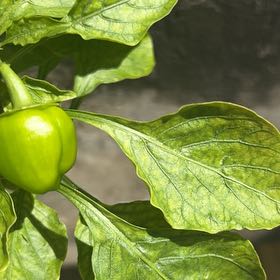
Pepper Plant

How to Prune Bell Pepper

Capsicum annuum
Reviewed by Kiersten Rankel M.S.
Quick Answer
Prune bell peppers in early summer once plants are 12 to 18 inches tall and have several sets of true leaves. Focus on removing the earliest flower buds and any suckers growing in the main branch crotches. Never remove more than about a third of the foliage at once, or you risk sunscalding the developing fruit.

When is the best time to prune?

Because bell peppers are warm-season annuals, your pruning window depends on when you transplant outdoors, which varies by region and last frost date.

US pruning regions map
Pacific
May–Jul
Mountain
Jun–Aug
Midwest
Jun–Aug
Northeast
Jun–Aug
Southeast
May–Jul
Stay on top of plant care
Get seasonal reminders for watering and fertilizing — personalized for your plants.
Try Greg Free

Why Should I Prune My Bell Pepper?

Bell peppers naturally want to branch and flower as fast as possible, but that early enthusiasm can work against you. When a young plant puts energy into its first few flowers, it diverts resources away from building strong roots and sturdy stems. Pinching off those early blooms lets the plant bulk up first, which means more and bigger peppers later in the season.

Once your plant is well established, light pruning keeps the interior open so air can circulate. Good airflow reduces the chance of fungal problems like leaf spot, which bell peppers are prone to in humid weather. It also lets sunlight reach more of the lower leaves, helping the plant produce energy more efficiently.

The main targets are suckers, which are small shoots that sprout in the V-shaped crotch where a branch meets the main stem. Removing a few of these directs the plant's energy toward fewer but larger fruit. You do not need to be aggressive about it. Taking out every sucker can actually reduce your harvest because bell peppers fruit on their side branches.

Avoid heavy pruning once fruit has set. The leaves above each pepper act as a sunshade, and removing too many exposes the fruit to sunscald, which shows up as pale, papery patches on the skin.

Know Before You Cut

Difficulty Easy
Max removal 1/3 of foliage per session
Growth pattern Upright branching annual
Tools Clean fingers or small pruners

What Should I Remove?

Early flower buds on young plants under 12 inches
Suckers in the main branch crotches
Yellowing or spotted lower leaves
Broken or damaged stems
Branches dragging on the ground
Leaves shading developing fruit
The growing tip of the main stem
More than a third of the plant at once

How Do I Prune Step by Step?

1
Wait for the right size
Let the plant reach 12 to 18 inches tall with at least 3 to 4 sets of true leaves before you start pruning. Pruning too early stresses a plant that hasn't built enough root mass to recover.
2
Pinch off early flower buds
Use your thumb and forefinger to snap off any flower buds that appear before the plant is well branched. This redirects energy into vegetative growth and pays off with a bigger harvest later.
3
Remove select suckers
Look for small shoots growing in the V where a side branch meets the main stem. Pinch out a few of the lowest ones to open up the base of the plant. Leave the upper suckers alone since they will produce fruit.
4
Trim damaged or yellowing leaves
Pull off any leaves that are yellow, spotted, or touching the soil. These are entry points for disease. Snap them off cleanly at the stem rather than tearing.
5
Check weekly through the season
Bell peppers grow fast in warm weather. Walk through your plants once a week and pinch out any new suckers at the base or dead leaves. A little bit of maintenance each week is better than one heavy pruning.

Got More Questions?

Should I top my bell pepper plant?
Topping, which means cutting off the main growing tip, can encourage bushier growth but is not necessary for bell peppers. If your plant is getting leggy and tall without branching, you can pinch the top once. Otherwise, leave it alone and let the plant branch naturally.
What happens if I prune too much off my pepper plant?
If you remove too many leaves, the remaining fruit can get sunscald from direct exposure. The plant may also slow down fruit production while it regrows foliage. It will usually recover within a few weeks, but you will lose some harvest time.
Can I prune bell peppers growing in containers?
Yes, and container peppers often benefit more from pruning because they have limited root space. Focus on removing the earliest flowers and keeping the lower canopy open. Container plants are more prone to fungal issues from poor airflow.
Do I need to prune bell peppers differently from hot peppers?
The technique is the same, but hot peppers tend to branch more aggressively on their own. Bell peppers benefit more from early flower removal because their large fruit size demands more energy per pepper.
Is it too late to prune my bell pepper if it already has fruit?
You can still remove yellowing leaves and low suckers, but avoid any heavy pruning once fruit is developing. The leaves above each pepper protect it from sun damage, so leave them in place.
Stay on top of plant care
Get seasonal reminders for watering and fertilizing — personalized for your plants.
Try Greg Free

About This Article

Kiersten Rankel M.S.
Botanical Data Lead at Greg · Plant Scientist
About the Author
Kiersten Rankel holds an M.S. in Ecology & Evolutionary Biology from Tulane University. A certified Louisiana Master Naturalist, she has over a decade of experience in science communication, with research spanning corals, cypress trees, marsh grasses, and more. At Greg, she curates species data and verifies care recommendations against botanical research.
See Kiersten Rankel's full background on LinkedIn.
Editorial Process
Pruning guidance verified against Capsicum annuum growth data from Greg's botanical database, cross-referenced with USDA hardiness zone data and published horticultural research.
13,348+ Greg users growing this plant
USDA hardiness zones 9a–11b
Citations:
NC State Extension
Grow plants with confidence