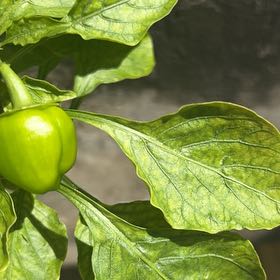
🌢️ Determining What Might Be Eating Your Chili Pepper

Capsicum annuum

By the Greg Editorial Team

Oct 11, 20247 min read

This article was created with the help of AI so we can cover more plants for you. May contain errors. See one? Report it here.

Safeguard your chili peppers from hungry critters with these savvy strategies for a bountiful harvest! 🌱

  1. 🌢️🐾 Chili peppers attract various herbivores like deer, rabbits, and squirrels due to their appeal.
  2. 🚫🌿 Effective deterrents include repellents, fencing, and companion planting to protect your plants.
  3. πŸ”πŸŒ± Regular monitoring helps catch animal activity early, ensuring timely intervention for your garden.

Most Appealing Parts to Animals

Description of Appearance 🌢️

Chili peppers are a feast for the eyes, showcasing vibrant fruits that transition from lush green to fiery red. This color variation not only attracts gardeners but also draws in a variety of animals eager to snack on these colorful delights.

The flowers of chili plants are equally captivating, with shapes and hues designed to entice pollinators. Their bright colors and alluring scents create a visual and aromatic buffet that is hard for creatures to resist.

Young shoots are another target, offering soft, tender leaves that are easily accessible for herbivores. These fresh greens are like a salad bar for hungry critters, making them a prime focus for plant-eating animals.

Understanding what makes chili peppers so appealing can help you protect your garden. By recognizing these attractive features, you can implement strategies to deter the animals that find them irresistible.

Next, let’s explore the common herbivores that might be munching on your chili peppers.

Common Herbivores Affecting Chili Pepper

🦌 Deer

Signs of Presence and Damage Caused

Deer can be a gardener's nightmare. Look for hoof prints in the soil and evidence of browsing, where leaves and fruits are stripped from your plants.

Beneficial vs. Harmful Interactions

While they might seem majestic, deer are generally harmful. They can decimate your chili pepper plants in no time.

Deterrent Methods

To keep deer at bay, consider using commercial deer repellents. Alternatively, planting strong-smelling herbs like lavender can act as a natural deterrent.

πŸ‡ Rabbits

Signs of Presence and Damage Caused

Rabbits leave behind small, round droppings near your plants. You might also notice clean cuts on young stems where they've been munching.

Beneficial vs. Harmful Interactions

Rabbits are generally harmful to your garden. Their feeding habits can severely stunt the growth of your chili peppers.

Deterrent Methods

For an easy fix, try bitter-tasting sprays to deter rabbits. Fencing or using predator urine can also help keep them away.

🐿️ Squirrels

Signs of Presence and Damage Caused

Squirrels can cause noticeable damage, too. Look for scratching on the bark of stems and missing fruits that were taken before they ripened.

Beneficial vs. Harmful Interactions

These furry critters are generally harmful. Their antics can lead to reduced yields in your chili pepper harvest.

Deterrent Methods

Capsaicin-based sprays can deter squirrels effectively. Installing squirrel-proof feeders can also keep them from raiding your garden.

🐦 Birds

Signs of Presence and Damage Caused

Birds can be both friends and foes. Peck marks on fruits and flowers, along with nearby nests, indicate their frequent visits.

Beneficial vs. Harmful Interactions

Birds have a mixed impact. While some help with pollination, others can damage your fruits.

Deterrent Methods

Non-toxic bird repellents can help protect your plants. Scare tactics, like using reflective tape, can also be effective.

🐭 Rodents

Signs of Presence and Damage Caused

Rodents can wreak havoc in your garden. Look for tunnels near plant roots and gnaw marks on stems and roots.

Beneficial vs. Harmful Interactions

Rodents are generally harmful. They can cause significant damage to your chili pepper plants.

Deterrent Methods

For a more challenging situation, consider using rodent bait stations. Traps and natural repellents, like peppermint oil, can also be effective.

🦑 Groundhogs

Signs of Presence and Damage Caused

Groundhogs leave large burrows near your garden beds. Their grazing can lead to significant loss of foliage and fruits.

Beneficial vs. Harmful Interactions

These animals are generally harmful. They can destroy entire plants if left unchecked.

Deterrent Methods

Commercial repellents can help deter groundhogs. Fencing or motion-activated sprinklers are also effective organic methods to keep them away.

Understanding these common herbivores and their interactions with your chili pepper plants is crucial. With the right deterrent methods, you can protect your garden and enjoy a bountiful harvest.

Beneficial Animals and Ecosystem Impact

🐝 Description of Beneficial Animals

In your garden, beneficial animals play a crucial role. Pollinators like bees and butterflies are essential for enhancing fruit production, ensuring your chili peppers thrive.

Predatory insects, such as ladybugs and lacewings, help control pest populations. They feast on aphids and other harmful bugs, keeping your plants healthy and vibrant.

🌱 Positive Impacts on the Garden Ecosystem

The presence of these beneficial creatures leads to increased pollination rates. This results in better yields, meaning more delicious chili peppers for you to enjoy.

Additionally, natural pest control reduces the need for chemical interventions. By fostering a healthy ecosystem, you can cultivate a thriving garden while minimizing your environmental footprint.

Understanding and appreciating these beneficial animals can transform your gardening experience. They not only support your plants but also contribute to a balanced and sustainable environment.

As you nurture your garden, consider how to attract these helpful allies. This sets the stage for a flourishing ecosystem, leading us to explore general strategies for protection against potential threats to your chili peppers.

General Strategies for Protection

πŸ›‘οΈ Preventive Measures

Fencing is one of the most effective ways to keep larger herbivores at bay. A sturdy barrier can deter deer, rabbits, and groundhogs from munching on your precious chili peppers.

Companion planting is another smart strategy. By incorporating plants that repel pests or attract beneficial insects, you create a natural defense system around your garden.

⚠️ Reactive Solutions

Regular monitoring is crucial for catching signs of animal activity early. A quick walk through your garden can reveal droppings, chewed leaves, or other telltale signs.

When you notice damage, act fast. Implementing deterrents immediately can save your plants from further harm.

🌱 Balancing Ecosystem Health

Understanding the role of herbivores in the ecosystem is essential. While they can be destructive, they also contribute to the natural balance.

Using integrated pest management strategies allows you to protect your garden while maintaining a healthy ecosystem. This balanced approach ensures that beneficial insects thrive alongside your chili peppers.

Seasonal Considerations

🌱 Seasonal Variations in Attraction

Spring is a vibrant time for chili pepper plants. As young shoots emerge, they attract a variety of herbivores eager for fresh greens.

By late summer, feeding activity peaks. Many animals, drawn by the ripening fruits, can wreak havoc on your garden.

⏰ Timing of Plant Vulnerability

Young plants are particularly vulnerable during their early growth stages. Their tender leaves and fruits are irresistible to hungry critters.

Mature plants, while less attractive, still face threats from certain pests. It's crucial to stay vigilant throughout the growing season to protect your harvest.

Understanding these seasonal dynamics can help you anticipate and mitigate potential damage. With the right strategies, you can enjoy a thriving chili pepper garden year-round.

Toxicity and Animal Interactions

🌢️ Toxic Effects on Animals

Capsaicin is the active compound in chili peppers that gives them their heat. This fiery substance serves as a natural deterrent for many herbivores, making them think twice before munching on your precious plants.

🐾 Implications for Interactions

Understanding how capsaicin affects different animals can help you manage your garden effectively. While some creatures may be repelled by the heat, others might not be as sensitive, leading to varied interactions with your chili peppers.

By recognizing these dynamics, you can tailor your approach to protect your plants while fostering a balanced ecosystem. This knowledge empowers you to create a thriving garden that not only produces delicious peppers but also supports beneficial wildlife.

As you explore these interactions, consider how you can use capsaicin strategically in your gardening practices. This insight will guide you in maintaining a healthy garden environment while minimizing damage from herbivores.

With this understanding of toxicity and animal interactions, you're better equipped to navigate the challenges of gardening. Next, let’s delve into the general strategies for protecting your chili pepper plants from unwanted visitors.

⚠️ Safety First

This content is for general information and may contain errors, omissions, or outdated details. It is not medical, veterinary advice, or an endorsement of therapeutic claims.

Always consult a qualified healthcare professional before using any plant as food, medicine, or supplement.

Never eat any plant (or feed one to pets) without confirming its identity with at least two trusted sources.

If you suspect poisoning, call Poison Control (800) 222-1222, the Pet Poison Helpline (800) 213-6680, or your local emergency service immediately.

Spotted an error? Please report it here.

Safeguard your chili peppers from pesky herbivores 🌢️ with Greg's tailored pest alerts and effective deterrent strategies for a flourishing garden!