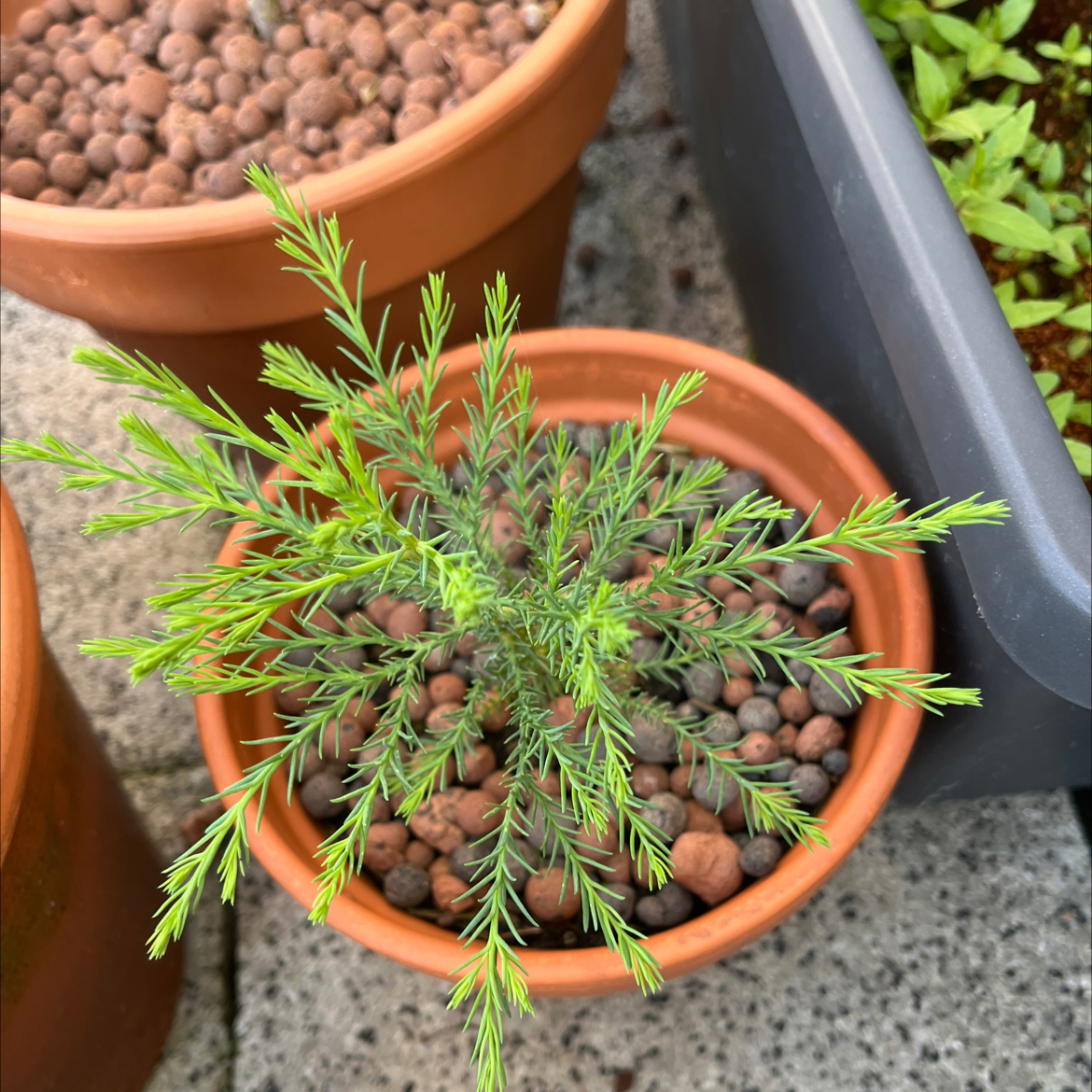
How to Fertilize Giant Sequoia
When Should I Start Feeding My Giant Sequoia?
Giant Sequoia begins its spring growth flush when soil temperatures rise above 45°F, which varies significantly between its milder Pacific range and the colder Mountain and Northeast regions where it can survive.


How Often Should I Fertilize My Giant Sequoia?
For young trees under five years old, fertilize once a year in early spring as new growth begins. That single application is enough. Giant Sequoia grows steadily but is not a heavy feeder.
Container-grown Giant Sequoias should receive one spring feeding per year for as long as they remain in pots. Nutrients leach out of containers more quickly than from ground soil.
Mature, in-ground trees do not need fertilizer. If growth seems unusually slow or needles look pale, a soil test can reveal whether a specific nutrient is deficient. Over-fertilizing a mature sequoia is wasteful and can actually harm soil biology around the roots.
What Is the Best Fertilizer for Giant Sequoia?
Giant Sequoia is native to the western slopes of the Sierra Nevada, where it grows in mineral-rich, well-drained granitic soils. In cultivation, a balanced slow-release granular fertilizer like 10-10-10 or a tree-and-shrub formula supports steady growth without overwhelming the roots.
For young trees in their first few years, a single spring application of slow-release granules is ideal. Avoid high-nitrogen formulas that push fast, soft growth, which is more vulnerable to cold damage in this species' hardiness range (zones 6a-8b).
Once a Giant Sequoia is well-established in the ground (typically after 3-5 years), it rarely needs supplemental fertilizer. Its deep root system reaches nutrients that shorter-rooted plants cannot access.
How Do I Fertilize My Giant Sequoia?
Got More Questions?
About This Article
