Plant Care
›
Propagation
›
Giant Sequoia
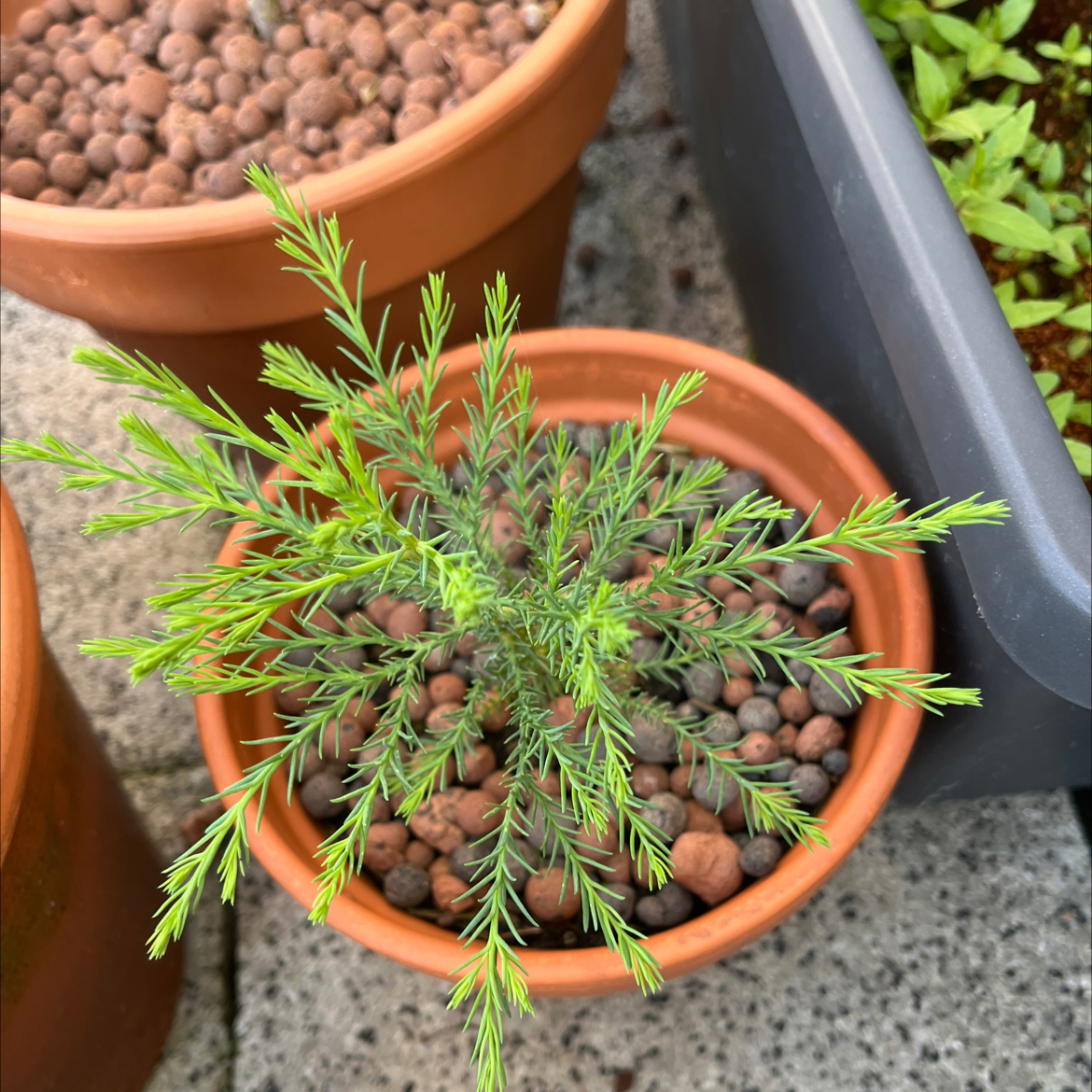
Sequoiadendron giganteum
Reviewed by Kiersten Rankel M.S.
QUICK ANSWER
Seed propagation is the standard home method and produces a sprout in 4 to 8 weeks after a 30 day cold stratification. Semi hardwood cuttings root in 12 to 16 weeks under a humidity dome and let you clone a tree with known traits.
Giant sequoia does not divide and does not root from softwood cuttings reliably, so seed and semi hardwood cuttings are the only viable home methods.
Giant sequoia does not divide and does not root from softwood cuttings reliably, so seed and semi hardwood cuttings are the only viable home methods.
Stay on top of plant care
Get seasonal reminders for watering and fertilizing, personalized for your plants.
Try Greg Free
Pick your method
Tap one to jump to the walkthrough.
From seed
Best for the standard home method
Semi hardwood cuttings
Best for cloning a tree with known traits
From seed
Time
4–8 weeks
Level
Beginner
Success rate
Moderate
You'll need
Fresh giant sequoia seeds
Sandwich bag with damp peat moss
Refrigerator at 35 to 41 degrees
Seed starting tray with drainage
Light seed starting mix with perlite
1
Source fresh seeds
Buy from a reputable conifer nursery or collect cones from a known tree in late summer. Cones must be dried at room temperature for several weeks before they release seeds. Each cone holds 200 plus seeds but only a small percent are viable.
2
Cold stratify for 30 days
Mix seeds with damp peat moss in a sandwich bag. Refrigerate at 35 to 41 degrees for 30 to 60 days. The cold period mimics a Sierra Nevada winter and breaks the seed's natural dormancy.
Without stratification, germination drops well below 10 percent.
Without stratification, germination drops well below 10 percent.
3
Sow shallowly
Fill a seed tray with light starting mix amended with extra perlite for drainage. Press seeds onto the surface and cover with just an eighth inch of mix. Giant sequoia seeds need light to germinate, so do not bury them deep.
4
Keep cool and moist
Set the tray in bright indirect light at 60 to 70 degrees. Cooler temperatures match the species' natural conditions better than typical houseplant warmth. Mist the surface daily to keep it evenly moist.
5
Watch for sprouts
Germination takes 4 to 8 weeks with viable seed. The first sprouts have two needle like cotyledons followed by short juvenile foliage. Expect roughly 10 to 30 percent of seeds to germinate even with stratification.
6
Pot up at 3 inches
When seedlings reach 3 inches tall and have several whorls of needles, lift gently with a fork and pot individually into 4 inch pots with potting mix. Keep outdoors in dappled shade through the first summer, then move to morning sun.
WATCH FOR
Seedlings flop over at the soil line within days of germinating. This is damping off from a fungal infection in too wet conditions. Increase airflow with a small fan, let the surface dry between mistings, and water from below.
Semi hardwood cuttings
Time
12–16 weeks
Level
Advanced
Success rate
Low
You'll need
Sterile bypass pruners
Rooting hormone with IBA (required)
Deep nursery pots or root trainers
Coarse perlite and pine bark mix
Clear humidity dome or plastic bag
1
Cut in late summer
Take 4 to 6 inch tip cuttings in August or September from current season growth that has firmed up at the base. Cuttings from young trees under 20 years old root much better than cuttings from mature giants. Each cutting should have firm wood at the bottom and green growth at the tip.
2
Strip lower needles
Remove the needles from the bottom two inches of the cutting by stripping downward with your fingers. Leave the needles intact on the upper portion. Bare wood at the base is what makes contact with the rooting medium.
3
Dip in rooting hormone
Wet the bottom inch and dip generously into IBA rooting powder. Conifers root reluctantly and IBA is essential for any meaningful success. Use a higher strength powder formulated for woody cuttings if available.
4
Stick into the medium
Push each cutting two inches deep into a deep pot of moist perlite and pine bark mix. Firm the medium around the stem so the cutting stands upright. Water once until it drains.
Deep pots matter because giant sequoia pushes long roots fast once it does root.
Deep pots matter because giant sequoia pushes long roots fast once it does root.
5
Cover and keep cool
Place a clear dome over the pot to maintain high humidity. Set in bright indirect light at 60 to 70 degrees, cooler than typical cuttings prefer. Lift the cover for ten minutes daily to refresh the air.
6
Test for roots at 12 weeks
Give a gentle tug. Resistance means roots have formed. Expect a success rate of 20 to 40 percent even with hormone and ideal conditions. Remove the dome over two weeks to harden off, then move outside in dappled shade.
WATCH FOR
Cuttings turn brown from the base upward and the needles fall off. The cutting failed to root and the wood is dying back. Sequoia cuttings give little warning before failing, so check the base of each cutting weekly and remove any that have softened or turned dark.
Stay on top of plant care
Get seasonal reminders for watering and fertilizing, personalized for your plants.
Try Greg Free
About This Article

Kiersten Rankel M.S.
Botanical Data Lead at Greg · Plant Scientist
Editorial Process
Propagation methods verified against Sequoiadendron giganteum growth data from Greg's botanical database, cross-referenced with USDA hardiness zone data and published horticultural research.
239+ Greg users growing this plant
USDA hardiness zones 6a–8b