


Giant Hens and Chicks
About Giant Hens and Chicks
There are hundreds of plants belonging to the Echeveria genus, each with its own unique colors and patterns.The wild species are native to Central America and were named after the botanical illustrator Atanasio Echeverría y Godoy. They're super easy to grow as long as they get lots of sunlight. ☀️ They can be easily propagated by stem or leaf, making it easy to catch 'em all!
Taxonomy

Echeveria gigantea
Echeveria
Crassulaceae
Saxifragales

How to care for Giant Hens and Chicks
How often to water your Giant Hens and Chicks

every 12
Giant Hens and Chicks needs 0.5 cups of water every 12 when it doesn’t get direct sunlight and is potted in a 5" pot.
Use our water calculator to personalize watering recommendations to your environment or download Greg for more advanced recommendations for all of your plants.

Water 0.5 cups every
12
Finding light for Giant Hens and Chicks in your home

a window
Giant Hens and Chicks love being close to bright, sunny windows 😎.
Place it less than 1ft from a south-facing window to maximize the potential for growth.
Giant Hens and Chicks does not tolerate low-light 🚫.
Select your region to see how the current weather in your area affects the placement of Giant Hens and Chicks in your home 🏡.
How to fertilize Giant Hens and Chicks

Most potting soils come with ample nutrients which plants use to produce new growth.
By the time your plant has depleted the nutrients in its soil it’s likely grown enough to need a larger pot anyway.
To replenish this plant's nutrients, repot your Giant Hens and Chicks after it doubles in size or once a year—whichever comes first.
-
My plant has some leaves that feel squishy and filled with water, i know this is caused by giving it too much water but does anyone know any tips to treating it? #Echeveria
-
Why do the leaves seem to be drying out/dying? She's a couple feet from a northeast facing window. #Echeveria
-
So I missed an entire week of work and it was the week I needed to water my babies. They probably went without light most days. They don't get much natural light because I'm not near a window at work. #Echeveria
-
Hmmmm, do I separate these three? The big one is clearly feisty. #Echeveria
-
<3 #HappyPlants #Echeveria
-
This is typically how far my plants are away from my windows...too far? too close? Just want to make sure I'm giving the right amount of light. #echeveria #haworthia #happyplants #plantsmakepeoplehappy
-
Another one of my #EcheveriaLola 💖 this one got etiolated because it was my first #Echeveria ever, and at the time I didn’t understand just HOW much light they need! Lol! (Just to be clear, I do know now and I have dozens of happy succulents under very bright lights 😊) So I did a chop and prop. The original head is happily growing new roots in a tiny terracotta pot, and this one grew 4 new heads. #Succulents are so fascinating! And this one is now my favorite; it’s gorgeous from every angle! #HappyPlants #NewGrowth #PropagationStation #ChopAndProp #SucculentSquad #SucculentLove #Succulent #WhatTheSucc #PlantAddict #babevila
-
Raindrop She has changed color but is this normal she not thirsty so idk where yellow green came from but no droppy petals nothing just changing color, first day to know she has way more color #echeveria #raindrop
-
Morning Beauty Update Her blooms are opening!! #happyplants #plantsmakepeoplehappy #plantaddict #succulentsquad #succulentlove #echeveria
-
How do you propagate an Echeveria?? #SucculentSquad #Echeveria #PropagationStation #GregGang #Echeveria


Care Summary for Giant Hens and Chicks

Giant Hens and Chicks
 Greg recommends:
 Water
Water
0.5 cups every 12 days
 Placement
< 1ft from a window
 Nutrients
Repot after 2x growth
Based on the 4” pot your plant is in, and that it doesn’t get direct sunlight.
 Trending in your area

Purple Heart
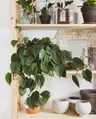
Heartleaf Philodendron

Zebra Plant
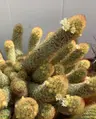
Lady Finger Cactus

String of Buttons

Moon Cactus

Painter's Palette

Golden Barrel Cactus
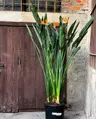
Bird of Paradise

Polka Dot Begonia

Emerald Ripple Pepero…

Blue-Stem Yucca
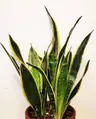
Snake Plant
Heart of Jesus

Chinese Money Plant

Lucky Bamboo

Small-Leaf Spiderwort

String of Hearts
 Similar to Giant Hens and Chicks


✨ Discover rare plants

Munstead Lavender

Dinteranthus microspe…

Radiator Plant

Scotch Moss

Begonia hydrocotylifo…

Croton Nervia

Bonsai Crassula

Aloe 'Lavender Star'

Burro's Tail

Electric Blue Gecko

Chinese Evergreen 'Go…

Scindapsus pictus 'Si…

Tillandsia caerulea A…

Vatricania guentheri

Stomatium acutifolium

Hoya fitchii

Aglaonema 'Green Bowl'
