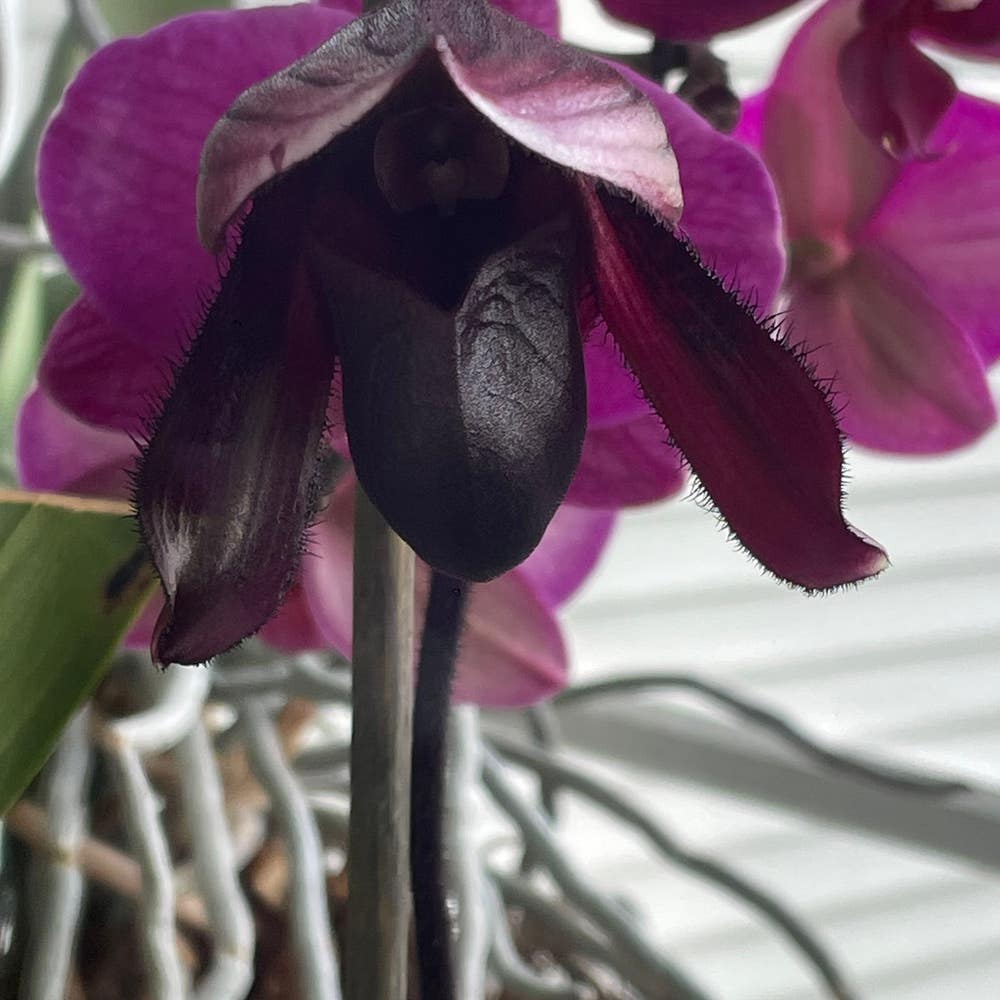
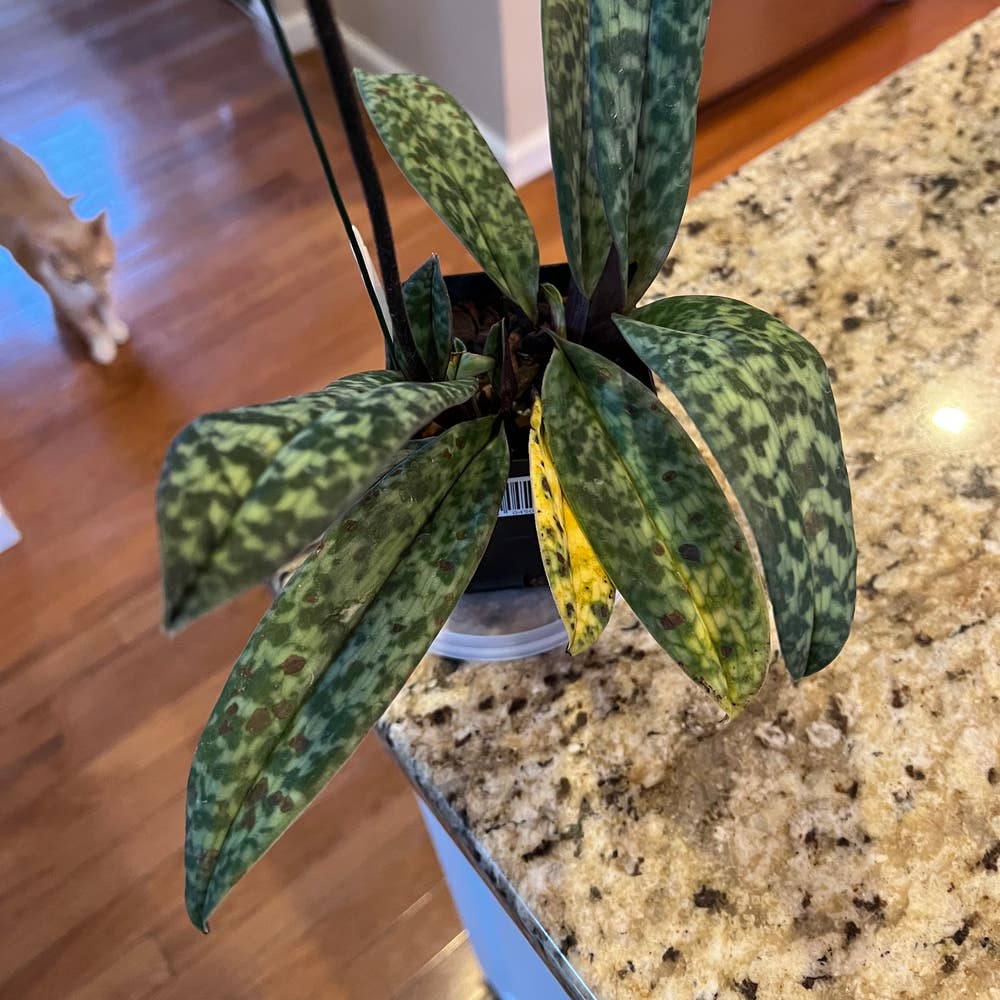
🌸 Ultimate Guide to Philippine Paphiopedilum 'Palawanense'
Paphiopedilum philippinense 'Palawanense'
By the Greg Editorial Team
Feb 03, 2025•10 min read
This article was created with the help of AI so we can cover more plants for you. May contain errors. See one? Report it here.
Discover how to cultivate the stunning Philippine Paphiopedilum 'Palawanense' orchid for beauty and well-being! 🌺
- 🌱 Philippine Paphiopedilum 'Palawanense' thrives in humid, filtered light environments.
- 💧 Consistent watering and well-draining soil are crucial for healthy root development.
- 🌼 Regular pruning and fertilizing enhance growth and flowering in this beautiful orchid.
How to Grow
Choosing a Location 🌴
To thrive, the Philippine Paphiopedilum 'Palawanense' needs a humid, tropical environment with filtered light. When deciding between indoor and outdoor settings, consider temperature control and humidity levels to ensure optimal growth.
Soil Preparation 🌱
For soil, a well-draining media is essential. A mix of bark, perlite, and sphagnum moss works best, while maintaining a slightly acidic to neutral pH (6.0 to 7.0) is crucial for healthy roots.
Planting Techniques 🌼
When selecting a container, always choose pots with drainage holes to prevent waterlogging. Ensure that the crown of the plant is above the soil line during planting to promote healthy growth.
Watering Requirements 💧
Keep the growing media consistently moist but avoid sogginess to prevent root rot. Using distilled or rainwater is recommended to avoid mineral buildup that can harm the plant.
Fertilizing Schedule 🌿
A balanced orchid fertilizer, such as a 30-10-10 mix, diluted to half strength, is ideal. Fertilize every 2-4 weeks during the growing season to support robust growth.
Pruning and Ongoing Care ✂️
Regularly prune dead or yellowing leaves and spent flowers to encourage new growth. Additionally, monitor humidity and temperature to create a stable environment for your plant.
Outdoor vs. Container Growing 🌍
Container growing offers the advantage of mobility and controlled conditions, making it easier to manage your plant's needs. Conversely, outdoor growing requires careful consideration of climate and protection from pests to ensure the plant thrives.
With these guidelines, you're well on your way to successfully growing the stunning Philippine Paphiopedilum 'Palawanense'. Next, let’s delve into the fascinating world of propagation techniques for this unique orchid.
Propagation
🌱 Seed Propagation
Seed propagation of the Philippine Paphiopedilum 'Palawanense' is a meticulous process. It requires sterile conditions and specific media to ensure successful germination.
Germination can take anywhere from 6 to 12 months, so patience is key. This method is ideal for those looking to cultivate new plants from scratch.
✂️ Division Propagation
Division propagation is a straightforward technique that works best during repotting in spring. This is when the plant is most active and can recover quickly.
To divide, carefully separate clumps while avoiding damage to the roots. This method not only increases your plant collection but also promotes healthier growth.
🧪 Tissue Culture Methods
Tissue culture is an advanced method for mass propagation, perfect for those looking to produce multiple plants efficiently.
This technique requires a sterile environment and growth hormones to stimulate development. While it may seem complex, it offers a reliable way to propagate your orchids on a larger scale.
With these propagation methods, you can expand your collection of Paphiopedilum 'Palawanense' and share the beauty of these unique orchids with others. Next, let’s explore the lifecycle of this fascinating plant and what to expect as it grows.
Lifecycle
Lifecycle Stages 🌱
The lifecycle of the Philippine Paphiopedilum 'Palawanense' is a fascinating journey that unfolds in distinct stages. It begins with germination, where seeds sprout and develop into seedlings, followed by vegetative growth, flowering, and ultimately seed production.
Lifespan and Growth Rate ⏳
With proper care, these orchids can thrive for several years, showcasing their resilience and beauty. They typically reach full maturity in about 2-3 years, making them a rewarding addition to any collection.
Summary 📚
Understanding the lifecycle of this orchid not only enhances your gardening experience but also deepens your appreciation for its growth journey. As you nurture your Paphiopedilum, you'll witness the magic of nature unfold right before your eyes.
Next, let’s explore the size characteristics of this stunning plant.
Size
Mature Height and Spread 🌱
The Philippine Paphiopedilum 'Palawanense' typically reaches a height of 12 to 18 inches and spreads about 12 to 15 inches wide. This compact size makes it an excellent choice for both indoor and outdoor gardens.
Growth Rate and Size Variability 📈
Several factors influence the size of your Paphiopedilum. Light, water, and nutrient availability play crucial roles in determining how quickly and robustly your plant will grow.
In optimal conditions, you can expect moderate growth, with the plant fully maturing in about 2 to 3 years. Adjusting care practices can lead to variations in size, so keep an eye on your plant's environment for the best results.
Understanding these growth dynamics will help you create the perfect conditions for your Paphiopedilum to thrive. Now that you know about its size, let’s explore how to propagate this beautiful orchid.
Roots
🌱 Root System Characteristics
The Philippine Paphiopedilum 'Palawanense' features a fibrous root system that plays a crucial role in moisture absorption. This structure allows the plant to thrive in its humid, tropical environment.
⚠️ Common Root-Related Issues
One of the most common problems is root rot, often caused by overwatering. Signs of this issue include mushy roots that lack firmness.
Healthy roots should appear firm and have a white or light tan color. If you notice roots growing out of drainage holes or circling the pot, your plant may be rootbound, indicating it's time for repotting.
Understanding these root characteristics and potential issues is essential for maintaining a healthy Paphiopedilum. By keeping an eye on root health, you can ensure your plant flourishes beautifully.
Next, let's explore the benefits of growing this stunning orchid.
Benefits
Aesthetic Appeal 🌺
The Philippine Paphiopedilum 'Palawanense' is a stunning addition to any space. Its unique flower structure captivates the eye and adds a touch of elegance to your home or garden.
Cultural Significance 🎭
In local traditions, this orchid symbolizes beauty and grace. It holds a special place in folklore, often representing love and admiration.
Air Purification 🌬️
Beyond its beauty, this orchid contributes to improved indoor air quality. It helps filter out toxins, making your living environment healthier.
Biodiversity Contribution 🌍
Growing Paphiopedilum 'Palawanense' supports local ecosystems. By cultivating this orchid, you contribute to biodiversity and help sustain the natural habitat.
Therapeutic Benefits 🧘♀️
Gardening with this orchid can enhance your mental well-being. Engaging with plants promotes relaxation and reduces stress, making it a rewarding hobby.
Incorporating the Philippine Paphiopedilum 'Palawanense' into your life not only beautifies your surroundings but also enriches your mental and physical environment. Next, let’s explore the best companion plants to pair with this stunning orchid for an even more vibrant garden.
Companion Plants
🌱 Concept of Companion Planting
Companion planting is a gardening technique that enhances biodiversity and pest management. By strategically placing plants together, you can create a more resilient garden ecosystem.
🌼 Best Companion Plants
When growing your Philippine Paphiopedilum 'Palawanense', consider pairing it with other orchids, ferns, and tropical plants. These companions thrive in similar conditions, promoting a harmonious growth environment.
🚫 Plants to Avoid
Be cautious of plants with aggressive growth habits that compete for nutrients. Avoiding these will help your Paphiopedilum flourish without unnecessary stress.
Incorporating the right companions can elevate your gardening experience, making it not just about aesthetics but also about creating a thriving ecosystem. As you plan your garden, think about how these relationships can benefit your plants and your overall gardening success.
Toxicity to Humans
The Philippine Paphiopedilum 'Palawanense' is generally safe for humans. Major poison control centers do not list it as toxic.
However, it's wise to be cautious. Ingesting large quantities may lead to mild skin irritation or digestive discomfort.
Always consult a medical professional if you experience unusual symptoms after contact. Staying informed helps ensure a safe and enjoyable gardening experience.
As you explore the beauty of this orchid, remember that knowledge is your best ally in nurturing both plants and well-being.
Toxicity to Dogs
When it comes to the Philippine Paphiopedilum 'Palawanense', you can breathe easy. This beautiful orchid is not listed as toxic by major pet poison control centers.
However, it's wise to keep an eye on your furry friends. While the plant isn't harmful, excessive consumption might lead to mild gastrointestinal upset.
🌿 Proper Placement
To ensure your dog's safety, place the orchid out of reach. Regularly monitor their behavior around the plant to prevent any potential nibbling.
By taking these simple precautions, you can enjoy your stunning orchid without worry. Now, let’s explore how to tackle common problems that may arise while caring for your Paphiopedilum.
Toxicity to Cats
The Philippine Paphiopedilum 'Palawanense' is not considered toxic by major pet poison control centers. This means you can enjoy its beauty without worrying about your feline friends facing serious health risks.
However, it's important to note that excessive consumption may lead to mild gastrointestinal upset. Keep an eye on your cat's behavior, and if they seem overly interested in nibbling on your orchid, gently discourage this habit.
Proper placement of your plant is key. Position it where your cat can't easily reach it, ensuring both your plant and pet remain safe and happy.
Problems
🌱 Common Problems Faced
Growing the Philippine Paphiopedilum 'Palawanense' can be rewarding, but it comes with its challenges. One of the most common issues is incorrect watering, which can lead to significant problems.
💧 Incorrect Watering
Overwatering or underwatering can manifest in various ways. Signs of overwatering include mushy roots and a general decline in plant health, while underwatering may cause wilting and dry leaves.
🍂 Yellowing Leaves
Another frequent issue is yellowing leaves. This often indicates overwatering or poor drainage, signaling that your plant isn't getting the care it needs.
🛠️ Solutions
To tackle these problems, adjust your watering schedule based on the plant's needs. Improving drainage is also crucial; consider using a well-draining soil mix to help prevent waterlogging.
🤔 Final Thoughts
By staying vigilant and responsive to your plant's signals, you can maintain a healthy Paphiopedilum 'Palawanense'. Next, let’s explore the pest issues that can affect your orchid's health.
Bugs
🐛 Potential Pest Issues
When growing the Philippine Paphiopedilum 'Palawanense', it's essential to be aware of potential pest issues that can affect your plant's health. While these orchids are relatively resilient, they can still fall prey to common pests.
🐜 Common Pests
- Spider Mites: These tiny pests thrive in dry conditions, often leading to stippled leaves and webbing on the plant.
- Mealybugs: Recognizable by their cotton-like appearance, mealybugs can weaken your plant by sucking its sap.
- Aphids: These small, soft-bodied insects can cause distortion in new growth and may lead to sticky residue on leaves.
🧪 Treatment Options
To combat these pests, consider both organic and chemical treatments.
- Insecticidal Soap: This is a gentle yet effective option that targets soft-bodied insects without harming your plant.
- Neem Oil: A natural pesticide that disrupts the life cycle of pests, neem oil is a great choice for maintaining plant health.
Regular monitoring and prompt action can keep your Paphiopedilum thriving. Remember, a healthy plant is less susceptible to pests, so focus on providing optimal growing conditions.
💭 Final Thoughts
By staying vigilant and employing effective pest management strategies, you can enjoy the beauty of your Philippine Paphiopedilum 'Palawanense' without the worry of pest infestations. Next, let’s explore what animals might pose a threat to your precious orchids.
What Eats
Common Animals That May Eat or Damage 🦌
When growing your Philippine Paphiopedilum 'Palawanense', be aware of potential threats from local wildlife. Deer, rabbits, and squirrels are known to nibble on these beautiful orchids, causing significant damage.
Signs of Animal Presence 🐾
Identifying signs of animal activity can help you protect your plants. Look for tracks, droppings, and chewed leaves, which indicate that your orchids are being targeted.
Damage Description 💔
The damage caused by these animals can be quite detrimental. Browsing on leaves and flowers not only affects the plant's appearance but can also lead to stunted growth, impacting its overall health.
Deterrent Methods 🚫
To safeguard your orchids, consider implementing a few deterrent methods. Chemical repellents can be effective, and physical barriers, such as fencing or netting, can provide additional protection against these hungry intruders.
By staying vigilant and taking proactive measures, you can enjoy the beauty of your Paphiopedilum 'Palawanense' without the worry of wildlife damage. Next, let's explore the common problems faced when caring for these stunning orchids.
⚠️ Safety First
This content is for general information and may contain errors, omissions, or outdated details. It is not medical, veterinary advice, or an endorsement of therapeutic claims.
Always consult a qualified healthcare professional before using any plant as food, medicine, or supplement.
Never eat any plant (or feed one to pets) without confirming its identity with at least two trusted sources.
If you suspect poisoning, call Poison Control (800) 222-1222, the Pet Poison Helpline (800) 213-6680, or your local emergency service immediately.
Spotted an error? Please report it here.
Nurture your Philippine Paphiopedilum 'Palawanense' to bloom brilliantly 🌺 with Greg's custom watering alerts and expert care tips that keep your orchid thriving!