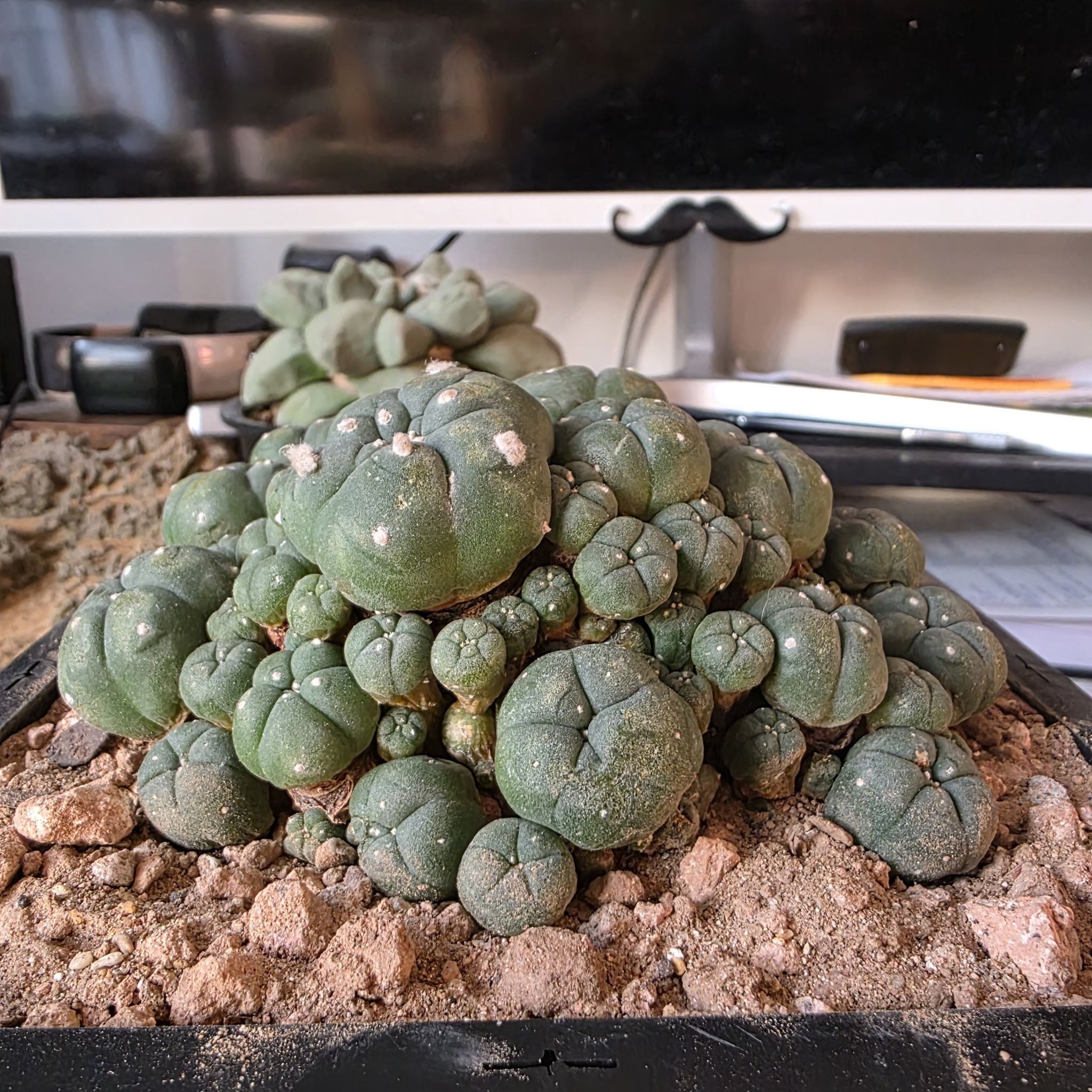
Best Soil for Peyote
What Soil Does Peyote Need?
Peyote grows natively in the Chihuahuan Desert of Mexico and the southwestern United States, often in rocky limestone soils with almost no organic content. It is one of the slowest-growing cacti in the world and is extremely sensitive to overwatering, so the soil must drain almost instantly and stay dry for long periods.
Peyote is adapted to near-soilless conditions in the wild, where roots push into cracks in limestone rock. In cultivation, this means you need a mix that is predominantly mineral, somewhere around 80 percent gritty inorganic material with just enough organic matter to provide minimal nutrients. Standard cactus mix from a garden center is still too rich and moisture-retentive for peyote, so you need to amend it heavily or build your own mix from scratch.
Pumice is the ideal main ingredient because it has excellent drainage, moderate weight to anchor the small plant, and a slightly alkaline mineral profile that matches peyote's native limestone environment. Perlite can substitute for or supplement pumice. Fine gravel or decomposed granite can also be worked in. The small amount of potting soil or cactus mix in the blend provides just enough nutrients to sustain very slow growth over years.
Avoid peat-based mixes entirely. Peat is acidic, which conflicts with peyote's preference for alkaline soil, and it holds too much moisture. Even small amounts of coconut coir or moisture-retaining compost can cause problems. The roots of peyote are thick and tuberous, and once they rot from overly wet conditions they rarely recover.
What Soil Mix Should I Use for My Peyote?

What pH Does My Peyote Need?
Peyote prefers slightly to moderately alkaline soil, ideally between 7.0 and 8.0. This reflects the limestone substrate it grows in naturally. You can check your mix with a pH meter or test strip before potting, since most commercial cactus mixes are formulated closer to neutral and may need adjustment. Adding a small amount of crushed limestone or dolomite to the mix raises pH toward the preferred range.
If pH drops below 6.5, peyote can develop minor nutrient uptake issues over time, though the slow growth rate means symptoms appear gradually. You might notice a slight softening or flattening of the normally rounded stem. Acidic conditions from peat-based mixes are the most common pH mistake with this species.
When Should I Replace My Peyote's Soil?
Peyote grows so slowly that it may stay in the same pot and soil for three to five years or more. Because the mix is mostly mineral, it doesn't break down the way an organic potting mix does. Refresh the soil mainly when repotting, which peyote needs rarely and should be done with great care to avoid damaging the taproot.
If the soil surface develops a white crusty mineral deposit from tap water or fertilizer salts, you can gently scrape it off or flush the pot thoroughly with distilled water. Peyote does best with very occasional, dilute fertilization at most, so salt buildup shouldn't be a major issue if you water sparingly.
How Do I Prepare Garden Soil for Peyote?
Peyote is native to the deserts of the Southwestern United States and Mexico, where it grows in rocky, mineral soil with almost no organic matter. Its thick taproot is extremely sensitive to moisture sitting around it, so sharp drainage is everything.
For clay soil, you will need to heavily amend with coarse sand, crushed granite, and small gravel until the mix feels gritty and drains almost instantly. Sandy soil is a better starting point, but still mix in some gravel and a tiny amount of compost for structure. Plant on a slope or raised mound so water never pools around the root.
Got More Questions?
About This Article
