Paphiopedilum xichouense: A Comprehensive Overview 🌸
Paphiopedilum xichouense
By the Greg Editorial Team
Feb 28, 2025•11 min read
This article was created with the help of AI so we can cover more plants for you. May contain errors. See one? Report it here.
- 🌱 Paphiopedilum xichouense thrives in bright, indirect light and 50-70% humidity.
- 💧 Keep potting media consistently moist; avoid sogginess and dryness for optimal growth.
- 🌼 Regular pruning and monitoring prevent stress and promote healthy growth in this orchid.
How to Grow
Choosing the Right Location 🌞
To thrive, Paphiopedilum xichouense needs bright, indirect light. Aim for a spot that maintains humidity levels between 50-70% and temperatures ranging from 18°C to 30°C (65°F to 86°F) both day and night.
Soil Preparation and Potting Mix 🪴
A well-draining yet moisture-retentive potting mix is crucial. Combine bark, perlite, and sphagnum moss for the best results, ensuring your plant has the right environment to flourish.
Watering Techniques and Frequency 🚰
Keep the potting media consistently moist but avoid sogginess. Watch for signs of overwatering, like yellowing leaves, or underwatering, which may cause wilting.
Fertilizing Schedule and Types of Fertilizers 🍽️
During the growing season, fertilize every 2-4 weeks. A balanced orchid fertilizer, such as a 30-10-10 mix, will provide the nutrients your Paphiopedilum needs to thrive.
Pruning and Maintenance Practices ✂️
Regularly prune dead or yellowing leaves to encourage healthy growth. Maintaining good airflow around the plant is essential for preventing diseases and promoting overall vitality.
With these growing tips, your Paphiopedilum xichouense will be well on its way to thriving. Next, let’s explore the fascinating world of propagation methods to expand your orchid collection!
Propagation
🌱 Methods of Propagation
Propagation of Paphiopedilum xichouense can be achieved primarily through two methods: division and seed propagation. Division is the preferred technique for mature plants, while seed propagation, though less common, remains a viable option.
📋 Step-by-Step Instructions for Each Method
1. Division
- Timing: The best time to divide your plant is in spring or early summer. This timing allows the plant to recover and thrive in the growing season.
- Tools: Use a sterilized knife or scissors to prevent any potential infections.
- Process: Carefully separate the rhizomes, ensuring each division has roots attached, and replant them in suitable media.
2. Seed Propagation
- Timing: This method should be done after the plant has finished flowering.
- Conditions: Utilize sterile media and maintain high humidity levels to support germination.
By following these steps, you can successfully propagate your Paphiopedilum xichouense, ensuring a thriving collection of these unique orchids. Transitioning from propagation to understanding the lifecycle of this plant will further enhance your cultivation skills.
Lifecycle
Lifecycle Stages 🌱
The lifecycle of Paphiopedilum xichouense unfolds in distinct stages, each crucial for its development.
Germination occurs within 2-3 weeks under ideal conditions, setting the foundation for growth.
Seedling Stage 🌿
Following germination, the seedling stage lasts approximately 6-12 months. During this time, the plant establishes its roots and begins to develop its unique characteristics.
Vegetative Growth 🌳
Next, the plant enters the vegetative growth phase, which can last 1-2 years. This stage is vital as the plant builds strength and prepares for flowering.
Flowering 🌸
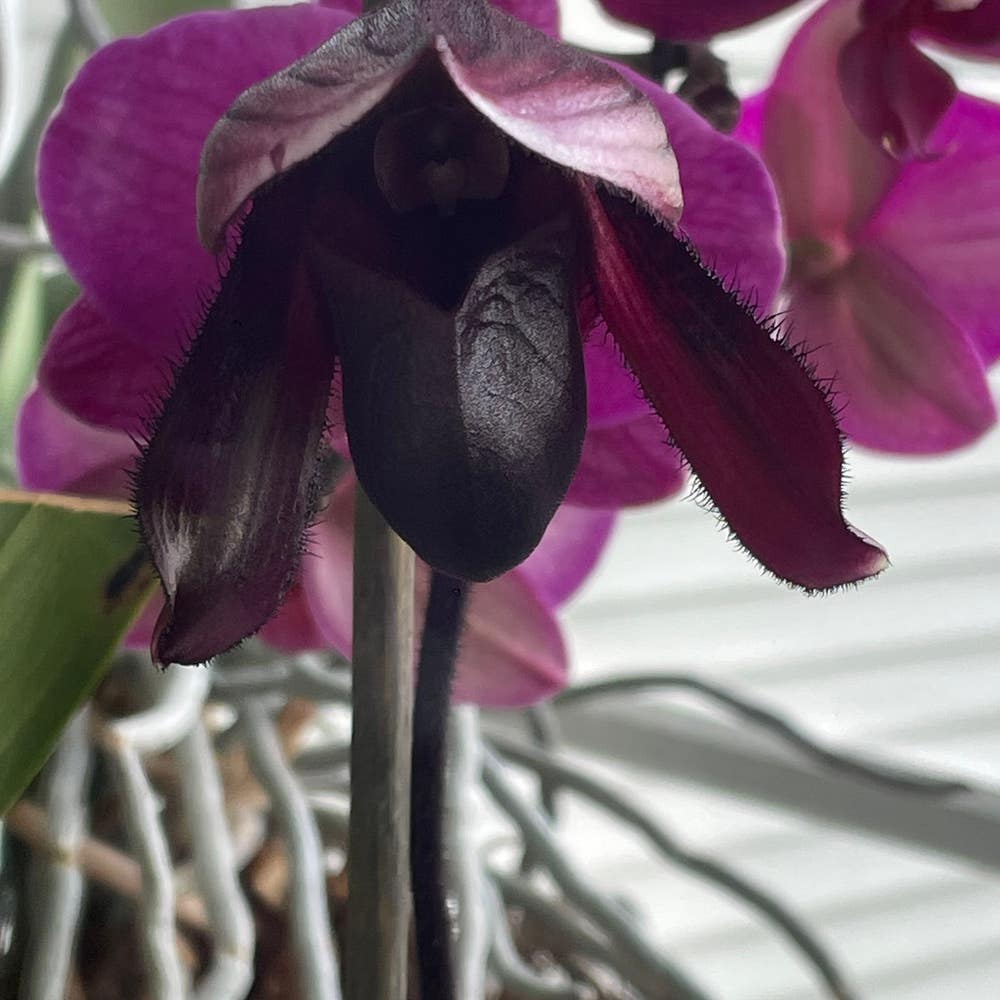
Typically, flowering occurs after 2-3 years of growth. This is a rewarding milestone, showcasing the plant's beautiful slipper-shaped flowers.
Full Maturity 🌼
Finally, Paphiopedilum xichouense reaches full maturity in about 3-5 years. At this point, it can thrive and produce blooms consistently.
Growth Rate 📈
It's important to note that the growth rate of this orchid is relatively slow compared to other varieties. Factors like light, humidity, and temperature significantly influence its development.
Understanding these lifecycle stages helps you appreciate the patience required in cultivating this stunning orchid. With proper care, you'll witness the beauty of its growth journey.
Size
Mature Height and Spread 🌱
Paphiopedilum xichouense typically reaches an average mature height of 30-60 cm (12-24 inches). Its spread usually ranges from 30-45 cm (12-18 inches), making it a manageable size for various indoor and outdoor settings.
Growth Rate and Factors Affecting Size 📈
This orchid has a slow growth rate, which can be influenced by several factors. Key elements include light exposure, humidity levels, and temperature, all of which play a crucial role in determining how quickly your plant will thrive.
Size Variability Based on Growing Conditions 🌍
The size of Paphiopedilum xichouense can vary significantly based on its growing conditions. Optimal conditions—such as adequate light, humidity, and temperature—will promote healthier and larger plants, while suboptimal conditions may stunt growth and lead to smaller specimens.
Understanding these size dynamics can help you create the best environment for your orchid. By paying attention to its needs, you can enjoy a flourishing plant that adds beauty to your space.
As we explore the next section, let's dive into the fascinating world of roots and their importance in the overall health of Paphiopedilum xichouense.
Roots
Description of the Root System 🌱
Paphiopedilum xichouense features a fibrous root system that is specifically adapted for moisture retention. This design allows the plant to thrive in its natural habitat, where water availability can fluctuate.
Root Depth, Spread, and Growth Patterns 📏
Typically, the roots reach a depth of 15-30 cm (6-12 inches). They exhibit a horizontal growth pattern, spreading out to search for moisture in the surrounding environment.
Common Root-Related Issues and Solutions ⚠️
Root rot is a common issue caused by overwatering. To combat this, improving drainage is essential; consider using a potting mix that allows excess water to escape.
Squishy roots often indicate poor health. If you notice this, adjust your watering practices to ensure the roots are not sitting in soggy conditions.
Identifying Healthy vs. Unhealthy Roots 🧐
Healthy roots are firm, white, and plump, indicating vitality. In contrast, unhealthy roots appear dark, mushy, or shriveled, signaling that your plant may need immediate attention.
Recognizing and Addressing Rootbound Conditions 🔄
Signs of a rootbound plant include roots growing out of the drainage holes. If you observe this, it's time to repot your Paphiopedilum xichouense into a larger container to give it room to grow.
By understanding the root system and addressing potential issues, you can ensure your Paphiopedilum xichouense remains healthy and vibrant. Next, let’s explore the benefits of growing this unique orchid.
Benefits
Unique Aesthetic Appeal 🌺
Paphiopedilum xichouense captivates with its striking slipper-shaped flowers. This unique design adds a touch of elegance to any space, making it a favorite among orchid enthusiasts.
Air Purification Properties 🌬️
Beyond beauty, this orchid contributes to a healthier environment. It helps purify the air, filtering out toxins and improving indoor air quality.
Long Lifespan ⏳
With proper care, Paphiopedilum xichouense can thrive for many years. This longevity means you can enjoy its beauty and benefits for a long time.
Cultural Significance 🎁
This orchid holds cultural importance in various traditions. It symbolizes love and beauty, making it a meaningful gift for special occasions.
Potential for Hybridization 🌈
Paphiopedilum xichouense can be hybridized with other orchids, leading to exciting new varieties. This potential for cross-breeding adds to its allure for collectors and hobbyists alike.
These benefits make Paphiopedilum xichouense not just a plant, but a valuable addition to your home or garden. As we explore further, you’ll discover how to care for this remarkable orchid to fully enjoy its advantages.
Companion Plants
🌱 Explanation of Companion Planting and Its Benefits
Companion planting is a fantastic way to enhance your garden's diversity and improve pest management. By selecting plants that thrive together, you create a harmonious environment that benefits all species involved.
🌿 List of Compatible Companion Plants
When it comes to Paphiopedilum xichouense, consider pairing it with:
- Ferns: They thrive in similar humidity levels and provide a lush backdrop.
- Other Orchids: These share care requirements and can create a stunning display.
- Shade-Loving Plants: They help maintain the necessary low light conditions.
These companions not only share similar care needs but also contribute to a visually appealing garden.
🚫 Plants to Avoid Near
While companion planting can be beneficial, it's essential to avoid aggressive plants. These can compete for nutrients and hinder the growth of your Paphiopedilum xichouense. Steer clear of plants like:
- Bamboo: Its invasive nature can overshadow your orchid.
- Certain Grasses: They may outcompete for water and nutrients.
By choosing the right companions and avoiding competitive plants, you can create a thriving environment for your Paphiopedilum xichouense. This thoughtful approach will ensure your orchid flourishes alongside its companions, leading to a vibrant and healthy garden.
Next, let’s explore the toxicity of Paphiopedilum xichouense for humans and pets.
Toxicity to Humans
Safety of Paphiopedilum xichouense for Humans 🩺
Paphiopedilum xichouense is generally considered safe for humans. Major poison control centers do not list it as toxic, which is reassuring for those who enjoy having this beautiful orchid in their homes.
However, it's important to note that consuming large quantities may lead to mild skin irritation or digestive discomfort. If you experience any unusual symptoms after contact or consumption, it's best to exercise caution and consult a doctor.
In summary, while this orchid is not harmful, maintaining awareness and practicing safe handling is always a good idea. Enjoy the beauty of Paphiopedilum xichouense with peace of mind!
As we explore further, let’s take a look at its safety for our furry friends.
Toxicity to Dogs
Safety of Paphiopedilum xichouense for Dogs 🐶
Paphiopedilum xichouense is not listed as toxic by major pet poison control centers. However, if your dog consumes large quantities, it may experience mild gastrointestinal upset.
Proper Placement and Monitoring 🏡
To ensure your furry friend stays safe, keep the plant out of reach. Always monitor your dog's behavior around the plant to prevent any unwanted nibbling.
This orchid can be a beautiful addition to your home without posing significant risks to your pets. If you notice any unusual symptoms in your dog, it's best to consult a veterinarian for peace of mind.
As we explore further, let’s look at the toxicity of Paphiopedilum xichouense for cats.
Toxicity to Cats
🐱 Safety of Paphiopedilum xichouense for Cats
Paphiopedilum xichouense is not considered toxic to cats according to major pet poison control centers. However, if a cat consumes a large quantity, it may experience mild gastrointestinal upset.
It's always a good idea to monitor your feline friends around your plants. While this orchid is generally safe, discouraging nibbling can help prevent any potential discomfort.
Problems
Common Problems Faced 🌱
Growing Paphiopedilum xichouense can come with its challenges. The most common issues include incorrect watering, light conditions, and temperature fluctuations.
Incorrect Watering
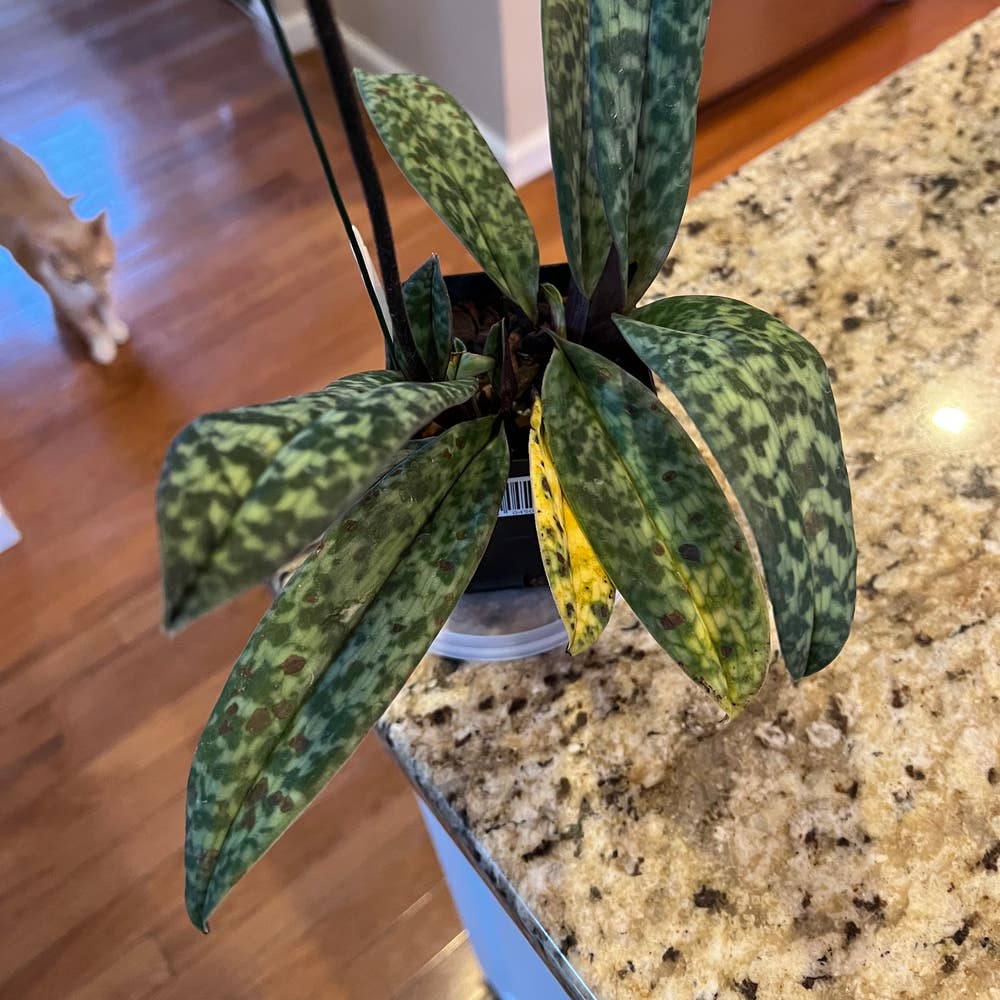
Overwatering can lead to root rot, while underwatering may cause the plant to wilt. Look for signs like yellowing leaves for overwatering and dry, crispy edges for underwatering.
Incorrect Light Conditions
Too much light can scorch the leaves, while too little can stunt growth. Symptoms include leaf burn or a lack of flowering.
Incorrect Temperature
Temperature swings can stress the plant. Ideal conditions are crucial for healthy growth, so be mindful of any drastic changes.
Identification and Causes of Issues 🔍
Identifying the root cause of problems is key to keeping your orchid healthy. Fungal diseases like powdery mildew can arise from high humidity and poor air circulation.
Leaf Issues
Scorching and yellowing leaves often indicate light or temperature stress. Fuzzy growth may signal a fungal infection.
Solutions for Each Identified Problem 🛠️
To combat overwatering, adjust your watering schedule and improve drainage. Ensure your potting mix allows excess water to escape.
Light Issues
If your plant shows signs of light stress, relocate it to a spot with bright, indirect light. This adjustment can make a world of difference.
By staying vigilant and responsive to these common problems, you can ensure your Paphiopedilum xichouense thrives. Next, let’s explore the fascinating world of pests that may threaten your plant.
Bugs
🐛 Potential Pest Issues
Paphiopedilum xichouense can be susceptible to a few pesky pests. Keeping an eye out for these intruders is crucial for maintaining the health of your orchid.
🔍 Identification and Damage Caused by Pests
Spider Mites: These tiny pests can wreak havoc, leaving fine webbing and stippling on leaves. If you notice these signs, it's time to take action.
Mealybugs: Look for cotton-like masses on your plant. These pests can sap the life out of your orchid if left unchecked.
🧼 Effective Treatment Options for Pest Control
For effective pest management, consider using neem oil or insecticidal soap. Both options are effective and relatively safe for your plant, helping to keep those unwanted guests at bay.
By staying vigilant and addressing pest issues promptly, you can ensure your Paphiopedilum xichouense thrives. Next, let’s explore the common problems that can affect your orchid and how to tackle them.
What Eats
🦌 Common Animals That May Damage the Plant
When growing Paphiopedilum xichouense, be aware of potential threats from wildlife. Deer, rabbits, and rodents can all pose a risk to your precious orchids.
👀 Signs of Animal Presence and Types of Damage
Keep an eye out for signs of these animals. Chewed leaves and broken stems are clear indicators that your plant has been targeted.
🚫 Methods for Deterring or Managing These Animals
To protect your orchids, consider various deterrent methods. Fencing can create a physical barrier, while repellents can discourage animals from approaching. Additionally, companion planting with less appealing species can help keep these pests at bay.
By taking proactive measures, you can enjoy the beauty of your Paphiopedilum xichouense without the worry of unwanted nibblers. Now, let’s explore some common problems that can arise while caring for these stunning plants.
⚠️ Safety First
This content is for general information and may contain errors, omissions, or outdated details. It is not medical, veterinary advice, or an endorsement of therapeutic claims.
Always consult a qualified healthcare professional before using any plant as food, medicine, or supplement.
Never eat any plant (or feed one to pets) without confirming its identity with at least two trusted sources.
If you suspect poisoning, call Poison Control (800) 222-1222, the Pet Poison Helpline (800) 213-6680, or your local emergency service immediately.
Spotted an error? Please report it here.
Cultivate your Paphiopedilum xichouense with confidence 🌺 by using Greg's tailored care reminders and expert tips to ensure your orchid thrives beautifully in your home!