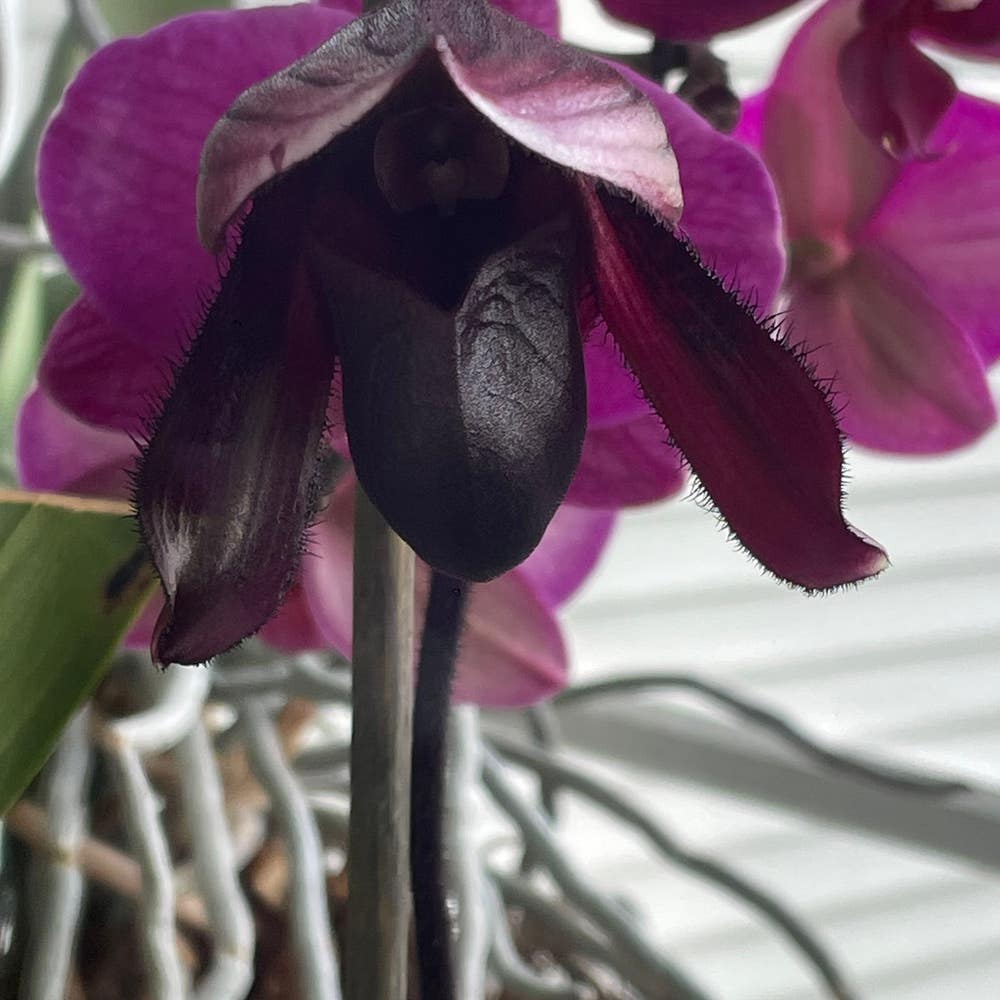
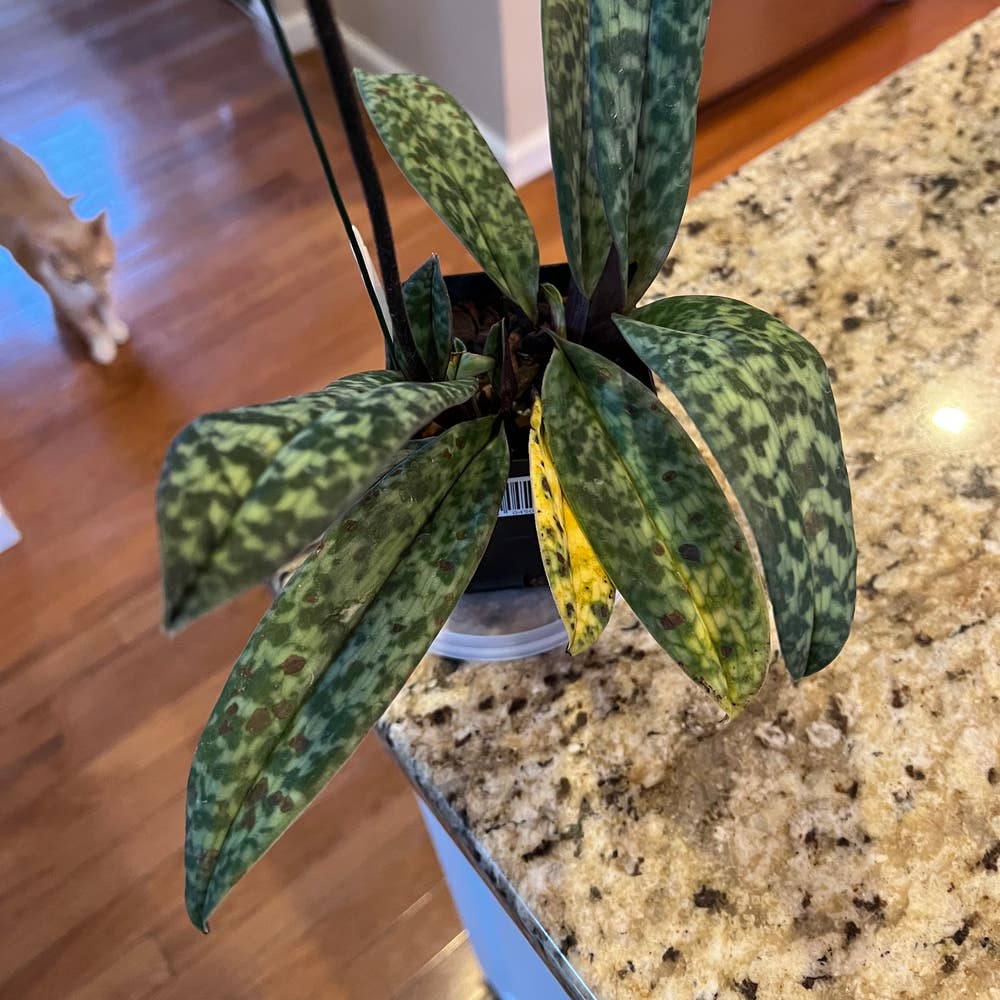
🌸 Introduction to Paphiopedilum villosum var. densissimum
Paphiopedilum villosum var. densissimum
By the Greg Editorial Team
Feb 26, 2025•12 min read
This article was created with the help of AI so we can cover more plants for you. May contain errors. See one? Report it here.
Unlock the beauty of Paphiopedilum villosum var. densissimum 🌺 with expert care tips for a thriving orchid in your home!
- 🌞 Bright, indirect light prevents leaf scorch for Paphiopedilum villosum var. densissimum.
- 💧 Humidity levels of 50-70% are ideal for healthy orchid growth.
- 🌱 Proper care ensures longevity; this orchid can thrive for over 10 years!
How to Grow
Choosing the Right Location 🌞
To thrive, Paphiopedilum villosum var. densissimum needs bright, indirect light. Direct sunlight can scorch its delicate leaves, so find a spot that offers filtered light.
Humidity is crucial for this orchid, ideally between 50-70%. Maintaining this level will help your plant flourish.
Temperature is another key factor. Aim for a daytime range of 20°C to 30°C (68°F to 86°F), with cooler temperatures at night to mimic its natural habitat.
Soil Preparation and Potting Mix 🪴
A well-draining potting mix is essential for healthy growth. Combine bark, perlite, and sphagnum moss to create an ideal environment.
This mix retains moisture while ensuring proper drainage, preventing root rot and promoting robust root development.
Watering Techniques and Frequency 🚰
Keep the potting medium consistently moist, but avoid sogginess. Water your orchid when the top inch of the medium feels dry to the touch.
This approach helps maintain the right moisture balance, essential for the plant's health.
Fertilizing Schedule and Types of Fertilizers 🍽️
During the growing season, fertilize your orchid monthly. A balanced orchid fertilizer, such as a 30-10-10 blend, diluted to half strength, works best.
This regular feeding supports growth and flowering, ensuring your plant remains vibrant.
Pruning and Maintenance Practices ✂️
Regular pruning is vital for maintaining air circulation. Remove any dead or yellowing leaves to keep your plant healthy.
Additionally, routinely check for pests and diseases. Early detection can prevent larger issues down the line.
With these care tips, you'll create a thriving environment for your Paphiopedilum villosum var. densissimum. Next, let’s explore how to propagate this beautiful orchid!
Propagation
🌱 Methods of Propagation
When it comes to propagating Paphiopedilum villosum var. densissimum, there are two primary methods: division and seed propagation. Division is the preferred technique for established plants, while seed propagation is less common and requires specific conditions.
📝 Step-by-Step Instructions for Each Method
✂️ Division
- Timing: The best time to divide your plant is in spring or early summer.
- Steps: Carefully separate the rhizomes, ensuring that each division has both roots and leaves. This will help the new plants thrive.
🌾 Seed Propagation
- Timing: Spring is the optimal season for sowing seeds.
- Steps: Sow the seeds in a sterile medium, maintain high humidity, and provide warmth to encourage germination.
🌡️ Timing and Conditions for Successful Propagation
For both methods, warm temperatures and high humidity are crucial for success. Aim for a consistent environment to give your plants the best chance to flourish.
With the right approach, propagating Paphiopedilum villosum var. densissimum can be a rewarding experience. Next, let’s explore the lifecycle of this fascinating orchid and what to expect as it grows.
Lifecycle
Lifecycle Stages 🌱
The lifecycle of Paphiopedilum villosum var. densissimum unfolds in distinct stages. It begins with germination, which takes about 2-3 weeks under optimal conditions.
Following germination, the plant enters the seedling stage, lasting 6-12 months until it establishes itself. After that, it progresses into vegetative growth, which can take 1-3 years to reach maturity. Finally, flowering typically occurs after 2-4 years, rewarding your patience with stunning blooms.
Duration to Reach Maturity and Growth Rate ⏳
Reaching full maturity takes approximately 3-5 years, making this orchid a slow grower compared to others. This gradual growth rate can be a test of patience, but the payoff is worth it.
Lifespan 🌼
With proper care, Paphiopedilum villosum var. densissimum can exceed 10 years in lifespan. This longevity means you can enjoy its beauty for many years, making it a cherished addition to your plant collection.
As you nurture this orchid through its lifecycle, you'll find that each stage brings its own joys and challenges. Next, let’s explore how to effectively propagate this resilient plant.
Size
Mature Height and Spread 🌱
Paphiopedilum villosum var. densissimum typically reaches a mature height of 30-60 cm (12-24 inches) and spreads about 30-45 cm (12-18 inches). This size makes it a striking addition to any indoor or outdoor space.
Growth Rate and Factors Affecting Size ⏳
This orchid has a slow growth rate, which can be influenced by several factors. Light, temperature, and humidity play crucial roles in determining how quickly your plant will grow.
Size Variability Based on Growing Conditions 🌍
The size of Paphiopedilum villosum var. densissimum can vary significantly based on care practices and environmental conditions. Proper attention to its needs can lead to a more robust and visually appealing plant.
As you consider the size of your orchid, remember that its growth is a reflection of the care you provide. With the right conditions, you can enjoy a healthy, flourishing plant that enhances your space beautifully.
Roots
Description of the Root System 🌱
Paphiopedilum villosum var. densissimum features a fibrous and rhizomatous root system. These roots are shallow and wide-spreading, which allows for effective aeration.
Root Depth, Spread, and Growth Patterns 📏
Typically, the roots grow horizontally and remain shallow. During the growing season, expect active root growth, which is crucial for the plant's overall health.
Common Root-Related Issues and Solutions ⚠️
One of the most common problems is root rot, often caused by overwatering. To prevent this, ensure proper drainage in your potting mix.
Identifying healthy roots is essential for your plant's wellbeing. Healthy roots are firm and white, while unhealthy roots appear brown and mushy.
Recognizing Rootbound Plants 🔄
If you notice roots growing out of drainage holes or circling the pot, your plant may be rootbound. The solution is simple: repot into a larger container with fresh medium to give your plant room to thrive.
With proper care and attention to the roots, your Paphiopedilum villosum var. densissimum will flourish beautifully. Next, let’s explore the benefits of growing this unique orchid.
Benefits
Unique Aesthetic Appeal 🌺
Paphiopedilum villosum var. densissimum is celebrated for its striking flowers, which add a touch of elegance to any space. Their unique shape and vibrant colors make them a standout choice for orchid enthusiasts.
Air Purification Properties 🌬️
This orchid not only beautifies your environment but also helps purify the air. It can filter out harmful toxins, contributing to a healthier indoor atmosphere.
Long Lifespan ⏳
With proper care, these orchids can thrive for over a decade. Their longevity means you can enjoy their beauty for many years, making them a worthwhile investment.
Cultural Significance 🎁
In various cultures, Paphiopedilum species symbolize beauty and elegance. They are often associated with love and luxury, making them meaningful gifts for special occasions.
Low Maintenance 🌱
Once established, this orchid requires minimal care. Its resilience makes it an excellent choice for both novice and experienced gardeners alike.
Conclusion
Incorporating Paphiopedilum villosum var. densissimum into your home or garden not only enhances your space aesthetically but also offers numerous benefits. From air purification to cultural significance, this orchid is a delightful addition that brings joy and beauty to your life.
Companion Plants
🌱 Understanding Companion Planting
Companion planting involves growing compatible plants together to enhance their growth and health. This practice not only promotes mutual benefits but also contributes to pest management and overall garden diversity.
🤝 Compatible Companion Plants
When considering companions for Paphiopedilum villosum var. densissimum, look for plants that share similar care needs. Suitable companions include:
- Other Orchids: They thrive in similar humidity and light conditions.
- Ferns: These shade-loving plants appreciate the same moisture levels.
- Shade-Loving Plants: They can coexist harmoniously, benefiting from the same environment.
🚫 Plants to Avoid
It's crucial to avoid pairing Paphiopedilum villosum var. densissimum with plants that require full sun or dry conditions. Such plants can compete for resources and create an unsuitable environment for your orchid.
By selecting the right companions, you can create a thriving ecosystem that supports the health and beauty of your Paphiopedilum villosum var. densissimum. This thoughtful approach not only enhances your garden's aesthetic but also ensures your plants flourish together.
Next, let’s explore the fascinating world of toxicity and safety regarding this unique orchid.
Toxicity to Humans
Safety of Paphiopedilum villosum var. densissimum for Humans 🌱
Paphiopedilum villosum var. densissimum is not considered toxic by major poison control centers. This means it’s generally safe for handling and even ingestion in small amounts.
Potential Minor Issues from Contact or Ingestion ⚠️
While the plant is safe, there can be minor issues. Some individuals might experience mild skin irritation or digestive discomfort if they consume larger quantities.
Recommendations for Caution 🧐
It's always wise to exercise caution with any plant. If you notice unusual symptoms after contact or ingestion, seeking medical advice is a good practice.
This orchid can be a delightful addition to your home, but being informed helps ensure a safe and enjoyable experience. Next, let’s explore how this plant interacts with our furry friends.
Toxicity to Dogs
Safety of Paphiopedilum villosum var. densissimum for Dogs 🐶
Paphiopedilum villosum var. densissimum is not listed as toxic to dogs by major pet poison control centers. This means you can enjoy this beautiful orchid in your home with minimal risk to your furry friends.
Potential Minor Issues from Excessive Consumption 🤢
While generally safe, consuming large quantities of the plant may lead to mild gastrointestinal upset in dogs. It's always best to monitor their behavior around any new plant.
Tips for Introducing the Plant to Homes with Dogs 🏡
To ensure a harmonious coexistence, place the orchid out of reach of curious dogs. Additionally, keep an eye on your pets to see if they show unusual interest in the plant, allowing you to intervene if necessary.
This knowledge allows you to enjoy your Paphiopedilum villosum var. densissimum without worry, creating a safe and beautiful environment for both you and your canine companions. Next, let’s explore how to keep your orchid thriving through proper care and maintenance.
Toxicity to Cats
Safety of Paphiopedilum villosum var. densissimum for Cats 🐱
Paphiopedilum villosum var. densissimum is not listed as toxic to cats by major pet poison control centers. This means you can enjoy this beautiful orchid without worrying about your feline friends.
Potential Minor Issues from Excessive Consumption 🤢
While generally safe, consuming large quantities of the plant may lead to mild gastrointestinal upset. It's always best to monitor your cat's behavior around any houseplant.
Tips for Introducing the Plant to Homes with Cats 🏡
To keep your plant safe, place it out of reach of curious cats. Additionally, observe your cat for any unusual interest in the plant, ensuring they don’t nibble on it.
By following these simple precautions, you can enjoy your Paphiopedilum villosum var. densissimum while keeping your furry companions safe. Next, let’s explore the common problems you might face when growing this stunning orchid.
Problems
Common Problems Faced When Growing 🌱
Growing Paphiopedilum villosum var. densissimum can be rewarding, but it’s not without its challenges. Here are some common problems you might encounter and how to tackle them effectively.
Incorrect Watering
One of the most frequent issues is incorrect watering. Symptoms include yellowing leaves or wilting, indicating that your plant may be too dry or too wet.
- Solutions: Adjust your watering frequency based on the moisture level of the potting medium. Aim for a consistently moist environment without sogginess.
Incorrect Light Conditions
Light plays a crucial role in the health of your orchid. If your plant experiences leaf burn or leggy growth, it’s likely not receiving the right amount of light.
- Solutions: Move your Paphiopedilum to a location with bright, indirect light. Avoid direct sunlight to prevent damage.
Incorrect Temperature
Temperature fluctuations can stress your plant, leading to stunted growth or leaf drop. Maintaining a stable environment is key.
- Solutions: Ensure that the temperature remains within the ideal range of 20°C to 30°C (68°F to 86°F) during the day. Cooler nights are beneficial.
Diseases
Fungal diseases, such as powdery mildew, can plague your orchid if conditions are not optimal. Look for signs of infection to catch it early.
- Solutions: Improve air circulation around your plant and treat any fungal issues with appropriate fungicides. Regular monitoring can help prevent outbreaks.
Leaf Issues
Leaf scorching or yellowing can signal problems with light exposure or watering practices. These symptoms can be distressing but are often correctable.
- Solutions: Adjust the light exposure and check your watering routine to ensure your plant is receiving the care it needs.
By staying vigilant and addressing these common problems, you can help your Paphiopedilum villosum var. densissimum thrive. Next, let’s explore potential pest issues that could affect your plant.
Bugs
🐞 Potential Pest Issues
Paphiopedilum villosum var. densissimum is generally pest-resistant, but that doesn't mean it's invincible. Even the hardiest plants can face occasional pest challenges.
🕷️ Identification and Treatment Options for Each Pest
Spider Mites
- Signs: Look for fine webbing on leaves.
- Treatment: Increase humidity around the plant and apply miticides as needed.
Scale Insects
- Signs: Hard, shell-like bumps appear on stems.
- Treatment: Manually remove them and treat with insecticidal soap.
Mealybugs
- Signs: White, cottony masses can be seen on leaves.
- Treatment: Use alcohol swabs for removal and follow up with insecticidal soap.
Aphids
- Signs: Sticky residue and distorted leaves indicate their presence.
- Treatment: Neem oil or insecticidal soap can effectively manage these pests.
Whiteflies
- Signs: Tiny white insects take flight when the plant is disturbed.
- Treatment: Use yellow sticky traps and insecticidal soap to control their population.
By staying vigilant and addressing these pest issues promptly, you can keep your Paphiopedilum villosum var. densissimum thriving. Next, let’s explore what animals might pose a threat to your beautiful plant.
What Eats Paphiopedilum villosum var. densissimum
🦌 Common Animals That May Damage the Plant
Paphiopedilum villosum var. densissimum can attract a variety of hungry critters. Watch out for deer, rabbits, squirrels, birds, rodents, and groundhogs, as they may find your orchid a tasty snack.
🕵️♂️ Signs of Animal Presence and Damage
Identifying animal damage is crucial for protecting your plant. Look for chewed leaves, droppings, or tracks around the base of the plant, which can indicate that unwelcome visitors have paid a visit.
🚫 Deterrent Methods for Managing Animal Interactions
Preventing animal interactions can be achieved through various methods.
Chemical Methods
Commercial repellents can be effective in keeping pests at bay. These products often contain scents or tastes that animals dislike.
Organic Methods
For a more natural approach, consider planting deterrent species nearby or using physical barriers. Fencing or netting can provide a protective shield for your precious orchid.
By being proactive, you can enjoy the beauty of your Paphiopedilum villosum var. densissimum without the worry of animal damage. Next, let’s explore common problems faced when growing this stunning orchid.
⚠️ Safety First
This content is for general information and may contain errors, omissions, or outdated details. It is not medical, veterinary advice, or an endorsement of therapeutic claims.
Always consult a qualified healthcare professional before using any plant as food, medicine, or supplement.
Never eat any plant (or feed one to pets) without confirming its identity with at least two trusted sources.
If you suspect poisoning, call Poison Control (800) 222-1222, the Pet Poison Helpline (800) 213-6680, or your local emergency service immediately.
Spotted an error? Please report it here.
Create a thriving home for your Paphiopedilum villosum 🌺 with Greg's tailored care reminders and expert tips, ensuring your orchid flourishes beautifully for years to come!