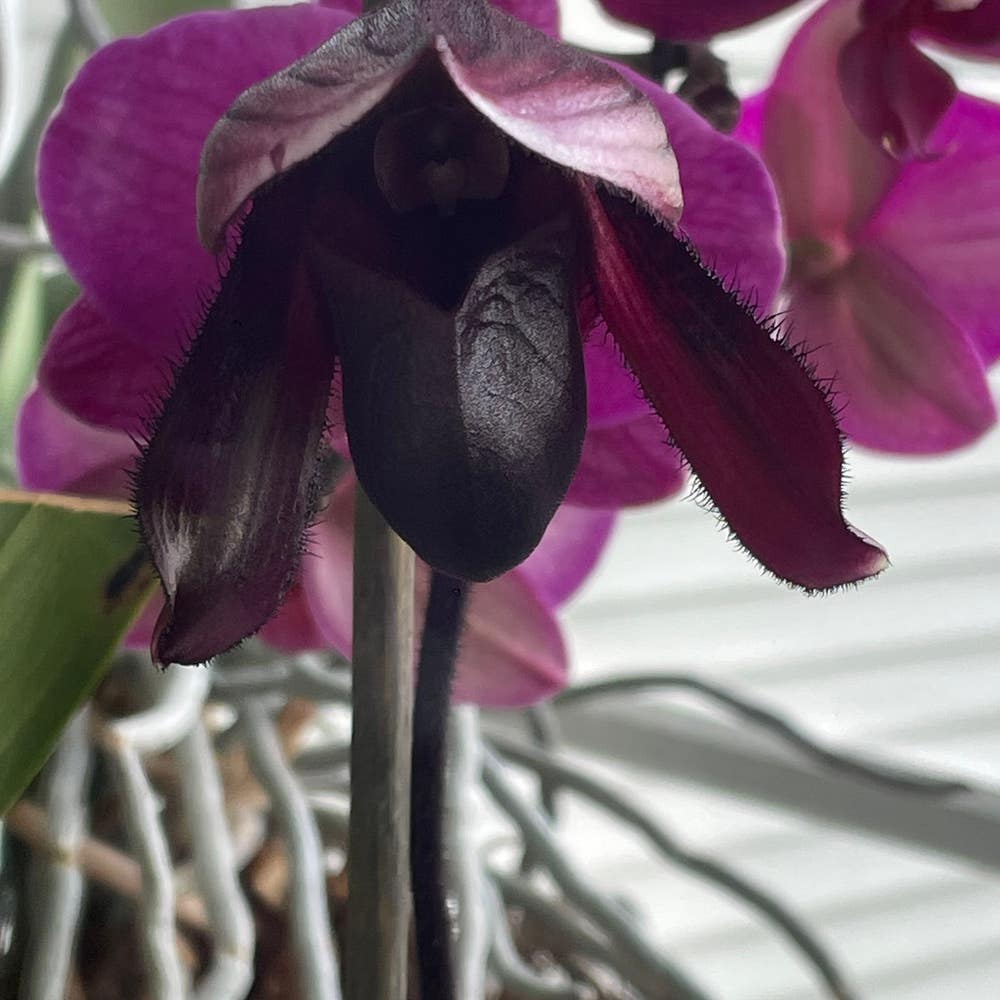
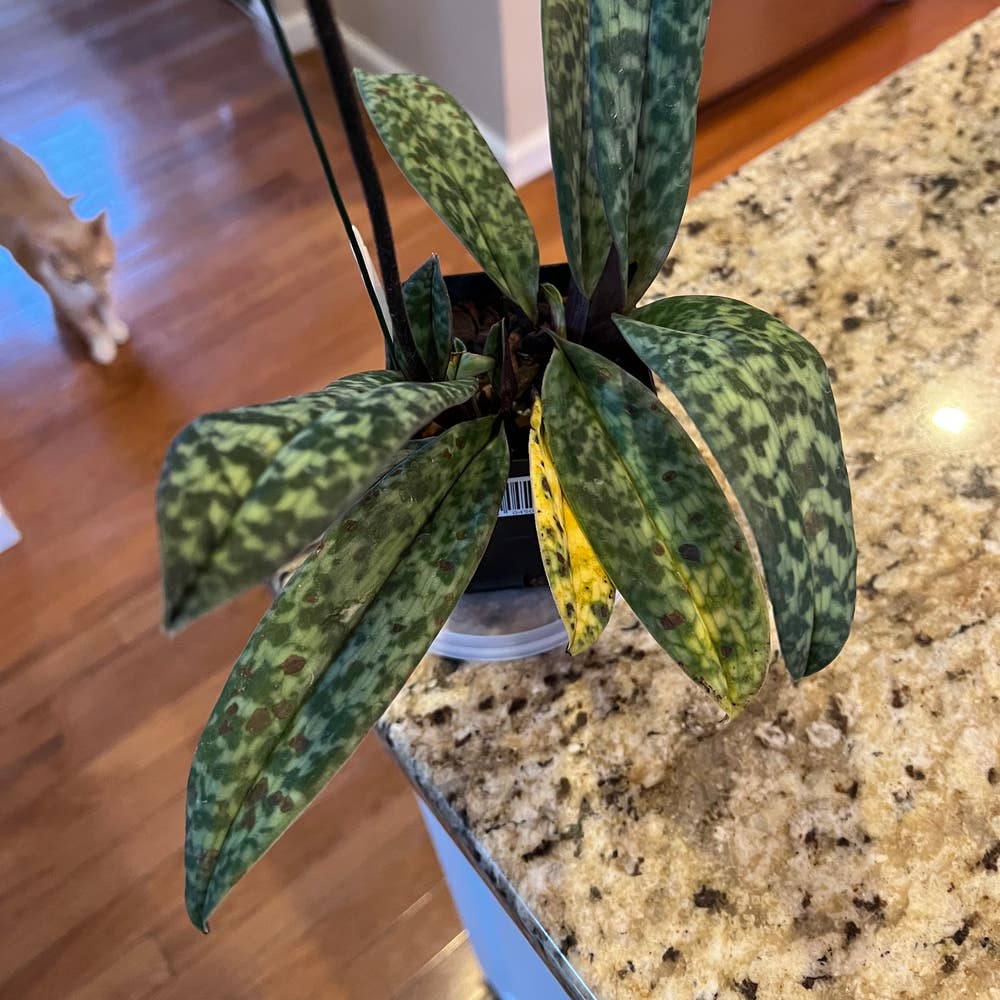
What You Should Know About Paphiopedilum Sinovillosum 🌺
Paphiopedilum x sinovillosum
By the Greg Editorial Team
Feb 26, 2025•12 min read
This article was created with the help of AI so we can cover more plants for you. May contain errors. See one? Report it here.
Unlock the secrets to thriving Paphiopedilum Sinovillosum orchids 🌸 and elevate your indoor garden with stunning blooms! 🌱
- 🌱 Paphiopedilum Sinovillosum thrives in bright, indirect light and 50-70% humidity.
- 🌡️ Optimal temperatures for growth are 20°C to 30°C (68°F to 86°F).
- 🌿 Healthy roots are firm and light-colored; dark roots indicate overwatering.
How to Grow
Choosing the Right Location 🌞
To thrive, Paphiopedilum Sinovillosum needs bright, indirect light. Aim for humidity levels between 50-70% and maintain temperatures between 20°C to 30°C (68°F to 86°F) for optimal growth.
Soil Preparation 🏜️
For the best results, use a potting mix of orchid bark, perlite, and sphagnum moss. Proper drainage is crucial; ensure excess water can escape to prevent root rot.
Planting Techniques 👩🌾
When planting, keep the orchid at the same depth it was in the nursery pot. Additionally, allow adequate spacing between plants to promote air circulation.
Watering Requirements 🚰
Water your Paphiopedilum when the top inch of soil feels dry. Be sure to water thoroughly until it drains from the bottom, ensuring the roots receive enough moisture.
Fertilizing Schedule 🍽️
Use a balanced orchid fertilizer with a ratio of 30-10-10. Dilute it to half-strength and apply every 2-4 weeks during the growing season for best results.
Pruning and Ongoing Care ✂️
Regularly check for dead or yellowing leaves and prune them away to keep your plant healthy. Repot every 1-2 years or when the plant becomes rootbound to encourage continued growth.
This section sets the foundation for successfully growing your Paphiopedilum Sinovillosum. Next, let’s explore how to propagate this beautiful orchid!
Propagation
🌱 Methods of Propagation
Paphiopedilum Sinovillosum can be propagated through two primary methods: division and seed propagation. Each method has its unique steps and requirements, making it essential to choose the right one for your gardening goals.
📝 Step-by-Step Instructions for Each Method
Division
- Carefully separate the plant into sections, ensuring each section has roots.
- Replant the sections in fresh potting mix to encourage healthy growth.
Seed Propagation
- Prepare a sterile medium to prevent disease.
- Sow the seeds and maintain high humidity until germination occurs.
⏰ Timing and Conditions for Successful Propagation
The best time for division is in the spring, while fall is ideal for sowing seeds. Ensure warm temperatures and high humidity to create the perfect environment for successful propagation.
With the right techniques and timing, you can expand your Paphiopedilum collection and enjoy the beauty of these unique orchids. Next, let’s explore the lifecycle of this fascinating plant.
Lifecycle
Overview of Lifecycle Stages 🌱
The lifecycle of Paphiopedilum Sinovillosum unfolds in distinct stages. It begins with germination, which takes about 2-4 weeks for seeds to sprout.
Following germination, the plant enters the seedling stage, lasting 6-12 months until it establishes a solid foundation. After that, it transitions into vegetative growth, which can take 1-2 years before reaching maturity. Finally, flowering typically occurs after 2-3 years, rewarding your patience with stunning blooms.
Duration to Maturity ⏳
From seed to full-grown plant, expect a timeline of approximately 2-3 years. This duration can vary based on care and environmental conditions.
Growth Speed ⚡️
Paphiopedilum Sinovillosum exhibits a moderate growth rate. Factors such as light, humidity, and nutrient availability significantly influence how quickly it develops.
Lifespan 🎉
With proper care, this orchid can thrive for an impressive 10-15 years. This longevity makes it a worthwhile addition to any plant collection, providing beauty and joy for years to come.
As you nurture your Paphiopedilum Sinovillosum through its lifecycle, you'll gain insights into its needs and preferences, setting the stage for a flourishing relationship. Next, let’s explore the fascinating methods of propagation for this unique orchid.
Size
Mature Height and Spread 🌱
Paphiopedilum Sinovillosum typically reaches a mature height of 12-18 inches (30-45 cm). Its spread can range from 12-24 inches (30-60 cm), making it a lovely addition to any indoor garden.
Growth Rate and Time to Reach Full Size ⏳
This orchid exhibits a moderate growth rate, generally taking about 2-3 years to reach its full size. With the right care, you can enjoy its beauty in just a few seasons.
Size Variability Based on Growing Conditions 🌈
The size of your Paphiopedilum Sinovillosum can vary significantly based on its growing conditions. Factors such as light, humidity, and nutrient availability play crucial roles in determining how robust your plant will become.
Understanding these aspects can help you create the ideal environment for your orchid. By adjusting these conditions, you can encourage your plant to thrive and reach its full potential.
With this knowledge, you're well-equipped to nurture your Paphiopedilum Sinovillosum. Next, let’s explore the fascinating topic of its roots and how to care for them effectively.
Roots
Characteristics of the Root System 🌱
Paphiopedilum sinovillosum features a fibrous root system that is essential for its growth. These roots are shallow and spread out, allowing the plant to absorb moisture and nutrients efficiently.
Common Root-Related Issues ⚠️
One of the most common problems is root rot, which occurs due to overwatering. Additionally, plants can become rootbound when their roots fill the pot, restricting growth and nutrient uptake.
Visual Cues for Healthy vs. Unhealthy Roots 👀
Healthy roots are firm and typically white or light tan in color. In contrast, unhealthy roots appear dark, mushy, or may even emit a foul smell, indicating serious issues.
Tips for Managing Root Problems 🛠️
To recognize a rootbound plant, look for roots growing out of the drainage holes. The solution is simple: repot the plant into a larger container to give the roots more space to thrive.
By understanding the root system of your Paphiopedilum sinovillosum, you can ensure it remains healthy and vibrant. Next, let’s explore the benefits of growing this unique orchid.
Benefits
Top 5 Benefits of Growing Paphiopedilum Sinovillosum 🌸
Growing Paphiopedilum Sinovillosum offers a variety of benefits that can enhance your indoor gardening experience.
1. Unique Aesthetic Appeal
These orchids are known for their striking flowers that can instantly elevate the look of any indoor space. Their unique shapes and vibrant colors make them a focal point in any room.
2. Air Purification
Paphiopedilum Sinovillosum contributes to improved indoor air quality. By absorbing toxins and releasing oxygen, they help create a healthier living environment.
3. Cultural Significance
In many cultures, orchids symbolize love and beauty. Growing these plants can connect you to a rich history and tradition, adding depth to your gardening journey.
4. Long-Lasting Blooms
One of the most rewarding aspects of these orchids is their long-lasting blooms. With proper care, flowers can remain vibrant for several weeks, providing ongoing enjoyment.
5. Educational Value
Caring for Paphiopedilum Sinovillosum is a fantastic way to learn about orchid care and propagation. This experience can deepen your understanding of plant biology and horticulture.
These benefits make Paphiopedilum Sinovillosum not just a beautiful addition to your home, but also a rewarding and enriching plant to grow. As you explore the joys of caring for this orchid, you'll discover the many ways it can enhance your life.
Next, let’s delve into the best companion plants that thrive alongside Paphiopedilum Sinovillosum, enriching your gardening experience even further.
Companion Plants
🌱 Explanation of Companion Planting
Companion planting is a gardening technique that enhances biodiversity and pest management. By selecting the right plants to grow together, you can create a thriving ecosystem that benefits all species involved.
🌼 Best Companion Plants
When it comes to Paphiopedilum Sinovillosum, consider pairing it with other orchids, ferns, and shade-loving plants. These companions thrive in similar humidity and light conditions, ensuring a harmonious growing environment.
🚫 Plants to Avoid
It's best to steer clear of heavy feeders or plants that require full sun. These plants can compete for nutrients and light, potentially hindering the growth of your Paphiopedilum Sinovillosum.
By choosing the right companions, you can create a vibrant and healthy garden space. This not only enhances the beauty of your plants but also promotes their overall health and resilience.
Toxicity to Humans
Paphiopedilum sinovillosum is not listed as toxic, which is a relief for plant lovers. Major poison control centers confirm its safety, making it a great choice for homes with children and pets.
While the plant is generally safe, consuming large quantities may lead to mild skin irritation or digestive discomfort. Always exercise caution and seek medical advice if you experience any unusual symptoms after contact.
In summary, enjoy your Paphiopedilum sinovillosum without worry, but remember to handle it with care. This beautiful orchid can brighten your space without posing a risk to your health.
Next, let’s explore how this plant interacts with our furry friends!
Toxicity to Dogs
When it comes to Paphiopedilum Sinovillosum, you can breathe easy—this plant is not toxic to dogs. Pet poison control centers have confirmed its safety, making it a great choice for pet owners.
However, it's worth noting that if your furry friend decides to munch on the leaves, they might experience mild gastrointestinal upset. To keep your pup safe, ensure the plant is placed out of reach and monitor their behavior around it.
With a little care, you can enjoy the beauty of this orchid without worrying about your dog's health. Now, let’s explore how to manage any potential problems that may arise with your Paphiopedilum Sinovillosum.
Toxicity to Cats
Paphiopedilum Sinovillosum is not toxic to cats, as confirmed by pet poison control centers. This means you can enjoy the beauty of this orchid without worrying about your feline friends.
However, there can be potential minor issues if your cat consumes large quantities of the plant. You might notice mild gastrointestinal upset, which can include symptoms like vomiting or diarrhea.
To keep your cat safe, consider proper placement of the plant. Position it out of reach to minimize the chances of your curious kitty taking a nibble.
Additionally, monitoring your cat's behavior around the plant is a good practice. If you notice any unusual interest, it might be wise to relocate the orchid to a safer spot.
With these precautions, you can enjoy your Paphiopedilum Sinovillosum while ensuring your cat remains healthy and happy. Now, let's explore some common problems you might face when growing this beautiful orchid.
Problems
Common Problems Faced 🌱
Growing Paphiopedilum Sinovillosum can be rewarding, but it comes with its share of challenges. Here are some common problems you might encounter and how to tackle them effectively.
1. Incorrect Watering
One of the most frequent issues is incorrect watering. Symptoms include yellowing leaves and wilting, signaling that your plant may be too dry or overly saturated.
To remedy this, adjust your watering frequency. Ensure you water only when the top inch of soil feels dry to the touch.
2. Incorrect Light Conditions
Light conditions can also pose a problem. If you notice leaf burn or stretching, your plant is likely receiving too much direct sunlight or not enough light.
To fix this, relocate your Paphiopedilum to a spot with bright, indirect light. This adjustment can make a significant difference in its health.
3. Incorrect Temperature
Temperature plays a crucial role in the growth of your orchid. Stunted growth is a common symptom of temperatures that are too low or too high.
Maintain an optimal temperature range of 20°C to 30°C (68°F to 86°F) to keep your plant thriving. Regularly check the environment to ensure it stays within this range.
4. Diseases
Fungal diseases can affect your orchid, with powdery mildew being a notable concern. Symptoms include white spots on leaves and a general decline in plant vigor.
Improve air circulation around your plant and reduce humidity levels to combat these issues. Regularly inspect your orchid for any signs of disease to catch problems early.
5. Root Problems
Root-related issues can be detrimental to your Paphiopedilum. Symptoms of root rot include dark, mushy roots, while rootbound plants may show signs of stunted growth.
To address root problems, consider repotting your orchid into a larger container. Adjust your watering practices to prevent overwatering, ensuring the roots have room to breathe.
By staying vigilant and addressing these common problems, you can enjoy a healthy and vibrant Paphiopedilum Sinovillosum. Next, let’s explore how to effectively manage pests that may threaten your plant’s well-being.
Bugs
Potential Pest Issues 🐜
Paphiopedilum Sinovillosum is generally resilient against pests, but it can still fall victim to a few common nuisances. Keeping an eye out for these pests is essential for maintaining the health of your plant.
Identification and Damage Caused by Pests 🔍
- Spider Mites: Look for fine webbing and stippled leaves, which indicate these tiny pests are at work.
- Scale Insects: These pests leave a sticky residue and cause yellowing leaves, making them easy to spot.
- Mealybugs: Identified by their white, cotton-like masses on leaves, mealybugs can quickly become a problem if not addressed.
Effective Treatment Options 💪
To combat these pests, consider using natural solutions.
- Neem Oil: This natural pesticide is effective against a variety of pests and is safe for your plant.
- Insecticidal Soap: This option works well against soft-bodied insects, providing a straightforward solution to pest problems.
By staying vigilant and addressing pest issues promptly, you can ensure your Paphiopedilum Sinovillosum thrives. Next, let’s explore how to manage common problems that may arise during its care.
What Eats
🦌 Common Animals That May Damage
Paphiopedilum sinovillosum can attract a few garden visitors that may cause damage.
- Deer: Look for signs like chewed leaves and stems, which indicate their presence.
- Rabbits: These little nibblers often leave evidence of their feasting on the lower leaves.
- Squirrels: You might notice them digging around the base of the plant, which can disturb the roots.
🕵️♂️ Signs of Animal Presence and Types of Damage
Identifying animal damage is crucial for maintaining your plant's health.
- Chewed foliage: This is a clear sign of herbivores like deer and rabbits.
- Uprooted plants: If you find your plant disturbed, squirrels might be the culprits.
🚫 Methods for Deterring or Managing Animal Interactions
Keeping these critters at bay can be a challenge, but there are effective strategies.
- Chemical deterrents: Consider using commercial repellents designed to keep animals away.
- Organic methods: Planting strong-smelling herbs nearby can naturally repel animals and protect your Paphiopedilum.
By being proactive, you can enjoy your beautiful orchid without the worry of unwanted munchers.
⚠️ Safety First
This content is for general information and may contain errors, omissions, or outdated details. It is not medical, veterinary advice, or an endorsement of therapeutic claims.
Always consult a qualified healthcare professional before using any plant as food, medicine, or supplement.
Never eat any plant (or feed one to pets) without confirming its identity with at least two trusted sources.
If you suspect poisoning, call Poison Control (800) 222-1222, the Pet Poison Helpline (800) 213-6680, or your local emergency service immediately.
Spotted an error? Please report it here.
Cultivate your Paphiopedilum Sinovillosum with confidence 🌸 by using Greg's tailored care reminders and expert tips to create the perfect environment for your orchid to flourish!