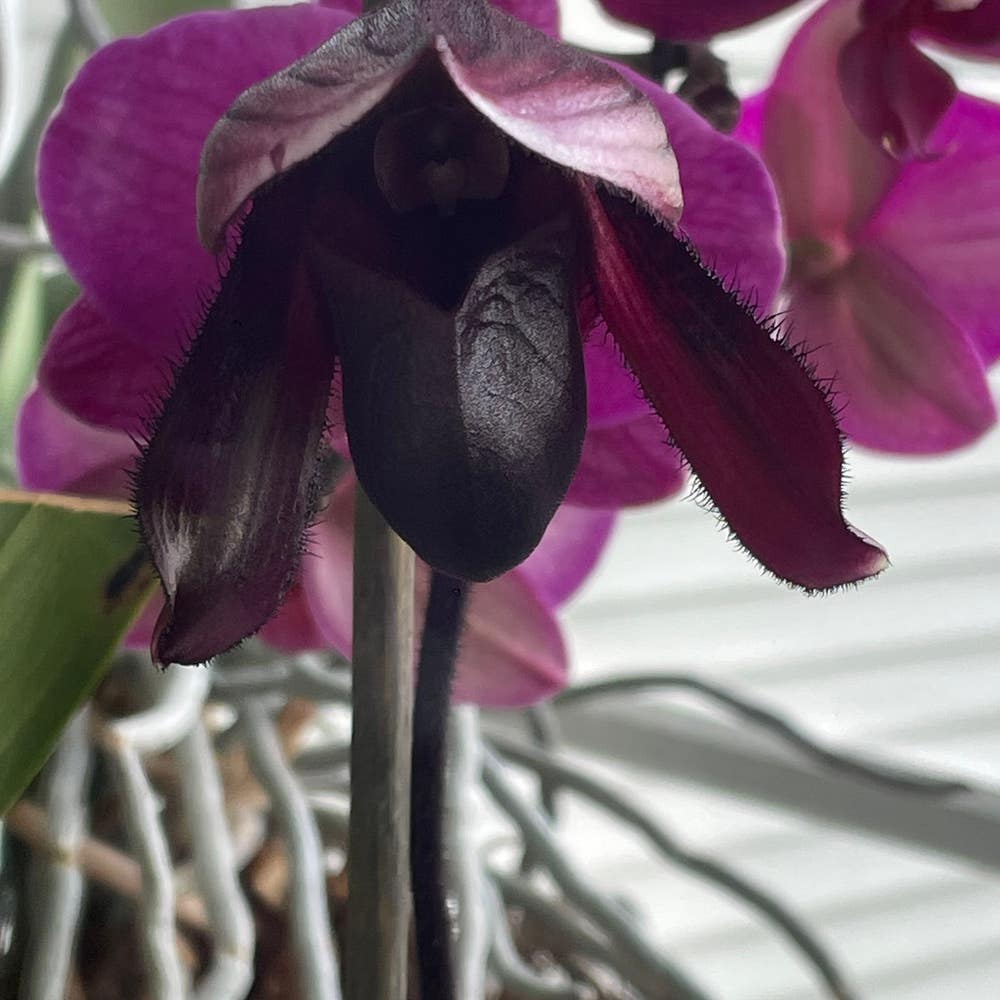
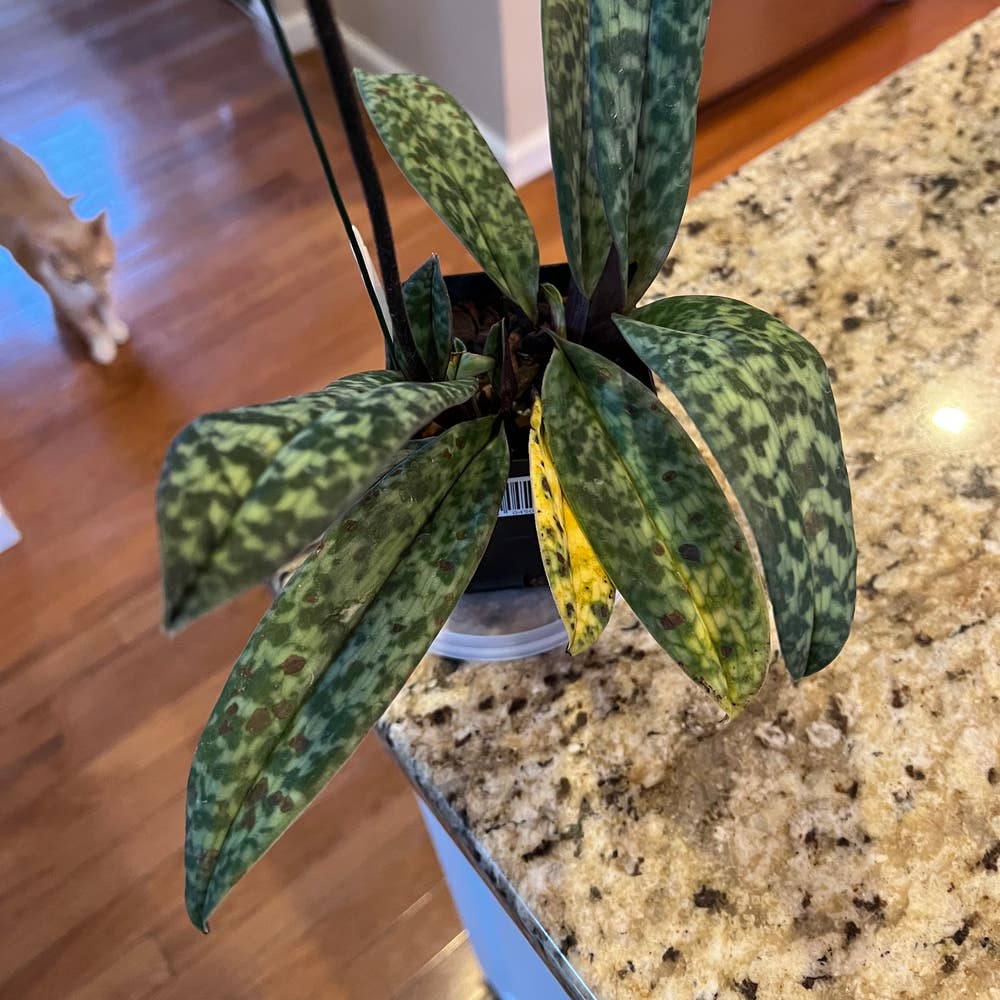
🌸 Ultimate Guide to Paphiopedilum 'Shareba Gx Pixie'
Paphiopedilum 'Shareba Gx Pixie'
By the Greg Editorial Team
Feb 11, 2025•8 min read
This article was created with the help of AI so we can cover more plants for you. May contain errors. See one? Report it here.
- 🌞 Bright, indirect light is essential to prevent leaf scorch in Paphiopedilum 'Shareba Gx Pixie'.
- 💧 Humidity levels of 50-70% promote optimal growth for this orchid variety.
- 🌡️ Maintain temperatures between 20°C-30°C for healthy development and avoid stress.
How to Grow
Choosing a Location 🌞
To thrive, Paphiopedilum 'Shareba Gx Pixie' needs bright, indirect light. Direct sunlight can scorch its delicate leaves, so find a spot that offers filtered light.
Humidity is crucial for this orchid, ideally between 50-70%. Maintaining this level will help your plant flourish and prevent stress.
Temperature preferences range from 20°C to 30°C (68°F to 86°F) during the day. At night, cooler temperatures will support healthy growth and development.
Soil Preparation 🌱
For optimal growth, use an orchid-specific potting mix that includes bark and perlite. This combination ensures proper aeration and drainage.
Drainage is essential; always choose pots with drainage holes. This prevents root rot, a common issue for orchids.
Planting Techniques 🌿
When planting, select a container size of 4-6 inches for young plants. As your orchid matures, you can move it to a larger pot to accommodate its growth.
Ensure the crown of the plant is level with the soil surface. This positioning helps the plant establish itself effectively.
Watering Requirements 💧
Water your Paphiopedilum when the top inch of soil feels dry. This practice helps prevent overwatering while ensuring the plant receives adequate moisture.
When watering, do so thoroughly until water drains from the bottom. This method promotes healthy root development.
Fertilizing Schedule 🌼
Use a balanced orchid fertilizer, such as a 30-10-10 mix. This type of fertilizer provides the necessary nutrients for robust growth.
Dilute the fertilizer to half-strength and apply it every 2-4 weeks during the growing season. This schedule supports optimal health and blooming.
Pruning and Ongoing Care ✂️
Regularly check for dead or yellowing leaves and remove them. This maintenance keeps your plant looking its best and encourages new growth.
Deadheading spent flowers is also beneficial. It redirects energy to new blooms, enhancing the overall vitality of your orchid.
With these tips, you'll be well on your way to nurturing a healthy Paphiopedilum 'Shareba Gx Pixie.' Next, let's explore propagation methods to expand your orchid collection.
Propagation
Propagation of Paphiopedilum 'Shareba Gx Pixie' can be an exciting venture for any orchid enthusiast. There are two primary methods: division and seed propagation.
✂️ Division Method
The division method is the most straightforward approach.
- Timing: It's best to propagate during the growing season when the plant is actively growing.
- Tools: Use a sterilized knife or scissors to prevent any potential infections.
Steps for Division
- Remove the Plant: Carefully take the plant out of its pot.
- Separate Roots: Gently divide the roots into sections, ensuring each section has at least 2-3 growths.
- Replant: Place the divided sections into fresh potting mix, ensuring they are well-supported.
🌱 Seed Propagation
Seed propagation is more challenging but can be rewarding.
- Germination Conditions: Seeds require a warm, humid environment with bright, indirect light to thrive.
- Time Frame: Be patient, as germination can take anywhere from 6 to 12 months.
This method requires careful attention to detail, but the satisfaction of nurturing new plants from seeds is unmatched.
With these propagation techniques, you can expand your collection of Paphiopedilum 'Shareba Gx Pixie' and share the beauty of these unique orchids with others. Next, let's explore common problems you might encounter while growing this stunning plant.
Problems
Common Problems with Paphiopedilum 'Shareba Gx Pixie' 🌺
Growing Paphiopedilum 'Shareba Gx Pixie' can be rewarding, but it's essential to be aware of common issues that may arise. Understanding these problems will help you keep your plant thriving.
Incorrect Watering
Watering is crucial for your orchid's health.
- Overwatering can lead to yellowing leaves and root rot, which can be fatal.
- Underwatering results in wilting and dry leaves, signaling that your plant is thirsty.
Incorrect Light Conditions
Light plays a significant role in your plant's growth.
- Too much light can cause leaf burn, while too little can lead to leggy growth as the plant stretches toward the light source.
Incorrect Temperature
Temperature fluctuations can stress your orchid.
- Stunted growth often occurs in cold conditions, while extreme heat can cause leaf drop.
Diseases
Fungal diseases can be a concern for your Paphiopedilum.
- Common issues include powdery mildew and rust. Maintaining good air circulation can help prevent these problems.
Leaf Issues
Leaf health is a direct indicator of your plant's overall condition.
- Scorching from direct sunlight can damage leaves, while yellowing may indicate nutrient deficiencies.
By keeping an eye on these common problems, you can ensure your Paphiopedilum 'Shareba Gx Pixie' remains healthy and vibrant. Next, let’s explore potential pest issues that could affect your orchid.
Bugs
🐞 Potential Pest Issues
Paphiopedilum 'Shareba Gx Pixie' is generally resilient to pests, but it can still fall victim to a few common nuisances. Keeping an eye on your plant is crucial to catch any infestations early.
🕷️ Relevant Pests
Spider Mites
- Identification: Look for fine webbing on leaves.
- Damage: These pests cause leaf discoloration and drop.
- Treatment: Increase humidity around the plant and apply miticides to eliminate them.
Scale Insects
- Identification: Notice hard, shell-like bumps on stems.
- Damage: Scale insects weaken the plant significantly.
- Treatment: Use insecticidal soap to tackle these pests effectively.
Mealybugs
- Identification: Spot white, cottony masses on leaves.
- Damage: They suck sap, leading to weakened growth.
- Treatment: Alcohol swabs can help remove them from your plant.
Aphids
- Identification: These small, green or black insects often appear on new growth.
- Damage: Aphids can stunt growth and cause overall decline.
- Treatment: Neem oil is an effective remedy against these pests.
Whiteflies
- Identification: Tiny white insects that fly away when disturbed.
- Damage: They cause yellowing leaves and can weaken the plant.
- Treatment: Sticky traps can help manage whitefly populations.
By staying vigilant and addressing pest issues promptly, you can keep your Paphiopedilum 'Shareba Gx Pixie' thriving. Next, let’s explore how to manage common problems that may arise during its care.
What Eats
Common Garden Animals 🦌
When it comes to Paphiopedilum 'Shareba Gx Pixie', several garden animals might take an interest in your prized plant.
- Deer: Look for signs like chewed leaves and broken stems, indicating these gentle giants have been snacking.
- Rabbits: If you notice cleanly cut leaves and stems, it’s likely a rabbit has made a meal of your plant.
- Squirrels: Digging around the base of the plant is a telltale sign that squirrels are investigating for roots or bulbs.
Damage Caused 💔
The damage caused by these garden visitors can be significant.
- Leaf Loss: Missing leaves can affect the plant's ability to photosynthesize effectively.
- Stunted Growth: Continuous nibbling can lead to overall health decline, stunting growth and reducing flowering potential.
Deterrent Methods 🚫
To protect your Paphiopedilum from these hungry critters, consider a few deterrent methods.
- Chemical Methods: Commercial repellents can be effective in keeping animals at bay.
- Organic Methods: Planting deterrent herbs, like lavender, nearby can help. Additionally, using physical barriers, such as fencing or netting, can provide extra protection.
By taking these precautions, you can enjoy your Paphiopedilum 'Shareba Gx Pixie' without the worry of unwanted munchers. Next, let’s explore the toxicity of this beautiful plant to humans, dogs, and cats.
Toxicity to Humans
Paphiopedilum 'Shareba Gx Pixie' is a safe choice for your home, as it is not listed as toxic by major poison control centers. This means you can enjoy its beauty without worrying about harmful effects on your health.
However, it's worth noting that ingesting large quantities may lead to mild skin irritation or digestive discomfort. Always exercise caution with any plant, and if you experience unusual symptoms, seek medical advice promptly.
While this orchid is generally safe, it's best to keep it out of reach of small children. A little awareness goes a long way in ensuring a safe and enjoyable gardening experience.
Next, let’s explore how this lovely plant fares around our furry friends!
Toxicity to Dogs
When it comes to Paphiopedilum 'Shareba Gx Pixie', dog owners can breathe a sigh of relief. This delightful orchid is not listed as toxic to dogs by major poison control centers.
🐶 Safety Tips for Dog Owners
Even though the plant is non-toxic, it's wise to take precautions. Keep your orchid out of reach of curious dogs to prevent any potential mishaps.
Additionally, monitor your dog's behavior around new plants. This way, you can ensure they don't chew on leaves or dig in the potting mix, which could lead to other issues.
In summary, enjoy your Paphiopedilum 'Shareba Gx Pixie' without worry, but always stay vigilant about your furry friends' interactions with your plants. Next, let's explore how this beautiful orchid fares with our feline companions.
Toxicity to Cats
Paphiopedilum 'Shareba Gx Pixie' is considered non-toxic to cats, according to major poison control centers. This means you can enjoy the beauty of this orchid without worrying about your feline friends getting harmed.
🐱 Safety Tips for Cat Owners
Even though this plant is safe, it's wise to position it where cats cannot easily access it. Keeping it out of reach helps prevent any curious nibbling.
👀 Monitoring Behavior
Always keep an eye on your cat's behavior after introducing a new plant. If you notice any unusual symptoms, consult a veterinarian for peace of mind.
In summary, Paphiopedilum 'Shareba Gx Pixie' is a safe choice for cat owners, allowing you to cultivate your love for orchids without the stress of toxicity concerns. Now, let’s explore the non-toxic status of this plant for dogs.
⚠️ Safety First
This content is for general information and may contain errors, omissions, or outdated details. It is not medical, veterinary advice, or an endorsement of therapeutic claims.
Always consult a qualified healthcare professional before using any plant as food, medicine, or supplement.
Never eat any plant (or feed one to pets) without confirming its identity with at least two trusted sources.
If you suspect poisoning, call Poison Control (800) 222-1222, the Pet Poison Helpline (800) 213-6680, or your local emergency service immediately.
Spotted an error? Please report it here.
Keep your Paphiopedilum 'Shareba Gx Pixie' thriving 🌼 with Greg's tailored watering reminders and expert care tips that make orchid maintenance a breeze!