Everything You Need to Know About Paphiopedilum qingyongii 🌸
Paphiopedilum qingyongii
By the Greg Editorial Team
Feb 26, 2025•13 min read
This article was created with the help of AI so we can cover more plants for you. May contain errors. See one? Report it here.
Unlock the secret to thriving Paphiopedilum qingyongii orchids 🌱 and elevate your indoor garden with stunning blooms!
- 🌱 Paphiopedilum qingyongii thrives in high humidity and indirect light for optimal growth.
- 💧 Water when the top inch of soil is dry; use distilled or rainwater.
- 🌼 Fertilize every 2-4 weeks with balanced orchid fertilizer for best results.
How to Grow
Choosing a Location 🌍
To thrive, Paphiopedilum qingyongii needs specific conditions. Indoors, aim for high humidity and indirect light to keep your plant happy.
Outdoors, choose a protected area with filtered sunlight. This will shield your orchid from harsh elements while still providing the light it craves.
Soil Preparation 🪴
The right soil is crucial for your orchid's health. A well-draining orchid mix is recommended to prevent waterlogging.
Aim for a pH level between 5.5 and 7.0, which is slightly acidic to neutral. This balance supports optimal nutrient uptake.
Planting Techniques 🌱
When planting, select a container that is 4-6 inches in size for young plants. This size allows for proper root development without overcrowding.
Ensure the crown of the plant is above soil level. This prevents rot and encourages healthy growth.
Watering Requirements 💧
Water your Paphiopedilum qingyongii when the top inch of soil feels dry. This helps maintain the right moisture balance.
Use distilled or rainwater to avoid mineral buildup, which can harm your plant over time.
Fertilizing Schedule 🌿
For fertilization, a balanced orchid fertilizer with a ratio of 30-10-10 works best. This nutrient mix supports robust growth.
Fertilize every 2-4 weeks during the growing season to keep your orchid nourished and thriving.
Pruning Methods ✂️
Pruning is essential for encouraging new growth. The best time to prune is after flowering.
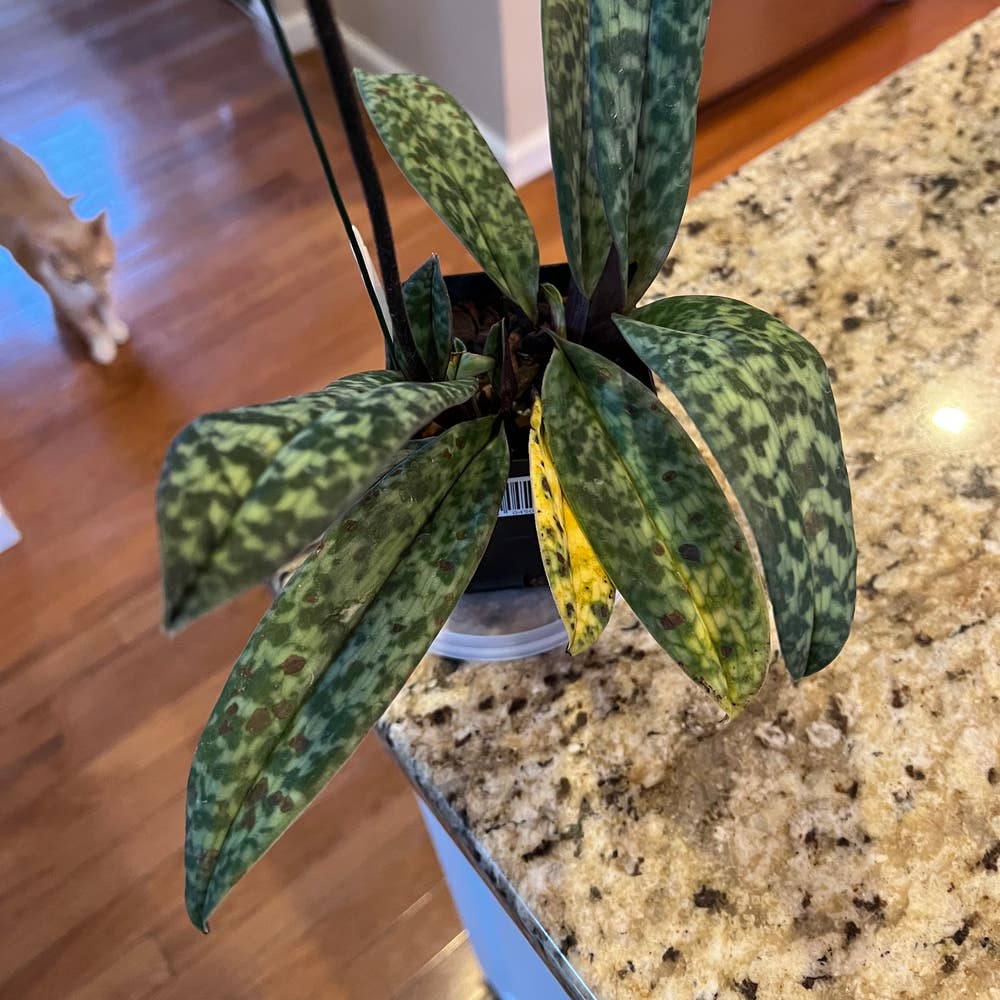
Focus on removing dead or yellowing leaves. This not only improves appearance but also promotes healthier growth.
Ongoing Care Tips 🔍
Monitoring humidity levels is key; aim for 50-70% humidity. This range creates a comfortable environment for your orchid.
Regularly inspect your plant for pests and diseases. Early detection can save your orchid from significant damage.
With these care tips, your Paphiopedilum qingyongii will flourish, bringing beauty and joy to your space. Next, let’s explore how to propagate this stunning orchid.
Propagation
🌱 Division Method
Spring or early summer is the ideal time for propagating Paphiopedilum qingyongii through division. This method allows you to create new plants while rejuvenating the parent plant.
- Start by carefully removing the plant from its pot.
- Gently separate the rhizomes, ensuring each division has roots.
- Replant the divisions in fresh orchid mix to promote healthy growth.
🌾 Seed Propagation
Seed propagation is another exciting way to grow Paphiopedilum qingyongii, though it requires more patience. The seeds need sterile conditions and specific media to germinate successfully.
Germination can take several months to years, depending on the environment and care provided. This method is rewarding but demands diligence and attention to detail.
With both methods, you can expand your collection and share the beauty of this unique orchid with fellow enthusiasts.
Lifecycle
Lifecycle Stages 🌱
Paphiopedilum qingyongii is a perennial plant, meaning it lives for multiple years. This longevity allows it to develop a robust structure and produce stunning blooms over time.
Germination Process 🌱
Under optimal conditions, the germination process takes about 2-3 weeks. This period is crucial for establishing a healthy foundation for future growth.
Seedling Stage 🌱
Once germinated, the seedling stage lasts between 6 months to 1 year. During this time, the young plant develops its initial roots and leaves, setting the stage for further growth.
Vegetative Growth 🌱
The vegetative growth phase can extend from 1 to 3 years. This is when the plant focuses on building its structure, developing leaves, and preparing for flowering.
Flowering Phase 🌸
Expect your Paphiopedilum qingyongii to bloom for the first time in about 3 to 5 years. Patience is key, as these orchids reward your care with beautiful flowers.
Lifespan and Growth Rate 🌱
With proper care, the overall lifespan of Paphiopedilum qingyongii can exceed 10 years. However, it's important to note that its growth rate is relatively slow compared to other orchids, requiring consistent attention and nurturing.
This lifecycle overview highlights the importance of patience and care in cultivating Paphiopedilum qingyongii. Next, we will explore the plant's size and growth habits, which are essential for understanding its space requirements and aesthetic appeal.
Size
Mature Height and Spread 🌱
Paphiopedilum qingyongii typically reaches an average height of 12 to 18 inches. Its spread can range from 12 to 15 inches, making it a lovely addition to any indoor or outdoor space.
Growth Habits 🌿
This orchid exhibits a clumping growth pattern, with multiple leaves emerging from the base. This unique structure not only adds visual interest but also contributes to its overall health and vigor.
Size Variability Based on Conditions 🌈
The size of your Paphiopedilum qingyongii can vary significantly based on environmental factors. Key elements such as light, humidity, and nutrient availability play crucial roles in determining how robust your plant will grow.
Understanding these factors can help you create the ideal conditions for your orchid to thrive. By optimizing its environment, you can enjoy a flourishing plant that showcases its stunning beauty.
As we explore the next section, let's dive into the fascinating world of roots and their importance in the overall health of your Paphiopedilum qingyongii.
Roots
🌱 Root System Characteristics
Paphiopedilum qingyongii features a fibrous root system that is essential for its stability and nutrient absorption. This type of root structure allows the plant to thrive in its natural habitat.
📏 Depth and Spread
Typically, the roots grow to a depth of 6-12 inches. They can also spread wider than the plant's foliage, which helps anchor the plant and access moisture and nutrients.
⚠️ Common Root Issues
One of the most common problems faced by Paphiopedilum qingyongii is root rot, often caused by overwatering. Signs of unhealthy roots include dark, mushy textures that indicate decay.
🔍 Identifying Healthy vs. Unhealthy Roots
Healthy roots are firm and exhibit a white or light tan color. In contrast, unhealthy roots will appear dark and mushy, signaling that intervention is needed.
🌿 Recognizing Rootbound Plants
A rootbound plant has roots that circle the pot, leading to stunted growth and a lack of new development. The solution is simple: repot the plant into a larger container to give the roots room to expand and thrive.
Understanding the root system of Paphiopedilum qingyongii is crucial for its overall health. By monitoring root conditions and addressing issues promptly, you can ensure your orchid flourishes beautifully.
Next, let's explore the benefits of growing this stunning plant.
Benefits
Aesthetic Appeal 🌺
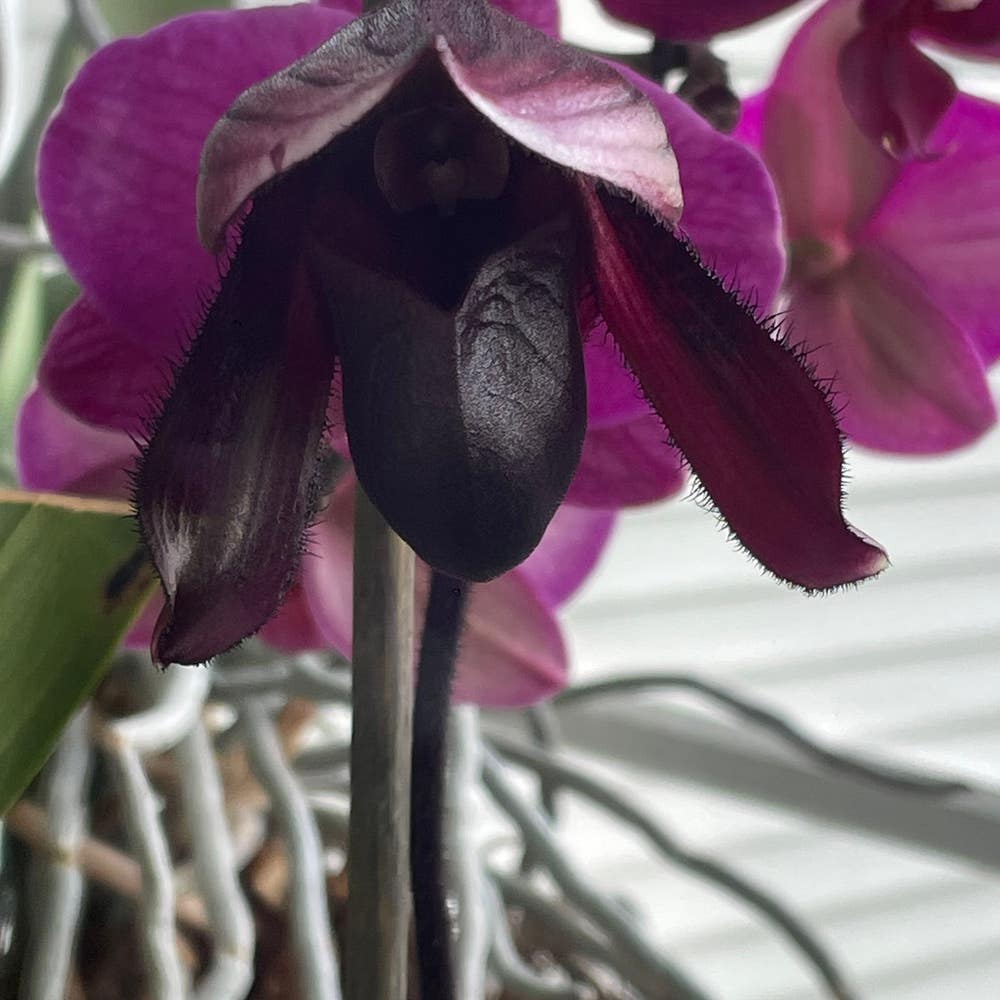
Paphiopedilum qingyongii boasts unique flowers that can elevate any indoor decor. Their exotic appearance adds a touch of elegance and intrigue to your living space.
Air Purification 🌬️
These orchids contribute to improved indoor air quality. By filtering toxins and releasing oxygen, they create a healthier environment for you and your family.
Cultural Significance 🌍
In various cultures, Paphiopedilum qingyongii symbolizes beauty and strength. This cultural resonance makes them not just plants, but meaningful additions to your home.
Symbolism in Gardening 🌱
Growing this orchid represents patience and care. Cultivating it can remind you of the rewards that come from nurturing and dedication.
Therapeutic Benefits 🧘♀️
Caring for plants like Paphiopedilum qingyongii promotes relaxation and mental well-being. Engaging with nature can reduce stress and enhance your overall mood.
These benefits make Paphiopedilum qingyongii a wonderful choice for both novice and experienced gardeners. As you explore their care, you'll find that they offer more than just visual appeal; they enrich your life in multiple ways.
Companion Plants
🌱 Concept of Companion Planting
Companion planting is all about creating a harmonious garden environment. By pairing plants that benefit each other, you enhance biodiversity and improve pest management.
🌼 Best Companion Plants
For Paphiopedilum qingyongii, consider these suitable companions:
- Other Orchids: They thrive in similar conditions and can create a stunning display.
- Ferns: Their lush foliage complements the unique shape of the orchid leaves.
- Shade-Loving Plants: These can help maintain the humidity levels that orchids love.
🚫 Plants to Avoid
Be cautious with aggressive or invasive species. They can compete for resources, stunting the growth of your Paphiopedilum qingyongii and potentially leading to its decline.
Incorporating the right companion plants not only beautifies your space but also fosters a healthier growing environment. As you plan your garden, think about how these relationships can benefit your orchids and enhance your gardening experience.
Toxicity to Humans
Safety of Paphiopedilum qingyongii for Humans 🌼
Paphiopedilum qingyongii is generally considered safe for humans. Major health organizations do not list it as toxic, making it a great choice for indoor gardening.
However, there are potential minor issues to be aware of. If consumed in large quantities, it may cause mild skin irritation or digestive discomfort.
It's always wise to exercise caution. If you experience any unusual symptoms after contact or consumption, seeking medical advice is a good idea.
This orchid can bring beauty into your home without the worry of toxicity, allowing you to enjoy its unique flowers with peace of mind.
As you explore the world of Paphiopedilum qingyongii, remember to keep an eye on your surroundings and the well-being of those around you.
Toxicity to Dogs
Safety of Paphiopedilum qingyongii for Dogs 🐶
Paphiopedilum qingyongii is generally safe for dogs. It is not listed as toxic by major pet poison control centers, which is great news for pet owners who love to keep orchids around.
However, if a dog consumes large quantities of the plant, it may experience mild gastrointestinal upset. This could manifest as a slight stomach ache or an upset tummy, but it’s usually nothing serious.
Tips for Introducing to Homes with Dogs 🏡
When introducing Paphiopedilum qingyongii into a home with dogs, consider proper placement. Keep the plant out of reach to prevent any curious pups from nibbling on it.
Monitoring your dog's behavior around the plant is also essential. If you notice any unusual interest or attempts to chew, it might be wise to relocate the orchid to a safer spot.
In summary, while Paphiopedilum qingyongii poses minimal risk to dogs, a little caution goes a long way in ensuring both your plant and your furry friend thrive together.
Toxicity to Cats
Safety of Paphiopedilum qingyongii for Cats 🐱
Paphiopedilum qingyongii is not considered toxic to cats, according to major pet poison control centers. This means you can enjoy the beauty of this orchid without worrying about your feline friends getting harmed.
However, if a cat consumes a large quantity of the plant, it may experience mild gastrointestinal upset. Symptoms could include vomiting or diarrhea, but these are generally not severe.
Tips for Introducing to Homes with Cats 🏡
When bringing Paphiopedilum qingyongii into a home with cats, consider its placement carefully. Position the plant in areas that are less accessible to curious paws.
Monitoring your cat's behavior around the plant is also essential. If you notice any unusual interest or nibbling, it might be wise to relocate the orchid to a safer spot.
In summary, while Paphiopedilum qingyongii poses minimal risk to cats, a little caution goes a long way in ensuring a harmonious home. Now that you know about its safety, let's explore how to care for this stunning orchid effectively.
Problems
Common Issues Faced 🌱
Growing Paphiopedilum qingyongii can be rewarding, but it comes with its challenges. Incorrect watering is a common issue; overwatering leads to root rot, while underwatering can cause the plant to wilt.
Light conditions also play a crucial role. Insufficient light may result in etiolation, where the plant stretches towards the light, while too much direct sunlight can scorch the leaves.
Diseases 🦠
Fungal diseases can plague your orchid if not monitored closely. Powdery mildew, rust, and black rot are the most common culprits, often thriving in overly humid conditions.
To combat these issues, ensure good air circulation and avoid overhead watering. If you spot any fungal growth, act quickly with appropriate fungicides.
Root Problems 🌿
Root rot is a significant concern for Paphiopedilum qingyongii. Signs include dark, mushy roots and a foul smell from the soil.
To address root rot, remove the plant from its pot, trim away the affected roots, and repot it in fresh, well-draining orchid mix. Adjust your watering schedule to prevent recurrence.
Leaf Issues 🍃
Leaf problems can manifest in various ways. Scorching occurs when leaves are exposed to too much light, resulting in crispy, brown edges.
Yellowing leaves often indicate overwatering or nutrient deficiencies. Fuzzy growth may signal a pest issue or fungal infection, requiring immediate attention.
Growth Problems 📈
If your orchid isn't growing or appears leggy, it may be a sign of inadequate light or nutrients. Ensure your plant receives the right balance of care to promote healthy growth.
Regularly check for signs of stress, and adjust your care routine accordingly. With the right attention, your Paphiopedilum qingyongii can thrive beautifully.
As you navigate these common issues, remember that patience and observation are key. Your efforts will lead to a flourishing plant that brings joy to your space.
Bugs
🛡️ Pest Resistance
Paphiopedilum qingyongii exhibits a general resistance to pests, but it’s not invincible. Understanding its susceptibility can help you take proactive measures to protect your plant.
🐜 Common Pests
Spider Mites
Spider mites are tiny, often invisible to the naked eye, but their damage is unmistakable. Look for fine webbing on leaves and stippling, which indicates they are feeding on your plant.
Scale Insects
Scale insects can be tricky to spot due to their protective shells. If you notice sticky residue or yellowing leaves, check for these pests and treat them with insecticidal soap or neem oil.
Mealybugs
Mealybugs resemble small cottony masses on your plant. They suck sap from the leaves, leading to wilting and stunted growth. A cotton swab dipped in alcohol can effectively remove them.
Aphids and Whiteflies
Aphids and whiteflies are notorious for their rapid reproduction. You might see them clustering on new growth or under leaves. Regularly inspecting your plant and using insecticidal soap can keep these pests at bay.
By staying vigilant and addressing pest issues promptly, you can ensure your Paphiopedilum qingyongii thrives. Next, let’s explore what animals might pose a threat to your precious plant.
What Eats Paphiopedilum qingyongii
🐾 Common Animals That May Damage the Plant
Paphiopedilum qingyongii can attract a variety of hungry critters. Common culprits include deer, rabbits, squirrels, birds, rodents, and groundhogs.
🔍 Signs of Animal Presence
To identify if these animals are munching on your orchids, look for specific signs. Tracks, droppings, and damaged foliage are clear indicators that your plant may be under attack.
🐾 Damage Description
Each animal leaves its mark in different ways. Deer may nibble on leaves, while rabbits can strip stems. Squirrels and rodents often dig around the roots, and birds might peck at the flowers, causing unsightly damage.
🚫 Deterrent Methods
Protecting your Paphiopedilum qingyongii from these pests is crucial. Consider using chemical repellents or organic methods like planting deterrent herbs around your orchids. Fencing can also be effective in keeping larger animals at bay.
By being proactive, you can enjoy the beauty of your orchids without the worry of unwanted visitors. Now that you know how to safeguard your plants, let’s explore the common problems they may face.
⚠️ Safety First
This content is for general information and may contain errors, omissions, or outdated details. It is not medical, veterinary advice, or an endorsement of therapeutic claims.
Always consult a qualified healthcare professional before using any plant as food, medicine, or supplement.
Never eat any plant (or feed one to pets) without confirming its identity with at least two trusted sources.
If you suspect poisoning, call Poison Control (800) 222-1222, the Pet Poison Helpline (800) 213-6680, or your local emergency service immediately.
Spotted an error? Please report it here.
Cultivating your Paphiopedilum qingyongii can be a delightful adventure 🌱, and with Greg's tailored care reminders, you'll keep your orchid thriving in its perfect environment!