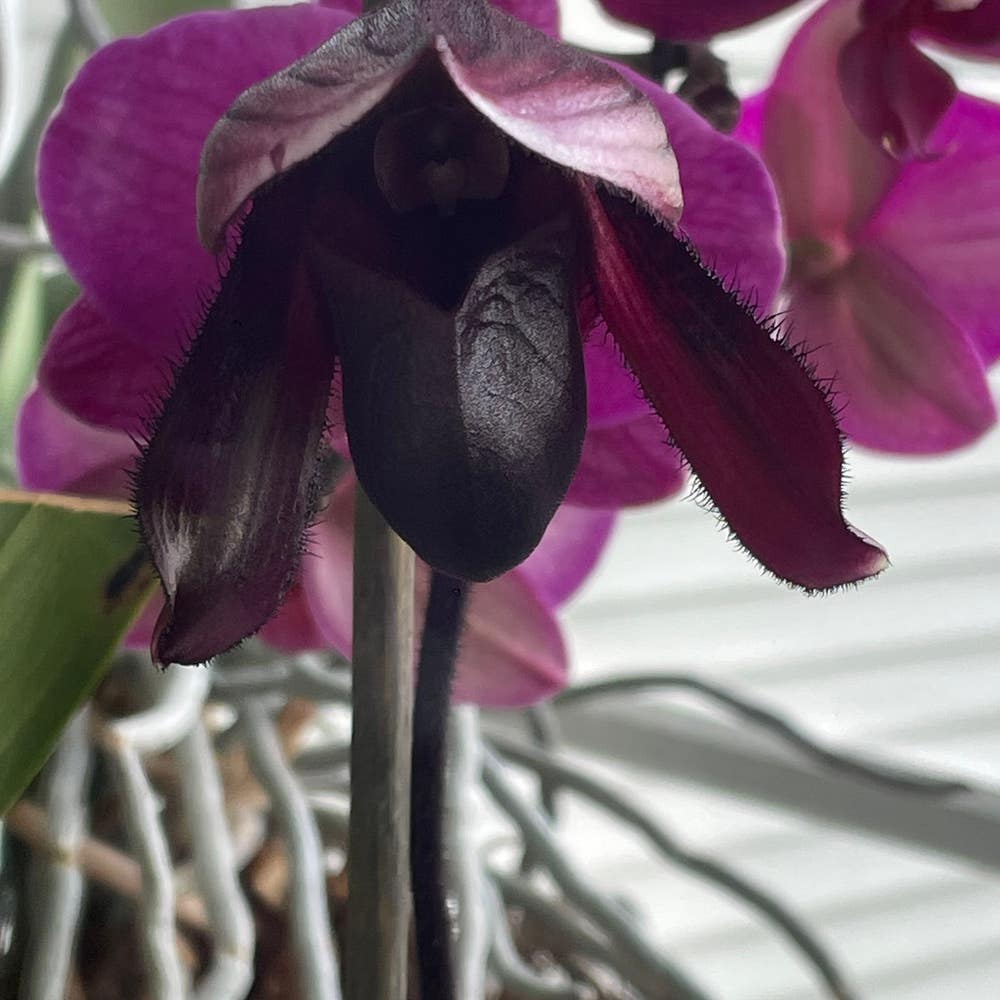
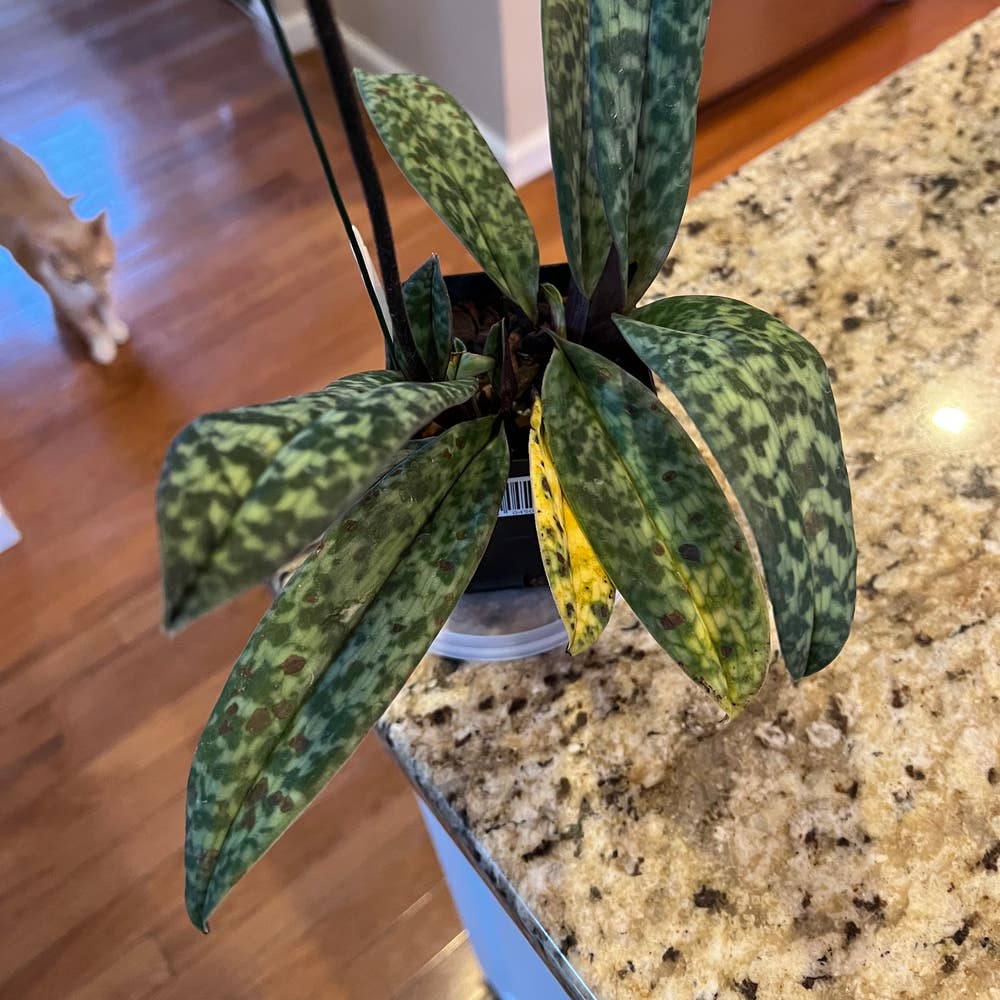
🎭 All About Paphiopedilum 'Pinocchio': Essential Facts
Paphiopedilum 'Pinocchio'
By the Greg Editorial Team
Jan 23, 2025•11 min read
This article was created with the help of AI so we can cover more plants for you. May contain errors. See one? Report it here.
Discover how to grow stunning Paphiopedilum 'Pinocchio' orchids 🌱 and enjoy their beauty for years to come!
- 🌞 Paphiopedilum 'Pinocchio' thrives in bright, indirect sunlight and 20-30°C temperatures.
- 💧 Humidity levels of 50-70% are crucial for healthy growth.
- 🌱 Use a well-draining mix and water weekly to avoid crown rot.
How to Grow
Choosing the Right Location 🌞
To thrive, Paphiopedilum 'Pinocchio' needs bright, indirect sunlight. Aim for a temperature range of 20°C to 30°C (68°F to 86°F) and maintain humidity levels between 50% and 70% for optimal growth.
Soil Preparation and Potting Mix 🪴
A well-draining, moisture-retentive potting mix is essential. Combine bark, perlite, and sphagnum moss for the ideal growing medium.
Planting Techniques and Container Options 🏺
When selecting a container, consider clay pots for breathability or plastic pots for moisture retention. Ensure the crown of the plant is above the soil line to promote healthy growth.
Watering Frequency and Methods 🚰
During the growing season, water your Paphiopedilum weekly, and reduce to bi-weekly in winter. Use bottom watering techniques to prevent crown rot and keep your plant healthy.
Fertilizing Schedule and Types of Fertilizers 🍽️
Fertilize monthly during active growth with a balanced orchid fertilizer, such as a 30-10-10 mix. This will provide the necessary nutrients for vibrant blooms.
Pruning and Ongoing Care Practices ✂️
Regularly prune dead or yellowing leaves to encourage new growth. Additionally, check for pests and adjust humidity levels to ensure your plant remains in peak condition.
Transitioning to the next section, let's explore the fascinating world of propagation for your Paphiopedilum 'Pinocchio'.
Propagation
🌱 Methods of Propagation
When it comes to propagating Paphiopedilum 'Pinocchio', division is your best bet. This method is straightforward and effective, while seed propagation is less common and requires specific conditions.
📋 Step-by-Step Instructions for Each Method
Division
- Timing: Aim for spring or early summer for the best results.
- Steps: Carefully separate the rhizomes, ensuring that each division has its own roots.
Seed Propagation
- Timing: This should be done after the plant has finished flowering.
- Conditions: Use sterile media and maintain high humidity to encourage growth.
⏰ Timing and Conditions for Successful Propagation
For both methods, warm temperatures and high humidity are crucial. These conditions create an ideal environment for your Paphiopedilum 'Pinocchio' to thrive and multiply.
With the right techniques and care, you'll soon enjoy more of these stunning orchids in your collection. Next, let’s explore the lifecycle of this fascinating plant!
Lifecycle
🌱 Lifecycle Stages
The lifecycle of Paphiopedilum 'Pinocchio' unfolds in distinct stages. It begins with germination, which takes about 2-3 weeks for seeds.
Following germination, the plant enters the seedling stage, lasting 6-12 months until it establishes a solid foundation. After that, it progresses into vegetative growth, which can take 1-2 years to reach maturity. Finally, flowering typically occurs after 2-3 years of careful nurturing.
⏳ Duration to Maturity and Growth Rate
On average, it takes approximately 2-3 years for Paphiopedilum 'Pinocchio' to fully mature. The growth rate is moderate and heavily influenced by the care conditions provided.
Optimal light, humidity, and nutrients can significantly enhance this growth rate, making attentive care essential for a thriving plant.
🌼 Lifespan
With proper care, Paphiopedilum 'Pinocchio' can enjoy a lifespan of 10-15 years. This longevity makes it a rewarding addition to any plant collection, providing beauty and interest for many years.
As you nurture your plant through its lifecycle, remember that each stage is an opportunity to learn and grow alongside it. Now that you understand its lifecycle, let’s explore how to propagate this unique orchid.
Size
Mature Height and Spread 🌱
Paphiopedilum 'Pinocchio' typically reaches a mature height of 30-45 cm (12-18 inches) and spreads out to about 20-30 cm (8-12 inches). This compact size makes it an excellent choice for indoor spaces or smaller gardens.
Growth Rate and Factors Affecting Size 📈
The growth rate of this orchid is moderate, which means it won't outgrow its space too quickly. Key factors influencing its size include light, humidity, and nutrient availability, so providing optimal conditions is essential for healthy growth.
Size Variability Based on Growing Conditions 🌍
The size of your Paphiopedilum 'Pinocchio' can vary significantly based on care. When given the right attention, these plants flourish and grow larger, while neglect can lead to stunted growth and smaller specimens.
Understanding these size dynamics helps you set realistic expectations and care routines for your orchid. With the right environment, you can enjoy a thriving plant that adds beauty to your space.
As we move forward, let’s explore the fascinating lifecycle of Paphiopedilum 'Pinocchio' and how it develops over time.
Roots
🌱 Characteristics of the Root System
Paphiopedilum 'Pinocchio' features a fibrous root system that is essential for its growth. These roots are shallow and spread out, allowing the plant to efficiently absorb moisture.
🚫 Common Root-Related Issues and Solutions
One of the most common problems is root rot, often caused by overwatering. Signs of this issue include mushy roots, which can be prevented by ensuring the use of well-draining soil and adhering to proper watering techniques.
✅ Identifying Healthy vs. Unhealthy Roots
Healthy roots are typically firm and exhibit a white or light tan color. In contrast, unhealthy roots will appear dark, mushy, or may even emit a foul smell, indicating a need for immediate attention.
🪴 Understanding Rootbound Conditions and Management
Rootbound conditions occur when roots circle the pot, limiting the plant's growth potential. Signs include stunted growth and roots emerging from drainage holes, which can be resolved by repotting the plant into a larger container.
With a solid understanding of root health, you can ensure your Paphiopedilum 'Pinocchio' thrives. Next, let’s explore the benefits of this unique orchid and why it deserves a spot in your collection.
Benefits
Top 5 Benefits of Paphiopedilum 'Pinocchio' 🌸
Paphiopedilum 'Pinocchio' is not just a pretty face; it offers a range of benefits that make it a fantastic addition to any home or garden.
Unique Aesthetic Appeal
With its striking blooms, this orchid stands out in any setting. The long-lasting flowers provide a splash of color that can brighten up your space for weeks.Air Purification Properties
Like many houseplants, 'Pinocchio' helps improve indoor air quality. It absorbs toxins and releases oxygen, making your environment healthier.Low Maintenance Once Established
After the initial care, this orchid requires minimal effort. It thrives with basic attention, making it perfect for busy plant lovers.Enhances Indoor Humidity Levels
Orchids naturally release moisture into the air. This can help maintain humidity levels, benefiting both the plant and your skin during dry seasons.Symbol of Love and Beauty in Various Cultures
Orchids have long been associated with love and beauty. Gifting a Paphiopedilum 'Pinocchio' can convey deep sentiments, making it a thoughtful present.
Incorporating this orchid into your life not only beautifies your space but also contributes to a healthier environment. Let's explore how to grow and care for this stunning plant next!
Companion Plants
🌱 Companion Planting and Its Benefits
Companion planting is a fantastic way to enhance your garden's diversity while managing pests effectively. By pairing plants with similar care needs, you create a thriving ecosystem that supports growth and health.
🌿 Compatible Companion Plants
When it comes to Paphiopedilum 'Pinocchio', consider companions like ferns and peace lilies. These humidity-loving plants not only share similar environmental preferences but also add to the aesthetic appeal of your indoor or outdoor space.
🚫 Plants to Avoid
While it's tempting to fill your garden with various plants, steer clear of heavy feeders. These plants can compete for nutrients, potentially stunting the growth of your Paphiopedilum 'Pinocchio' and leading to an unhealthy garden environment.
By choosing the right companions, you can create a harmonious space that benefits all your plants. This thoughtful approach not only enhances beauty but also promotes a healthier growing environment. Next, let's explore the fascinating world of toxicity and safety regarding Paphiopedilum 'Pinocchio' for humans and pets.
Toxicity to Humans
Safety for Humans 🌿
Paphiopedilum 'Pinocchio' is not listed as toxic by major poison control centers. This means you can enjoy its beauty without worrying about severe health risks.
While the plant poses minimal risk, there is a slight chance of mild skin irritation or digestive discomfort if ingested in large quantities.
Caution ⚠️
Always exercise caution when handling any plant. If you experience unusual symptoms after contact or ingestion, it’s wise to seek medical advice.
In summary, Paphiopedilum 'Pinocchio' is a safe choice for your home, allowing you to appreciate its unique charm without significant health concerns.
Next, let’s explore how this lovely orchid interacts with our furry friends, starting with its safety for dogs.
Toxicity to Dogs
Safety for Dogs 🐶
Paphiopedilum 'Pinocchio' is considered safe for dogs, according to veterinary organizations. This means you can enjoy this beautiful orchid without worrying about your furry friends getting harmed.
Potential Minor Issues ⚠️
While not toxic, excessive consumption of the plant may lead to mild gastrointestinal upset in dogs. It's always a good idea to keep the plant out of reach and monitor your pet's behavior around it.
Tips for Dog Owners 🏡
To ensure a harmonious environment, place your Paphiopedilum in a location that's less accessible to your dog. Regularly check for any signs of nibbling and encourage your pet to stick to their own food.
With these precautions, you can enjoy the beauty of your orchid while keeping your canine companion safe and sound.
Toxicity to Cats
Safety for Cats 🐱
Paphiopedilum 'Pinocchio' is not considered toxic according to major pet poison control centers. This means you can enjoy its beauty without worrying about your feline friends.
Potential Minor Issues 🚨
While the plant is safe, excessive consumption may lead to mild gastrointestinal upset. It's always a good idea to monitor your cat's behavior around houseplants.
Tips for Cat Owners 🐾
To keep your curious cat safe, discourage them from nibbling on non-food plants. Providing alternative chew toys or cat grass can help satisfy their curiosity without risking their health.
With these precautions, you can enjoy your Paphiopedilum 'Pinocchio' while ensuring your cat stays happy and healthy. Next, let’s explore common problems that can arise with this beautiful orchid.
Problems
🌱 Common Problems
Incorrect Watering
Watering is crucial for the health of your Paphiopedilum 'Pinocchio.' Overwatering leads to yellowing leaves, while underwatering causes wilting.
To fix this, adjust your watering frequency. Aim for a consistent schedule that suits the plant's needs.
Incorrect Light Conditions
Light plays a significant role in plant growth. Too much light can scorch the leaves, while too little can result in leggy growth.
If you notice these symptoms, move your plant to a more suitable light condition. Bright, indirect sunlight is ideal for this orchid.
Incorrect Temperature
Temperature fluctuations can stunt growth. Paphiopedilum 'Pinocchio' thrives in a range of 20°C to 30°C (68°F to 86°F).
To maintain optimal growth, keep your plant within this temperature range. Avoid placing it near drafts or heat sources.
Diseases
Diseases like powdery mildew and root rot can plague your orchid. These issues often arise from poor air circulation or overwatering.
To combat these diseases, improve air circulation around the plant and avoid letting it sit in water. Regular checks can help catch problems early.
Leaf Issues
Leaf problems can manifest as scorching, yellowing, or fuzzy growth. These symptoms often indicate care practices that need adjustment.
Evaluate your watering, light, and humidity levels to address these issues. Small tweaks can lead to healthier leaves and a happier plant.
🌟 Conclusion
By being aware of these common problems and their solutions, you can ensure your Paphiopedilum 'Pinocchio' thrives. With the right care, you'll enjoy its unique beauty for years to come. Next, let's explore the fascinating world of pests that can affect your orchid.
Bugs
🐛 Potential Pest Issues
Paphiopedilum 'Pinocchio' is generally known for its moderate pest resistance. However, it can still fall victim to a few common pests that may disrupt its growth.
🔍 Identification and Damage
Spider Mites
Spider mites are tiny pests that can wreak havoc on your plant. Look for fine webbing and stippled leaves as signs of their presence.
Scale Insects
Scale insects are another concern. They leave behind a sticky residue and create small bumps on the leaves, indicating an infestation.
Mealybugs
Mealybugs are easily identifiable by their cotton-like masses on the leaves. These pests can quickly multiply if not addressed.
🛠️ Effective Treatment Options
Regular inspection is crucial for catching pest issues early. If you notice any signs of infestation, act promptly to manage the problem effectively.
For spider mites, increasing humidity and applying miticides can help. Scale insects can be treated with neem oil or insecticidal soap, while mealybugs respond well to rubbing alcohol or insecticidal soap.
By staying vigilant and proactive, you can keep your Paphiopedilum 'Pinocchio' healthy and thriving. Next, let’s explore the common problems that can arise in the care of this beautiful orchid.
What Eats
Common Animals 🦌
Paphiopedilum 'Pinocchio' can attract a variety of hungry critters. Watch out for deer, rabbits, squirrels, and rodents, as they may find your plant irresistible.
Signs of Animal Presence 🐾
Identifying animal visitors is crucial for protecting your plant. Look for signs like chewed leaves, droppings, or tracks around the base of your Paphiopedilum.
Deterring Methods 🚫
Keeping these pests at bay requires a bit of strategy.
- Chemical deterrents: Consider using commercial repellents designed to ward off animals.
- Organic methods: You can also plant deterrent species nearby or set up physical barriers to protect your precious plant.
By staying vigilant and employing these methods, you can help ensure your Paphiopedilum thrives without unwanted nibblers. Next, let’s explore the potential pest issues that can affect your plant’s health.
⚠️ Safety First
This content is for general information and may contain errors, omissions, or outdated details. It is not medical, veterinary advice, or an endorsement of therapeutic claims.
Always consult a qualified healthcare professional before using any plant as food, medicine, or supplement.
Never eat any plant (or feed one to pets) without confirming its identity with at least two trusted sources.
If you suspect poisoning, call Poison Control (800) 222-1222, the Pet Poison Helpline (800) 213-6680, or your local emergency service immediately.
Spotted an error? Please report it here.
Nurture your Paphiopedilum 'Pinocchio' to bloom beautifully 🌺 with Greg's tailored care reminders and expert tips that keep your orchid thriving in its perfect environment!