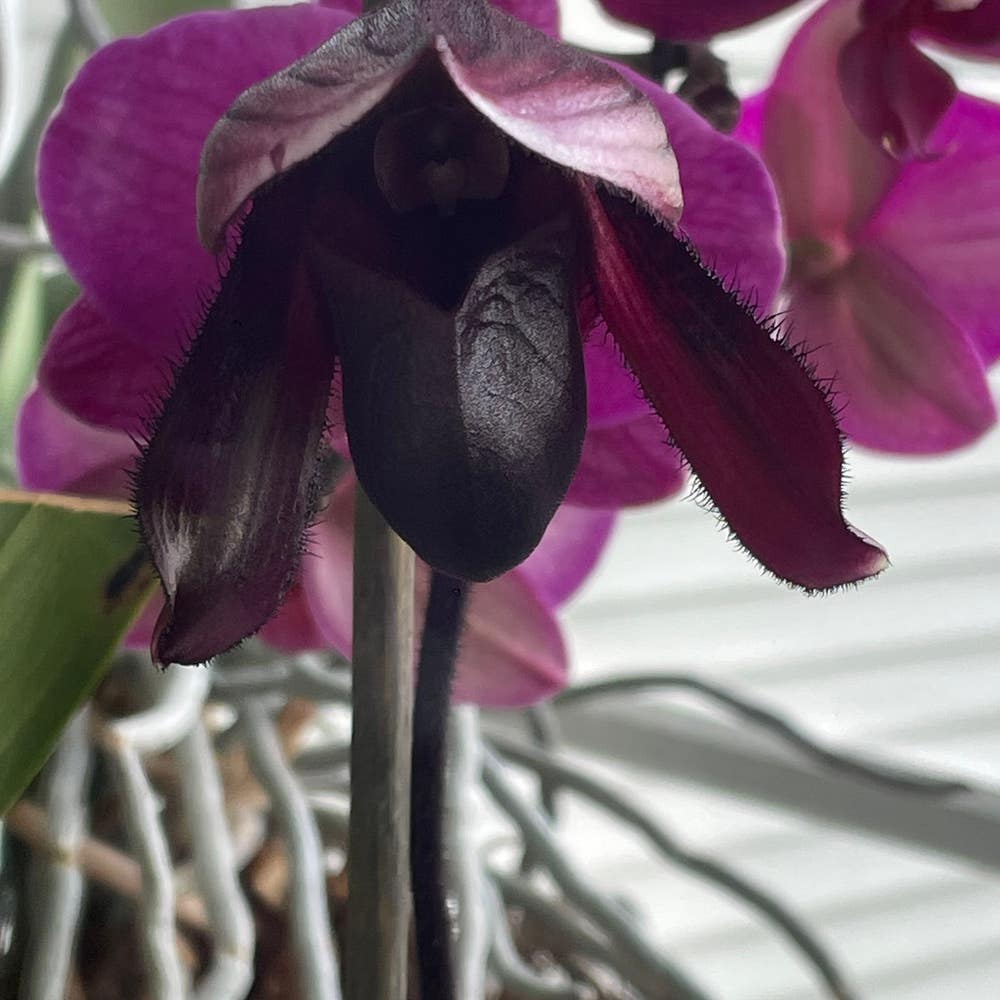
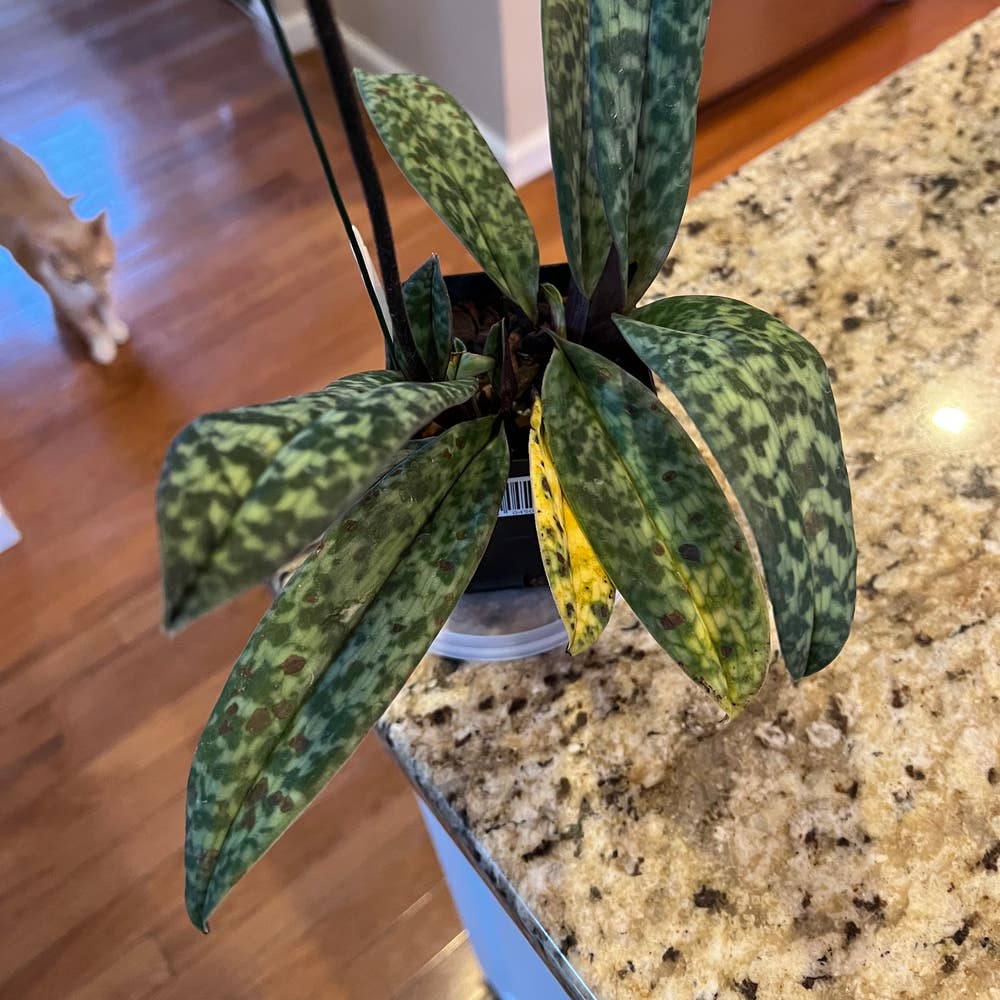
🌸 Ultimate Guide to Paphiopedilum 'Memoria Alex Allison'
Paphiopedilum 'Memoria Alex Allison'
By the Greg Editorial Team
Feb 03, 2025•11 min read
This article was created with the help of AI so we can cover more plants for you. May contain errors. See one? Report it here.
Discover how to cultivate the stunning Paphiopedilum 'Memoria Alex Allison' orchid for vibrant blooms and lasting beauty! 🌱
- 🌞 Bright, indirect light prevents leaf scorch for Paphiopedilum 'Memoria Alex Allison'.
- 💧 Humidity levels of 50-70% are crucial for healthy orchid growth.
- 🌱 Use orchid bark and perlite for optimal potting mix and moisture retention.
How to Grow
Choosing the Right Location 🌞
To thrive, Paphiopedilum 'Memoria Alex Allison' requires bright, indirect light. Direct sunlight can scorch its delicate leaves, so find a spot that offers filtered light.
Humidity is crucial for this orchid, ideally between 50-70%. Maintaining this level will help your plant flourish and prevent stress.
Temperature plays a significant role as well. Aim for a comfortable range of 20°C to 30°C (68°F to 86°F) to keep your orchid happy and healthy.
Soil Preparation and Potting Mix 🪴
For optimal growth, use a potting mix that combines orchid bark, perlite, and sphagnum moss. This blend provides the right balance of aeration and moisture retention.
Well-draining soil is essential to prevent root rot. Ensure your mix allows excess water to escape easily, safeguarding your plant's roots.
Watering Techniques and Frequency 🚰
Water your Paphiopedilum when the top inch of soil feels dry. This simple check helps you avoid overwatering, which can lead to root issues.
Using distilled or rainwater is best for your orchid. Tap water may contain chemicals that can harm your plant, so always aim for the purest option.
Fertilizing Schedule and Types of Fertilizers 🍽️
During the growing season, fertilize every 2-4 weeks. This regular feeding supports healthy growth and vibrant blooms.
A balanced orchid fertilizer, such as a 30-10-10 formula, is recommended. This nutrient mix provides the essential elements your orchid needs to thrive.
Pruning and Maintenance Practices ✂️
Pruning is straightforward: remove any dead or yellowing leaves. This practice not only keeps your plant looking tidy but also encourages new growth.
Regular maintenance is key. Keep an eye out for pests and diseases to catch any issues early and ensure your orchid remains healthy.
With these guidelines, you'll be well on your way to nurturing a thriving Paphiopedilum 'Memoria Alex Allison'. Next, let’s explore how to propagate this beautiful orchid for even more blooms!
Propagation
🌱 Methods of Propagation
When it comes to propagating Paphiopedilum 'Memoria Alex Allison', division is the most effective method. Seed propagation is possible but less common and requires more specialized conditions.
📝 Step-by-Step Instructions for Each Method
1. Division
- Timing: The best time to divide your orchid is early spring.
- Steps: Carefully separate the rhizomes and replant them in fresh potting mix. This method encourages healthy growth and can rejuvenate your plant.
2. Seed
- Timing: Seed propagation typically requires specific conditions and is best done in sterile environments.
- Steps: This method is more complex and often involves using a lab setup to ensure successful germination.
⏰ Timing and Conditions for Successful Propagation
For both division and seed propagation, maintaining warm temperatures and high humidity is crucial. These conditions create an optimal environment for your orchid to thrive and establish itself.
With the right approach, you can enjoy the rewarding experience of propagating your Paphiopedilum 'Memoria Alex Allison'. Next, let’s explore the lifecycle of this beautiful orchid and understand its growth stages.
Lifecycle
Overview of Lifecycle Stages 🌱
The lifecycle of Paphiopedilum 'Memoria Alex Allison' consists of several distinct stages: germination, seedling, vegetative growth, flowering, and seed production. Each stage plays a crucial role in the plant's development and overall health.
Germination and Seedling Stage 🌼
Germination typically takes about 2-4 weeks under optimal conditions. During this time, maintaining adequate humidity and light is essential for healthy seedling growth.
Vegetative Growth and Flowering 🌸
After germination, the plant enters vegetative growth, which lasts about 1-2 years before it reaches the flowering stage. Once it blooms, you can expect flowering to occur approximately once a year.
Seed Production and Lifespan 🌿
With proper care, Paphiopedilum 'Memoria Alex Allison' can thrive for several years. It usually takes around 2-3 years to reach maturity and begin producing seeds, ensuring a continuous cycle of growth and reproduction.
This lifecycle overview highlights the importance of patience and attentive care in nurturing this beautiful orchid. Next, we will explore the size characteristics of this stunning plant.
Size
Mature Height and Spread 🌱
Paphiopedilum 'Memoria Alex Allison' typically reaches an average mature height of 12 to 18 inches. Its spread is equally impressive, extending about 12 to 15 inches wide.
Growth Rate and Factors Affecting Size 📈
This orchid exhibits a moderate growth rate, which can be influenced by various environmental conditions. Factors such as light, humidity, and temperature play crucial roles in determining how quickly your plant will thrive.
Size Variability Based on Growing Conditions 🌍
The size of your Paphiopedilum can vary significantly based on its growing conditions. For instance, a larger pot size, optimal light exposure, and adequate humidity can lead to more robust growth, while subpar conditions may stunt its development.
Understanding these aspects of size will help you create the best environment for your orchid. Next, let’s explore the fascinating world of roots and their importance in the health of your Paphiopedilum.
Roots
Characteristics of the Root System 🌱
Paphiopedilum 'Memoria Alex Allison' features a rhizomatous root system. This means its roots spread out horizontally, remaining relatively shallow but extensive.
Common Root-Related Issues 🚫
One of the most common problems is root rot, which occurs due to overwatering. Signs of this issue include mushy roots that can lead to serious health problems for your plant.
Visual Cues for Healthy vs. Unhealthy Roots 👀
Healthy roots are typically firm and exhibit a white or light tan color. In contrast, unhealthy roots appear dark, mushy, or may even emit a foul smell.
Recognizing Rootbound Plants 🪴
If you notice roots growing out of the drainage holes or stunted growth, your plant may be rootbound. The solution is simple: repotting into a larger container can give your plant the space it needs to thrive.
Understanding the root system of your Paphiopedilum 'Memoria Alex Allison' is crucial for its overall health. By keeping an eye on these indicators, you can ensure your orchid remains vibrant and flourishing.
Next, we will explore the benefits of growing this stunning orchid, highlighting why it deserves a spot in your home or garden.
Benefits
Top 5 Benefits of Growing 🌱
Growing Paphiopedilum 'Memoria Alex Allison' comes with a host of advantages that can enhance your gardening experience.
Aesthetic Appeal: The unique flowers of this orchid are a stunning addition to any indoor or outdoor space. Their intricate design and vibrant colors can elevate your decor and impress guests.
Air Purification: These orchids contribute to improved indoor air quality. They help filter out toxins, making your living environment healthier and more pleasant.
Long Lifespan: With proper care, Paphiopedilum 'Memoria Alex Allison' can thrive for several years. This longevity means you can enjoy their beauty for a long time without frequent replacements.
Cultural Significance: Orchids symbolize beauty and elegance in various cultures. Growing this plant can connect you to rich traditions and stories, adding depth to your gardening journey.
Educational Value: Caring for this orchid offers valuable learning opportunities. You'll gain insights into orchid care and propagation, enriching your gardening skills and knowledge.
These benefits make Paphiopedilum 'Memoria Alex Allison' not just a plant, but a rewarding companion in your gardening adventures. As you explore these advantages, you'll find that this orchid can bring joy and beauty into your life.
Next, let’s delve into the fascinating world of companion plants that thrive alongside your Paphiopedilum.
Companion Plants
🌱 Explanation of Companion Planting and Its Benefits
Companion planting is a gardening technique that promotes the growth of different plants together for mutual benefits. This practice enhances garden diversity, improves pest management, and boosts aesthetic appeal.
🌼 Best Companion Plants
When selecting companions for your Paphiopedilum 'Memoria Alex Allison', consider other orchids, ferns, and shade-loving plants. These selections thrive under similar humidity and light conditions, creating a harmonious environment.
🚫 Plants to Avoid
It's best to steer clear of plants that require full sun or dry conditions. Such plants can compete for resources and create an unfavorable environment for your orchids.
By choosing the right companions, you can create a thriving ecosystem that supports your Paphiopedilum while adding beauty to your space. Now that you know how to select companions, let’s explore the potential toxicity of this orchid to humans and pets.
Toxicity to Humans
🛡️ Safety for Humans
Paphiopedilum 'Memoria Alex Allison' is considered non-toxic, as it is not listed as harmful by major health organizations. However, it's wise to be cautious, as ingesting large quantities may lead to mild skin irritation or digestive discomfort.
⚠️ Recommendations for Caution
While this orchid is generally safe, it's best to exercise caution. If you experience any unusual symptoms after contact or ingestion, seek medical advice promptly.
Toxicity to Dogs
Safety for Dogs 🐶
Paphiopedilum 'Memoria Alex Allison' is considered non-toxic to dogs, according to major pet poison control centers. However, if consumed in large quantities, it may cause mild gastrointestinal upset.
Tips for Introducing the Plant 🌱
When introducing this orchid into your home, it's wise to keep it out of reach of your furry friends. Always monitor your dog's behavior around the plant to ensure they don't nibble on it.
This way, you can enjoy the beauty of your orchid without worrying about your pet's health.
Toxicity to Cats
Safety for Cats 🐱
Paphiopedilum 'Memoria Alex Allison' is considered non-toxic to cats, according to major pet poison control centers. However, if ingested in large quantities, it may cause mild gastrointestinal upset.
Tips for Introducing the Plant 🌱
When introducing this orchid into your home, it's wise to keep it out of your cat's reach. Regularly monitor your cat's behavior around the plant to ensure they don't nibble on it.
By taking these precautions, you can enjoy the beauty of your orchid while keeping your feline friend safe.
Problems
🌱 Common Problems Faced
Growing Paphiopedilum 'Memoria Alex Allison' can come with its share of challenges. The most common issues include incorrect watering, which can lead to signs of overwatering or underwatering.
Light conditions also play a crucial role. Symptoms of too much light include scorched leaves, while too little light can result in leggy growth.
🔍 Identification and Causes
Identifying the root causes of these problems is essential for effective care. Fungal diseases like powdery mildew and root rot can plague your plant, often stemming from excessive moisture or poor air circulation.
Leaf issues are another red flag. Scorching, yellowing, or fuzzy growth can indicate environmental stress or pest infestations.
🛠️ Solutions for Resolving Problems
Fortunately, many of these problems have straightforward solutions. Adjusting your watering schedule can help prevent both overwatering and underwatering.
For light and temperature issues, simply reposition your plant to a more suitable location. Regular monitoring and quick adjustments can keep your Paphiopedilum thriving.
With a little attention, you can overcome these challenges and enjoy the beauty of your orchid.
Bugs
🐛 Potential Pest Issues
While Paphiopedilum 'Memoria Alex Allison' is generally resilient, it can still fall prey to certain pests. Keeping an eye out for these invaders is crucial to maintaining the health of your orchid.
🔍 Identification and Damage
Common pests that may target your plant include spider mites, mealybugs, aphids, and whiteflies. Look for signs of damage such as wilting leaves, yellowing foliage, and stunted growth, which can indicate an infestation.
🧴 Effective Treatment Options
To combat these pests, consider using insecticidal soap or neem oil, both of which are effective and relatively safe for your plant. Manual removal of pests can also be beneficial; just make sure to check your plant regularly to catch any issues early on.
By staying vigilant and addressing pest problems promptly, you can ensure your Paphiopedilum thrives beautifully. Next, let’s explore what animals might be lurking around your plant and how to keep them at bay.
What Eats Paphiopedilum 'Memoria Alex Allison'
🦌 Common Animals That May Damage the Plant
Paphiopedilum 'Memoria Alex Allison' can attract a variety of hungry critters. Common culprits include deer, rabbits, squirrels, and rodents, all of which may find your orchid's lush foliage irresistible.
👀 Signs of Animal Presence
To identify if animals are munching on your plant, look for specific damage signs. Chewed leaves, broken stems, and droppings around the base of the plant are clear indicators that wildlife may be visiting your garden.
🚫 Methods for Deterring Animals
Preventing these animals from feasting on your orchid is crucial for its health. Here are some effective deterrent methods:
- Fencing: Install a barrier around your plants to keep larger animals like deer and rabbits at bay.
- Repellents: Use commercial or homemade repellents that can deter animals with strong scents.
- Companion Planting: Surround your orchid with plants that animals dislike, creating a natural deterrent.
By implementing these strategies, you can help protect your Paphiopedilum 'Memoria Alex Allison' from unwanted visitors. Keeping your plant safe ensures it thrives and continues to bring beauty to your space.
⚠️ Safety First
This content is for general information and may contain errors, omissions, or outdated details. It is not medical, veterinary advice, or an endorsement of therapeutic claims.
Always consult a qualified healthcare professional before using any plant as food, medicine, or supplement.
Never eat any plant (or feed one to pets) without confirming its identity with at least two trusted sources.
If you suspect poisoning, call Poison Control (800) 222-1222, the Pet Poison Helpline (800) 213-6680, or your local emergency service immediately.
Spotted an error? Please report it here.
Nurture your Paphiopedilum 'Memoria Alex Allison' to bloom beautifully 🌸 by using Greg's tailored care reminders and expert tips for a thriving orchid experience!