What You Should Know About Paphiopedilum 'Iona Gx Ursula' 🌸
Paphiopedilum 'Iona Gx Ursula'
By the Greg Editorial Team
Feb 11, 2025•12 min read
This article was created with the help of AI so we can cover more plants for you. May contain errors. See one? Report it here.
Elevate your home with the stunning Paphiopedilum 'Iona Gx Ursula' orchid—beauty and low maintenance in one! 🌸
- 🌞 Bright, indirect light prevents leaf scorch for Paphiopedilum 'Iona Gx Ursula'.
- 💧 Humidity levels of 50-70% are crucial for optimal growth and health.
- 🌱 Proper potting mix includes orchid bark, perlite, and sphagnum moss for drainage.
How to Grow
Choosing the Right Location 🌞
To thrive, Paphiopedilum 'Iona Gx Ursula' needs bright, indirect light. Direct sunlight can scorch its delicate leaves, so find a spot that offers filtered light.
Humidity is crucial for optimal growth; aim for 50-70% humidity. This can be achieved with a humidifier or by placing the pot on a tray filled with water and pebbles.
Temperature is another key factor. Keep your orchid in an environment where temperatures range from 20°C to 30°C (68°F to 86°F) for the best results.
Soil Preparation and Potting Mix 🪴
For the perfect potting mix, combine orchid bark, perlite, and sphagnum moss. This blend ensures good drainage while retaining necessary moisture.
The soil pH should be slightly acidic to neutral, ideally between 5.5 and 7.0. This balance supports healthy root development and nutrient uptake.
When selecting a pot, choose one that allows for root growth without being excessively large. A snug fit encourages a robust root system.
Watering Techniques and Frequency 🚰
Water your orchid when the top inch of the soil feels dry. This prevents overwatering, which can lead to root rot.
Use room temperature water for the best absorption. Avoid letting the plant sit in water, as this can cause root issues.
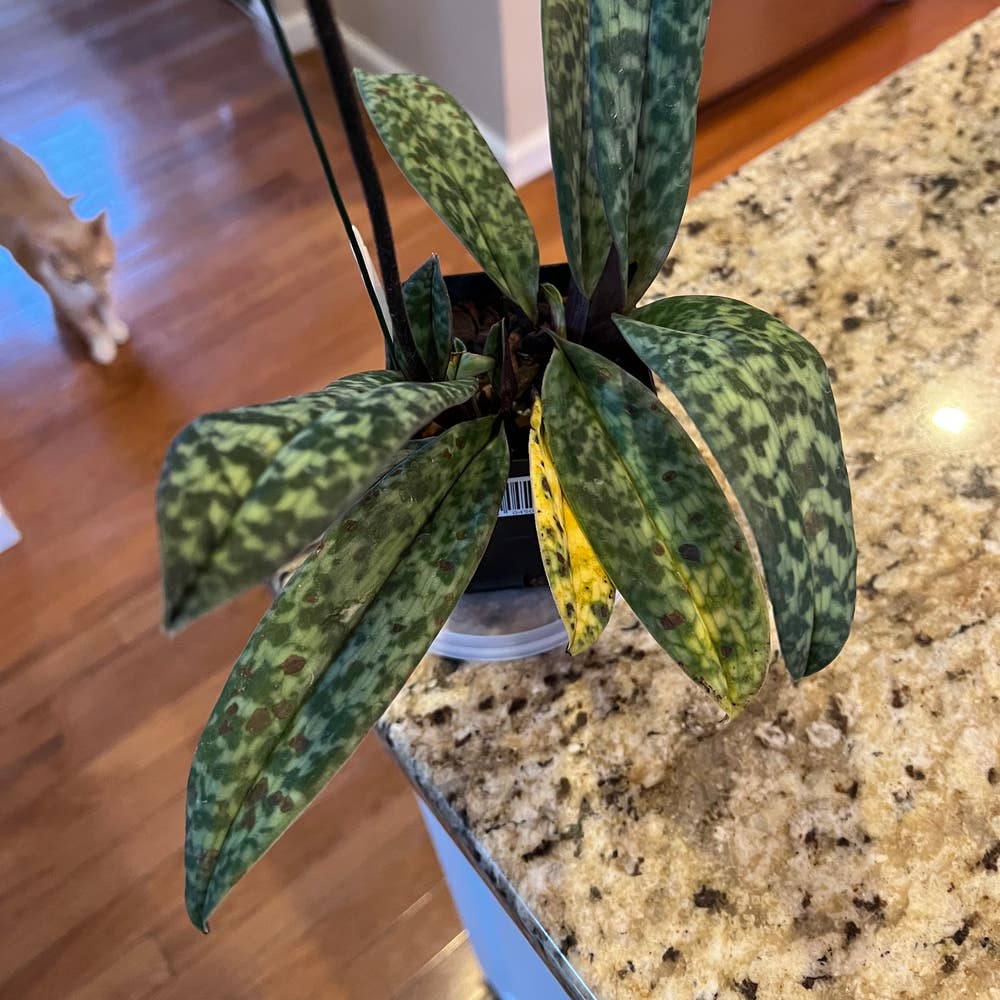
Signs of overwatering include yellowing leaves, while shriveled leaves indicate underwatering. Monitor your plant closely to maintain its health.
Fertilizing Schedule and Types of Fertilizers 🍽️
During the growing season, fertilize every 2-4 weeks. A balanced orchid fertilizer, such as a 30-10-10 mix, works well for this plant.
Dilute the fertilizer to half-strength before applying it. This approach prevents nutrient burn and supports steady growth.
Pruning and Maintenance Practices ✂️
Regularly prune dead or yellowing leaves to encourage new growth. This simple task keeps your plant looking its best.
Additionally, check for pests and diseases frequently. Early detection can save your orchid from potential harm and ensure its longevity.
With these guidelines, you'll be well on your way to nurturing a healthy Paphiopedilum 'Iona Gx Ursula'. Next, let's explore how to propagate this stunning orchid.
Propagation
🌱 Methods of Propagation
Propagation of Paphiopedilum 'Iona Gx Ursula' can be achieved through two primary methods: division and seed propagation. Division is the most straightforward approach, typically performed every 2-3 years during the growing season.
Seed propagation, while more complex, allows for the creation of new plants from mature seeds. This method requires specific conditions to ensure successful germination.
📝 Step-by-Step Instructions for Each Method
Division
- Carefully remove the plant from its pot.
- Separate the rhizomes, ensuring each division has roots.
- Re-pot each division in fresh potting mix.
Seed Propagation
- Collect seeds from mature pods.
- Use sterile media for germination.
- Maintain humidity and warmth for successful growth.
⏰ Timing and Conditions for Successful Propagation
The best time to divide your Paphiopedilum is in spring or early summer. For seed germination, a warm and humid environment is essential to encourage healthy growth.
By following these guidelines, you can successfully propagate your Paphiopedilum and enjoy the beauty of these unique orchids in your collection. Next, let’s explore the lifecycle of this fascinating plant.
Lifecycle
🌱 Lifecycle Stages
The lifecycle of Paphiopedilum 'Iona Gx Ursula' begins with germination, which typically takes 2-4 weeks under ideal conditions. Following this, the seedling stage lasts between 6-12 months, during which the plant establishes itself before transitioning into vegetative growth.
⏳ Duration to Reach Maturity and Growth Rate
This orchid takes approximately 2-3 years to reach maturity, showcasing a moderate growth rate. The speed of growth largely depends on the care provided and the environmental conditions it experiences.
🌼 Lifespan
With proper care, you can expect your Paphiopedilum 'Iona Gx Ursula' to thrive for about 5-10 years. This longevity makes it a rewarding addition to your plant collection, offering beauty and interest for years to come.
As you nurture your orchid through its lifecycle, you'll gain insights into its needs and preferences, setting the stage for a flourishing relationship. Next, let’s explore the fascinating world of propagation methods to expand your collection!
Size
Mature Height and Spread 🌱
Paphiopedilum 'Iona Gx Ursula' typically reaches a mature height of 30-45 cm (12-18 inches). Its spread mirrors this height, ranging from 30-45 cm (12-18 inches), depending on the growing conditions.
Growth Rate and Factors Affecting Size 📈
This orchid exhibits a moderate growth rate, which is influenced by several factors including light, humidity, and nutrient availability. Additionally, pot size and overall environmental conditions play a crucial role in determining how robust your plant will become.
Size Variability Based on Growing Conditions 🌍
The size of your Paphiopedilum can vary significantly based on potting conditions and care practices. For instance, plants grown in optimal conditions tend to be larger and more vigorous, while those in less favorable environments may remain smaller and less impressive.
Understanding these factors can help you create the best environment for your orchid, ensuring it thrives and showcases its stunning beauty. As you continue to care for your plant, keep an eye on these elements to maximize its potential.
Next, let’s explore the fascinating world of roots and their importance in the health of your Paphiopedilum.
Roots
Characteristics of the Root System 🌱
Paphiopedilum 'Iona Gx Ursula' features a fibrous root system with rhizomatous growth. This structure allows the plant to spread its roots shallowly but widely, maximizing its ability to absorb nutrients and moisture.
Common Root-Related Issues and Solutions ⚠️
One of the most common problems is root rot, which occurs due to overwatering. Signs of this issue include mushy roots; to prevent it, ensure proper drainage and adhere to a consistent watering schedule.
Identifying Healthy vs. Unhealthy Roots 🧐
Healthy roots are typically firm and exhibit a white or light tan color. In contrast, unhealthy roots will appear dark, mushy, or may even emit a foul smell, indicating a need for immediate attention.
Recognizing Rootbound Plants 🪴
If you notice roots growing out of the drainage holes, your plant may be rootbound. The solution is simple: re-pot the plant into a larger container to give those roots room to grow.
Understanding the root system of your Paphiopedilum is crucial for its overall health. By monitoring root conditions and addressing issues promptly, you can ensure your plant thrives beautifully.
Benefits
Top 5 Benefits 🌟
Paphiopedilum 'Iona Gx Ursula' is not just a pretty face; it offers a range of benefits that make it a fantastic addition to any plant collection.
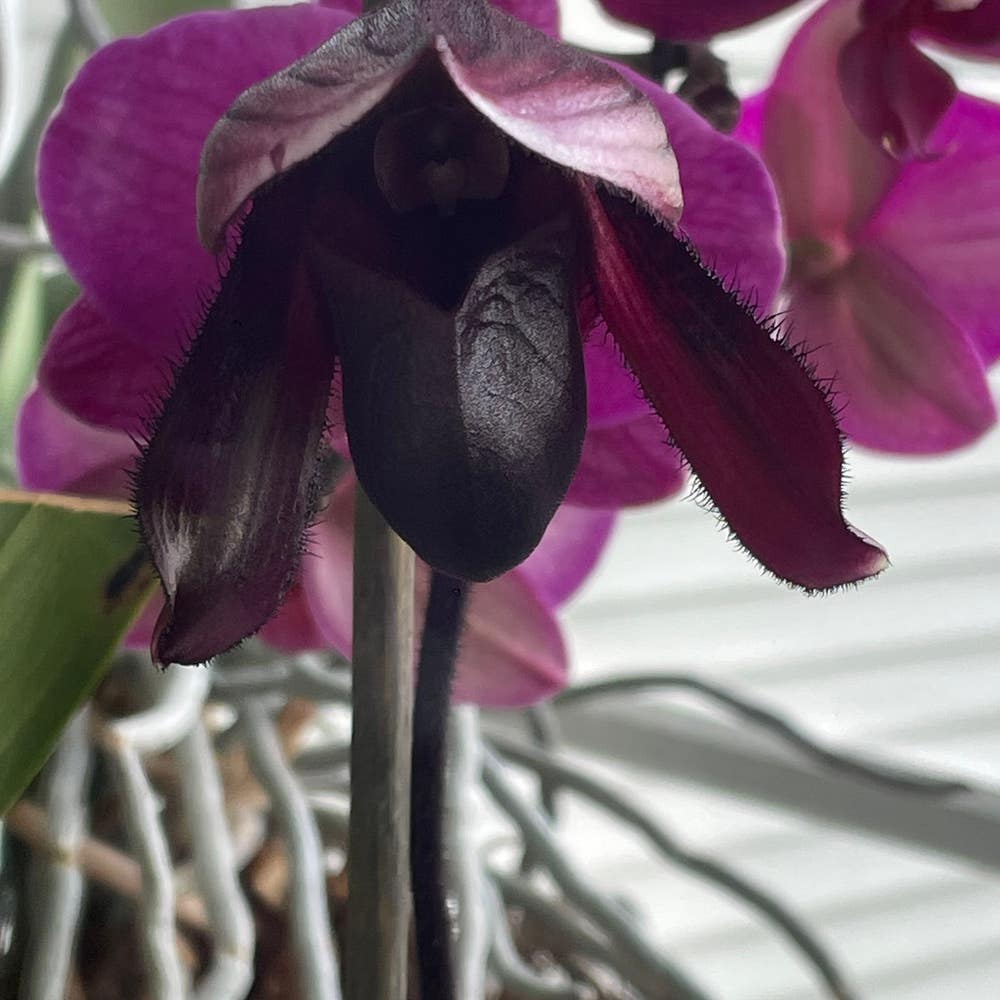
Unique Aesthetic Appeal: The slipper-shaped flowers of this orchid are truly eye-catching. Their distinct shape and vibrant colors can elevate any indoor space.
Air Purification Properties: This orchid helps improve indoor air quality. By filtering out toxins, it contributes to a healthier living environment.
Long-Lasting Blooms: Unlike many flowers that fade quickly, Paphiopedilum 'Iona Gx Ursula' boasts blooms that last for an extended period. This means more time to enjoy their beauty.
Cultural Significance: In various traditions, orchids symbolize beauty and elegance. Having this plant can add a touch of cultural richness to your home.
Low Maintenance: Once established, this orchid requires minimal care. It's perfect for busy gardeners who still want to enjoy the beauty of flowering plants without the constant upkeep.
Incorporating Paphiopedilum 'Iona Gx Ursula' into your home not only enhances your decor but also contributes positively to your well-being. With its unique charm and easy care, it's a win-win for any plant lover.
Next, let's explore the fascinating world of companion plants that thrive alongside this stunning orchid.
Companion Plants
🌱 Companion Planting and Its Benefits
Companion planting involves growing plants together to enhance their mutual benefits. This practice can lead to improved pest management, healthier growth, and increased garden diversity.
🌿 Compatible Companion Plants
When selecting companions for your Paphiopedilum 'Iona Gx Ursula', consider other orchids, ferns, and shade-loving plants. These plants thrive under similar humidity and light conditions, making them ideal partners.
🚫 Plants to Avoid
It's best to steer clear of plants that require full sun or dry conditions. These plants compete for resources and may not thrive in the same environment as your orchid, leading to stress for both species.
By carefully choosing companion plants, you can create a harmonious garden that supports the health and beauty of your Paphiopedilum 'Iona Gx Ursula'. This thoughtful approach not only enhances your garden's aesthetics but also fosters a thriving ecosystem.
Toxicity to Humans
Safety for Humans 🛡️
Paphiopedilum 'Iona Gx Ursula' is not listed as toxic, meaning it poses no significant health risks to humans. However, it's wise to be cautious; ingesting large amounts may lead to mild skin irritation or digestive discomfort.
Cautionary Measures ⚠️
Always exercise caution with any plant. If you experience unusual symptoms after contact or ingestion, seek medical advice promptly. This approach ensures your safety while enjoying the beauty of your orchid.
Transitioning to the next topic, let's explore how this stunning plant interacts with our furry friends.
Toxicity to Dogs
Safety for Dogs 🐶
Paphiopedilum 'Iona Gx Ursula' is considered nontoxic, according to pet poison control centers. This means you can enjoy this beautiful orchid without worrying about your furry friends getting sick.
Minor Issues ⚠️
While it's generally safe, excessive consumption might lead to mild gastrointestinal upset in dogs. It's always a good idea to keep plants out of reach of curious pets to prevent any mishaps.
Tips for Pet Owners 📝
Monitor your dog's behavior around the plant. If you notice any unusual symptoms, consult your veterinarian for advice. Keeping your orchid elevated or in a spot that's hard for dogs to reach can help ensure a harmonious home.
With these precautions, you can enjoy the beauty of your Paphiopedilum while keeping your canine companions safe.
Toxicity to Cats
Safety for Cats 🐱
Paphiopedilum 'Iona Gx Ursula' is not listed as toxic by pet poison control centers. This means your feline friends can safely coexist with this beautiful orchid.
Minor Issues ⚠️
While the plant is generally safe, excessive consumption may lead to mild gastrointestinal upset. It's always wise to monitor your cat's behavior around any houseplant.
Tips for Cat Owners 🏠
To keep your curious cats safe, position the orchid out of their reach. Regularly check for any signs of nibbling, and ensure your plant remains a safe and enjoyable part of your home.
With these precautions, you can enjoy the beauty of your Paphiopedilum without worrying about your furry companions. Now that you know about its safety, let's explore common problems that might arise with this stunning orchid.
Problems
Common Problems 🌱
1. Incorrect Watering
Watering is crucial for the health of your Paphiopedilum 'Iona Gx Ursula.' Overwatering leads to yellowing leaves, while underwatering results in shriveled foliage.
To remedy this, adjust your watering frequency based on the moisture level of the soil. Always check the top inch of the soil before watering.
2. Incorrect Light Conditions
Light plays a vital role in your plant's growth. Too much light can cause leaf burn, while too little light results in leggy growth.
If you notice these symptoms, consider relocating your plant to a spot with the appropriate light levels. Bright, indirect light is ideal for this orchid.
3. Incorrect Temperature
Temperature fluctuations can stress your plant. Symptoms of temperature issues include wilting or stunted growth.
To keep your orchid thriving, maintain an ideal temperature range between 20°C to 30°C (68°F to 86°F). Consistency is key!
4. Diseases
Diseases like powdery mildew and black rot can affect your orchid's health. These issues often arise from poor air circulation or excessive moisture.
To combat these diseases, improve air circulation around your plant and avoid overhead watering. Keeping the leaves dry can make a significant difference.
5. Leaf Issues
Leaf problems can manifest in various ways, such as scorching, yellowing, or fuzzy growth. These symptoms often indicate issues with light or humidity levels.
Assess your plant's environment and make necessary adjustments to light and humidity. A little tweak can lead to healthier leaves and a happier plant.
Conclusion 🌼
By being aware of these common problems and their solutions, you can ensure your Paphiopedilum 'Iona Gx Ursula' remains vibrant and healthy. Next, let’s explore how to effectively propagate this stunning orchid for even more beauty in your home!
Bugs
🐜 Potential Pest Issues
While Paphiopedilum 'Iona Gx Ursula' is generally resilient, it can still fall prey to certain pests. Keeping an eye out for these invaders is essential for maintaining the health of your orchid.
🔍 Identification and Damage
Spider Mites: Look for fine webbing on the leaves, which can lead to discoloration. These tiny pests thrive in dry conditions and can quickly damage your plant.
Mealybugs: Identified by their cotton-like masses, mealybugs can stunt growth significantly. They often hide in leaf joints, making them tricky to spot.
Aphids: These small green insects can cause leaf curling, which is a telltale sign of their presence. They feed on the sap, weakening your plant over time.
🛠️ Treatment Options
To combat these pests, consider using Neem oil or insecticidal soap. Both are effective and relatively safe for your plant.
Regular inspections are key. Catching infestations early can save your orchid from serious damage. Stay vigilant, and your Paphiopedilum will thrive!
What Eats
🦌 Common Animals
When growing Paphiopedilum 'Iona Gx Ursula', be aware of potential animal visitors. Deer often leave signs of chewed leaves and stems, while rabbits may clip the foliage. Squirrels can also be a nuisance, digging around the base of the plant.
🔍 Signs of Animal Presence and Damage
Identifying animal damage is crucial for protecting your plant. Look for signs like browsing on leaves or uprooted plants, which indicate that your Paphiopedilum is attracting unwanted attention.
🚫 Deterring Methods
To keep these critters at bay, consider various deterrent methods. Chemical repellents can be effective, but you might also explore organic options, such as planting deterrent species or using physical barriers to protect your plants.
By staying vigilant and employing these strategies, you can enjoy your beautiful Paphiopedilum without the worry of animal interference.
⚠️ Safety First
This content is for general information and may contain errors, omissions, or outdated details. It is not medical, veterinary advice, or an endorsement of therapeutic claims.
Always consult a qualified healthcare professional before using any plant as food, medicine, or supplement.
Never eat any plant (or feed one to pets) without confirming its identity with at least two trusted sources.
If you suspect poisoning, call Poison Control (800) 222-1222, the Pet Poison Helpline (800) 213-6680, or your local emergency service immediately.
Spotted an error? Please report it here.
Nurture your Paphiopedilum 'Iona Gx Ursula' to bloom beautifully 🌺 with Greg's custom watering alerts and expert care tips that keep your orchid thriving!