Everything You Need to Know About Paphiopedilum inamorii 🌸
Paphiopedilum inamorii
By the Greg Editorial Team
Feb 26, 2025•12 min read
This article was created with the help of AI so we can cover more plants for you. May contain errors. See one? Report it here.
- 🌞💧 Paphiopedilum inamorii thrives in humidity of 50-70% and indirect sunlight.
- 🌱 Water every 1-2 weeks and use well-draining potting mix to prevent root rot.
- 🌼 Monthly fertilization with balanced orchid fertilizer supports growth and flowering.
How to Grow
Choosing the Right Location 🌞
To thrive, Paphiopedilum inamorii needs the right environment. Aim for indirect sunlight, steering clear of harsh direct rays that can scorch its delicate leaves.
Humidity is crucial, with a preference for levels between 50-70%. This moisture helps mimic its natural habitat, promoting optimal growth.
Temperature also plays a vital role. Keep daytime temperatures between 20°C to 30°C (68°F to 86°F) and allow for cooler conditions at night to encourage healthy development.
Soil Preparation and Potting Mix 🌱
Selecting the right potting mix is essential for your orchid's success. A well-draining orchid mix that retains some moisture is ideal.
Additionally, aim for a slightly acidic to neutral soil pH, ideally between 5.5 and 7.0. This balance supports nutrient uptake and overall plant health.
Watering Techniques and Frequency 💧
Watering your Paphiopedilum inamorii requires a bit of finesse. Aim to water every 1-2 weeks, allowing the top inch of soil to dry out between sessions.
When you do water, be thorough. Ensure water drains from the bottom of the pot, preventing any risk of root rot.
Fertilizing Schedule and Types of Fertilizers 🌼
Fertilization is key during the growing season. Plan to fertilize monthly to provide essential nutrients.
Use a balanced orchid fertilizer, such as a 30-10-10 mix, to support healthy growth and flowering. This will help your orchid thrive and produce stunning blooms.
Pruning and Maintenance Practices ✂️
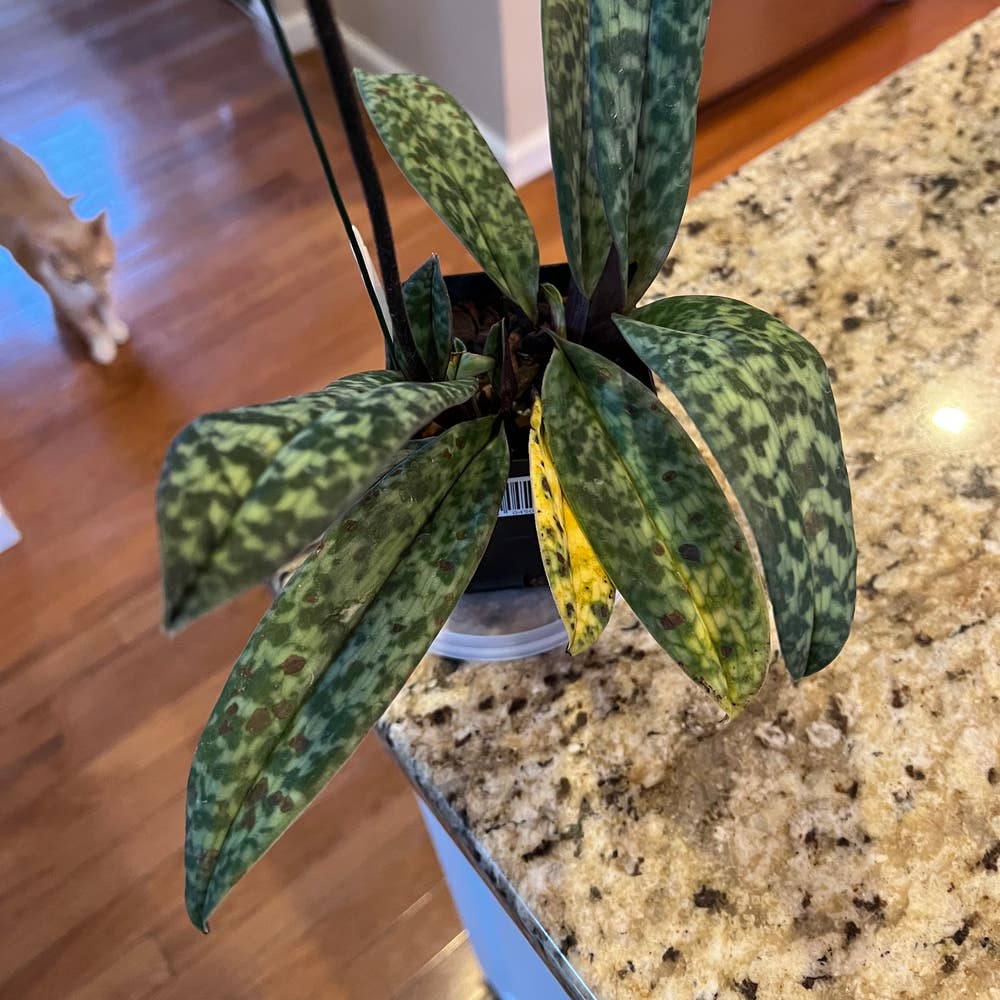
Regular maintenance is crucial for a healthy plant. Prune away any dead or yellowing leaves as needed to encourage new growth.
Additionally, keep an eye out for pests and diseases. Regular inspections can help catch issues early, ensuring your orchid remains vibrant and healthy.
Container vs. Outdoor Growing Considerations 🏡
Deciding between container and outdoor growing can impact your orchid's health. Container growing allows for better control over environmental conditions.
If you opt for outdoor growth, ensure your Paphiopedilum is placed in shaded areas with high humidity. This will help replicate its natural habitat and promote robust growth.
With these guidelines, you're well on your way to successfully growing Paphiopedilum inamorii. Next, let’s explore how to propagate this beautiful orchid!
Propagation
🌱 Methods of Propagation
When it comes to propagating Paphiopedilum inamorii, the best method is division. This technique allows you to create new plants from an established one, ensuring healthy growth.
Seed propagation is another option, but it's less common. This method requires specific conditions that can be challenging to replicate.
📝 Step-by-Step Instructions for Each Method
1. Division
- Timing: The ideal time for division is in spring or early summer.
- Steps: Start by removing the plant from its pot. Carefully separate the roots, ensuring each division has healthy roots, and then replant them in fresh orchid mix.
2. Seed Propagation
- Timing: This method requires controlled conditions, typically in a sterile environment.
- Steps: Sow the seeds on agar medium, then maintain high humidity and warmth to encourage germination.
⏰ Timing and Conditions for Successful Propagation
For both division and seed propagation, optimal conditions are crucial. Aim for warm temperatures and high humidity to ensure successful growth and development of your new plants.
With the right approach, propagating Paphiopedilum inamorii can be a rewarding experience, allowing you to expand your collection or share with fellow orchid enthusiasts. Up next, we’ll explore the fascinating lifecycle of this unique orchid.
Lifecycle
🌱 Overview of Lifecycle Stages
The lifecycle of Paphiopedilum inamorii unfolds in distinct stages. Germination takes about 2-4 weeks under ideal conditions, followed by a seedling stage lasting 6-12 months until the plant is established.
🌿 Vegetative Growth and Flowering
After establishing, the plant enters vegetative growth, which can last 1-3 years before it reaches maturity. Flowering typically occurs after 3-5 years, rewarding your patience with stunning blooms.
⏳ Duration to Maturity and Growth Rate
Expect full maturity in approximately 3-5 years. This orchid grows slowly compared to others, so patience is key as you nurture it through its stages.
🎉 Lifespan
With proper care, Paphiopedilum inamorii can exceed a lifespan of 10 years. This longevity makes it a rewarding addition to your collection, providing beauty and joy for many years to come.
As you embark on this journey of growth, understanding the lifecycle stages will help you provide the best care possible. Next, let’s explore the size of this captivating orchid and what influences its growth.
Size
Mature Height and Spread 🌱
Paphiopedilum inamorii typically reaches a mature height of 12-18 inches (30-45 cm). Its spread can range from 12-24 inches (30-60 cm), making it a lovely addition to any space.
Growth Rate and Factors Affecting Size 📈
This orchid has a slow growth rate, which can be influenced by several factors. Key elements include light exposure, humidity levels, and nutrient availability.
Size Variability Based on Growing Conditions 🌍
The size of Paphiopedilum inamorii can vary significantly depending on its growing conditions. For instance, plants grown in containers may differ in size compared to those thriving outdoors, largely due to differences in nutrient access and environmental factors.
Understanding these size characteristics can help you create the ideal environment for your Paphiopedilum inamorii. With the right care, you can enjoy its beauty for years to come.
Next, we will explore the fascinating lifecycle of this unique orchid.
Roots
Characteristics of the Root System 🌱
Paphiopedilum inamorii features a fibrous root system that is both shallow and extensive. Typically, the roots reach a depth of 6-12 inches (15-30 cm), allowing the plant to absorb moisture and nutrients effectively.
Common Root-Related Issues and Solutions 🛠️
One of the most common problems with orchid roots is root rot, often caused by overwatering. Signs of this issue include mushy roots that lack firmness; healthy roots, in contrast, are firm and white.
To maintain root health, it's essential to monitor their condition regularly. If you notice any unhealthy roots, it's best to trim them away to promote new growth.
Recognizing and Addressing Rootbound Conditions 🚪
Rootbound conditions occur when roots grow out of drainage holes, indicating that the plant has outgrown its pot. This situation can hinder growth and overall health.
To remedy rootbound issues, repotting into a larger container is necessary. This will provide the roots with ample space to expand and thrive, ensuring your Paphiopedilum inamorii continues to flourish.
With proper attention to the roots, your orchid can enjoy a long and healthy life. Next, let's explore the benefits of growing this stunning plant.
Benefits
Top 5 Benefits of Growing Paphiopedilum inamorii 🌺
Growing Paphiopedilum inamorii offers a range of benefits that make it a fantastic addition to any plant collection. Here are the top five advantages:
Unique Aesthetic Appeal
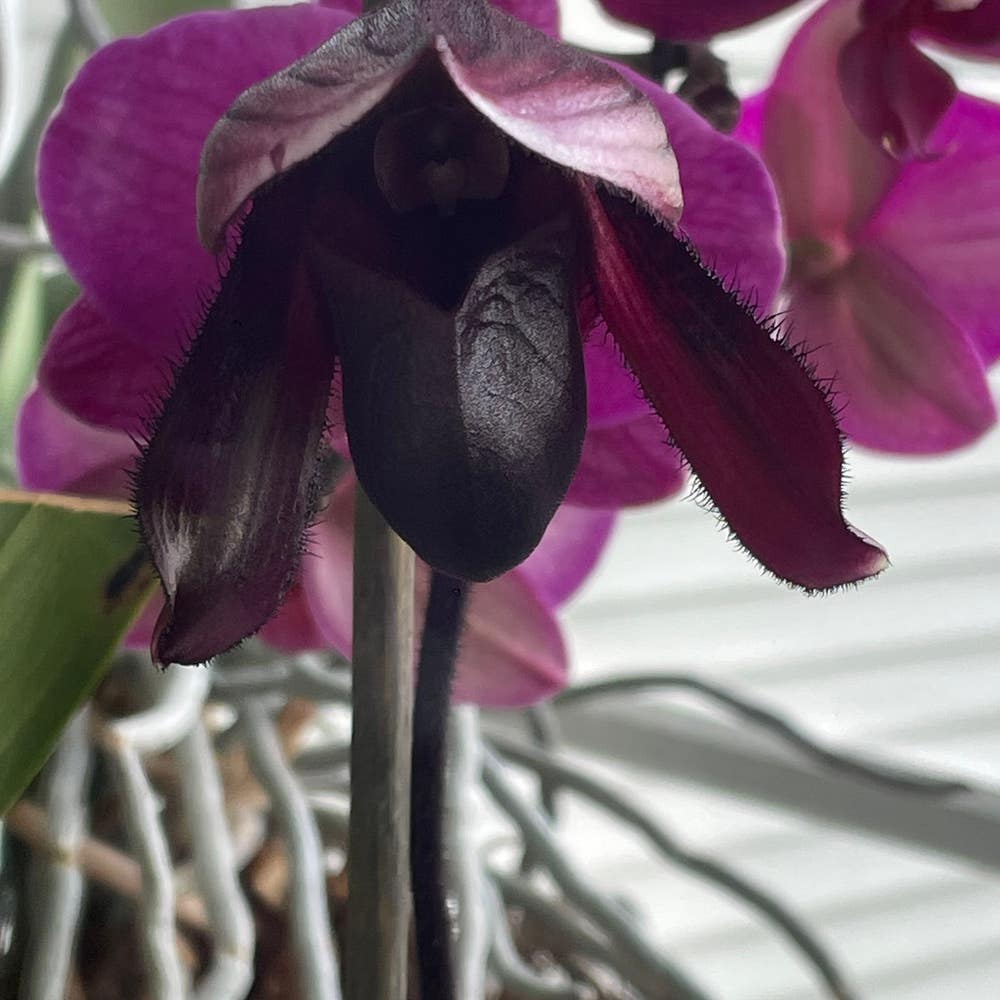
The striking flowers of Paphiopedilum inamorii are a visual delight. Their unique shape and vibrant colors can elevate the beauty of any space.Air Purification Properties
Like many orchids, Paphiopedilum inamorii helps purify the air. This makes it not just a pretty plant but also a healthier choice for your home.Long Lifespan
With proper care, these orchids can thrive for over a decade. This longevity means years of enjoyment and beauty.Cultural Significance
Orchids hold cultural importance in various traditions around the world. Growing Paphiopedilum inamorii connects you to these rich histories and practices.Potential for Hybridization
If you're feeling adventurous, this orchid can be hybridized with other varieties. This opens up a world of possibilities for creating unique new plants.
Incorporating Paphiopedilum inamorii into your gardening routine not only enhances your environment but also enriches your life. The next section will explore companion plants that can thrive alongside this beautiful orchid.
Companion Plants
🌱 Companion Planting and Its Benefits
Companion planting is a fantastic way to enhance your garden's diversity. Not only does it improve pest management, but it also adds aesthetic appeal to your space.
🌼 Compatible Companion Plants
When choosing companions for your Paphiopedilum inamorii, consider other orchids, ferns, and shade-loving plants. These plants thrive in similar conditions, creating a harmonious environment.
However, steer clear of plants that have high water needs or aggressive growth habits. Such companions can compete for resources, potentially harming your orchid's health.
By selecting the right companions, you can create a thriving ecosystem that supports your Paphiopedilum inamorii while enhancing the beauty of your garden.
This thoughtful approach to planting not only benefits your orchids but also enriches your gardening experience. Now, let's explore the potential pest issues that can affect your plants.
Toxicity to Humans
🛡️ Safety of Paphiopedilum inamorii for Humans
Paphiopedilum inamorii is generally considered safe for humans. Major poison control centers do not list it as toxic, which is great news for plant lovers.
However, there can be minor issues. Some individuals may experience mild skin irritation or digestive discomfort if they ingest large quantities of the plant.
To stay safe, it's best to exercise caution. If you notice any unusual symptoms after contact or ingestion, seeking medical advice is a smart move.
This beautiful orchid can be a wonderful addition to your home without the worry of toxicity. Enjoy its unique charm while keeping an eye on your interactions with it!
Toxicity to Dogs
Safety of Paphiopedilum inamorii for Dogs 🐶
Paphiopedilum inamorii is not considered toxic to dogs according to veterinary organizations. This means you can enjoy this beautiful orchid without worrying about your furry friend getting sick.
However, if a dog consumes a large quantity of the plant, it may experience mild gastrointestinal upset. Symptoms could include vomiting or diarrhea, but these are generally not severe.
To ensure your dog's safety, it's best to keep the plant out of reach. Regularly monitor your dog's behavior around the plant to prevent any unwanted nibbling.
In summary, while Paphiopedilum inamorii poses minimal risk, a little caution goes a long way in keeping your pet healthy. Now, let’s explore how this orchid interacts with our feline friends.
Toxicity to Cats
Safety of Paphiopedilum inamorii for Cats 🐱
Paphiopedilum inamorii is not considered toxic to cats, according to major pet poison control centers. This means you can enjoy your orchid without worrying too much about your feline friends.
However, if a cat consumes a significant amount, it may experience mild gastrointestinal upset. It's always a good idea to monitor your cat's behavior and discourage them from nibbling on non-food plants.
To keep your plant safe, consider placing it in areas that are less accessible to your curious cat. Regularly check for any signs of interest, and gently redirect their attention to appropriate toys or treats.
With a little care, you can maintain a beautiful Paphiopedilum inamorii while ensuring your cat stays healthy and happy. Next, let’s explore the potential problems you might encounter while growing this stunning orchid.
Problems
🌱 Common Problems Faced When Growing
Growing Paphiopedilum inamorii can be rewarding, but it comes with its share of challenges. Here are some common problems to watch out for:
Incorrect Watering
Watering is crucial for your orchid's health.
- Overwatered: Look for yellowing leaves and mushy roots as signs of too much water.
- Underwatered: If you notice wilting and dry leaves, it’s time to increase your watering frequency.
Incorrect Light Conditions
Light plays a vital role in growth.
- Too Much Light: Leaf burn is a clear indicator that your plant is getting scorched.
- Too Little Light: Leggy growth suggests your orchid isn’t receiving enough light.
Incorrect Temperature
Temperature fluctuations can stress your plant.
- Signs of Stress: Stunted growth or leaf drop indicates that the temperature is not within the ideal range.
Diseases
Fungal diseases can be a significant threat.
- Common Issues: Watch for powdery mildew, rust, and black rot, which can all affect your plant's vitality.
Leaf Issues
Leaf health is a direct reflection of your plant's overall condition.
- Scorching and Yellowing: These symptoms may indicate environmental stress or nutrient deficiencies.
- Fuzzy Growth: This could be a sign of fungal infections that need immediate attention.
By staying vigilant and addressing these issues promptly, you can ensure your Paphiopedilum inamorii thrives. Next, let’s explore potential pest problems that can also affect your orchid’s health.
Bugs
🐛 Potential Pest Issues
Paphiopedilum inamorii is generally a resilient plant, but it can still fall victim to certain pests. Keeping an eye out for these invaders is crucial for maintaining the health of your orchid.
🔍 Identification and Damage Caused by Pests
Identifying pests early can save your plant from significant damage. Here are some common culprits:
- Spider Mites: Look for fine webbing and stippling on leaves.
- Scale Insects: These pests leave a sticky residue and cause yellowing leaves.
- Mealybugs: Recognizable by their white, cotton-like masses on leaves.
- Aphids: Small green insects that cause leaf curling.
🛠️ Effective Treatment Options for Pest Management
If you spot any of these pests, don't panic! There are effective treatment options available:
- Insecticidal Soap: A safe and effective way to eliminate pests.
- Neem Oil: This natural remedy disrupts pest life cycles.
- Manual Removal: For minor infestations, simply wipe pests off with a damp cloth.
By staying vigilant and employing these treatments, you can keep your Paphiopedilum inamorii thriving and pest-free. Next, let’s explore what animals might be tempted to munch on your beloved orchid.
What Eats Paphiopedilum inamorii
🦌 Common Animals That May Damage the Plant
Paphiopedilum inamorii can attract a few hungry visitors.
- Deer: Look for chewed leaves and stems as telltale signs of their grazing.
- Rabbits: If you notice clipped stems and leaves, these little nibblers are likely the culprits.
- Squirrels: Digging around the base of your plant? Squirrels might be investigating for roots or bulbs.
🚫 Methods for Deterring or Managing These Animals
Keeping your Paphiopedilum safe from these munchers is essential.
- Chemical deterrents: Commercial repellents can create an uninviting environment for these animals.
- Organic control methods: Consider planting deterrent species nearby or using physical barriers to protect your plants.
By implementing these strategies, you can enjoy your beautiful orchids without the worry of unwanted visitors. Next, let’s explore how to effectively manage common problems that may arise while growing Paphiopedilum inamorii.
⚠️ Safety First
This content is for general information and may contain errors, omissions, or outdated details. It is not medical, veterinary advice, or an endorsement of therapeutic claims.
Always consult a qualified healthcare professional before using any plant as food, medicine, or supplement.
Never eat any plant (or feed one to pets) without confirming its identity with at least two trusted sources.
If you suspect poisoning, call Poison Control (800) 222-1222, the Pet Poison Helpline (800) 213-6680, or your local emergency service immediately.
Spotted an error? Please report it here.
Nurture your Paphiopedilum inamorii to bloom beautifully 🌺 by using Greg's tailored watering reminders and expert care tips to keep your orchid thriving for years to come!