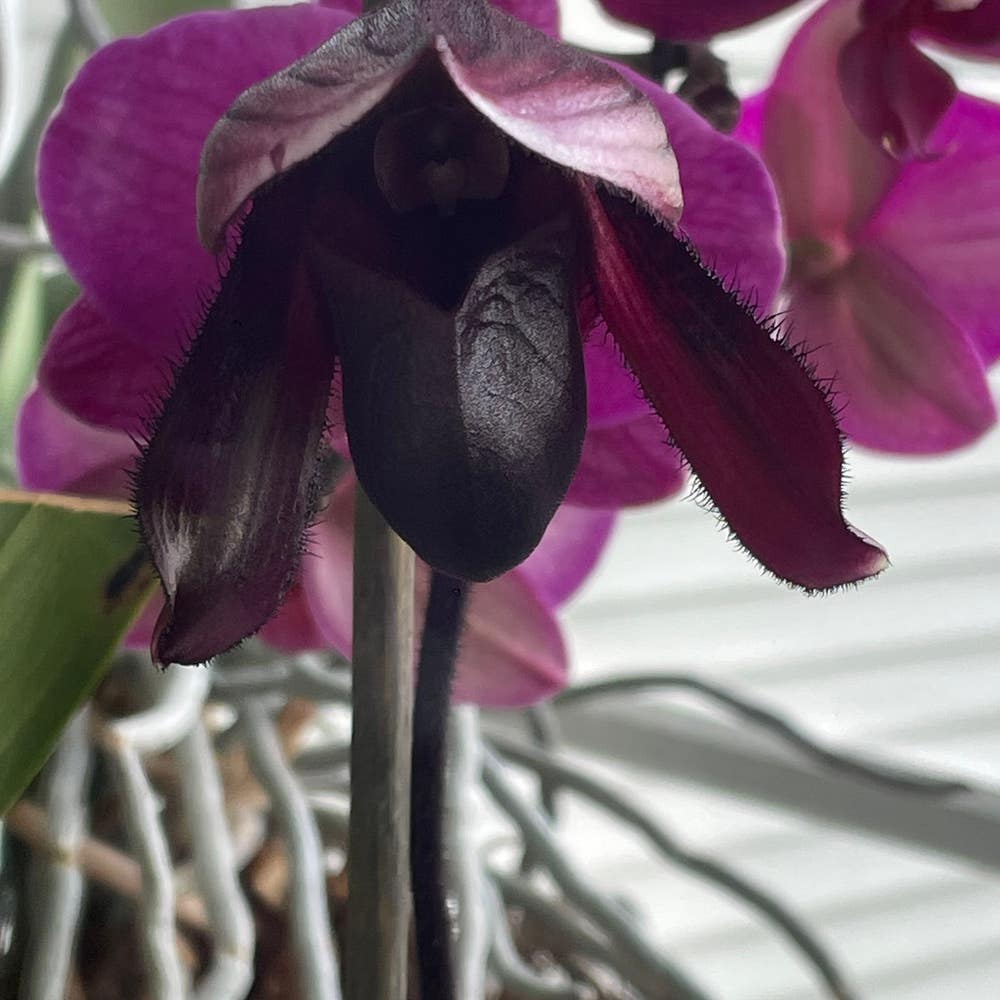
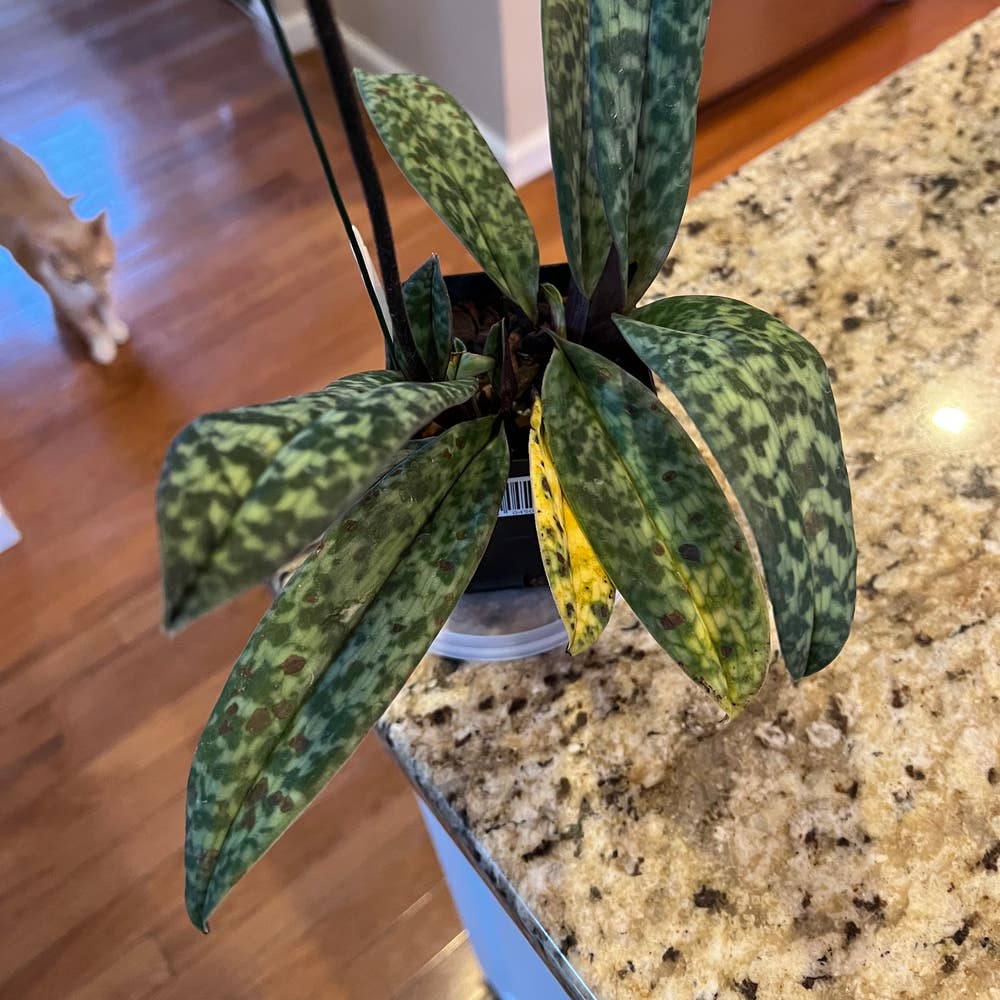
Overview of Paphiopedilum Huang Rong Shuan 🌺
Paphiopedilum x huangrongshuanum
By the Greg Editorial Team
Feb 26, 2025•12 min read
This article was created with the help of AI so we can cover more plants for you. May contain errors. See one? Report it here.
- 🌞 Paphiopedilum Huang Rong Shuan thrives in bright, indirect light; avoid direct sunlight.
- 💧 Maintain humidity between 50-70% and temperatures of 18°C to 30°C for optimal growth.
- 🌱 Use a well-draining mix and water when the top inch of soil feels dry.
How to Grow
Choosing the Right Location 🌞
To thrive, Paphiopedilum Huang Rong Shuan needs indirect bright light. Direct sunlight can scorch its delicate leaves, so find a spot that offers bright, filtered light.
Humidity is crucial for this orchid; aim for 50-70% humidity to keep it happy and healthy. Additionally, maintain a temperature range of 18°C to 30°C (65°F to 86°F) both day and night for optimal growth.
Soil Preparation 🌱
A well-draining potting mix is essential for your orchid's success. Consider using a combination of orchid bark and perlite to create a moisture-retentive yet airy environment.
Proper drainage is vital to prevent root rot. Ensure your pot has drainage holes and avoid compacting the soil too tightly.
Planting Techniques 🌼
When planting, it's important to maintain the same depth as the nursery pot. This helps the plant adjust without stress.
Space your orchids at least 6-12 inches apart to allow for adequate air circulation. This spacing reduces the risk of fungal diseases and promotes healthy growth.
Watering Requirements 💧
Water your Paphiopedilum when the top inch of soil feels dry. This ensures the roots get the moisture they need without becoming waterlogged.
When watering, do so thoroughly until water drains from the bottom of the pot. Avoid letting the plant sit in standing water, as this can lead to root rot.
Fertilizing Schedule 🌿
Use a balanced orchid fertilizer, such as a 30-10-10 formula, to nourish your plant. Dilute the fertilizer to half-strength and apply it every 2-4 weeks during the growing season.
This regular feeding will support growth and flowering, helping your orchid reach its full potential.
Pruning and Maintenance ✂️
Regular maintenance is key to a thriving orchid. Remove dead leaves by cutting them back to the base, which encourages new growth.
After blooming, trim the flower spikes to promote future blooms. This simple step can enhance the plant's overall health and flowering potential.
Ongoing Care 👀
Keep an eye on your orchid's health by regularly checking for signs of distress, such as yellowing leaves.
Be prepared to adjust light, humidity, and temperature as needed to create the best environment for your Paphiopedilum Huang Rong Shuan. With attentive care, your orchid will flourish beautifully.
Propagation
🌱 Methods of Propagation
Propagation of Paphiopedilum Huang Rong Shuan can be achieved through two primary methods: division and seed propagation. Each method has its own unique steps and timing, making it essential to choose the right approach based on your plant's maturity and your gardening goals.
📝 Step-by-Step Instructions for Each Method
1. Division
- Timing: The best time to divide your plant is in spring or right after it has finished flowering. This timing allows the plant to recover and thrive in its new setup.
- Tools: Always use a sterilized knife or scissors to prevent any potential infections. Clean tools are crucial for healthy propagation.
- Process: Carefully separate the roots of the mature plant into smaller sections. Ensure each section has a healthy root system before replanting them in new pots.
2. Seed Propagation
- Timing: Collect seeds when they are ripe, which typically occurs in late summer to early fall. Timing is key for successful germination.
- Medium: Use a sterile orchid mix to sow the seeds. This ensures a clean environment for the seeds to germinate.
- Germination Conditions: Provide a warm and humid environment for the seeds. This mimics their natural habitat and encourages healthy growth.
Propagation can be a rewarding experience, allowing you to expand your collection or share with fellow plant enthusiasts. Whether you choose division or seed propagation, each method offers a unique opportunity to connect with your plants and witness their growth journey.
Lifecycle
Lifecycle Stages 🌱
The lifecycle of the Paphiopedilum Huang Rong Shuan begins with germination, where seeds sprout in just 2-3 weeks under ideal conditions. Following this, the seedling stage lasts 6-12 months, during which the plant develops its roots and leaves.
Vegetative Growth and Flowering 🌼
Next comes the vegetative growth phase, an active growth period that can last from 1 to 2 years. After this, the plant typically flowers after 2-3 years of growth, rewarding your patience with stunning blooms.
Lifespan and Growth Timeline ⏳
With proper care, the overall lifespan of this orchid can reach an impressive 10-20 years. Expect it to take about 2-3 years to mature enough for its first bloom, showcasing its moderate growth rate that varies based on care and environmental conditions.
Summary of Growth Rate 📊
In summary, the Paphiopedilum Huang Rong Shuan is a long-term commitment that offers beauty and satisfaction over the years. Understanding its lifecycle stages helps you provide the best care, ensuring your plant thrives beautifully.
As you delve deeper into the care of this orchid, the next section will explore its size and growth characteristics, providing further insights into what to expect as your plant matures.
Size
Mature Height and Spread 🌱
The Paphiopedilum Huang Rong Shuan typically reaches a mature height of 12 to 18 inches (30 to 45 cm). Its spread can vary between 12 to 24 inches (30 to 60 cm), depending on the growing conditions.
Growth Rate and Time to Reach Full Size ⏳
This orchid exhibits a moderate growth rate, taking about 2 to 3 years to reach its full size. Factors such as light, humidity, and nutrient availability play crucial roles in determining how quickly it grows.
Understanding these aspects of size can help you create the ideal environment for your Paphiopedilum Huang Rong Shuan, ensuring it thrives beautifully in your space. As you prepare for its growth, consider how these elements will influence your care routine and the overall health of your plant.
Roots
Description of the Root System 🌱
Paphiopedilum Huang Rong Shuan features a fibrous root system that is both shallow and wide-spreading. Typically, the roots extend 6-12 inches deep, allowing them to absorb moisture efficiently.
Importance of Root Health for Overall Plant Vitality 🌿
Healthy roots are crucial for nutrient uptake and provide stability to the plant. Look for firm, white roots as indicators of good health; they should not feel mushy.
Common Root-Related Issues ⚠️
Root rot is a common problem caused by overwatering, leading to mushy roots that can threaten the plant's survival. Additionally, plants can become rootbound when their roots fill the pot, resulting in stunted growth.
Visual Cues for Healthy vs. Unhealthy Roots 👀
Healthy roots are characterized by their white color, firmness, and even distribution throughout the pot. In contrast, unhealthy roots may appear brown, mushy, or emit a foul smell, signaling a need for immediate attention.
Understanding the root system of your Paphiopedilum Huang Rong Shuan is essential for its overall health. By monitoring root conditions and addressing any issues promptly, you can ensure your plant thrives beautifully.
Next, we will explore the benefits of growing this stunning orchid, highlighting why it deserves a spot in your home.
Benefits
🌟 Top 5 Benefits of Growing Paphiopedilum Huang Rong Shuan
Unique Aesthetic Appeal
The Paphiopedilum Huang Rong Shuan is renowned for its striking slipper-shaped flowers. These blooms can elevate any space, adding a touch of elegance and charm to your home or garden.
Air Purification
This orchid not only beautifies your surroundings but also contributes to improved indoor air quality. By filtering toxins, it creates a healthier living environment.
Long Lifespan
With proper care, these orchids can thrive for many years. Their longevity means you can enjoy their beauty and presence for a long time.
Cultural Significance
In various cultures, the Paphiopedilum symbolizes beauty and elegance. Growing this plant can connect you to rich traditions and meanings.
Therapeutic Benefits
Gardening, including caring for orchids, can significantly reduce stress. Engaging with plants promotes well-being and offers a fulfilling hobby.
These benefits make the Paphiopedilum Huang Rong Shuan a fantastic choice for both novice and experienced gardeners. As you explore the joys of growing this orchid, you’ll find it enriches your life in more ways than one.
Next, let’s delve into the best practices for propagating this beautiful plant.
Companion Plants
🌱 Explanation of Companion Planting
Companion planting is all about creating a harmonious garden environment. It enhances diversity, improves pest management, and boosts overall plant health.
🌿 List of Compatible Companion Plants
When growing Paphiopedilum Huang Rong Shuan, consider pairing it with humidity-loving companions.
- Ferns: They thrive in similar moisture levels and provide a lush backdrop.
- Peace Lilies: These plants share the same light and humidity preferences, making them ideal partners.
- Other humidity-loving plants: Look for varieties that enjoy similar care to create a cohesive garden space.
🚫 Plants to Avoid Planting Near
While some plants make great companions, others can hinder growth.
- Cacti and succulents: These drought-tolerant plants require significantly less water, which can lead to competition and stress for your Paphiopedilum.
By choosing the right companions, you can create a thriving environment that supports the growth and beauty of your Paphiopedilum Huang Rong Shuan. This thoughtful approach not only enhances your garden's aesthetics but also promotes healthier plants overall.
Toxicity to Humans
Safety Profile 🛡️
Paphiopedilum Huang Rong Shuan is not listed as toxic, making it a safe choice for households. Poison control centers report no significant health issues associated with this plant.
Minor Issues ⚠️
While generally safe, there can be mild skin irritation or digestive discomfort if ingested in large quantities. It's always wise to handle plants with care.
Recommendations for Caution 🚨
Exercise caution when introducing any new plant into your home. Always seek medical advice if you experience unusual symptoms after contact or ingestion. Keeping this plant out of reach of small children can also help prevent any accidental ingestion.
By being mindful, you can enjoy the beauty of Paphiopedilum Huang Rong Shuan without worry. Now, let's explore how this plant interacts with our furry friends!
Toxicity to Dogs
Safety Around Dogs 🐶
Paphiopedilum Huang Rong Shuan is considered non-toxic to dogs. This means you can enjoy this beautiful orchid without worrying about your furry friends facing serious health risks.
However, if a dog consumes a large amount of the plant, it may experience mild gastrointestinal upset. Keep an eye out for any signs of discomfort, but rest assured that serious issues are unlikely.
Tips for Introducing to Homes with Dogs 🏡
When introducing this orchid into your home, proper placement is key. Make sure to keep it out of reach of your dogs to prevent any accidental munching.
Additionally, monitoring your dog's behavior around the plant is wise. Watch for any unusual interest, as some dogs may be curious about new additions to their environment. This simple precaution can help ensure a harmonious coexistence between your beloved orchid and your canine companions.
Toxicity to Cats
🐱 Safety Around Cats
Paphiopedilum Huang Rong Shuan is non-toxic to cats, meaning it won’t pose a serious threat if your feline friend decides to take a nibble. However, keep in mind that excessive consumption may lead to mild gastrointestinal upset.
🏡 Tips for Introducing to Homes with Cats
To ensure a harmonious living environment, position your plant out of reach of curious cats. It's also wise to monitor their behavior around the plant, watching for any unusual interest that might indicate they want to investigate further.
By taking these simple precautions, you can enjoy the beauty of your Paphiopedilum while keeping your furry companions safe. Now, let’s explore how to manage any potential problems that may arise with your plant.
Problems
🌱 Common Problems Faced
Growing Paphiopedilum Huang Rong Shuan can be rewarding, but it comes with its share of challenges. Understanding these common problems can help you maintain a healthy plant.
1. Incorrect Watering
Watering is crucial for your orchid's health.
- Overwatered: Symptoms include yellowing leaves and root rot, which can be fatal.
- Underwatered: Look for wilting and dry leaves, indicating your plant is thirsty.
2. Incorrect Light Conditions
Light plays a vital role in your plant's growth.
- Signs of too much light: Leaf burn is a clear indicator.
- Too little light: You may notice leggy growth as the plant stretches toward the light source.
3. Incorrect Temperature
Temperature fluctuations can stress your orchid.
- Symptoms of extreme temperatures: Stunted growth or flower drop can occur if conditions are not ideal.
4. Diseases
Fungal issues can plague your Paphiopedilum.
- Common diseases: Powdery mildew, rust, and black rot can manifest as leaf spots, signaling a need for intervention.
5. Leaf Issues
Leaf health is a direct reflection of your plant's overall condition.
- Scorching: Brown tips often result from low humidity or too much light, indicating that adjustments are necessary.
By keeping an eye on these potential problems, you can ensure your Paphiopedilum Huang Rong Shuan thrives. Regular monitoring and timely adjustments will lead to a flourishing plant that brings beauty to your space.
Next, let’s explore the pests that might invade your orchid and how to manage them effectively.
Bugs
🐜 Potential Pest Issues
While Paphiopedilum Huang Rong Shuan is generally resilient, it can still fall prey to certain pests. Keeping an eye out for these invaders is crucial for maintaining plant health.
🔍 Identification and Damage Caused by Common Pests
Spider Mites
- Signs: Look for fine webbing and stippled leaves.
- Damage: These pests weaken the overall health of your plant.
Mealybugs
- Signs: White, cottony masses often appear on leaves.
- Damage: They suck sap, leading to stunted growth and overall decline.
Aphids
- Signs: Small green or black insects can be spotted on new growth.
- Damage: They distort leaves and reduce the plant's vigor.
🛠️ Effective Treatment Options
To combat these pests, consider using insecticidal soap or neem oil. Regular inspections can also help catch infestations early, ensuring your Paphiopedilum stays healthy and thriving.
By staying vigilant and proactive, you can protect your plant from these common threats and enjoy its beauty for years to come. Next, let’s explore what animals might be interested in nibbling on your prized orchid.
What Eats
🦌 Common Animals That May Damage
When growing Paphiopedilum Huang Rong Shuan, be aware that certain animals can pose a threat. Deer, rabbits, and squirrels are notorious for nibbling on the leaves and flowers, potentially causing significant damage to your prized plant.
👀 Signs of Animal Presence and Types of Damage
Keep an eye out for signs of these furry intruders. Chewed leaves, missing flowers, and droppings nearby are clear indicators that animals are enjoying your garden feast.
🚫 Methods for Deterring or Managing These Animals
To protect your plants, consider using a mix of deterrents. Chemical repellents can be effective, but if you prefer a more natural approach, planting deterrent herbs like lavender nearby can help keep these critters at bay.
By staying vigilant and employing these strategies, you can enjoy the beauty of your Paphiopedilum without the worry of unwanted nibblers.
⚠️ Safety First
This content is for general information and may contain errors, omissions, or outdated details. It is not medical, veterinary advice, or an endorsement of therapeutic claims.
Always consult a qualified healthcare professional before using any plant as food, medicine, or supplement.
Never eat any plant (or feed one to pets) without confirming its identity with at least two trusted sources.
If you suspect poisoning, call Poison Control (800) 222-1222, the Pet Poison Helpline (800) 213-6680, or your local emergency service immediately.
Spotted an error? Please report it here.
Cultivating your Paphiopedilum Huang Rong Shuan 🌸 is a breeze with Greg's tailored care tips and watering reminders, ensuring your orchid thrives in its perfect environment!