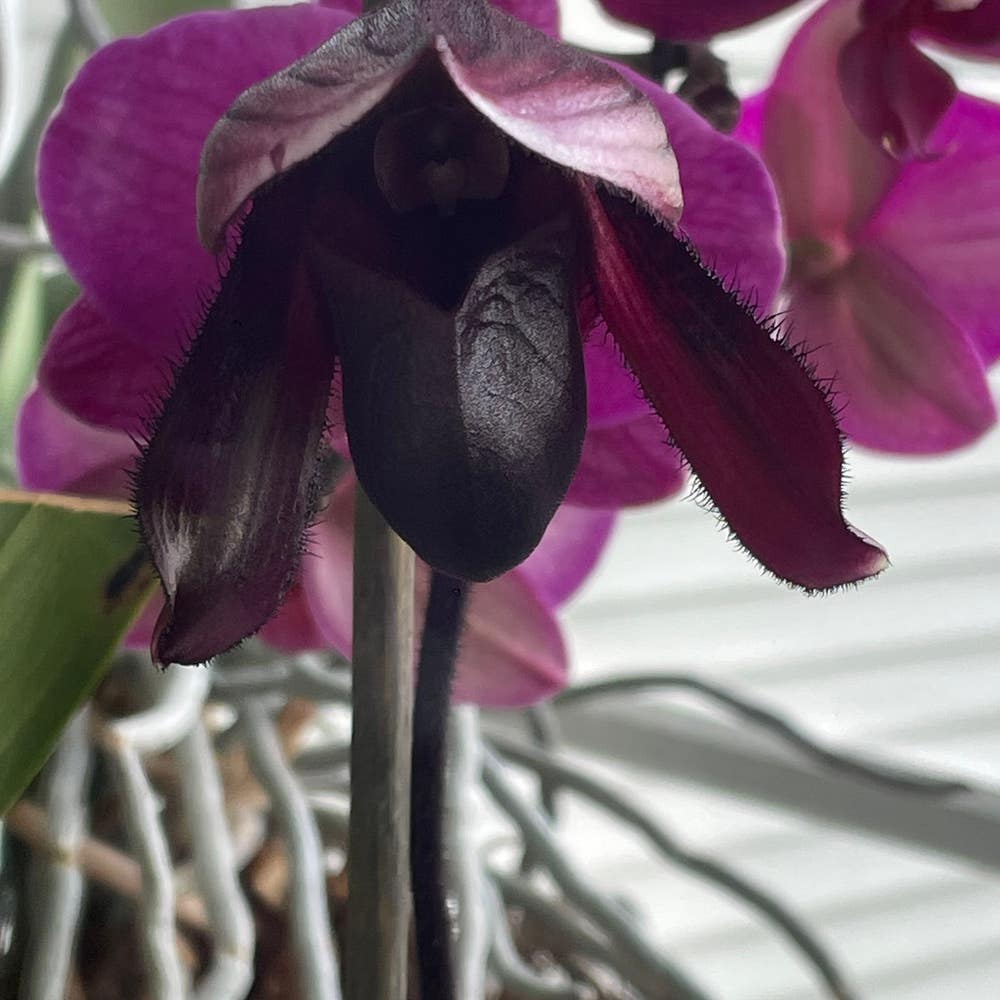
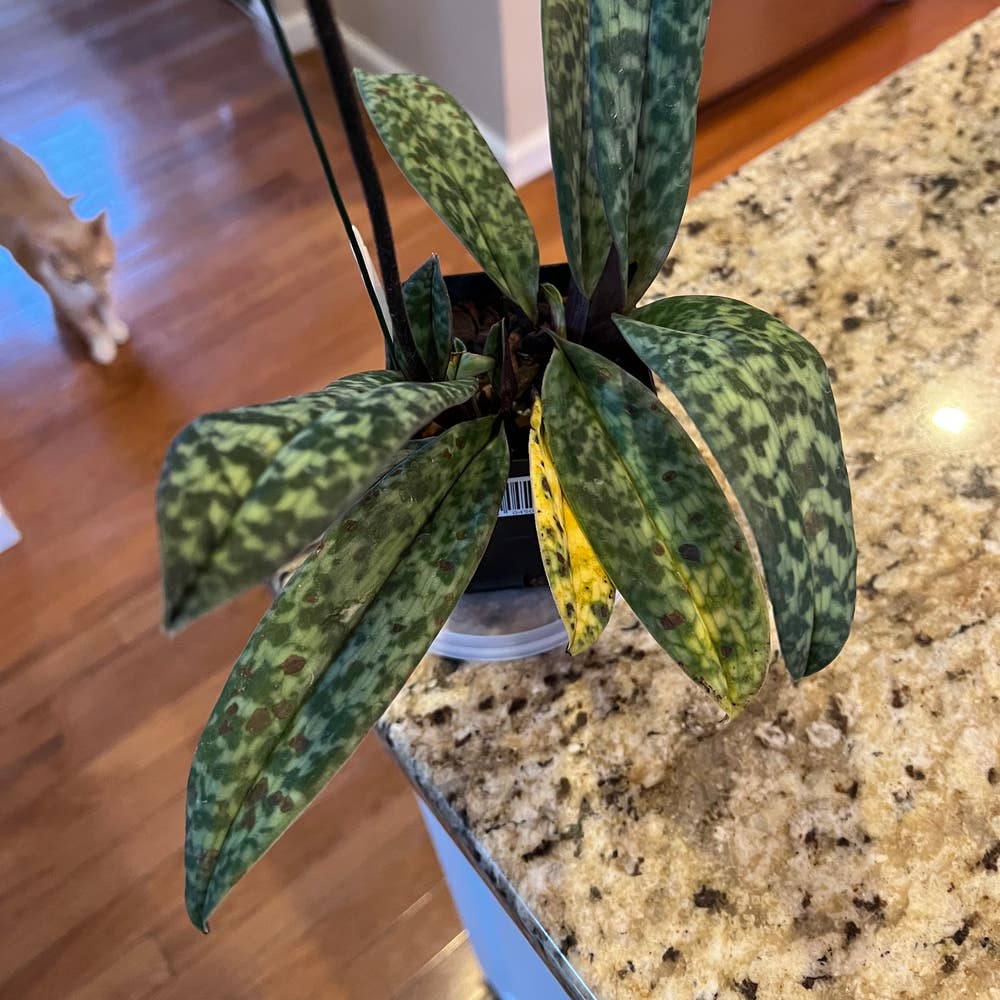
🌸 Paphiopedilum 'Ghengis Khan' Explained: Key Information
Paphiopedilum adductum 'Ghengis Khan'
By the Greg Editorial Team
Feb 11, 2025•13 min read
This article was created with the help of AI so we can cover more plants for you. May contain errors. See one? Report it here.
- 🌞 Paphiopedilum 'Ghengis Khan' thrives in filtered light, avoiding direct sunlight for leaf protection.
- 💧 Humidity levels of 50-70% are ideal for maintaining this orchid's health and vibrancy.
- 🌡️ Temperature control is key: 20-25°C daytime and 15-18°C nighttime for optimal growth.
How to Grow
Location and Environment 🌞
To thrive, Paphiopedilum 'Ghengis Khan' requires filtered light. Direct sunlight can scorch its delicate leaves, so aim for a bright spot with indirect exposure.
Humidity is crucial for this orchid, with an ideal range of 50-70%. Maintaining this level will help keep your plant healthy and vibrant.
Temperature preferences are also specific. During the day, aim for 20-25°C (68-77°F) and at night, keep it cooler at 15-18°C (59-65°F) to mimic its natural habitat.
Soil and Potting 🪴
When it comes to potting media, a mix of bark and sphagnum moss is recommended. This combination provides the right balance of moisture retention and drainage.
Well-draining soil is essential to prevent root rot. Always choose a pot that allows for adequate drainage and consider the size; a pot that's too small can hinder growth.
Watering and Fertilizing 🚰
Water your orchid every 1-2 weeks, allowing the top inch of soil to dry out between waterings. This practice helps prevent overwatering, which can lead to root issues.
For best results, use room temperature water and avoid waterlogging. During the growing season, fertilize every 2-4 weeks with a balanced orchid fertilizer (30-10-10) diluted to half strength.
Pruning and Care ✂️
Regular pruning is key to maintaining your plant's health. Remove any dead or yellowing leaves, as well as spent flower spikes, to encourage new growth.
Additionally, inspect your plant regularly for pests and diseases. Early detection can save your orchid from serious issues down the line.
Container vs. Outdoor Growing 🌍
Growing in containers offers several benefits, including better control over the environment and the ability to move your plant as needed. This flexibility can be particularly useful in fluctuating weather conditions.
If you choose to grow outdoors, ensure your orchid is protected from extreme weather. Providing some shade and shelter will help it flourish in an outdoor setting.
With these guidelines, you're well on your way to successfully growing Paphiopedilum 'Ghengis Khan'. Next, let's explore propagation methods to expand your orchid collection!
Propagation
🌱 Methods and Instructions
Propagation of Paphiopedilum 'Ghengis Khan' can be achieved through two primary methods: division and tissue culture.
Division
This method is best performed every 2-3 years during repotting.
- Carefully remove the plant from its pot.
- Separate the rhizomes, ensuring each division has roots.
- Replant in fresh potting mix to encourage new growth.
Tissue Culture
This advanced method requires sterile conditions to be successful.
- Prepare sterile media and containers to prevent contamination.
- Extract tissue from healthy plant parts for propagation.
- Incubate under controlled conditions to promote growth.
⏰ Timing and Conditions
The best time for division is in the spring or early summer when the plant is actively growing.
For tissue culture, optimal conditions include a warm and humid environment, which is crucial for the success of this method.
By understanding these propagation techniques, you can expand your collection of Paphiopedilum 'Ghengis Khan' and share this beautiful orchid with fellow enthusiasts.
Next, let’s explore the lifecycle of this fascinating plant and how it develops over time.
Lifecycle
Stages and Growth 🌱
The lifecycle of Paphiopedilum 'Ghengis Khan' is a fascinating journey that begins with germination. Seeds thrive in warm, humid conditions, which are essential for sprouting.
Seedling Stage 🌿
Once germination occurs, the plant enters the seedling stage. Here, it develops its initial leaves and roots, laying the foundation for future growth.
Vegetative Growth 🌳
Following the seedling stage, the plant enters a rapid vegetative growth phase. This is when you’ll notice significant leaf expansion, indicating that your orchid is thriving.
Flowering 🌸
Typically, flowering occurs 1-3 years after planting. This stage is the culmination of your care and patience, rewarding you with stunning blooms.
Time to Maturity ⏳
It takes approximately 2-3 years for Paphiopedilum 'Ghengis Khan' to reach maturity. During this time, consistent care will help ensure healthy growth.
Growth Rate 📈
The growth rate of this orchid is moderate. However, with optimal conditions, you can expect faster growth, making it a rewarding plant to cultivate.
Average Lifespan 🎉
With proper care, Paphiopedilum 'Ghengis Khan' can live for about 10-15 years. This longevity makes it a cherished addition to any plant collection, offering beauty and joy for years to come.
As you nurture your orchid through its lifecycle, you'll gain a deeper appreciation for its unique growth stages. Next, let’s explore the size characteristics of this remarkable plant.
Size
🌱 Growth Characteristics
Paphiopedilum 'Ghengis Khan' typically reaches a mature height of 30-45 cm (12-18 inches) and can spread between 30-60 cm (12-24 inches). This size makes it a striking addition to any indoor garden or collection.
📏 Factors Influencing Size
Several factors can influence the growth size of your orchid. Key elements include light exposure, humidity levels, and nutrient availability, all of which play a crucial role in its development.
⏳ Typical Growth Rate
The growth rate of this orchid is moderate. However, with optimal conditions, you can expect enhanced growth, leading to a more robust and vibrant plant.
Understanding these growth characteristics will help you provide the best care for your Paphiopedilum 'Ghengis Khan.' Next, let’s explore the root system and its health, which is vital for the overall well-being of your orchid.
Roots
🌱 Root System and Health
Paphiopedilum 'Ghengis Khan' features a fibrous root system that is essential for its overall health. These roots are shallow and spread horizontally, allowing the plant to absorb moisture and nutrients efficiently.
⚠️ Common Root-Related Issues
One of the most common problems is root rot, often caused by overwatering. To combat this, ensure proper drainage in your potting mix to keep the roots healthy and thriving.
👀 Identifying Healthy vs. Unhealthy Roots
Healthy roots are firm and exhibit a white or light tan color. In contrast, unhealthy roots appear dark, mushy, or may even emit a foul smell, indicating a need for immediate attention.
🔄 Understanding Rootbound Conditions
When roots become rootbound, they start circling the pot, leading to stunted growth. Signs of this condition include water pooling on the surface and a lack of new growth, which can be resolved by repotting into a larger container.
✅ Conclusion
Maintaining a healthy root system is crucial for the vitality of your Paphiopedilum 'Ghengis Khan'. By monitoring root health and addressing issues promptly, you can ensure your plant flourishes beautifully. Next, let's explore the benefits of growing this stunning orchid.
Benefits
Advantages of Growing Paphiopedilum 'Ghengis Khan' 🌺
Paphiopedilum 'Ghengis Khan' is a stunning addition to any plant collection, boasting unique slipper-shaped flowers that capture attention. Its aesthetic appeal is unmatched, making it a centerpiece in any indoor space.
These orchids are known for their long-lasting blooms, which can brighten up your home for months. Their vibrant colors and intricate shapes create a lively atmosphere, enhancing your living environment.
Beyond beauty, these plants contribute to air purification, improving indoor air quality. They help filter out toxins, making your home not just prettier, but healthier too.
One of the best aspects of growing 'Ghengis Khan' is its low maintenance requirements. This makes it an excellent choice for beginners who may be intimidated by more demanding plants.
Culturally, Paphiopedilum orchids hold significant meaning in various traditions, symbolizing beauty and elegance. Growing them can connect you to a rich history while adding a touch of sophistication to your space.
In summary, the benefits of cultivating Paphiopedilum 'Ghengis Khan' extend beyond mere aesthetics. They offer a blend of beauty, health benefits, and cultural significance, making them a worthwhile addition to any home.
As you consider adding this remarkable orchid to your collection, think about how it can enhance your space and your life. Next, let’s explore the best practices for propagating this beautiful plant.
Companion Plants
🌱 Growing Together for Mutual Benefits
Companion planting is all about creating a harmonious environment where plants thrive together. When it comes to Paphiopedilum 'Ghengis Khan', choosing the right companions can enhance growth and aesthetic appeal.
🌼 Ideal Companions
Consider pairing your slipper orchid with other orchids, ferns, and shade-loving plants. These companions share similar humidity and light requirements, making them perfect partners in your indoor or outdoor garden.
🚫 What to Avoid
Be cautious of aggressive plants that compete for resources. They can overshadow your Paphiopedilum, leading to stunted growth and reduced flowering.
💭 Final Thoughts
Creating a diverse plant community not only beautifies your space but also promotes a healthier growing environment. By selecting suitable companions, you can enjoy a thriving garden that showcases the unique charm of your Paphiopedilum 'Ghengis Khan'.
Next, let’s explore the fascinating world of plant toxicity and safety, ensuring your gardening experience remains worry-free.
Toxicity to Humans
Safety Overview 🛡️
Paphiopedilum 'Ghengis Khan' is considered safe and is not listed as toxic by major health organizations. This means you can enjoy its beauty without worrying about harmful effects.
General Safety ⚠️
While the plant poses minimal risk, ingestion in large quantities may lead to mild skin irritation or digestive discomfort. It's always wise to exercise caution with any plant and consult a physician if you experience unusual symptoms.
Best Practices 🌱
To ensure safety, keep the plant out of reach of small children and pets. Regularly inspect your plants and educate yourself about their care to avoid any mishaps.
As you cultivate your Paphiopedilum, remember that knowledge is your best ally in creating a safe and thriving environment.
Toxicity to Dogs
Safety Overview 🐶
Paphiopedilum 'Ghengis Khan' is considered safe for dogs, as major pet poison control centers do not list it as toxic. This means your furry friends can roam around your plant without the worry of serious health risks.
Minor Issues 🚫
While toxicity is not a concern, excessive consumption of the plant may lead to mild gastrointestinal upset. It's always a good idea to monitor your dog's behavior around plants, just to be safe.
Proper Placement 🏠
To prevent any curious nibbles, keep the plant out of reach of your dogs. A high shelf or a hanging planter can be great solutions.
Monitoring Behavior 👀
Keep an eye on your pets for any unusual interest in the plant. If you notice them sniffing or pawing at it, gently redirect their attention to a toy or treat instead.
This knowledge allows you to enjoy your Paphiopedilum 'Ghengis Khan' while ensuring your canine companions stay safe. Next, let’s explore how this beautiful orchid interacts with our feline friends.
Toxicity to Cats
Safety Overview 🐱
Paphiopedilum 'Ghengis Khan' is considered safe for cats, as confirmed by major pet poison control centers. This means you can enjoy your beautiful orchid without worrying about your feline friend getting harmed.
Potential Minor Issues 🩹
While not toxic, excessive consumption of the plant may lead to mild gastrointestinal upset in cats. It's always wise to monitor your pet's behavior around any houseplant.
Proper Placement 📍
To ensure safety, position your orchid out of reach of curious cats. This simple step can prevent any accidental nibbling.
Monitoring Behavior 👀
Keep an eye on your cat's interactions with the plant. If you notice unusual interest or behavior, it might be time to reassess its placement.
With these precautions, you can enjoy the beauty of Paphiopedilum 'Ghengis Khan' while keeping your furry companions safe. Next, let’s explore the common issues that can arise while caring for this stunning orchid.
Problems
Common Issues 🌱
Incorrect Watering
Watering is crucial for the health of your Paphiopedilum 'Ghengis Khan'. If you notice yellowing leaves or wilting, it’s likely due to incorrect watering practices.
- Causes: This can stem from either overwatering or underwatering.
- Solutions: Adjust your watering frequency based on the moisture level of the soil. Always check the top inch of soil before watering.
Incorrect Light Conditions
Light plays a significant role in the growth of your orchid. Leaf burn or leggy growth indicates that your plant is not receiving the right amount of light.
- Causes: Too much direct sunlight or insufficient light can lead to these symptoms.
- Solutions: Relocate your plant to a spot where it can receive filtered light, ensuring it thrives.
Incorrect Temperature
Temperature fluctuations can stress your plant. Stunted growth or leaf drop are signs that your orchid is unhappy with its environment.
- Causes: Extreme temperature changes can disrupt its growth cycle.
- Solutions: Maintain stable temperature ranges, ideally between 20-25°C (68-77°F) during the day and 15-18°C (59-65°F) at night.
Diseases
Diseases can be a significant threat to your orchid's health. Common issues include powdery mildew and root rot, which can be detrimental if not addressed promptly.
- Symptoms: Look for fungal growth on leaves or mushy roots.
- Solutions: Improve air circulation around your plant and adjust your watering practices to prevent excess moisture.
Leaf Issues
Leaf problems can signal underlying issues with your plant's care. Scorching, yellowing, or fuzzy growth on leaves often points to nutrient deficiencies or pest infestations.
- Causes: These symptoms can arise from inadequate nutrients or pest activity.
- Solutions: Regularly inspect your plant for pests and adjust your fertilization routine to ensure it receives the necessary nutrients.
By staying vigilant and addressing these common issues, you can ensure your Paphiopedilum 'Ghengis Khan' remains healthy and vibrant. Next, let’s explore the fascinating world of pests that can affect your orchid.
Bugs
🐜 Pest Issues
Paphiopedilum 'Ghengis Khan' is generally pest-resistant, but it can still fall victim to a few common pests. Being aware of these pests and their effects is crucial for maintaining the health of your orchid.
Spider Mites
- Identification: Look for fine webbing on the leaves.
- Damage: These pests can cause leaf discoloration and eventual drop.
Scale Insects
- Identification: Small, hard bumps appear on the stems and leaves.
- Damage: Scale insects weaken the plant, making it more susceptible to other issues.
Mealybugs
- Identification: These pests present as white, cotton-like masses on the plant.
- Damage: Mealybugs can stunt growth and lead to leaf drop.
🧪 Treatment Options
To combat these pests, consider the following treatments:
- Insecticidal Soap: Effective against a variety of pests, it suffocates them on contact.
- Neem Oil: A natural remedy that disrupts the life cycle of pests.
- Regular Inspections: Keep an eye on your plant to catch any infestations early.
By staying vigilant and employing these treatments, you can keep your Paphiopedilum thriving. Next, let’s explore how to manage common problems that may arise during its care.
What Eats
🦌 Common Animal Threats
When growing Paphiopedilum 'Ghengis Khan', be aware of potential threats from various animals. Deer, rabbits, squirrels, and rodents can all pose a risk to your prized orchid.
👀 Signs of Animal Presence
Keep an eye out for signs that these critters are around. Chewed leaves, missing flowers, and droppings nearby are all indicators that your plant may be under attack.
⚠️ Damage Assessment
These animals can cause significant damage by browsing on foliage and flowers. If left unchecked, they can quickly turn your beautiful orchid into a sad sight.
🚫 Deterrent Methods
To protect your plant, consider using chemical deterrents or organic control methods. Both options can help keep these hungry visitors at bay and ensure your Paphiopedilum thrives.
By staying vigilant and employing effective deterrents, you can enjoy the beauty of your orchid without the worry of animal intrusions. Next, let’s explore the common problems that can arise while caring for your Paphiopedilum 'Ghengis Khan'.
⚠️ Safety First
This content is for general information and may contain errors, omissions, or outdated details. It is not medical, veterinary advice, or an endorsement of therapeutic claims.
Always consult a qualified healthcare professional before using any plant as food, medicine, or supplement.
Never eat any plant (or feed one to pets) without confirming its identity with at least two trusted sources.
If you suspect poisoning, call Poison Control (800) 222-1222, the Pet Poison Helpline (800) 213-6680, or your local emergency service immediately.
Spotted an error? Please report it here.
Nurture your Paphiopedilum 'Ghengis Khan' to bloom beautifully 🌺 with Greg's custom watering alerts and expert care tips tailored just for your orchid's needs!