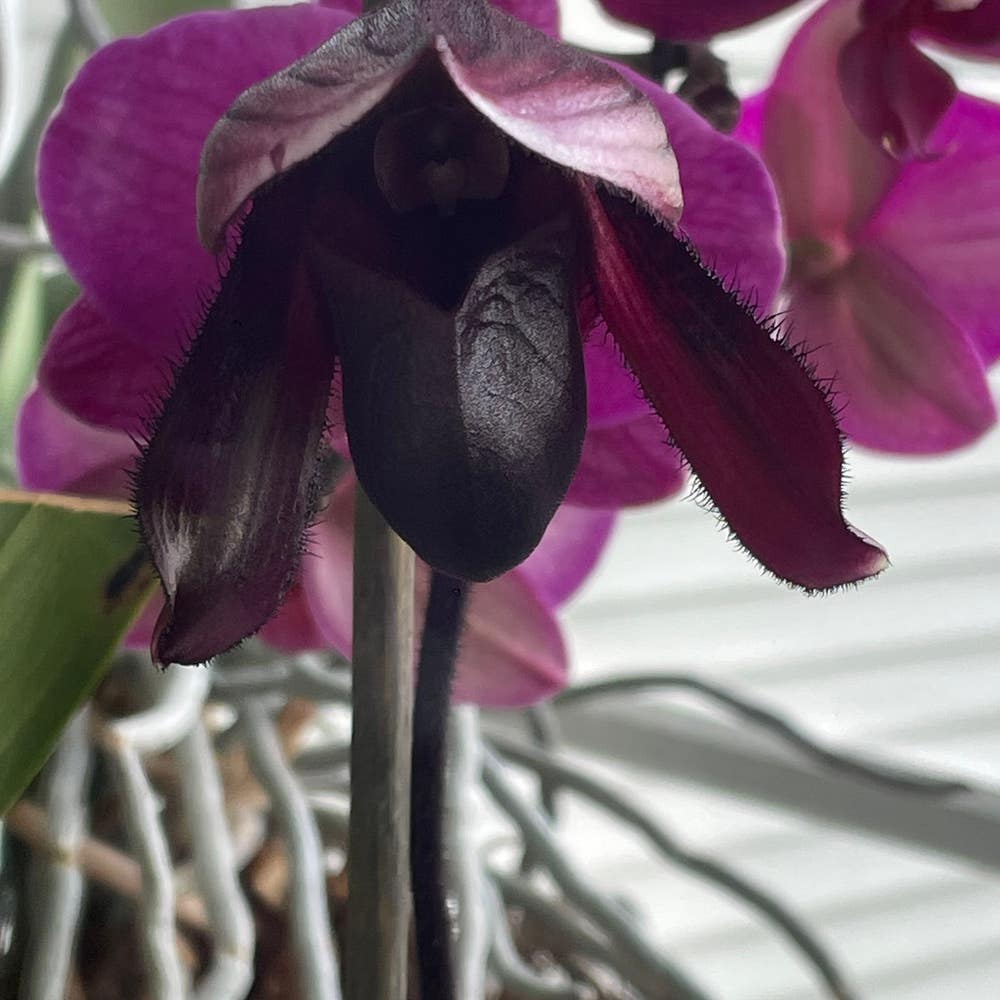
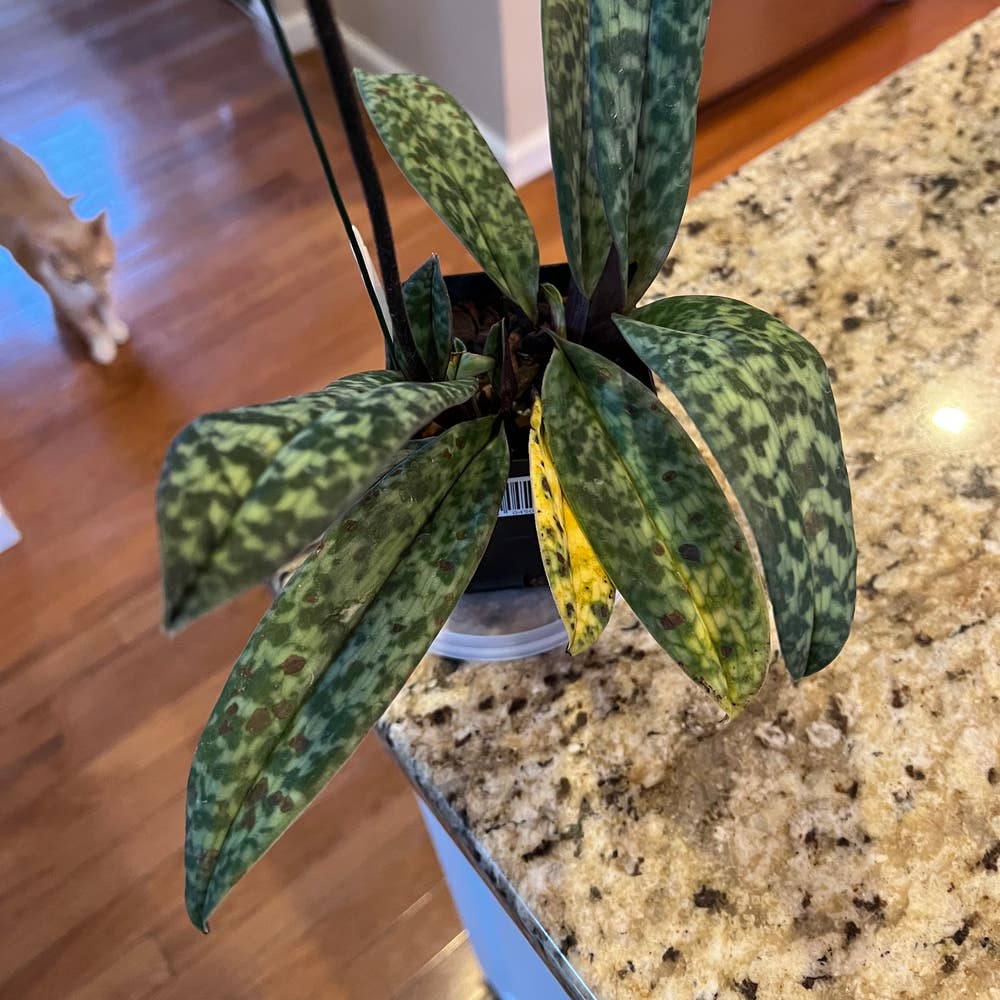
Understanding Paphiopedilum 'Alice Barrios': The Basics 🌸
Paphiopedilum 'Alice Barrios'
By the Greg Editorial Team
Feb 03, 2025•14 min read
This article was created with the help of AI so we can cover more plants for you. May contain errors. See one? Report it here.
Unlock the beauty of Paphiopedilum 'Alice Barrios' 🌺 with expert tips for thriving growth and vibrant blooms!
- 🌞 Paphiopedilum 'Alice Barrios' thrives in filtered light, avoiding direct sunlight to prevent damage.
- 💧 Maintain humidity levels of 50-70% and temperatures between 20°C to 30°C for optimal growth.
- 🌱 Use a bark and sphagnum moss mix for excellent drainage and healthy roots.
How to Grow
Choosing the Right Location 🌞
Finding the perfect spot for your Paphiopedilum 'Alice Barrios' is crucial. These orchids thrive in filtered light, so avoid direct sunlight that can scorch their leaves.
Humidity is another key factor; aim to maintain levels between 50-70%. Additionally, keep temperatures within the ideal range of 20°C to 30°C (68°F to 86°F) for optimal growth.
Soil Preparation and Potting Mix 🌱
For a healthy root system, use a potting mix that combines bark and sphagnum moss. This blend ensures excellent drainage, which is vital for preventing root rot.
A well-draining soil mix supports root health and encourages robust growth. Remember, the right soil can make all the difference!
Watering Techniques and Frequency 🚰
Water your Paphiopedilum every 1-2 weeks, allowing the top inch of soil to dry out between waterings. This practice prevents overwatering, which can lead to root issues.
Consider using bottom watering for a more effective method, or top watering if you prefer a hands-on approach. Both techniques can work well when done correctly.
Fertilizing Schedule and Types of Fertilizers 🍽️
During the growing season, fertilize your orchid every 2-4 weeks. A balanced orchid fertilizer, such as a 20-20-20 mix, provides the nutrients needed for healthy growth.
Regular fertilization helps your plant flourish, ensuring vibrant blooms and lush foliage.
Pruning and Ongoing Care Practices ✂️
Pruning is essential for maintaining your orchid's health. Remove any dead or yellowing leaves to encourage new growth and improve airflow.
Ongoing care involves monitoring humidity and temperature levels. Keeping these factors in check will help your Paphiopedilum thrive.
Outdoor vs. Container Growing Considerations 🌍
Container growing offers flexibility, especially in indoor environments. It allows you to control conditions more easily, ensuring your orchid gets the care it needs.
If you choose to grow outdoors, protect your plant from extreme weather conditions. A little extra care can go a long way in keeping your orchid healthy and happy.
With these tips, you're well on your way to successfully growing Paphiopedilum 'Alice Barrios'. Next, let's explore the fascinating world of propagation!
Propagation
🌱 Methods of Propagation
Propagation of Paphiopedilum 'Alice Barrios' can be achieved through two primary methods: division and tissue culture.
Division
Dividing established plants is a straightforward process. Follow these steps for successful division:
- Choose the Right Time: Wait until the plant is actively growing, ideally in spring or early summer.
- Prepare Your Tools: Use sterilized scissors or a knife to prevent infection.
- Remove the Plant: Gently take the plant out of its pot, being careful not to damage the roots.
- Separate the Clumps: Identify natural divisions in the root system and carefully pull them apart.
- Re-pot the Divisions: Place each division in its own pot with fresh potting mix, ensuring good drainage.
Tissue Culture
Tissue culture is a more advanced propagation method that involves growing new plants from small tissue samples. This technique requires sterile conditions and specific growth media to thrive.
- Process Overview: The process begins with selecting a healthy plant and taking a small tissue sample, usually from the leaf or stem.
- Conditions Needed: The samples are placed in a nutrient-rich agar medium under controlled light and temperature. High humidity is crucial for successful growth.
⏰ Timing and Conditions for Successful Propagation
Timing is essential for successful propagation of Paphiopedilum 'Alice Barrios'. The best time to propagate is during spring or early summer when the plant is in its active growth phase.
Ideal Conditions
For optimal results, ensure the following conditions:
- Warm Temperatures: Aim for a consistent temperature between 20°C to 30°C (68°F to 86°F).
- High Humidity: Maintain humidity levels around 50-70% to encourage healthy growth.
By adhering to these guidelines, you can successfully propagate your Paphiopedilum 'Alice Barrios' and enjoy the beauty of this unique orchid in your collection.
Next, we will explore the lifecycle of this fascinating plant, detailing its growth stages and what to expect along the way.
Lifecycle
Lifecycle Stages 🌱
The lifecycle of Paphiopedilum 'Alice Barrios' unfolds in distinct stages, starting from seed or cutting. It progresses through germination, seedling development, vegetative growth, and finally, flowering.
Each stage is crucial for the plant's overall health and vitality. Typically, it takes about 2-3 years for the plant to reach full maturity.
Factors Affecting Growth Rate 📈
Several factors influence the growth rate of this orchid. Key elements include light exposure, temperature, and the care practices you implement.
Providing optimal conditions can significantly enhance the plant's development. For instance, adequate light and consistent warmth can accelerate growth, while neglect can lead to delays.
Understanding these stages and factors will empower you to nurture your Paphiopedilum 'Alice Barrios' effectively. With the right care, you’ll witness the beauty of this orchid flourish over time.
As we delve deeper into the specifics of growing this stunning plant, let's explore the essential aspects of size and growth characteristics next.
Size
Mature Height and Spread 🌱
Paphiopedilum 'Alice Barrios' typically reaches a mature height of 12 to 18 inches (30 to 45 cm). Its spread can extend from 12 to 15 inches (30 to 38 cm), making it a lovely addition to both indoor and outdoor spaces.
Growth Rate and Factors Affecting Size 📈
This orchid has a moderate growth rate, which can be influenced by various care conditions. Whether grown indoors or outdoors, factors like light, temperature, and humidity can lead to variability in size, so keep an eye on your plant's environment for optimal growth.
As you nurture your Paphiopedilum, remember that the right conditions can help it thrive and reach its full potential. With proper care, you'll enjoy the beauty of this orchid for years to come.
Roots
🌱 Characteristics of the Root System
Paphiopedilum 'Alice Barrios' features a fibrous root system with rhizomatous growth. This structure allows the plant to absorb nutrients efficiently while maintaining stability.
The roots are shallow but extensive, spreading out to maximize their reach in search of moisture and nutrients. This adaptability is key to their survival in varying conditions.
🐾 Common Root-Related Issues and Solutions
Identifying healthy roots is crucial for the plant's well-being. Healthy roots are firm and white or light tan, while unhealthy roots may appear brown, mushy, or shriveled.
Rootbound conditions can hinder growth. Signs include roots growing out of the pot's drainage holes or circling tightly within the pot. To manage this, consider repotting the plant into a larger container with fresh potting mix.
By keeping an eye on root health and addressing any issues promptly, you can ensure your Paphiopedilum thrives. This proactive approach will lead to a more vibrant and resilient plant.
As we explore the lifecycle of Paphiopedilum 'Alice Barrios', understanding its roots will provide valuable insights into its growth stages and overall health.
Benefits
Top 5 Benefits 🌟
Paphiopedilum 'Alice Barrios' is not just a pretty face; it offers a range of benefits that make it a fantastic addition to any home.
Aesthetic Appeal
With its unique flowers and attractive foliage, this orchid stands out in any setting. The vibrant colors and intricate shapes can elevate your decor and bring a touch of nature indoors.
Air Purification
Beyond beauty, these orchids contribute to improving indoor air quality. They help filter out toxins, making your living space healthier and more inviting.
Long-Lasting Blooms
One of the standout features of Paphiopedilum 'Alice Barrios' is its long-lasting blooms. You can enjoy its stunning flowers for extended periods, enhancing your indoor ambiance.
Cultural Significance
This orchid carries cultural symbolism in various traditions. It represents beauty and strength, making it a meaningful gift or centerpiece in your home.
Therapeutic Effects
Having plants like Paphiopedilum 'Alice Barrios' around can promote relaxation and well-being. Their presence can reduce stress and create a calming environment, perfect for unwinding after a long day.
Incorporating this orchid into your space not only beautifies it but also enriches your life in multiple ways. Next, let’s explore how to propagate this stunning plant for even more enjoyment.
Companion Plants
🌱 Explanation of Companion Planting
Companion planting is a gardening technique that involves growing different plants together for mutual benefits. This practice can enhance pest management and promote garden diversity, creating a healthier environment for your Paphiopedilum 'Alice Barrios'.
🌿 Compatible Companion Plants
Several plants thrive alongside Paphiopedilum 'Alice Barrios', including:
- Ferns: They love humidity and can help maintain moisture levels.
- Peace Lilies: These plants also prefer similar light and humidity conditions.
- Other humidity-loving plants: Consider adding plants like calatheas or philodendrons for a lush look.
These companions not only complement the orchid's aesthetic but also create a microclimate that supports its growth.
🚫 Plants to Avoid
While some plants are great companions, others can hinder your orchid's health. Avoid planting near:
- Cacti and succulents: They require dry conditions, which can conflict with the humidity needs of your orchid.
- Heavy feeders: Plants that consume a lot of nutrients can compete with your orchid for resources.
Choosing the right companions can significantly enhance the growth and health of your Paphiopedilum 'Alice Barrios', ensuring a thriving indoor garden.
As you consider companion planting, remember that the right mix can lead to a vibrant and harmonious plant community. Next, let’s explore the fascinating world of propagation methods for your orchid.
Toxicity to Humans
Safety of Paphiopedilum 'Alice Barrios' for Humans 🛡️
Paphiopedilum 'Alice Barrios' is generally safe for humans. Major health organizations do not list it as toxic, making it a great choice for indoor gardening.
However, it's wise to exercise caution. While rare, some individuals may experience mild skin irritation or digestive discomfort if they consume the plant in excessive amounts.
Always remember that even non-toxic plants can cause issues if mishandled. Keeping this in mind will help ensure a safe and enjoyable experience with your Paphiopedilum.
As we move forward, let’s explore how this beautiful orchid interacts with our furry friends.
Toxicity to Dogs
Safety of Paphiopedilum 'Alice Barrios' for Dogs 🐶
When it comes to the safety of Paphiopedilum 'Alice Barrios' for dogs, you can breathe easy. This orchid is not listed as toxic by major pet poison control centers, making it a safe choice for your furry friends.
However, it's important to note that while the plant is generally safe, excessive consumption can lead to mild gastrointestinal upset. Keep an eye on your dog if they show interest in nibbling on the leaves or flowers.
Tips for Introducing the Plant to Homes with Dogs 🏡
To ensure a harmonious relationship between your dog and your new orchid, consider these tips:
Placement: Position the plant in a spot that’s out of reach of curious paws. High shelves or hanging planters can work wonders.
Training: Teach your dog to respect the plant. Positive reinforcement can help them understand which areas are off-limits.
Observation: Monitor your dog’s behavior around the plant. If they seem overly interested, redirect their attention to their toys or treats.
By taking these precautions, you can enjoy the beauty of Paphiopedilum 'Alice Barrios' while keeping your canine companion safe.
Next, let's explore the safety of this orchid for our feline friends.
Toxicity to Cats
Safety of Paphiopedilum 'Alice Barrios' for Cats 🐱
Paphiopedilum 'Alice Barrios' is not considered toxic to cats according to major pet poison control centers. This means you can enjoy the beauty of this orchid without worrying about your feline friends.
However, it's important to note that excessive consumption of any plant can lead to mild gastrointestinal upset in cats. Keeping an eye on your pet's behavior around the plant is a good practice.
Tips for Introducing the Plant to Homes with Cats 🏡
When introducing Paphiopedilum 'Alice Barrios' to your home, consider placing it in a location that is less accessible to your cat. Hanging baskets or elevated shelves can be great options.
Additionally, monitor your cat's interactions with the plant. If you notice any signs of nibbling, gently redirect their attention to cat-friendly alternatives. This way, both your plant and your pet can thrive together!
Problems
🕵️♂️ Identification and Causes of Issues
Incorrect Watering
Watering issues are common with Paphiopedilum 'Alice Barrios'. Overwatering can lead to root rot, while underwatering may cause wilting and leaf drop. Look for yellowing leaves as a sign of too much water, and dry, crispy leaves indicating a lack of moisture.
Incorrect Light Conditions
Light is crucial for healthy growth. If your plant's leaves are turning yellow or becoming leggy, it may be getting too much light. Conversely, dark green leaves with slow growth can signal insufficient light.
Temperature Issues
Temperature fluctuations can stress your orchid. Signs of stress include leaf curling or browning tips, indicating that your plant is either too hot or too cold. Maintaining a stable environment is key to preventing these issues.
🛠️ Solutions for Resolving Common Problems
Adjust Watering Practices
Ensure you water every 1-2 weeks, allowing the top inch of soil to dry out. Use a moisture meter if you're unsure about the soil's moisture level.Optimize Light Exposure
Place your orchid in a location with filtered light. If you notice signs of too much light, consider moving it to a shadier spot.Maintain Temperature Stability
Keep your plant in a temperature range of 20°C to 30°C (68°F to 86°F). Avoid placing it near drafts or heat sources to minimize temperature fluctuations.Monitor Humidity Levels
Aim for 50-70% humidity. If your home is dry, consider using a humidity tray or a humidifier to create a more favorable environment.Regularly Inspect for Pests
Check your plant for signs of pests like spider mites or mealybugs. Early detection can prevent more significant infestations, so act quickly if you notice any issues.
By addressing these common problems, you can ensure your Paphiopedilum 'Alice Barrios' thrives and continues to bring beauty to your space. Next, let's explore how to propagate this stunning orchid for even more blooms!
Bugs
🐛 Potential Pest Issues
Paphiopedilum 'Alice Barrios' is generally resilient against pests, but it can still face challenges. Understanding its susceptibility helps in maintaining a healthy plant.
🦠 Common Pests
The most common pests that may target your Paphiopedilum include spider mites, mealybugs, and aphids.
- Spider Mites: These tiny pests can cause significant damage by sucking the sap from leaves, leading to stippling and discoloration.
- Mealybugs: Recognizable by their cotton-like appearance, mealybugs can weaken your plant by feeding on its juices, resulting in yellowing leaves.
- Aphids: These small, soft-bodied insects can cluster on new growth, causing distortion and stunted growth.
To manage these pests effectively, consider the following treatment options:
- Insecticidal Soap: This is a gentle yet effective way to eliminate soft-bodied insects.
- Neem Oil: A natural pesticide that disrupts the life cycle of pests without harming your plant.
- Regular Inspection: Keeping an eye on your plant can help catch infestations early.
By staying vigilant and employing these strategies, you can keep your Paphiopedilum thriving and pest-free. Next, let’s explore what animals might pose a threat to your beloved plant.
What Eats Paphiopedilum 'Alice Barrios'
🦌 Common Animals That May Damage the Plant
Paphiopedilum 'Alice Barrios' can attract a variety of hungry critters. Common culprits include deer, rabbits, squirrels, and rodents, all of which may find your orchid's foliage irresistible.
These animals are often drawn to the plant's lush leaves and unique flowers, leading to potential damage. Understanding which animals pose a threat can help you take proactive measures to protect your precious plant.
🕵️♂️ Signs of Animal Presence and Damage
Identifying signs of animal activity is crucial for timely intervention. Look for:
- Deer: They tend to leave behind torn leaves and broken stems, often grazing at the height of the plant.
- Rabbits: These furry friends will nibble on the lower leaves, leaving clean-cut edges.
- Squirrels and Rodents: They may dig around the base of the plant or chew on the roots, causing noticeable disturbances in the soil.
If you notice any of these signs, it’s time to act before your plant suffers further damage.
🚫 Methods for Deterring or Managing Animal Interactions
Protecting your Paphiopedilum 'Alice Barrios' from these animals can be achieved through various methods. Here are some effective strategies:
- Chemical Deterrents: Commercial repellents can be sprayed around the plant to deter animals with strong scents.
- Organic Solutions: Consider using natural deterrents like garlic or hot pepper sprays, which can be effective without harming the environment.
- Physical Barriers: Installing fencing or using plant covers can provide a physical barrier against larger animals like deer and rabbits.
By implementing these strategies, you can safeguard your orchid and enjoy its beauty without the worry of unwanted visitors.
⚠️ Safety First
This content is for general information and may contain errors, omissions, or outdated details. It is not medical, veterinary advice, or an endorsement of therapeutic claims.
Always consult a qualified healthcare professional before using any plant as food, medicine, or supplement.
Never eat any plant (or feed one to pets) without confirming its identity with at least two trusted sources.
If you suspect poisoning, call Poison Control (800) 222-1222, the Pet Poison Helpline (800) 213-6680, or your local emergency service immediately.
Spotted an error? Please report it here.
Unlock the secret to stunning blooms 🌸 with Greg's personalized care tips and watering reminders, ensuring your Paphiopedilum 'Alice Barrios' thrives in its perfect environment!