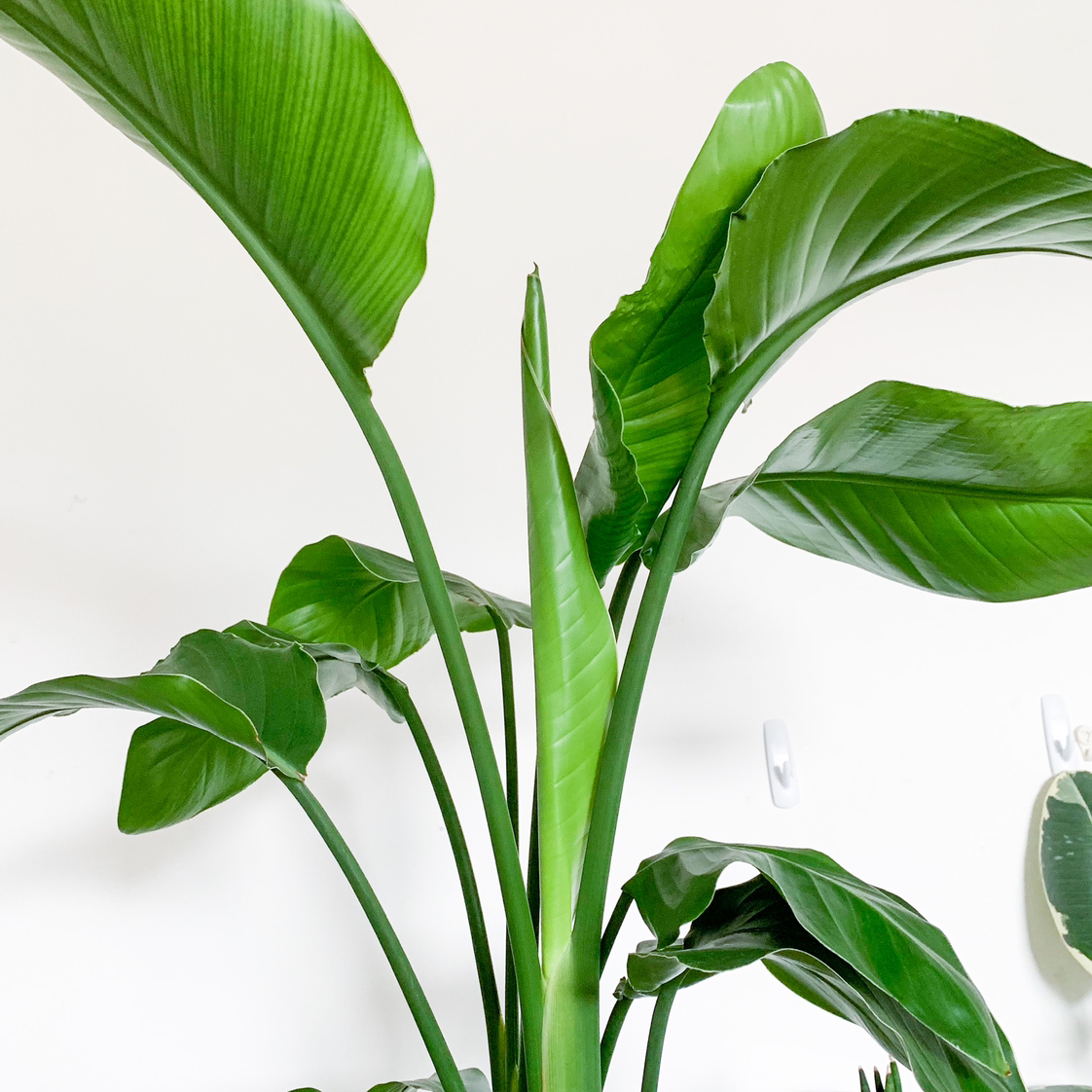
Best Soil for Orange Bird of Paradise 🦜

Strelitzia reginae

By the Greg Editorial Team

Oct 16, 20246 min read

This article was created with the help of AI so we can cover more plants for you. May contain errors. See one? Report it here.

  1. 🌱 Ideal soil mix: 50% potting soil, 30% perlite, 20% compost for optimal growth.
  2. πŸ’§ Well-draining soil prevents root rot, essential for healthy Orange Bird of Paradise.
  3. βš–οΈ Maintain soil pH between 5.5 and 7.0 for nutrient availability and plant health.

Ideal Soil Composition

Components and Ratios 🌱

Creating the perfect soil mix for your Orange Bird of Paradise is crucial for its health and growth. The recommended composition includes:

  • 50% potting soil: Choose a high-quality, organic variety to provide a solid foundation.
  • 30% perlite or coarse sand: This enhances drainage, preventing water from pooling around the roots.
  • 20% compost: Adds essential nutrients to support vibrant growth.

Well-draining soil is vital to prevent root rot, a common issue that can quickly kill your plant. Ensuring that your mix allows excess water to escape will keep your roots healthy and thriving.

Recommended Potting Mixes πŸͺ΄

If you prefer ready-made solutions, several commercial potting mixes are tailored for Bird of Paradise plants. Here are two top contenders:

  • Brand A: Known for its excellent drainage properties and organic materials, this mix supports healthy root development.
  • Brand B: This option includes added perlite, enhancing aeration and further improving drainage.

When comparing these brands, consider their soil composition and performance. A well-balanced mix will not only support your plant's growth but also simplify your care routine.

With the right soil composition in place, your Orange Bird of Paradise will be set for success. Next, let’s explore the importance of soil pH and nutrient needs to ensure your plant gets everything it requires for optimal growth.

Soil pH and Nutrient Needs

Ideal pH Range 🌱

For your Orange Bird of Paradise, maintaining an optimal soil pH between 5.5 and 7.0 is crucial. This slightly acidic to neutral range ensures that nutrients are readily available, promoting robust plant health.

How to Test Soil pH πŸ§ͺ

Testing your soil pH is straightforward and can be done using pH test strips or digital pH meters.

  1. Gather your tools: Choose either pH test strips or a digital meter for accuracy.
  2. Collect a soil sample: Take a small amount of soil from various spots in the pot.
  3. Follow the instructions: Use the tools as directed to get your pH reading.

This simple process will help you understand your soil’s acidity and make necessary adjustments.

Nutrient Requirements 🌾

Your Orange Bird of Paradise thrives on essential nutrients.

  • Nitrogen is vital for lush leaf growth.
  • Phosphorus supports vibrant flowering.
  • Potassium contributes to overall plant health.

Incorporating organic matter into your soil mix enhances nutrient retention, ensuring your plant gets what it needs to flourish.

Understanding soil pH and nutrient needs is key to nurturing a healthy Orange Bird of Paradise. With the right conditions, your plant will thrive, setting the stage for vibrant blooms and lush foliage.

Next, let’s explore how to identify and resolve common soil issues that could hinder your plant’s growth.

Identifying and Resolving Soil Issues

Signs of Unhealthy Soil 🌱

Recognizing unhealthy soil is crucial for the well-being of your Orange Bird of Paradise. Common indicators include moldy soil, which appears as white or gray fungal growth on the surface, and compacted soil, characterized by a hard, dense texture that retains too much water.

Visual signs of nutrient deficiencies can also signal soil problems. Yellowing leaves often indicate a nitrogen deficiency, while stunted growth may suggest a lack of phosphorus.

Solutions for Moldy Soil 🧼

If you encounter moldy soil, immediate action is essential. Start by removing the affected top layer of soil to eliminate the mold. Improving air circulation around the plant can also help mitigate the issue.

For long-term prevention, adjust your watering schedule to prevent excess moisture. This simple change can significantly reduce the likelihood of mold returning.

How to Amend Compacted Soil πŸ› οΈ

Compacted soil can hinder your plant's growth, but there are effective techniques to loosen it. Incorporating perlite or coarse sand into the soil mix can enhance drainage and aeration.

Using a garden fork to aerate the soil is another practical approach. This method breaks up the compacted areas, allowing roots to breathe and absorb nutrients more effectively.

Replacing Unhealthy Soil πŸ”„

Sometimes, replacing unhealthy soil is the best option. Follow these steps for a successful transition:

  1. Carefully remove the plant from its pot.
  2. Gently shake off the old soil.
  3. Inspect the roots for any signs of rot and trim if necessary.
  4. Replant in a fresh, well-draining soil mix.

By addressing soil issues promptly, you can ensure your Orange Bird of Paradise thrives. Now, let’s explore how to create a homemade soil mix tailored to your plant's needs.

Creating a Homemade Soil Mix

πŸ“ Step-by-Step Guide

Creating the perfect soil mix for your Orange Bird of Paradise is straightforward. Start by gathering your materials: high-quality potting soil, perlite, compost, and coarse sand.

Next, mix these components in the recommended ratios: 50% potting soil, 30% perlite or coarse sand, and 20% compost. This blend ensures excellent drainage and nutrient retention.

Finally, test your mix for drainage and texture. Pour some water into a small amount of the mix to see how quickly it drains. A well-draining mix should allow water to flow through without pooling.

πŸ₯— Recommended Ingredients for Optimal Growth

When selecting compost, consider options like worm castings or well-rotted manure. These types provide essential nutrients and improve soil structure.

Using organic materials is crucial for nutrient retention. They not only feed your plant but also enhance the microbial life in the soil, promoting healthier growth.

βš–οΈ Tips for Adjusting Soil Mix Based on Conditions

Adjust your soil mix based on whether your plant is indoors or outdoors. Indoor plants may require a lighter mix for better aeration, while outdoor plants benefit from a denser mix to retain moisture.

Also, consider local climate and humidity levels. In drier areas, you might increase the compost ratio to help retain moisture, while in humid regions, more perlite can improve drainage.

Creating a homemade soil mix tailored to your Orange Bird of Paradise ensures it thrives in its environment. With the right ingredients and adjustments, you'll set your plant up for success.

Next, let’s explore seasonal soil considerations to keep your plant healthy year-round.

Seasonal Soil Considerations

🌱 Seasonal Adjustments for Soil Care

Seasonal changes significantly impact how you care for your Bird of Paradise. Adjusting your watering schedule and soil mix components can enhance growth and health throughout the year.

In spring, as temperatures rise, your plant will benefit from increased watering and nutrient-rich soil. Conversely, in winter, you’ll want to reduce watering to prevent root rot during dormancy.

πŸ› οΈ Preparing Soil for Different Growth Phases

Spring: This is the time for fertilization and a nutrient boost. Adding organic fertilizers can invigorate your soil, promoting lush growth.

Summer: Focus on monitoring drainage and moisture retention. High temperatures can dry out the soil quickly, so ensure it remains well-draining yet adequately moist.

Fall/Winter: As your plant prepares for dormancy, reduce watering frequency. This helps prevent over-saturation and allows the plant to rest, setting it up for a vibrant spring.

By adapting your soil care to the seasons, you’ll create an optimal environment for your Orange Bird of Paradise to thrive. Next, let’s explore how to create a homemade soil mix tailored to your plant’s needs.

⚠️ Safety First

This content is for general information and may contain errors, omissions, or outdated details. It is not medical, veterinary advice, or an endorsement of therapeutic claims.

Always consult a qualified healthcare professional before using any plant as food, medicine, or supplement.

Never eat any plant (or feed one to pets) without confirming its identity with at least two trusted sources.

If you suspect poisoning, call Poison Control (800) 222-1222, the Pet Poison Helpline (800) 213-6680, or your local emergency service immediately.

Spotted an error? Please report it here.

Create the perfect soil mix 🌿 for your Orange Bird of Paradise with Greg's tailored tips and reminders, ensuring your plant thrives in its ideal environment!