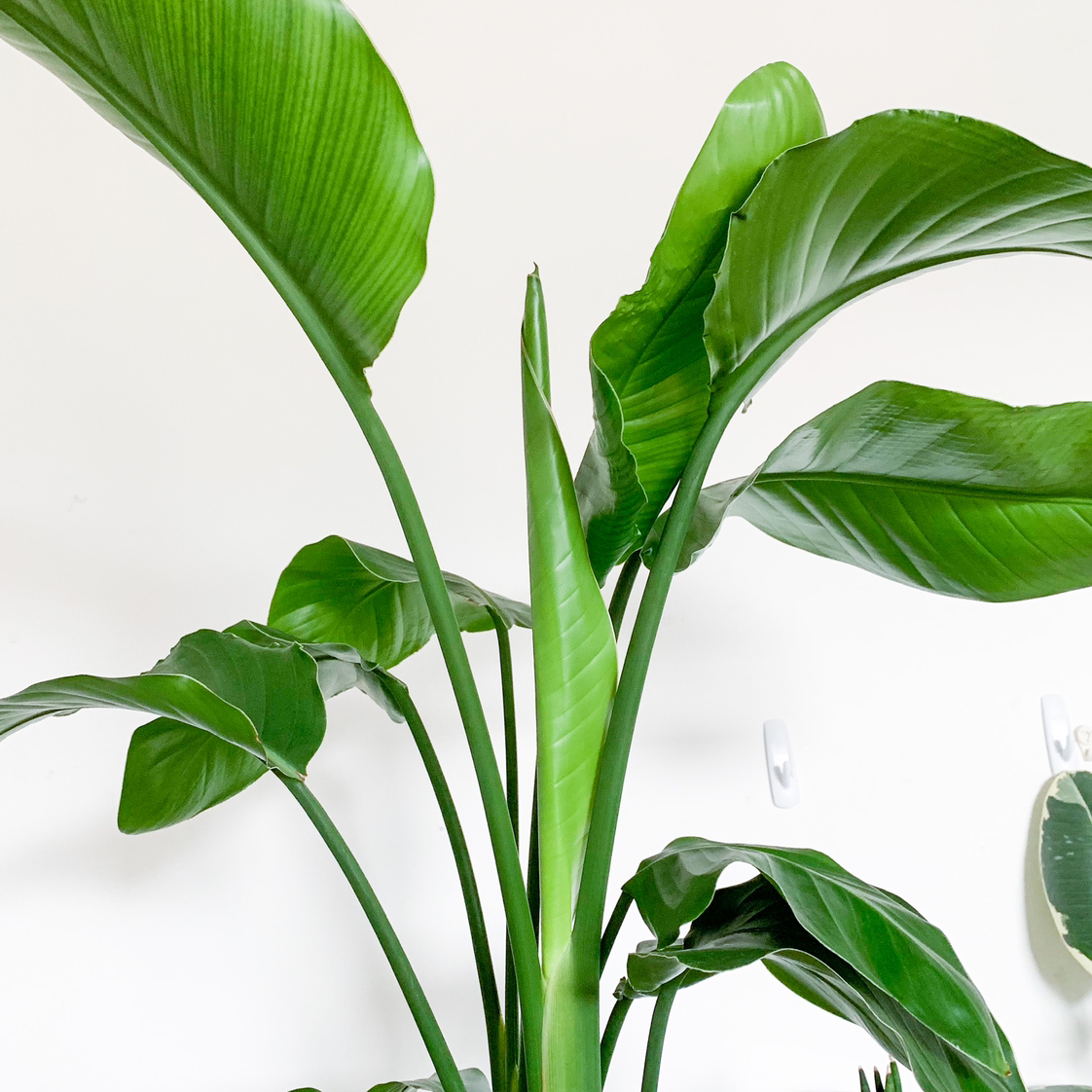
Orange Bird of Paradise Fertilizer: How and When to Use It π¦
Strelitzia reginae
By the Greg Editorial Team
Oct 16, 2024•5 min read
This article was created with the help of AI so we can cover more plants for you. May contain errors. See one? Report it here.
- π± Choose between organic and synthetic fertilizers for optimal growth of your Bird of Paradise.
- π Fertilize every 4-6 weeks during the growing season for best results.
- β οΈ Watch for signs of nutrient deficiency like yellowing leaves to adjust care.
Types of Fertilizers Suitable for Orange Bird of Paradise
π± Organic vs. Synthetic Fertilizers
When it comes to fertilizing your Orange Bird of Paradise, you have two main options: organic and synthetic fertilizers.
Organic fertilizers are fantastic for enriching the soil naturally. Compost, well-rotted manure, and organic blends improve soil structure and promote beneficial microbial activity. They release nutrients slowly, providing a steady supply over time.
On the other hand, synthetic fertilizers offer quick-release options that can deliver nutrients rapidly. These are particularly effective if your plant needs a fast boost, especially during the growing season.
π·οΈ Recommended Brands and Products
Choosing the right fertilizer can make all the difference for your Bird of Paradise. Some of the best fertilizers include brands like Miracle-Gro and Osmocote, known for their high-quality formulations.
When deciding between slow-release and liquid fertilizers, consider your plant's needs. Slow-release fertilizers provide a gradual nutrient supply, while liquid options allow for quick absorption. Each has its place, depending on your specific gardening goals.
With the right fertilizer in hand, your Orange Bird of Paradise will thrive, setting the stage for vibrant blooms and lush foliage. Next, letβs explore how to apply these fertilizers effectively.
How to Apply Fertilizer
π± Application Methods
When it comes to applying fertilizer to your Orange Bird of Paradise, the method you choose can make a big difference. For liquid fertilizer, dilute it according to the package instructions, typically mixing it with water before application.
Granular fertilizers require a different approach. Spread the granules evenly around the base of the plant, ensuring you avoid direct contact with the stems to prevent burn.
β° Frequency of Application
Timing is crucial for optimal growth. Aim to fertilize every 4-6 weeks during the growing season, which usually spans from spring to early fall.
However, adjust your frequency based on the plant's environment. Indoor plants may need less frequent feeding compared to their outdoor counterparts, which often benefit from more regular applications due to increased exposure to sunlight and nutrients.
With these methods and timings in mind, your Orange Bird of Paradise will thrive, setting the stage for vibrant blooms and lush foliage. Next, letβs explore how to identify signs of nutrient deficiency in your plant.
Signs of Nutrient Deficiency
π± Identifying Nutrient Needs
Recognizing nutrient deficiencies in your Orange Bird of Paradise is crucial for its health. Common symptoms include yellowing leaves, poor growth, and a lack of blooms.
Specific deficiencies can point to particular nutrient needs:
- Nitrogen: Look for leaf yellowing, especially in older leaves.
- Phosphorus: Poor root development often signals a lack of this nutrient.
- Potassium: If you notice browning at the edges of leaves, potassium might be the culprit.
π§ͺ Adjusting Fertilization Based on Symptoms
Once you've identified the symptoms, it's time to tailor your fertilization approach. Choose a fertilizer that addresses the specific deficiencies you've observed.
Soil testing is also essential. It helps determine nutrient levels, allowing for a more targeted fertilization strategy. This proactive approach ensures your plant gets exactly what it needs to thrive.
By staying attentive to these signs, you can keep your Orange Bird of Paradise vibrant and flourishing. Next, letβs explore the signs of over-fertilization to ensure your plant doesnβt suffer from too much of a good thing.
Signs of Over-Fertilization
Recognizing Over-Fertilization Symptoms π±
Over-fertilization can be a sneaky issue for your Orange Bird of Paradise. Look out for symptoms like leaf burn, where the edges turn brown and crispy, wilting leaves, and a noticeable reduction in blooming.
These signs indicate that your plant is under stress, which can lead to potential root damage. If you notice these symptoms, itβs crucial to act quickly to protect your plant's health.
Steps to Take if Over-Fertilization Occurs π¨
If you suspect over-fertilization, start with immediate actions. Flushing the soil with water can help remove excess fertilizer, diluting its concentration and giving your plant a chance to recover.
For long-term solutions, consider adjusting your fertilization practices. Monitor your plant's response closely to ensure it thrives without the risk of nutrient overload. Regularly checking the soil and plant health can help you find the right balance moving forward.
With these steps, you can keep your Orange Bird of Paradise healthy and vibrant, ready to showcase its stunning blooms.
Seasonal Fertilization Guide
Best Times to Fertilize π±
Spring is the perfect time to kickstart your Orange Bird of Paradise's growth. An initial fertilization supports new leaves and vibrant blooms.
As summer rolls in, continue feeding your plant to encourage blooming. This is when your Bird of Paradise truly shines, and it needs the nutrients to keep those flowers coming.
In fall, itβs time to ease off on fertilization. As growth slows, reducing the amount of fertilizer helps your plant prepare for dormancy.
Adjusting Fertilizer Amounts by Season πΏ
In spring, opt for a fertilizer higher in nitrogen to fuel that fresh growth. This is crucial for robust leaf development.
During summer, switch to a balanced nutrient formula to support ongoing blooming.
As the seasons change, minimize fertilization in fall. This adjustment helps your plant conserve energy and prepares it for the cooler months ahead.
Always monitor your plant's response to these seasonal changes. Observing how your Bird of Paradise reacts will guide your fertilization strategy for optimal health.
β οΈ Safety First
This content is for general information and may contain errors, omissions, or outdated details. It is not medical, veterinary advice, or an endorsement of therapeutic claims.
Always consult a qualified healthcare professional before using any plant as food, medicine, or supplement.
Never eat any plant (or feed one to pets) without confirming its identity with at least two trusted sources.
If you suspect poisoning, call Poison Control (800) 222-1222, the Pet Poison Helpline (800) 213-6680, or your local emergency service immediately.
Spotted an error? Please report it here.