Ultimate Guide to Oenothera sandiana
Oenothera sandiana
By the Greg Editorial Team
Feb 28, 2025•12 min read
This article was created with the help of AI so we can cover more plants for you. May contain errors. See one? Report it here.
- 🌞 Oenothera sandiana needs 6-8 hours of sunlight for optimal growth.
- 🌱 Plant in well-drained soil with a pH of 6.0 to 7.0 for best results.
- 🌼 Drought-tolerant and low-maintenance, this plant attracts beneficial nocturnal pollinators.
How to Grow
🌞 Choosing a Location
To thrive, Oenothera sandiana needs full sun, ideally receiving 6 to 8 hours of sunlight daily. Ensure you provide enough space for growth; planting them at least 2 feet apart allows for optimal spread.
🌱 Soil Preparation
This plant prefers well-drained sandy or loamy soil, which helps prevent root rot. Aim for a soil pH between 6.0 and 7.0, as slightly acidic to neutral conditions promote healthy growth.
🌼 Planting Techniques
The best time to plant Oenothera sandiana is in early spring or fall. When sowing seeds, plant them at a depth of 1/4 inch, while seedlings should be transplanted at the same depth they were growing in their original containers.
💧 Watering Requirements
Water your plants weekly during dry spells to keep them healthy, but be cautious to avoid waterlogging. This balance is crucial for preventing root issues.
🌿 Fertilizing Schedule
Light feeding with a balanced fertilizer in early spring will support growth without overwhelming the plant. This moderate approach helps maintain soil health.
✂️ Pruning Methods
Regular pruning is essential for shape and health. Remove any dead or damaged stems to encourage new growth and improve the plant's overall appearance.
🌻 Ongoing Care Tips
If you're growing Oenothera sandiana in containers, ensure they have adequate drainage and are at least 12 inches deep. Additionally, applying mulch can help retain moisture and suppress weeds, making your gardening experience easier.
With these guidelines, you're well on your way to successfully growing Oenothera sandiana. Next, let’s explore the various propagation methods to expand your garden!
Propagation
🌱 Seed Propagation
To propagate Oenothera sandiana from seeds, sow them at a depth of 1/4 inch. Expect germination within 2-3 weeks, making this an easy and rewarding method for beginners.
✂️ Cutting Propagation
For cutting propagation, select healthy stems that are 4-6 inches long. Use a well-draining soil mix as your rooting medium to encourage strong root development.
🌿 Division Propagation
The best time to divide Oenothera sandiana is in early spring or fall. When replanting divisions, ensure they are spaced at least 12 inches apart to allow for healthy growth.
This propagation guide provides you with multiple methods to expand your Oenothera sandiana collection. Whether you choose seeds, cuttings, or divisions, each approach offers a unique way to enjoy this beautiful plant in your garden. Next, let’s explore the lifecycle of Oenothera sandiana and how it develops over time.
Lifecycle
Lifecycle Stages 🌱
Oenothera sandiana is a perennial plant, showcasing a fascinating lifecycle with multiple growth phases. Each stage contributes to its overall beauty and ecological role.
Germination Process 🌡️
For successful germination, maintain an optimal temperature between 65°F to 70°F (18°C to 21°C). This warmth encourages seeds to sprout effectively.
Seedling Stage 🌿
The seedling stage lasts about 4-6 weeks, during which the plant develops its first true leaves. This is a crucial period for establishing a strong foundation.
Vegetative Growth 🌳
Late spring to early summer marks the vegetative growth phase. During this time, the plant focuses on expanding its foliage and root system.
Flowering Phase 🌸
Expect a stunning display of blooms from late spring to early fall. The vibrant flowers not only beautify gardens but also attract pollinators.
Seed Production 🌾
After flowering, seeds mature in late summer. This stage is vital for the plant's reproduction and future growth.
Lifespan and Growth Rate ⏳
Oenothera sandiana typically has an average lifespan of 3-5 years. It grows at a moderate rate, reaching full size in about 2-3 years, making it a rewarding addition to any garden.
This lifecycle overview highlights the resilience and adaptability of Oenothera sandiana. Understanding these stages can enhance your gardening experience and ensure a thriving plant. Next, let’s explore the size characteristics of this remarkable species.
Size
Mature Height and Spread 🌱
Oenothera sandiana can reach a mature height of up to 3 feet, making it a striking addition to any garden. Its spread typically extends to about 2 feet wide, allowing it to fill space without overwhelming neighboring plants.
Growth Rate and Size Variability 📈
Several factors influence the size of Oenothera sandiana, including soil quality, water availability, and sunlight exposure. These elements play a crucial role in determining how robust and vibrant your plants will be.
Factors Affecting Size 📏
Drought tolerance significantly impacts growth, as established plants can thrive with minimal water. Additionally, the size can vary depending on whether the plant is grown in a container or directly in the ground, with ground-planted specimens often achieving larger dimensions.
Understanding these size dynamics will help you create a thriving environment for your Oenothera sandiana, ensuring it reaches its full potential. Next, let’s explore the fascinating root system that supports this resilient plant.
Roots
🌱 Root System Characteristics
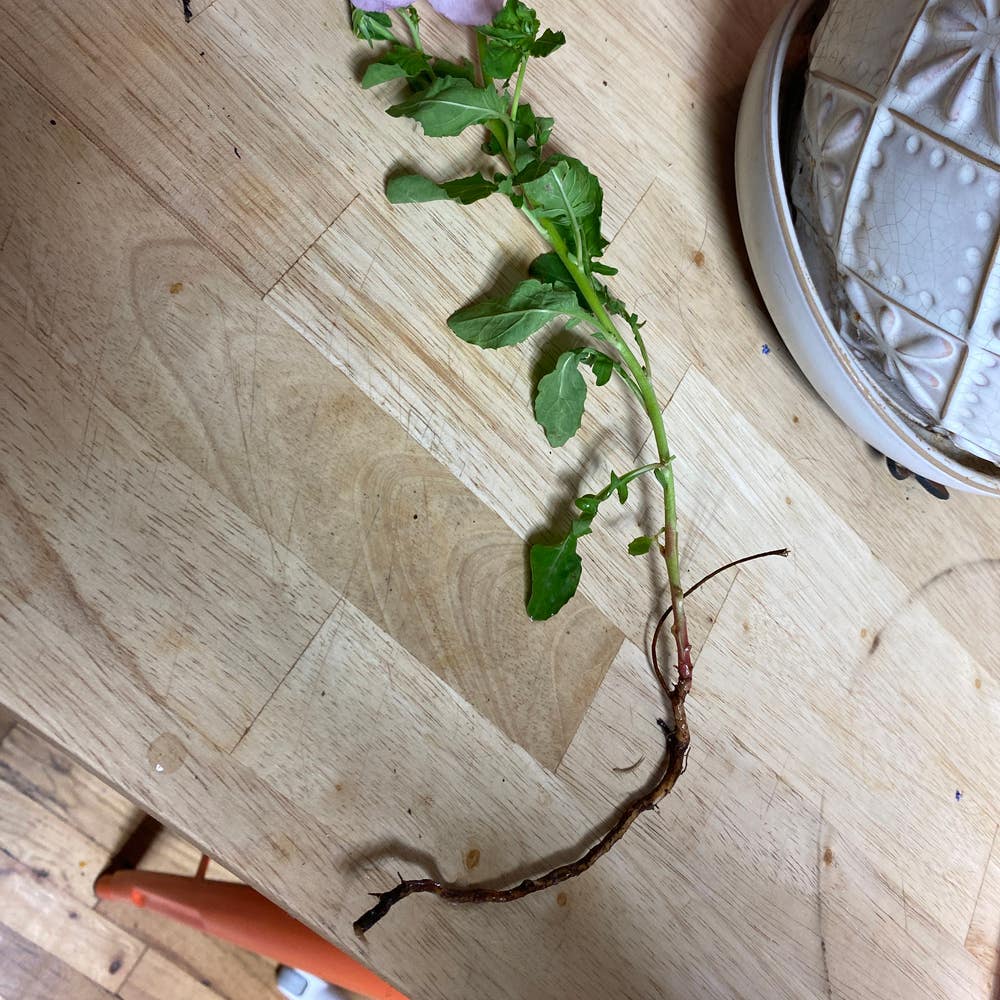
Oenothera sandiana features a deep taproot system. This structure allows the plant to access water and nutrients efficiently.
📏 Depth and Spread of Roots
The roots can reach depths of 2 to 3 feet. This extensive growth supports the plant's stability and resilience.
🌿 Growth Patterns of Roots
The roots grow deep and spread out, optimizing their ability to absorb moisture and nutrients. This pattern is crucial for the plant's overall health and vigor.
⚠️ Common Root-Related Issues
One common issue is root rot, which occurs due to overwatering. Symptoms include mushy roots that can lead to plant decline if not addressed promptly.
👀 Identifying Healthy vs. Unhealthy Roots
Healthy roots are firm, white, and well-distributed throughout the soil. In contrast, unhealthy roots appear dark, mushy, or may emit a foul smell.
🔒 Recognizing Rootbound Plants
If you notice roots growing out of the drainage holes, your plant may be rootbound. To remedy this, consider repotting into larger containers or dividing the plant to promote healthier growth.
Understanding the root system of Oenothera sandiana is essential for ensuring its health and longevity. Proper care and attention to root conditions can lead to a thriving plant that enhances your garden's beauty.
Benefits
Top 5 Benefits 🌼
Oenothera sandiana, commonly known as evening primrose, offers a range of benefits that make it a fantastic addition to any garden.
Attracts Nocturnal Pollinators: This plant is a magnet for nocturnal pollinators like moths, enhancing garden biodiversity and supporting local ecosystems.
Drought-Tolerant: Once established, it requires minimal water, making it an excellent choice for low-maintenance gardening.
Low-Maintenance Plant: Ideal for beginner gardeners, Oenothera sandiana thrives with little intervention, allowing you to enjoy its beauty without the hassle.
Beautiful Evening Blooms: Its stunning blooms open in the evening, adding a unique visual interest to your garden that can be enjoyed at dusk.
Medicinal Properties: The plant is associated with evening primrose oil, known for its potential health benefits, including skin care and hormonal balance.
Symbolism and Cultural Significance 🌙
Beyond its practical benefits, Oenothera sandiana holds cultural significance, particularly in Native American traditions.
It symbolizes resilience and beauty, reflecting the delicate yet robust nature of its evening blooms. This duality resonates with many gardeners, making it not just a plant, but a meaningful addition to their green spaces.
Incorporating Oenothera sandiana into your garden not only enhances its aesthetic appeal but also connects you to a rich tapestry of cultural heritage and ecological importance. As you nurture this plant, you contribute to a vibrant ecosystem while enjoying its many rewards.
Ready to explore how to grow this remarkable plant? Let’s dive into the next section!
Companion Plants
🌱 Concept of Companion Planting
Companion planting is a gardening technique that pairs plants together for mutual benefits. This practice enhances pest management and promotes garden diversity, creating a healthier ecosystem.
🌼 Best Companion Plants
When growing Oenothera sandiana, consider these excellent companions:
- Lavender: Its fragrant blooms attract beneficial insects while repelling pests.
- Salvia: This drought-tolerant plant complements the evening primrose and thrives in similar conditions.
- Other drought-tolerant plants: These can help maintain soil moisture and reduce competition for resources.
🚫 Plants to Avoid
Be cautious with heavy feeders that compete for nutrients. Plants like corn or tomatoes can overshadow Oenothera sandiana, leading to nutrient deficiencies and stunted growth.
Incorporating the right companion plants can elevate your gardening experience. By fostering a balanced environment, you’ll not only support your Oenothera sandiana but also create a vibrant and thriving garden. Next, let’s explore the fascinating benefits of this remarkable plant.
Toxicity to Humans
Oenothera sandiana is generally safe for humans, as it is not listed as toxic by major poison control centers. However, it's wise to be cautious; consuming large quantities may lead to mild skin irritation or digestive discomfort.
If you come into contact with the plant, keep an eye out for any unusual symptoms. Monitoring your body's reactions can help ensure a safe and enjoyable gardening experience.
Toxicity to Dogs
Oenothera sandiana is considered safe for dogs, as it is not toxic according to veterinary organizations. This means you can enjoy this beautiful plant in your garden without worrying about your furry friends getting sick.
However, it's important to note that if consumed in large quantities, there could be potential minor issues, such as mild gastrointestinal upset.
🐶 Tips for Safe Placement
To keep your curious dogs safe, consider placing the plant in areas that are out of their reach.
Always monitor your dog's behavior around new plants, just to be on the safe side.
With a little precaution, you can enjoy the beauty of Oenothera sandiana while ensuring your pets remain healthy and happy.
As we move forward, let’s explore how this plant interacts with our feline friends.
Toxicity to Cats
Oenothera sandiana is considered safe for cats, as it is not listed as toxic by major pet poison control centers. This means you can enjoy its beauty without worrying about your feline friends.
However, if consumed in large quantities, there may be minor issues like mild gastrointestinal upset.
🐱 Tips for Safe Placement
To ensure your cat's safety, consider placing the plant in high or inaccessible areas.
Always keep an eye on your pet's behavior around the plant, especially if they show curiosity.
With these precautions, you can enjoy the vibrant blooms of Oenothera sandiana while keeping your furry companions safe.
As we move forward, let's explore the common problems that may arise when caring for this lovely plant.
Problems
Common Problems 🌱
Growing Oenothera sandiana can be rewarding, but it’s not without its challenges. Here are some common issues you might encounter:
Incorrect Watering
Watering can make or break your plant's health. Overwatering leads to root rot, while underwatering can cause wilting.
Signs of Overwatering:
- Yellowing leaves
- Mushy roots
Signs of Underwatering:
- Wilting leaves
- Dry, brittle stems
Incorrect Light Conditions
Light is crucial for growth. Insufficient light can stunt your plant's development and lead to leggy growth.
Symptoms of Insufficient Light:
- Stretched stems
- Sparse foliage
Diseases
Oenothera sandiana can fall prey to several diseases. Familiarizing yourself with these can help you act quickly.
Common Diseases:
- Powdery Mildew: White, powdery spots on leaves.
- Rust: Orange or brown spots on the undersides of leaves.
- Blight: Dark, water-soaked spots that can spread rapidly.
Identifying Symptoms and Causes 🔍
Recognizing symptoms early is key to effective management.
- Overwatering: Look for yellow leaves and mushy roots.
- Underwatering: Watch for wilting and dry stems.
- Insufficient Light: Notice if your plant is stretching towards the light source.
- Diseases: Check for unusual spots or discoloration on leaves.
Solutions for Common Issues 🛠️
Addressing these problems can be straightforward. Here are some simple steps:
- For Overwatering: Allow the soil to dry out completely before watering again. Ensure proper drainage.
- For Underwatering: Increase your watering frequency, especially during dry spells.
- For Light Issues: Move your plant to a sunnier location or supplement with grow lights.
- For Diseases: Remove affected leaves and apply appropriate fungicides or treatments.
By staying vigilant and proactive, you can keep your Oenothera sandiana thriving. Next, let’s explore how to effectively manage pests that may threaten your plant’s health.
Bugs
🐛 Potential Pest Issues
Oenothera sandiana can face various pest challenges, but understanding its resistance and susceptibility is key. While some pests may be deterred by the plant's natural defenses, others can become a nuisance if not managed properly.
🔍 Identification of Pests
Common pests that may target your evening primrose include:
- Spider Mites: Tiny, spider-like creatures that thrive in dry conditions.
- Aphids: Small, soft-bodied insects that cluster on new growth.
- Whiteflies: Tiny white insects that fly up when the plant is disturbed.
Recognizing these pests early can help you take action before they cause significant damage.
⚠️ Damage Caused by Pests
Each pest leaves its mark on Oenothera sandiana:
- Spider Mites: They cause stippling on leaves, leading to a dusty appearance and potential leaf drop.
- Aphids: These pests suck sap from the plant, resulting in curled leaves and stunted growth.
- Whiteflies: They can cause yellowing leaves and may lead to sooty mold due to their honeydew excretion.
Understanding the specific damage can help you identify the pest responsible.
🛠️ Effective Treatment Options
Managing pests effectively involves a mix of organic and chemical solutions. Here are some recommended treatments:
- Organic Solutions: Introduce beneficial insects like ladybugs or use insecticidal soap to target pests without harming the plant.
- Chemical Solutions: If infestations are severe, consider using a targeted pesticide, ensuring it’s safe for use on flowering plants.
Regular monitoring and prompt action can keep your Oenothera sandiana thriving and pest-free.
What Eats
Common Animals 🦌
Oenothera sandiana can attract a variety of garden visitors, including deer, rabbits, and squirrels. These animals may be drawn to the plant's lush foliage and blooms.
Signs of Animal Presence 🐾
Look for telltale signs of animal activity around your plants. Common indicators include chewed leaves, droppings, and paw prints in the soil.
Types of Damage Caused 🐇
Each animal poses unique threats to your garden. Deer may strip entire plants of leaves, rabbits tend to nibble on stems and flowers, while squirrels might dig around the roots or uproot seedlings.
Deterrent Methods 🚧
To protect your Oenothera sandiana, consider implementing a few effective strategies. Fencing can keep larger animals like deer at bay, while using repellents or planting strong-smelling herbs can deter rabbits and squirrels.
By understanding what eats your plants and taking proactive measures, you can enjoy a thriving garden free from unwanted nibblers. Next, let’s explore how to manage common problems that may arise in your gardening journey.
⚠️ Safety First
This content is for general information and may contain errors, omissions, or outdated details. It is not medical, veterinary advice, or an endorsement of therapeutic claims.
Always consult a qualified healthcare professional before using any plant as food, medicine, or supplement.
Never eat any plant (or feed one to pets) without confirming its identity with at least two trusted sources.
If you suspect poisoning, call Poison Control (800) 222-1222, the Pet Poison Helpline (800) 213-6680, or your local emergency service immediately.
Spotted an error? Please report it here.
Cultivate a thriving garden 🌱 with Oenothera sandiana by using Greg's tailored care reminders and expert tips to ensure your plants get the sunlight, soil, and support they need to flourish!