🌼 Ultimate Guide to Oenothera ravenii subsp. chilensis
Oenothera ravenii subsp. chilensis
By the Greg Editorial Team
Feb 28, 2025•13 min read
This article was created with the help of AI so we can cover more plants for you. May contain errors. See one? Report it here.
- 🌞 Oenothera ravenii needs 6-8 hours of sunlight daily for optimal growth.
- 🌱 Well-drained, slightly acidic soil is essential for thriving plants.
- 🌼 Regular pruning and deadheading boost blooms and maintain plant health.
How to Grow
🌞 Choosing the Right Location
To thrive, Oenothera ravenii subsp. chilensis needs full sun exposure, ideally basking in 6-8 hours of sunlight daily. This plant flourishes in mild climates, particularly in coastal or mountainous regions, so consider these factors when selecting a spot.
Wind protection is crucial for taller plants, as strong gusts can damage their delicate stems. Positioning them near a natural barrier can help shield them from harsh winds.
🏗️ Soil Preparation and Amendments
For optimal growth, aim for well-drained sandy or loamy soil. This type of soil allows for proper drainage, preventing root rot and other issues.
The ideal soil pH is slightly acidic to neutral, ranging from 6.0 to 7.0. Incorporating organic matter can enhance soil fertility and improve drainage, setting your plants up for success.
🌱 Planting Techniques and Spacing
When planting, dig a hole that’s 1-2 inches deep. This depth ensures that the roots are adequately covered while still allowing for healthy growth.
Space your plants 12-18 inches apart to promote air circulation, which helps prevent fungal diseases. The best time to plant is in spring, after the last frost has passed.
💧 Watering Requirements and Schedules
Initially, water your plants regularly until they are established. This helps them develop a strong root system.
Once established, Oenothera ravenii subsp. chilensis is drought-tolerant and requires minimal watering. Watch for signs of overwatering, such as yellowing leaves and wilting, which indicate that you may need to adjust your watering schedule.
🌿 Fertilizing Tips for Optimal Growth
Light feeding in early spring is ideal for fertilization. Use a balanced NPK fertilizer, such as 10-10-10, or consider organic options for a more natural approach.
Be cautious not to over-fertilize, as this can lead to nutrient burn. Signs of this issue include browning leaf tips and stunted growth.
✂️ Pruning and Ongoing Care Strategies
Regular pruning is essential for maintaining the health of your plants. Deadheading spent flowers encourages more blooms and keeps your garden looking tidy.
Monitor your plants for pests and diseases regularly. Seasonal care, such as mulching, helps retain moisture and suppress weeds, ensuring your plants thrive.
🪴 Outdoor vs. Container Growing Considerations
If you choose to grow Oenothera ravenii subsp. chilensis in containers, select pots that are at least 12 inches deep to allow for proper root development.
Ensure that your containers have drainage holes to prevent waterlogging. One of the perks of container gardening is the ability to move your plants around for optimal sun exposure, giving you flexibility in your gardening approach.
With these tips, you’re well on your way to successfully growing Oenothera ravenii subsp. chilensis in your garden or containers. Next, let’s explore the various propagation methods to expand your collection!
Propagation
🌱 Seed Propagation Methods
To propagate Oenothera ravenii subsp. chilensis from seeds, start by collecting seeds from mature pods. Sow them at a depth of 1/4 inch, and under optimal conditions, expect germination within 2 to 4 weeks.
✂️ Vegetative Propagation Techniques
Cuttings
For cuttings, select healthy stems that are 4 to 6 inches long. Use a well-draining soil or perlite as your rooting medium, and allow about 3 to 4 weeks for roots to develop.
🌿 Division
Dividing the plant is best done in early spring or fall. Carefully separate clumps and replant them, ensuring to keep the divided plants moist until they establish themselves.
With these propagation methods, you can easily expand your collection of this beautiful plant. Whether you choose seeds or vegetative techniques, each method offers a rewarding experience in growing Oenothera ravenii subsp. chilensis. Next, let’s explore the lifecycle of this fascinating species.
Lifecycle
🌱 Lifecycle Stages
The lifecycle of Oenothera ravenii subsp. chilensis begins with germination, which takes about 7-14 days under optimal conditions. Following germination, the plant enters the seedling stage, where it develops true leaves.
Next, it progresses into vegetative growth, characterized by the formation of rosette leaves. Flowering typically begins in late spring and continues into early summer, leading to the crucial stage of seed production that occurs after the blooms fade.
⏳ Duration Until Maturity and Growth Rate Specifics
This species takes approximately 2 years to reach full maturity, showcasing a moderate growth rate. Remarkably, it can achieve its full height within just one growing season, making it a rewarding choice for gardeners eager to see results.
As you nurture this plant, you'll witness its transformation through each lifecycle stage, adding a dynamic element to your garden. Understanding these stages will help you provide the best care possible, ensuring a thriving plant that brings beauty and biodiversity to your space.
Next, let's explore the size characteristics of Oenothera ravenii subsp. chilensis and how they can vary based on growing conditions.
Size
🌱 Mature Height and Spread
Oenothera ravenii subsp. chilensis typically reaches an average height of 2 to 4 feet. Its spread usually ranges from 1 to 2 feet, making it a manageable addition to various garden spaces.
⏳ Growth Rate and Time to Reach Full Size
This plant generally achieves its full size within 1 to 2 growing seasons. Several factors influence its growth rate, including soil quality, water availability, and sunlight exposure.
🌍 Size Variability Based on Growing Conditions
The size of Oenothera ravenii can vary significantly based on its growing conditions. For instance, soil type and moisture levels play a crucial role in determining its height and spread.
Sunlight exposure also affects growth; more sunlight typically leads to taller plants with a broader spread. Understanding these variables can help you optimize your gardening strategy for this beautiful species.
With the right care, you can enjoy the full potential of Oenothera ravenii in your garden, enhancing both its beauty and biodiversity.
Roots
Characteristics of the Root System 🌱
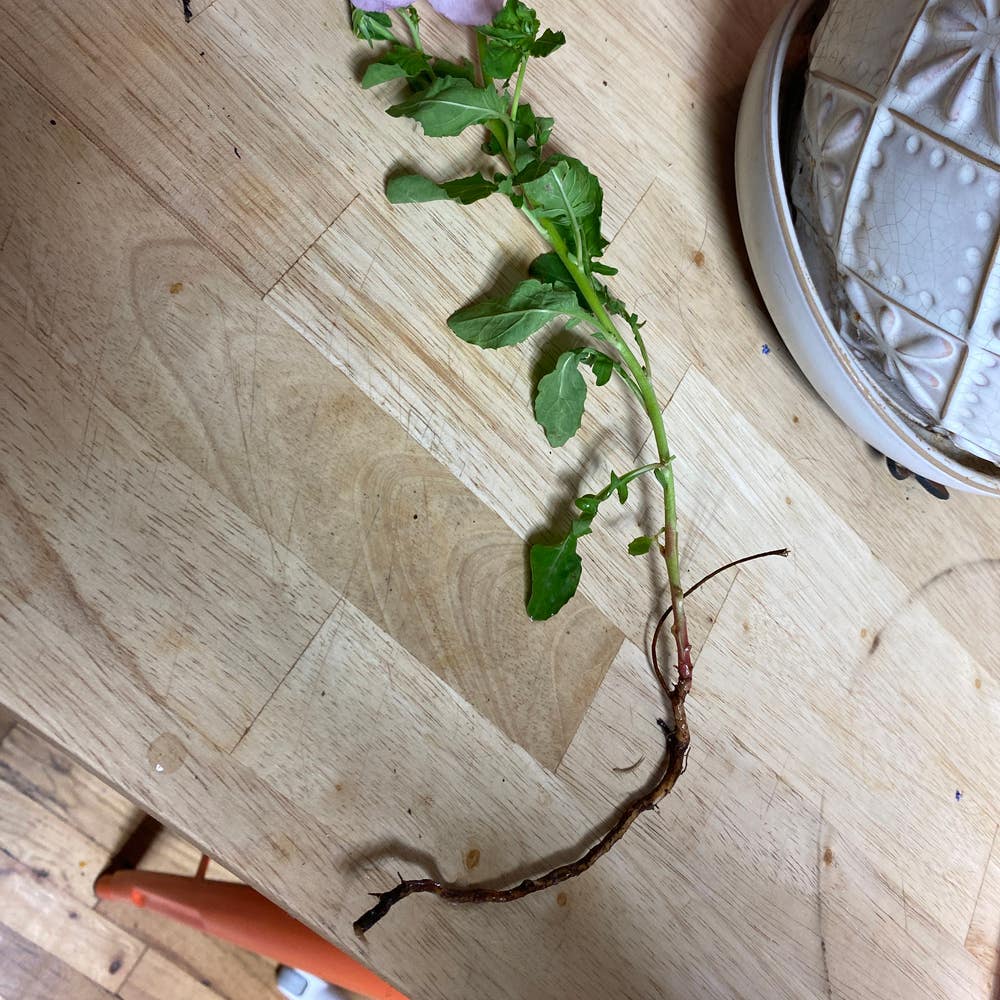
Oenothera ravenii subsp. chilensis features a robust taproot system, providing deep anchorage. In optimal conditions, these roots can reach depths of up to 2 feet.
Root Depth, Spread, and Growth Patterns 📏
The roots not only grow deep but can also extend laterally up to 1 foot. This deep-rooted structure enhances drought resistance, allowing the plant to thrive even in less-than-ideal moisture conditions.
Common Root-Related Issues and Solutions ⚠️
Root rot is a common concern, often indicated by mushy roots and wilting leaves. To prevent this, ensure your soil is well-draining and avoid overwatering.
Identifying Healthy vs. Unhealthy Roots 🧐
Healthy roots are typically firm, white, and spread out evenly. In contrast, unhealthy roots may appear dark, mushy, or emit a foul smell, signaling potential problems.
Recognizing and Addressing Rootbound Conditions 🔄
If you notice roots growing out of the drainage holes, your plant may be rootbound. The solution is simple: repot into a larger container or divide the plant to encourage healthy growth.
Understanding the root system of Oenothera ravenii subsp. chilensis is crucial for its successful cultivation. With proper care, these plants can flourish, leading to a vibrant and resilient garden. Next, let’s explore the benefits of growing this unique species.
Benefits
Top 5 Benefits of Growing Oenothera ravenii subsp. chilensis 🌼
Attracts Nocturnal Pollinators
This plant is a magnet for nocturnal pollinators like moths, enhancing your garden's biodiversity. By planting it, you contribute to a thriving ecosystem.Drought-Tolerant
Once established, Oenothera ravenii subsp. chilensis requires minimal watering. This drought tolerance makes it a smart choice for water-conscious gardeners.Unique Evening Blooms
The plant's stunning evening blooms add a unique visual element to your landscape. Imagine stepping into your garden at dusk and being greeted by these beautiful flowers.Low Maintenance
Ideal for busy gardeners, this plant thrives with little care. Its resilience means you can enjoy a vibrant garden without constant attention.Cultural Significance
Oenothera ravenii subsp. chilensis holds cultural importance in traditional medicine and folklore. Growing it connects you to a rich history and offers potential health benefits.
These benefits make Oenothera ravenii subsp. chilensis a fantastic addition to any garden. Whether you're looking to attract wildlife or simply enjoy its beauty, this plant delivers on all fronts.
Next, let’s explore how to propagate this remarkable species effectively.
Companion Plants
🌱 Explanation of Companion Planting and Its Benefits
Companion planting is a gardening strategy that enhances diversity and pest management. By pairing plants that support each other, you can promote healthier growth and create a more vibrant ecosystem in your garden.
🌼 Best Companion Plants
When growing Oenothera ravenii subsp. chilensis, consider these beneficial companions:
Lavender
Lavender not only attracts pollinators but also repels pests, making it a perfect partner for your evening primrose.
Salvia
With similar care needs, Salvia attracts beneficial insects that can help control pests, ensuring a thriving garden.
Yarrow
Yarrow improves soil health and draws in pollinators, enhancing the overall biodiversity of your garden.
🚫 Plants to Avoid Planting Near
While some plants thrive together, others can hinder growth. Avoid planting near:
- Heavy feeders like tomatoes: They compete for nutrients, which can stunt the growth of your Oenothera.
- Plants prone to root rot: These can increase the risk of disease, jeopardizing the health of your evening primrose.
By carefully selecting companion plants, you can create a flourishing garden that benefits both your Oenothera ravenii subsp. chilensis and the surrounding ecosystem. Next, let’s explore the potential toxicity of this plant to humans and pets.
Toxicity to Humans
When it comes to Oenothera ravenii subsp. chilensis, you can breathe easy. This plant is not listed as toxic by major poison control centers, making it generally safe for handling and even ingestion in small amounts.
However, it's wise to be cautious. Some individuals may experience mild skin irritation from excessive contact or minor digestive discomfort if they consume large quantities. If you notice any unusual symptoms after contact or ingestion, seeking medical advice is always a good idea.
In summary, while this plant is largely safe, a little mindfulness goes a long way in ensuring a positive experience with it. Now, let’s explore how this plant interacts with our furry friends!
Toxicity to Dogs
When it comes to Oenothera ravenii subsp. chilensis, you can breathe easy. This plant is not listed as toxic to dogs by veterinary organizations, making it generally safe to have around your furry friends.
While the risks are minimal, it's worth noting that large quantities might cause mild gastrointestinal upset. So, if your dog decides to munch on a few leaves, keep an eye on them for any unusual behavior.
🐶 Tips for Introducing the Plant
To ensure a smooth introduction of this plant into your garden, consider its placement carefully. Position it in an area where your dog can admire it without getting too close.
Monitoring your dog's behavior around the plant is also a good idea. This way, you can catch any potential issues early on and ensure a harmonious coexistence.
In summary, Oenothera ravenii subsp. chilensis is a dog-friendly choice for your garden, allowing you to enjoy its beauty without worrying about your pet's safety.
Toxicity to Cats
Oenothera ravenii subsp. chilensis is not listed as toxic to cats by major pet poison control centers. This means you can enjoy this beautiful plant without worrying about your feline friends.
Generally, it is safe for cats, presenting minimal risks. However, if consumed in large quantities, it may cause mild gastrointestinal upset.
🏡 Tips for Introducing to Your Home
When introducing this plant into your home, consider its placement carefully. Monitor your cat's behavior around the plant to ensure they don't nibble excessively.
By keeping an eye on your pets, you can enjoy the beauty of Oenothera ravenii subsp. chilensis while ensuring their safety. This plant can be a lovely addition to your garden or home, providing vibrant blooms without the worry of toxicity.
Problems
Common Problems Faced 🌱
Growing Oenothera ravenii subsp. chilensis can come with its share of challenges. The most common issues include incorrect watering, which manifests as wilting or yellowing leaves, and inadequate light conditions that lead to stunted growth.
Temperature extremes can also hinder plant health, causing poor growth in either extreme heat or cold. Recognizing these problems early can help you take action before they escalate.
Identification and Solutions for Top 5 Issues 🔍
Overwatering: If you notice yellowing leaves, it’s a sign you might be overwatering. To remedy this, simply reduce the frequency of your watering sessions.
Underwatering: On the flip side, wilting leaves indicate underwatering. Increase your watering to help your plant bounce back.
Fungal Diseases: Powdery mildew is a common fungal issue. Improve air circulation around your plants to combat this problem effectively.
Root Problems: Mushy roots are a clear sign of trouble. Ensure your soil has proper drainage to prevent this condition.
Leaf Issues: Scorched leaves can occur due to excessive sunlight. Adjusting the light exposure can help your plant thrive again.
By staying vigilant and addressing these issues promptly, you can ensure your Oenothera ravenii subsp. chilensis remains healthy and vibrant. Next, let’s explore potential pest problems that could affect your plant.
Bugs
🐛 Potential Pest Issues
While Oenothera ravenii subsp. chilensis boasts moderate pest resistance, it can still attract a few unwelcome visitors. Keeping an eye out for common pests is essential to maintain the health of your plants.
🔍 Identification and Treatment Options for Relevant Pests
Spider Mites
Look for fine webbing on the leaves, which is a telltale sign of spider mites. Treat these pests with insecticidal soap to eliminate them effectively.
Aphids
If you notice curled leaves, aphids might be the culprit. A simple application of neem oil can help control their population and protect your plants.
Mealybugs
These pests appear as white cottony masses on your plant. Use alcohol wipes to remove them, ensuring your Oenothera remains healthy and vibrant.
By staying vigilant and addressing these pest issues promptly, you can enjoy a flourishing garden filled with beautiful evening blooms. Next, let’s explore the common problems you might face while growing this stunning plant.
What Eats
Common Animals That May Damage 🦌
When growing Oenothera ravenii subsp. chilensis, be aware of potential animal intruders. Deer are notorious for munching on leaves and stems, leaving behind a trail of chewed foliage.
Rabbits can also be a nuisance, often resulting in clipped stems and missing leaves. Squirrels might dig around the base of your plants, causing further disruption to their growth.
Signs of Animal Presence and Damage 🐾
Identifying animal damage early can save your plants. Look for chewed leaves, which indicate a hungry visitor.
Footprints and droppings near your plants are also telltale signs of animal activity. Keeping an eye out for these clues can help you take action before significant damage occurs.
Deterrent Methods for Protecting the Plant 🚫
Protecting your plants from these hungry critters is essential. Consider using chemical repellents, such as commercial deer and rabbit deterrents, to keep them at bay.
For a more organic approach, plant strong-smelling herbs nearby. Additionally, physical barriers like fencing can provide an effective line of defense against these pests.
By implementing these strategies, you can help ensure your Oenothera ravenii subsp. chilensis thrives in your garden.
⚠️ Safety First
This content is for general information and may contain errors, omissions, or outdated details. It is not medical, veterinary advice, or an endorsement of therapeutic claims.
Always consult a qualified healthcare professional before using any plant as food, medicine, or supplement.
Never eat any plant (or feed one to pets) without confirming its identity with at least two trusted sources.
If you suspect poisoning, call Poison Control (800) 222-1222, the Pet Poison Helpline (800) 213-6680, or your local emergency service immediately.
Spotted an error? Please report it here.
Cultivate a thriving garden 🌼 with Oenothera ravenii by using Greg's tailored care reminders to keep your plants flourishing effortlessly!