🌼 Overview of Oenothera psammophila
Oenothera psammophila
By the Greg Editorial Team
Feb 28, 2025•11 min read
This article was created with the help of AI so we can cover more plants for you. May contain errors. See one? Report it here.
Elevate your garden with Oenothera psammophila, a resilient beauty that thrives in tough conditions! 🌼🌱
- 🌞 Oenothera psammophila thrives in full sun, needing 6-8 hours daily for optimal growth.
- 🌱 Well-draining sandy soils are essential; perfect for xeriscaping and drought resistance.
- 🌼 Regular deadheading boosts blooms and keeps the plant healthy throughout the season.
How to Grow
Choosing a Location 🌞
To thrive, Oenothera psammophila needs full sun, soaking up 6 to 8 hours of sunlight daily. It prefers well-draining sandy or rocky soils, making it a perfect fit for xeriscaping.
Soil Preparation 🏜️
Aim for a soil pH between 6.0 and 7.5 for optimal growth. Good drainage is crucial; it helps prevent root rot, ensuring your plants stay healthy.
Planting Techniques 🌱
When planting, space your Oenothera psammophila 12 to 18 inches apart to allow for optimal growth. Seeds or seedlings should be planted about 1/4 inch deep to encourage strong root development.
Watering Requirements 🚰
Water regularly until your plants are established, then you can reduce the frequency. Using drip irrigation or soaker hoses is ideal, as these methods help avoid waterlogging.
Fertilizing 🍽️
Opt for a low-nitrogen, balanced fertilizer to support healthy growth. Fertilize in early spring before growth begins to give your plants a strong start.
Pruning and Ongoing Care ✂️
Regular deadheading is essential; removing spent flowers encourages more blooms throughout the season. Keep an eye out for pests and diseases to maintain the health of your plants.
With these straightforward growing tips, you can cultivate a thriving patch of Oenothera psammophila that brightens your garden and attracts pollinators. Next, let’s explore how to propagate this resilient plant!
Propagation
🌱 Seed Propagation
To propagate Oenothera psammophila from seeds, sow them in spring after the last frost. Keeping the soil moist is crucial during the germination period, which typically lasts between 7 to 14 days.
✂️ Division of Established Plants
For those with established plants, division is best done in early spring or fall. Carefully dig up the plant and separate the roots into sections to encourage new growth and maintain plant health.
This method not only helps in expanding your garden but also rejuvenates older plants, ensuring they continue to thrive. Now that you know how to propagate this resilient beauty, let’s explore its lifecycle next.
Lifecycle
Lifecycle Stages 🌱
Oenothera psammophila undergoes several distinct stages throughout its lifecycle. These include seed, germination, seedling, vegetative growth, flowering, and seed production.
Lifespan ⏳
In optimal conditions, this plant typically lives for about 3 to 5 years. Its longevity allows gardeners to enjoy its beauty and benefits over multiple seasons.
Growth Rate 📈
The growth rate of Oenothera psammophila is moderate, with full size usually reached within 2 to 3 years. This steady growth makes it a reliable choice for gardeners looking to enhance their landscapes gradually.
Understanding the lifecycle of Oenothera psammophila can help you provide the best care and conditions for this resilient plant. Next, let’s explore its size and how it can fit into your garden design.
Size
🌱 Mature Height and Spread
Oenothera psammophila typically reaches a mature height of 1 to 3 feet, making it a versatile addition to various garden settings. Its spread ranges from 1 to 2 feet wide, allowing for ample space to showcase its vibrant blooms.
⏳ Growth Rate and Size Variability
This plant exhibits a moderate growth rate, which can vary based on environmental factors. Soil quality and water availability play significant roles in determining how quickly it reaches its full size.
⚖️ Factors Affecting Size
Several factors can influence the overall size of Oenothera psammophila. Key elements include soil quality, which affects nutrient availability, water conditions that impact growth, and light exposure that ensures healthy development.
Understanding these aspects can help you create the ideal environment for your plants. By optimizing these conditions, you can enjoy a thriving display of Oenothera psammophila in your garden.
As we explore further, let’s delve into the fascinating root system of this resilient plant.
Roots
Characteristics of the Root System 🌱
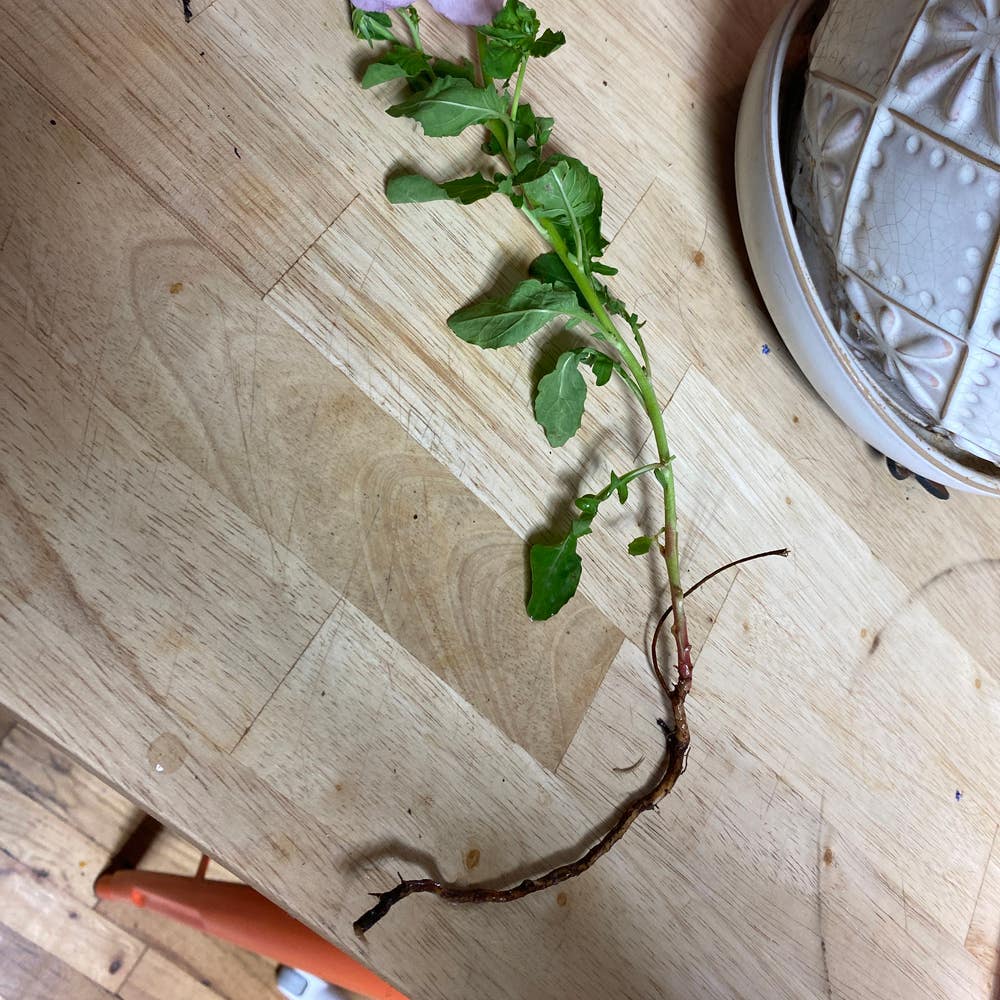
Oenothera psammophila features a robust taproot system. This design allows the plant to access deep water sources, making it resilient in arid conditions.
Root Depth and Spread 📏
The roots can reach depths of up to 2 feet. Additionally, they can extend laterally up to 1 foot, providing stability and access to nutrients.
Common Root-Related Issues ⚠️
One common issue is root rot, often caused by overwatering. To prevent this, ensure your plant has good drainage.
Another concern is being rootbound, which can be identified by stunted growth and circling roots. If this occurs, remedy it by repotting the plant into a larger container.
Visual Cues for Healthy vs. Unhealthy Roots 👀
Healthy roots are firm, white, and spread out, indicating a thriving plant. In contrast, unhealthy roots may appear dark, mushy, or emit a foul smell, signaling potential problems.
Understanding these root characteristics and issues is crucial for maintaining the health of your Oenothera psammophila. With proper care, you can enjoy its beauty and resilience in your garden.
Next, we will explore the benefits of this remarkable plant, highlighting its ecological and aesthetic contributions.
Benefits
🌍 Ecological Benefits
Oenothera psammophila plays a vital role in attracting nocturnal pollinators, such as moths and bats. These pollinators are essential for maintaining biodiversity and supporting the ecosystem.
🌼 Aesthetic Appeal in Gardens
With its bright yellow flowers, this plant adds a splash of color and visual interest to any garden. Its cheerful blooms can brighten up even the dullest landscapes.
💧 Drought Resistance and Low Maintenance
This species is perfect for xeriscaping and low-water gardens. Its drought resistance means less frequent watering, making it an excellent choice for busy gardeners or those in arid regions.
🌱 Cultural Significance and Symbolism
Oenothera psammophila symbolizes resilience and adaptability, thriving in harsh environments. This quality resonates with many gardeners who appreciate plants that can withstand tough conditions.
🏺 Medicinal Uses or Historical Uses
Historically, this plant has been used for various herbal remedies. Its traditional uses highlight the connection between nature and health, showcasing the plant's potential benefits beyond aesthetics.
Incorporating Oenothera psammophila into your garden not only enhances its beauty but also supports ecological health and offers a touch of history. Next, let's explore how to propagate this resilient plant effectively.
Companion Plants
🌱 Explanation of Companion Planting Benefits
Companion planting is a fantastic way to enhance garden diversity and improve pest management. By strategically placing plants together, you can create a more resilient ecosystem that supports healthy growth.
🌼 Best Companion Plants
When growing Oenothera psammophila, consider pairing it with drought-tolerant companions like lavender and sage. These plants not only thrive in similar conditions but also complement the visual appeal of your garden.
🚫 Plants to Avoid
It's best to steer clear of heavy feeders that require more water and nutrients. These plants can compete with Oenothera psammophila, leading to stress and reduced growth.
🤝 Discussion of Symbiotic Relationships
Companion plants can deter pests and improve overall plant health. By fostering these beneficial relationships, you create a thriving garden environment that supports all its inhabitants.
Incorporating companion plants is a simple yet effective strategy for maximizing the health and beauty of your Oenothera psammophila. As you plan your garden, think about how these relationships can work together to create a vibrant and sustainable space.
Toxicity to Humans
Oenothera psammophila is generally safe and is not listed as toxic by major poison control centers. However, it's wise to be cautious, as consuming large quantities may lead to mild skin irritation or digestive discomfort.
If you experience any unusual symptoms after contact or ingestion, seek medical advice promptly. It's always better to be safe than sorry when it comes to plant interactions!
Toxicity to Dogs
Oenothera psammophila is generally safe for dogs, as it is not listed as toxic by major pet poison control centers. This means you can enjoy this beautiful plant in your garden without worrying too much about your furry friends.
However, it's important to be aware that excessive consumption may lead to mild gastrointestinal upset. Keeping an eye on your dog's behavior around the plant can help prevent any potential issues.
🐶 Tips for Introducing the Plant
To ensure a smooth introduction of Oenothera psammophila into your garden, consider these tips:
- Proper Placement: Position the plant in an area that is less accessible to your dog. This can help minimize any temptation to nibble.
- Monitoring Behavior: Observe how your dog interacts with the plant. If they show excessive interest, you may need to reconsider its location.
By following these simple guidelines, you can enjoy the beauty of Oenothera psammophila while keeping your canine companions safe.
As we move forward, let's explore how this plant interacts with other pets, particularly cats.
Toxicity to Cats
Oenothera psammophila is considered safe for cats, as it is not listed as toxic by major pet poison control centers. This means you can enjoy the beauty of this plant without worrying about harming your feline friends.
However, it's important to note that excessive consumption may lead to mild gastrointestinal upset. Keep an eye on your cat's behavior, especially if they show interest in nibbling on the leaves or flowers.
🌱 Tips for Introducing the Plant
When introducing Oenothera psammophila to your garden, consider proper placement to minimize your cat's access. Position the plant in areas that are less frequented by your pets.
Monitoring your cat's behavior around new plants is essential. If you notice any unusual reactions, consult your veterinarian for advice. This proactive approach ensures a harmonious coexistence between your plants and pets.
In summary, Oenothera psammophila poses minimal risk to cats, making it a great addition to your garden. With a little care and observation, you can enjoy its vibrant blooms while keeping your furry companions safe.
Problems
🌱 Common Problems with Oenothera psammophila
Growing Oenothera psammophila can be rewarding, but it's essential to be aware of potential problems that may arise.
💧 Overwatering
Overwatering is a common issue that can lead to yellowing leaves and root rot. Ensure your plant has well-draining soil to prevent excess moisture accumulation.
☀️ Incorrect Light Conditions
Insufficient light can cause leggy growth, where the plant stretches towards the light source. Aim for full sun exposure to keep your Oenothera thriving.
🦠 Diseases
Watch out for diseases like powdery mildew and rust, which can affect the foliage. These issues often arise in humid conditions, so good air circulation is vital.
🌿 Root Problems
Squishy roots are a clear sign of root rot, often caused by overwatering. Regularly check the root system to ensure it's healthy and well-aerated.
🍃 Leaf Issues
Environmental stress can manifest as scorching or yellowing leaves. Monitor your plant's conditions, including temperature and humidity, to keep it healthy.
By staying vigilant and addressing these common problems, you can enjoy a flourishing Oenothera psammophila in your garden. Next, let's explore the potential pests that might threaten your plant's health.
Bugs
🐜 Potential Pest Issues
Oenothera psammophila is relatively resilient against pests, but it can still attract a few unwelcome visitors. Keeping an eye out for these pests is essential to maintain the health of your plants.
🔍 Identification and Damage Caused by Pests
- Spider Mites: Look for fine webbing on the leaves and stippled discoloration. These tiny pests can quickly multiply and cause significant damage.
- Aphids: These small insects leave behind a sticky residue and can cause leaves to curl. Their presence often indicates a larger issue in your garden.
🧴 Treatment Options for Pest Control
To combat these pests effectively, consider using neem oil or insecticidal soap. Both options are gentle on your plants while being tough on unwanted critters.
By staying vigilant and addressing pest issues promptly, you can ensure your Oenothera psammophila thrives. Next, let’s explore what animals might be interested in snacking on your beautiful plants.
What Eats Oenothera psammophila
🦌 Common Animals That May Damage the Plant
Oenothera psammophila, while resilient, can attract a few hungry visitors. Deer, rabbits, and squirrels are known to munch on its leaves and flowers, potentially causing significant damage.
👀 Signs of Animal Presence and Damage
Keep an eye out for signs of these critters. Browsing on the plant's foliage and flowers, along with droppings nearby, can indicate that your garden is hosting some unwelcome guests.
🚫 Deterrent Methods
To protect your precious plants, consider implementing a few deterrent strategies. Fencing can create a physical barrier, while repellents can mask the plant's appeal. Additionally, companion planting with less palatable species can help keep herbivores at bay.
By being proactive, you can enjoy the beauty of Oenothera psammophila without the worry of animal intruders. Now, let’s explore how to effectively manage common problems that may arise in your garden.
⚠️ Safety First
This content is for general information and may contain errors, omissions, or outdated details. It is not medical, veterinary advice, or an endorsement of therapeutic claims.
Always consult a qualified healthcare professional before using any plant as food, medicine, or supplement.
Never eat any plant (or feed one to pets) without confirming its identity with at least two trusted sources.
If you suspect poisoning, call Poison Control (800) 222-1222, the Pet Poison Helpline (800) 213-6680, or your local emergency service immediately.
Spotted an error? Please report it here.
Unlock the secret to a thriving garden 🌼 with Oenothera psammophila by using Greg's tailored care reminders and expert tips to keep your plants blooming and healthy!