🌼 What is a Oenothera primiveris var. bufonis? Complete Guide
Oenothera primiveris var. bufonis
By the Greg Editorial Team
Feb 28, 2025•12 min read
This article was created with the help of AI so we can cover more plants for you. May contain errors. See one? Report it here.
- 🌞 Oenothera primiveris var. bufonis thrives in full sun, needing 6-8 hours daily.
- 🌱 Plant in well-draining soil with pH 6.0-7.0 for optimal growth.
- 💧 Regular watering and mulching are essential for health and moisture retention.
How to Grow
🌞 Choosing a Location
To thrive, Oenothera primiveris var. bufonis needs full sun, soaking up 6-8 hours of sunlight daily. It flourishes best in warm, dry environments, making it a perfect fit for sunny gardens.
🌱 Soil Preparation
This plant prefers well-draining sandy or loamy soil, which allows for healthy root development. Aim for a soil pH between 6.0 and 7.0, slightly acidic to neutral, to create an optimal growing environment.
🌼 Planting Techniques
Spring is the ideal time to plant, specifically after the last frost has passed. When sowing seeds, plant them at a depth of 1/4 inch, and if you're transplanting seedlings, keep them at the same depth as they were in their containers.
💧 Watering Requirements
Regular watering is crucial until the plant is established; after that, you can reduce the frequency. Be mindful of signs indicating overwatering, such as wilting or yellowing leaves, versus underwatering, which may show as drooping foliage.
🌿 Fertilizing Tips
During the growing season, provide light feeding with a balanced fertilizer to support healthy growth. Organic options like compost or slow-release granules work wonders for nourishing your Oenothera.
✂️ Pruning Methods
Prune your plant after flowering to encourage bushier growth and maintain its shape. Techniques include deadheading spent flowers and cutting back any leggy growth to promote a fuller appearance.
🌍 Ongoing Care for Outdoor and Container Growing
For container care, ensure adequate drainage and keep an eye on moisture levels to prevent root issues. In outdoor settings, mulching helps retain soil moisture and suppress weeds, creating a healthier environment for your plant.
With these growing tips, your Oenothera primiveris var. bufonis will flourish beautifully, setting the stage for a vibrant garden. Next, let’s explore how to propagate this stunning plant effectively.
Propagation
🌱 Seed Propagation
To propagate Oenothera primiveris var. bufonis from seeds, sow them at a depth of 1/4 inch. Under optimal conditions, you can expect germination in about 2-3 weeks, making this an easy and rewarding method.
✂️ Cutting Propagation
For cutting propagation, select healthy stems that are 4-6 inches long. Use a rooting medium of peat and perlite to encourage strong root development, which can be a moderately challenging yet fulfilling process.
🌿 Division Propagation
The best time to divide your plants is in early spring or fall. Carefully separate the clumps and replant them immediately to ensure they thrive in their new locations, making division a practical option for expanding your garden.
This propagation section sets the stage for understanding how to cultivate and expand your Oenothera collection. Next, we'll explore the lifecycle of this fascinating plant, detailing its growth stages and what to expect as it matures.
Lifecycle
Lifecycle Stages 🌱
Oenothera primiveris var. bufonis is a perennial plant, meaning it lives for multiple years and goes through various growth stages. Understanding these stages helps gardeners anticipate care needs and growth patterns.
Germination Process 🌡️
For optimal germination, maintain a temperature of around 70°F (21°C). This warm environment encourages seeds to sprout efficiently.
Seedling Stage 🌿
Once germinated, the seedling stage lasts approximately 4-6 weeks. During this time, the plant develops its true leaves, marking its transition to a more robust growth phase.
Vegetative Growth 🌳
Following the seedling stage, Oenothera enters vegetative growth, which lasts about 2-3 months. This phase is crucial for establishing a strong foundation before the plant begins to flower.
Flowering and Seed Production 🌼
The blooming period occurs in late spring to early summer, showcasing vibrant flowers. After flowering, the plant produces seeds that mature in pods, ensuring the continuation of its lifecycle.
Lifespan and Growth Rate ⏳
Oenothera typically has a lifespan of 3-5 years, with a moderate growth rate. It reaches maturity within 1-2 years, allowing for a rewarding gardening experience.
This lifecycle overview provides insight into the growth and care of Oenothera, setting the stage for understanding its propagation methods.
Size
Mature Height and Spread 🌱
Oenothera primiveris var. bufonis typically reaches a mature height of 1 to 3 feet. Its spread can extend up to 2 feet, making it a lovely addition to any garden.
Growth Rate and Size Variability 📏
Several factors influence the size of this plant. Soil quality, water availability, and sunlight exposure all play crucial roles in determining how tall and wide your Oenothera will grow.
Understanding these variables can help you create the ideal conditions for your plant to thrive. By optimizing these elements, you can enjoy a robust and vibrant display in your garden.
As you consider planting Oenothera, remember that its size can vary based on your specific growing conditions. This adaptability makes it a versatile choice for various landscapes.
With the right care, you can expect a flourishing plant that enhances your garden's beauty. Now that you know about its size, let’s explore how to propagate this stunning species effectively.
Roots
🌱 Root System Characteristics
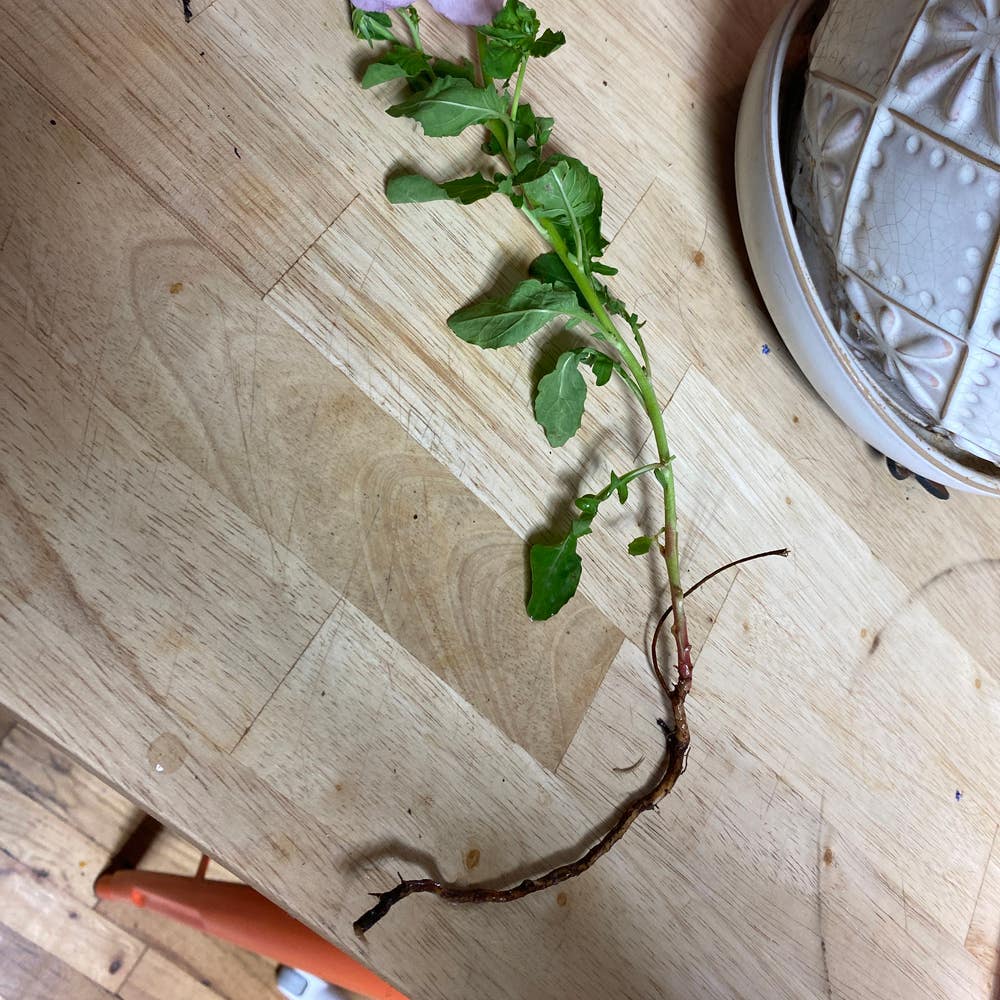
Oenothera primiveris var. bufonis features a robust taproot system. This deep root can extend 2-3 feet into the soil, allowing the plant to access moisture and nutrients efficiently.
🚫 Common Root-Related Issues
One of the most common problems is root rot, often caused by overwatering. Signs include wilting and yellowing leaves, indicating that the roots are struggling.
Identifying healthy roots is crucial for plant health. Healthy roots are firm and white, while unhealthy roots appear brown and mushy.
🔄 Recognizing Rootbound Plants
Rootbound plants exhibit specific signs that indicate they need attention. Look for roots growing out of drainage holes or circling the pot, which suggests they have outgrown their container.
To remedy this, consider repotting into a larger container or dividing the plant. This will give the roots more space to grow and thrive, ensuring your Oenothera remains healthy and vibrant.
With proper root care, your Oenothera primiveris var. bufonis will flourish, setting the stage for the next steps in its growth journey.
Benefits
Top 5 Benefits 🌟
Oenothera primiveris var. bufonis offers a range of benefits that make it a fantastic addition to any garden. Here are the top five reasons to consider this plant:
Attracts Pollinators: This plant is a magnet for bees and butterflies, enhancing the biodiversity of your garden. Their presence not only beautifies your space but also supports local ecosystems.
Drought-Tolerant: With its ability to thrive in dry conditions, Oenothera is perfect for low-maintenance gardens. This resilience means less worry about watering, making it ideal for busy gardeners.
Traditional Medicinal Uses: Historically, this plant has been used for various ailments, showcasing its value beyond aesthetics. Its medicinal properties add an interesting layer to its cultivation.
Evening Blooms: The beautiful flowers that open in the evening add a unique charm to your garden. They create a stunning visual display, especially during warm summer nights.
Ecosystem Contribution: By planting Oenothera, you contribute to garden diversity and overall ecosystem health. This plant supports various wildlife and helps maintain a balanced environment.
Incorporating Oenothera primiveris var. bufonis into your garden not only enhances its beauty but also promotes ecological well-being. As we explore more about this plant, you'll discover how to care for it effectively and enjoy its many advantages.
Companion Plants
🌱 Concept of Companion Planting
Companion planting is a gardening strategy that pairs plants together for mutual benefits. This approach can enhance pest management, promote improved growth, and create a visually appealing garden.
🌼 Best Companion Plants
When growing Oenothera primiveris var. bufonis, consider these excellent companions:
- Lavender: Attracts pollinators and repels pests.
- Salvia: Offers vibrant blooms and supports beneficial insects.
- Other drought-tolerant plants: These can thrive alongside Oenothera, sharing similar water needs.
🚫 Plants to Avoid
While companion planting can be beneficial, some plants may compete for nutrients. Avoid heavy feeders that could overshadow Oenothera, such as:
- Corn: Requires significant nutrients and water.
- Tomatoes: Can deplete soil resources and attract pests.
By choosing the right companions, you can create a thriving garden ecosystem that supports the growth of Oenothera primiveris var. bufonis while minimizing potential issues. This thoughtful approach not only enhances your garden's health but also its beauty.
Next, let's explore the fascinating topic of toxicity to humans, dogs, and cats.
Toxicity to Humans
Safety for Humans 🛡️
Oenothera primiveris var. bufonis is not classified as toxic by major poison control centers. However, if consumed in large quantities, it may cause mild skin irritation or digestive discomfort.
Always exercise caution when handling or consuming any plant. If you experience unusual symptoms, it's wise to seek medical advice promptly.
This plant can be a beautiful addition to your garden, but it's essential to be informed about its safety. Understanding the potential effects helps you enjoy your gardening experience without worry.
As you explore the world of Oenothera, remember that knowledge is your best tool for a safe and thriving garden.
Toxicity to Dogs
Safety for Dogs 🐶
When it comes to Oenothera primiveris var. bufonis, you can breathe easy. This plant is not listed as toxic to dogs by major pet poison control centers.
However, keep in mind that excessive consumption might lead to mild gastrointestinal upset. It's always a good idea to monitor your dog's behavior around the plant to ensure they don't overindulge.
Tips for Dog Owners 🐾
To keep your furry friend safe, consider these simple tips:
- Proper Placement: Position the plant in an area that's less accessible to your dog.
- Monitoring: Regularly check your dog's interactions with the plant to prevent any potential issues.
By taking these precautions, you can enjoy the beauty of Oenothera primiveris var. bufonis without worrying about your dog's health.
Next, let's explore how this plant interacts with our feline friends.
Toxicity to Cats
🐱 Safety for Cats
Oenothera primiveris var. bufonis is not considered toxic to cats by major pet poison control centers. This means you can enjoy this beautiful plant without worrying about your feline friends getting harmed.
⚠️ Potential Minor Issues
While it's generally safe, excessive consumption of the plant may lead to mild gastrointestinal upset in cats. It's always a good idea to monitor your pets and ensure they don't munch on too much greenery.
🌿 Tips for Care
To keep your cat safe, consider placing the plant in an area that's less accessible to them. Regularly observe your cat's behavior around the plant to ensure they aren't showing any signs of distress or discomfort.
With a little attention, you can enjoy the beauty of Oenothera while keeping your furry companions safe and sound.
Problems
Common Problems 🌱
Growing Oenothera primiveris var. bufonis can be rewarding, but it’s essential to be aware of common issues that may arise.
Incorrect Watering
Watering is crucial for plant health. Overwatering can lead to wilting and yellowing leaves, while underwatering may cause the plant to droop and dry out.
Incorrect Light Conditions
Light conditions play a significant role in growth. Too much sunlight can scorch leaves, while insufficient light may result in leggy growth and fewer blooms.
Incorrect Temperature
Temperature extremes can stress your plant. High heat can cause wilting, while cold snaps may stunt growth or damage delicate foliage.
Diseases
Fungal diseases, like powdery mildew, can affect Oenothera. Regularly inspect your plants for signs of white, powdery spots and treat them promptly to prevent spread.
Leaf Issues
Leaf problems can manifest in various ways. Scorching, yellowing, or fuzzy growth often indicates environmental stress or pest issues that need addressing.
By staying vigilant and addressing these common problems, you can ensure your Oenothera thrives in your garden. Next, let’s explore potential pest issues that could affect your plant's health.
Bugs
Potential Pest Issues 🐛
Oenothera primiveris var. bufonis can face various pest challenges. While it's relatively resilient, certain pests can still pose a threat to its health.
Identification of Pests 🔍
Common culprits include spider mites, aphids, and whiteflies. Each of these pests can significantly affect the plant's vitality if not addressed promptly.
Damage Caused by Pests ⚠️
Spider mites often leave fine webbing on leaves, indicating their presence. Aphids can cause curling leaves and stunted growth, while whiteflies may lead to yellowing foliage and a sticky residue on the plant.
Treatment Options 💊
For effective pest management, consider both organic and chemical control methods. Neem oil and insecticidal soap are excellent organic options, while chemical pesticides can be used for severe infestations.
By staying vigilant and addressing pest issues early, you can ensure your Oenothera thrives beautifully in your garden.
What Eats Oenothera
🦌 Common Animals
Oenothera, or evening primrose, can attract a variety of wildlife. Common culprits include deer, rabbits, and squirrels, all of which may find the plant's tender leaves and blooms irresistible.
👣 Signs of Animal Presence
To determine if animals are feasting on your Oenothera, look for specific signs. Tracks, droppings, and distinctive damage patterns on the leaves can indicate which animals are visiting your garden.
🐾 Damage Caused by Animals
Each animal leaves its mark in different ways. Deer often strip entire branches, while rabbits nibble leaves down to the stem. Squirrels may dig around the base, disrupting the roots and causing stress to the plant.
🚫 Deterrent Methods
Protecting your Oenothera from these hungry visitors can be achieved through various methods. Consider using chemical repellents or organic options like garlic spray to deter animals without harming them.
For a more hands-on approach, physical barriers such as fencing or netting can also be effective. By implementing these strategies, you can enjoy the beauty of Oenothera without the worry of it becoming a snack for local wildlife.
As we explore the next section, let’s dive into the common problems that can affect Oenothera and how to address them effectively.
⚠️ Safety First
This content is for general information and may contain errors, omissions, or outdated details. It is not medical, veterinary advice, or an endorsement of therapeutic claims.
Always consult a qualified healthcare professional before using any plant as food, medicine, or supplement.
Never eat any plant (or feed one to pets) without confirming its identity with at least two trusted sources.
If you suspect poisoning, call Poison Control (800) 222-1222, the Pet Poison Helpline (800) 213-6680, or your local emergency service immediately.
Spotted an error? Please report it here.
Grow your Oenothera primiveris var. bufonis flourishing 🌼 with Greg's custom watering alerts and expert care tips that ensure your garden thrives all season long!