What You Should Know About Oenothera peruana
Oenothera peruana
By the Greg Editorial Team
Feb 28, 2025•12 min read
This article was created with the help of AI so we can cover more plants for you. May contain errors. See one? Report it here.
Discover the beauty and resilience of Oenothera peruana, a garden gem that thrives with minimal care! 🌱
- 🌞 Oenothera peruana needs 6-8 hours of sunlight daily for optimal growth.
- 🌱 Proper soil pH (6.0-7.5) and organic matter enhance drainage and fertility.
- 🌼 This plant attracts nocturnal pollinators, boosting garden biodiversity and health.
How to Grow
🌞 Choosing a Location
To thrive, Oenothera peruana needs full sun exposure, ideally basking in 6 to 8 hours of sunlight daily. The soil should be well-drained, favoring sandy or loamy textures, whether you’re planting outdoors or in containers.
🏗️ Soil Preparation
Aim for a soil pH between 6.0 and 7.5 for optimal growth. Enhance your soil by adding organic matter, which improves drainage and boosts fertility.
🌱 Planting Techniques
The best time to plant is in spring, after the last frost has passed. When sowing seeds, plant them at a depth of 1/4 inch, and if you’re transplanting seedlings, keep them at the same depth as they were in their pots.
💧 Watering Requirements
Initially, water regularly until the plants are established; afterward, they become drought-tolerant. Be mindful of overwatering and underwatering—look for signs like yellowing leaves or wilting.
🌿 Fertilizing Tips
During the growing season, provide light feeding with a balanced fertilizer. You can choose between organic options or synthetic fertilizers, depending on your gardening philosophy.
✂️ Pruning Methods
Prune Oenothera peruana after flowering to encourage bushier growth. Techniques include deadheading spent flowers and trimming back any leggy growth to maintain a tidy appearance.
🔍 Ongoing Care
Keep an eye out for pests and diseases that could affect your plants. If you’re growing in containers, adjust your care seasonally to meet their specific needs.
With these tips, you’re well on your way to cultivating a healthy and vibrant Oenothera peruana! Next, let’s explore how to propagate this lovely plant.
Propagation
🌱 Seed Propagation
To propagate Oenothera peruana from seeds, sow them at a depth of 1/4 inch. Under optimal conditions, expect germination within 10-14 days.
✂️ Cutting Propagation
For cutting propagation, select healthy stems that are 4-6 inches long. Use a well-draining mix, such as perlite and peat, to encourage root development.
🌿 Division Propagation
The best time for division propagation is early spring or fall. Carefully separate root clumps and replant them to ensure healthy growth.
This propagation knowledge will help you expand your Oenothera peruana collection and enjoy its beauty in various locations. Next, let’s explore the lifecycle of this fascinating plant.
Lifecycle
Lifecycle Stages 🌱
Oenothera peruana is a perennial plant, meaning it lives for multiple years. This characteristic allows it to thrive in gardens, providing beauty and benefits season after season.
Germination Process 🌡️
For optimal germination, maintain a temperature of around 70°F (21°C). This warmth encourages seeds to sprout, setting the stage for healthy growth.
Seedling Stage 🌿
Once germinated, the seedling stage lasts about 4-6 weeks. During this time, the plant develops its first true leaves, marking a significant growth milestone.
Vegetative Growth 🌳
The vegetative growth phase occurs from late spring to early summer. This is when the plant focuses on growing foliage and establishing a strong foundation.
Flowering and Seed Production 🌼
Expect flowering to occur from late spring to summer. After the blooms fade, seeds mature in pods, ready for the next generation of plants.
Lifespan and Growth Rate ⏳
Under optimal conditions, Oenothera peruana can live for several years. It has a moderate growth rate, typically reaching maturity in 2-3 years, making it a reliable addition to any garden.
This lifecycle knowledge not only helps you appreciate the plant's journey but also prepares you for the care it needs at each stage. Next, let’s explore how to propagate this resilient beauty for even more blooms in your garden!
Size
Mature Height and Spread 🌱
Oenothera peruana typically reaches an average height of 2 to 3 feet. Its spread usually ranges from 1 to 2 feet, making it a manageable addition to any garden.
Growth Rate and Size Variability 📈
Several factors can influence the size of your Oenothera peruana. Soil quality, sunlight exposure, and water availability all play crucial roles in determining how robust your plant will grow.
Factors Affecting Size 🌍
The growth environment significantly impacts size, especially when comparing container plants to those grown in the ground. Container plants may be smaller due to limited space and soil conditions, while those planted directly in the ground often thrive and reach their full potential.
Understanding these aspects can help you create the ideal conditions for your Oenothera peruana, ensuring it flourishes beautifully in your garden.
Roots
🌱 Root System Characteristics
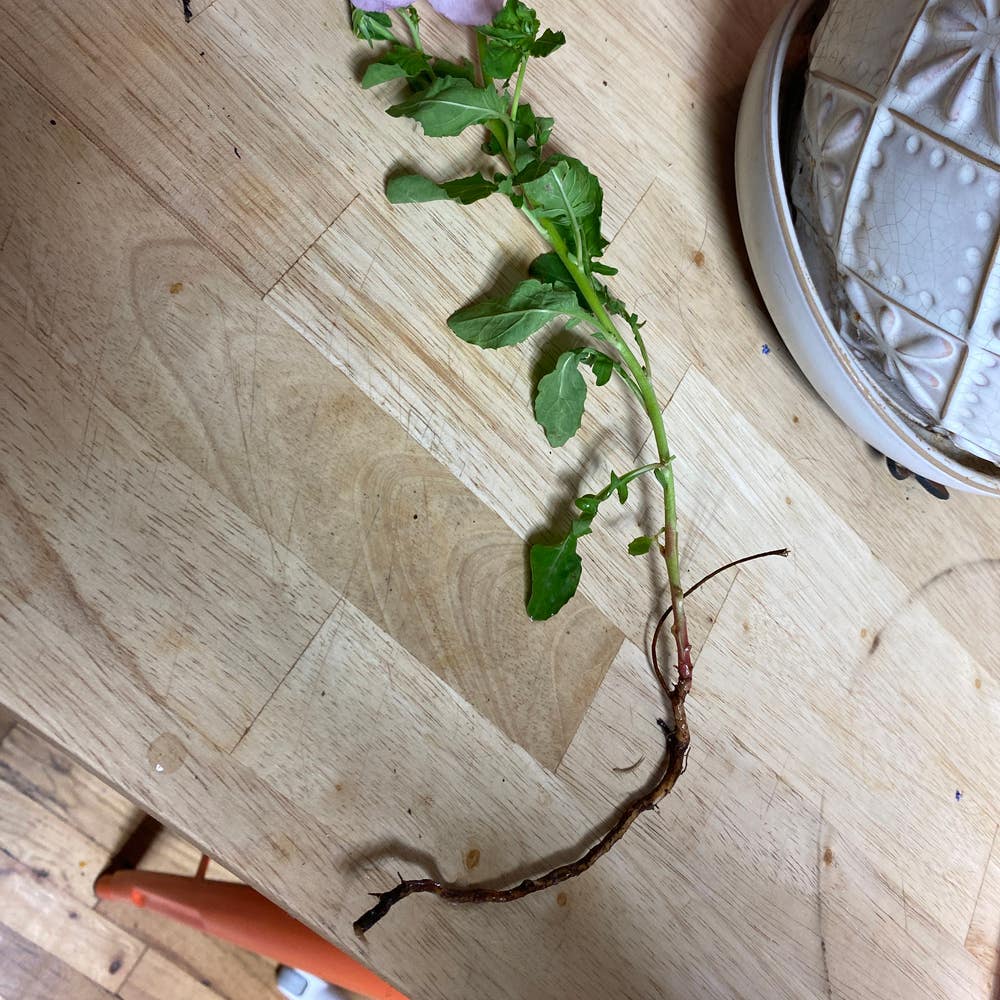
Oenothera peruana features a deep taproot system that anchors the plant securely in the soil. This robust root structure allows it to access moisture and nutrients from deeper layers, making it resilient in various conditions.
📏 Root Depth and Spread
Typically, the roots can reach depths of up to 2 feet. They also extend laterally, providing stability and support to the plant as it grows.
⚠️ Common Root-Related Issues
One of the most common problems gardeners face is root rot, which occurs due to overwatering and poor drainage. This issue can severely impact the health of your Oenothera peruana, leading to stunted growth or even plant death.
👀 Identifying Healthy vs. Unhealthy Roots
Healthy roots are characterized by their firmness, white color, and well-structured appearance. In contrast, unhealthy roots may appear dark, mushy, or emit a foul smell, indicating a serious problem.
🌿 Recognizing Rootbound Plants
If you notice roots growing out of the drainage holes of your pot, your plant may be rootbound. To remedy this, consider repotting into a larger container or dividing the plant to promote healthier growth.
Understanding the root system of Oenothera peruana is crucial for its successful cultivation. With proper care and attention to root health, you can ensure your plant thrives beautifully.
Next, let’s explore the benefits of this remarkable plant and how it can enhance your garden.
Benefits
Top 5 Benefits 🌼
Oenothera peruana, commonly known as evening primrose, offers a range of benefits that make it a valuable addition to any garden.
Attracts Nocturnal Pollinators: This plant is a magnet for nocturnal pollinators like moths, enhancing garden biodiversity and supporting local ecosystems.
Drought-Resistant: Thanks to its deep taproot system, Oenothera peruana is remarkably drought-resistant, making it a low-maintenance choice for dry climates.
Edible Flowers and Leaves: The flowers and leaves are not only beautiful but also edible, adding unique flavors to salads and dishes.
Traditional Medicinal Uses: Various cultures have utilized this plant for its medicinal properties, showcasing its historical significance in traditional medicine.
Aesthetic Appeal: With its vibrant yellow blooms, Oenothera peruana adds a splash of color to gardens, making it a visually appealing choice.
Symbolism and Cultural Significance 🌍
Beyond its practical benefits, Oenothera peruana holds cultural importance in many indigenous practices.
It has been used in traditional medicine for centuries, symbolizing healing and resilience. This connection to cultural heritage adds depth to its presence in gardens, making it not just a plant but a part of a larger story.
Incorporating Oenothera peruana into your garden not only enhances its beauty but also honors the traditions and practices that have celebrated this remarkable plant for generations.
As we explore more about Oenothera peruana, let's delve into its propagation methods next.
Companion Plants
🌱 Concept of Companion Planting
Companion planting is all about creating a harmonious garden ecosystem. By pairing plants that benefit each other, you can enhance biodiversity and improve pest management.
🌼 Best Companion Plants
When growing Oenothera peruana, consider these excellent companions:
- Marigolds: These vibrant flowers act as natural pest repellents, keeping harmful insects at bay.
- Lavender: Not only does it attract beneficial insects, but its aromatic presence also adds beauty to your garden.
🚫 Plants to Avoid
Be cautious with heavy feeders that compete for nutrients. Plants like corn or tomatoes can overshadow Oenothera peruana, leading to stunted growth and poor yields.
Companion planting not only supports your Oenothera but also creates a thriving garden environment. Next, let’s explore the fascinating benefits this plant brings to your garden!
Toxicity to Humans
Safety for Humans 🛡️
Oenothera peruana is generally safe for humans and is not listed as toxic by major poison control centers. However, consuming large quantities may lead to mild skin irritation or digestive discomfort.
Cautionary Notes ⚠️
It's always wise to exercise caution when trying new plants. If you experience any unusual symptoms after consumption, seek medical advice promptly.
This plant can be a delightful addition to your garden, but understanding its safety profile ensures you enjoy it without worry. Now, let’s explore how it interacts with our furry friends!
Toxicity to Dogs
🐶 Safety for Dogs
Oenothera peruana is not considered toxic by major pet poison control centers. This means your furry friends can safely roam around this plant without the risk of serious harm.
However, if dogs consume large quantities, they might experience mild gastrointestinal upset. It's always a good idea to monitor their behavior around the plant to prevent any potential issues.
🐾 Tips for Dog Owners
To ensure a safe environment, consider placing Oenothera peruana in areas that are less accessible to your pets. Regularly check for any signs of nibbling or unusual behavior after they’ve been near the plant.
By being proactive, you can enjoy the beauty of this plant while keeping your canine companions safe and sound.
Toxicity to Cats
Safety for Cats 🐱
Oenothera peruana is not listed as toxic by major pet poison control centers, making it a safe choice for cat owners. However, if your feline friend decides to munch on the plant, it could lead to mild gastrointestinal upset if consumed in large quantities.
Monitoring and Placement Tips 👀
To keep your cat safe, consider placing the plant in an area that's less accessible to them. Regularly monitor their behavior around the plant to ensure they aren't nibbling on it excessively.
Conclusion 📝
While Oenothera peruana poses minimal risk to cats, it's always wise to be cautious. By being proactive about placement and observation, you can enjoy the beauty of this plant without worrying about your furry companions.
Problems
Common Problems 🌱
Growing Oenothera peruana can be rewarding, but it comes with its share of challenges. Understanding these common issues will help you maintain a healthy plant.
Incorrect Watering 🚰
Watering is crucial for plant health. Overwatering can lead to yellowing leaves and root rot, while underwatering may cause wilting and dry leaf edges.
Incorrect Light Conditions ☀️
Light is another vital factor. Too much sun can scorch the leaves, while insufficient light can result in leggy growth and fewer blooms.
Incorrect Temperature 🌡️
Temperature extremes can hinder growth. Oenothera peruana thrives in moderate conditions; excessive heat or cold can stunt its development.
Diseases 🦠
Fungal diseases can pose a threat. Watch for signs of powdery mildew, rust, black rot, and blight, which can spread quickly if not addressed.
Root Problems 🌿
Root health is essential for overall plant vigor. Root rot, often caused by overwatering, presents symptoms like mushy roots and stunted growth.
Prevention Strategies 🛡️
To prevent root issues, ensure well-drained soil and avoid waterlogged conditions. Regularly check your plant's roots and adjust your care routine as needed.
By staying vigilant and addressing these common problems, you can enjoy a thriving Oenothera peruana in your garden. Next, let’s explore the potential pest issues that may arise.
Bugs
Potential Pest Issues 🐜
Oenothera peruana is generally known for its moderate pest resistance, but it can still fall prey to certain nuisances. Keep an eye out for spider mites, scale insects, and mealybugs, as these pests can cause significant damage if left unchecked.
Identification and Damage 🔍
- Spider Mites: Tiny and often invisible to the naked eye, they cause stippling on leaves and can lead to leaf drop.
- Scale Insects: These pests appear as small, brownish bumps on stems and leaves, sucking sap and weakening the plant.
- Mealybugs: Recognizable by their white, cottony appearance, they can cause yellowing leaves and stunted growth.
Effective Treatment Options 🧪
When it comes to managing pests, organic methods are your best friends. Neem oil and insecticidal soap are effective treatments that can help keep these pests at bay without harming beneficial insects.
Cultural Practices 🌱
Regular monitoring is crucial. By checking your plants frequently, you can catch any pest issues early and maintain overall plant health. Additionally, ensuring your Oenothera peruana has optimal growing conditions will make it less susceptible to infestations.
Conclusion 🎉
By staying vigilant and employing these treatment options, you can enjoy a thriving Oenothera peruana garden free from pesky bugs. Next, let’s explore what animals might be interested in munching on your beautiful plants.
What Eats Oenothera peruana
🦌 Common Animals
Oenothera peruana, while beautiful, can attract a variety of hungry visitors. Common culprits include deer, rabbits, squirrels, birds, rodents, and groundhogs, all of which may find your plant a tasty treat.
🕵️♂️ Signs of Animal Presence
To identify if animals are munching on your Oenothera, look for specific signs. Browsing on leaves, broken stems, and droppings nearby are clear indicators that your garden is being visited by these critters.
🚫 Deterrent Methods
Protecting your plant from these pests can be achieved through various methods.
Chemical Repellents
Consider using commercial chemical repellents designed to deter animals from your garden. These can be effective but should be applied with caution to avoid harming beneficial insects.
Organic Control Methods
For a more natural approach, try companion planting or physical barriers. Planting alongside species that repel pests or using fences and netting can help keep your Oenothera safe from unwanted nibblers.
By being aware of what eats Oenothera peruana and taking proactive measures, you can enjoy its beauty without the worry of losing it to hungry animals. Next, let’s explore the potential pest issues that could affect your plant’s health.
⚠️ Safety First
This content is for general information and may contain errors, omissions, or outdated details. It is not medical, veterinary advice, or an endorsement of therapeutic claims.
Always consult a qualified healthcare professional before using any plant as food, medicine, or supplement.
Never eat any plant (or feed one to pets) without confirming its identity with at least two trusted sources.
If you suspect poisoning, call Poison Control (800) 222-1222, the Pet Poison Helpline (800) 213-6680, or your local emergency service immediately.
Spotted an error? Please report it here.
Grow vibrant Oenothera peruana blooms 🌼 effortlessly with Greg's personalized care tips and watering reminders that ensure your garden thrives!