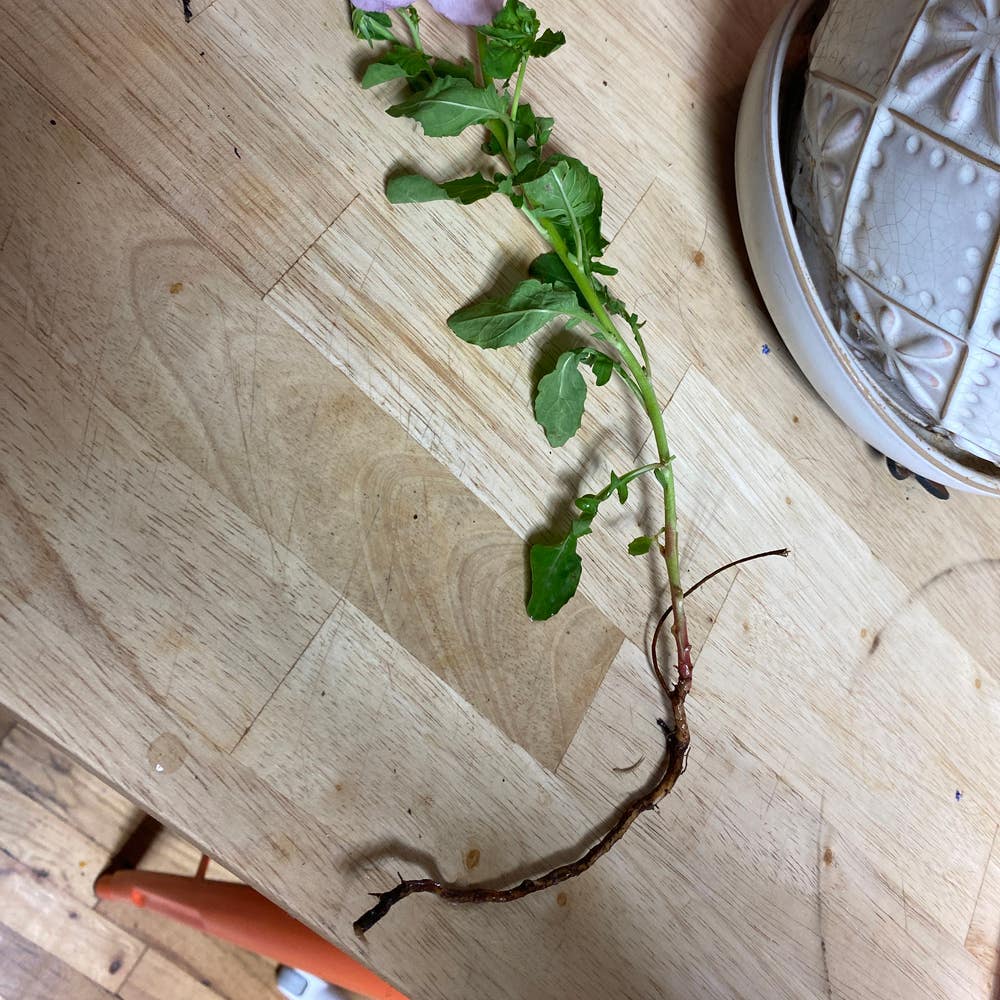
🌞 Ultimate Guide to Oenothera epilobifolia subsp. cuprea
Oenothera epilobifolia subsp. cuprea
By the Greg Editorial Team
Feb 28, 2025•10 min read
This article was created with the help of AI so we can cover more plants for you. May contain errors. See one? Report it here.
- 🌞 Oenothera epilobifolia subsp. cuprea thrives in full sun, needing 6-8 hours daily.
- 🌱 Well-draining sandy soil with pH 6.0-7.0 is ideal for growth.
- 🐝 Attracts pollinators like bees and butterflies, boosting garden biodiversity.
How to Grow
Choosing the Right Location 🌞
Oenothera epilobifolia subsp. cuprea thrives in full sun, requiring 6-8 hours of direct sunlight daily. It prefers warm, dry environments, making it ideal for outdoor gardens or containers in sunny spots.
Soil Preparation and Amendments 🏜️
This plant flourishes in well-draining sandy or rocky soils. Aim for a slightly acidic to neutral pH (6.0 to 7.0) and consider adding organic matter to enhance drainage.
Planting Techniques and Spacing 🌱
When planting seeds, ensure they are sown at a depth of 1/4 inch. Space plants 12-18 inches apart for optimal growth, and the best time to plant is in spring after the last frost.
Watering and Fertilizing 🚰
Initially, keep the soil consistently moist until the plants are established. After that, allow the soil to dry between waterings to prevent root rot, and fertilize once in early spring with a balanced NPK (10-10-10) or organic options.
Pruning and Ongoing Care ✂️
Prune in late winter or early spring before new growth begins. Focus on removing dead or damaged leaves and spent flowers while keeping an eye out for pests and diseases to ensure healthy growth.
This guide to growing Oenothera epilobifolia subsp. cuprea sets the stage for successful cultivation. Next, let’s explore how to propagate this beautiful plant effectively.
Propagation
🌱 Seed Propagation Steps
To propagate Oenothera epilobifolia subsp. cuprea from seeds, start by collecting them from mature plants in late summer. Once harvested, surface sow the seeds in well-draining soil, ensuring they are lightly covered.
For optimal germination, maintain soil moisture and warmth, ideally around 70°F (21°C). This will create the perfect environment for your seeds to sprout and thrive.
✂️ Division of Established Plants
Dividing established plants is a great way to propagate and rejuvenate your Oenothera. The best time to do this is in early spring or fall when the plant is not actively growing.
Carefully separate the roots of the plant and replant the sections in suitable locations. This method not only helps in propagation but also encourages healthier growth.
🌿 Cuttings and Their Care
Taking cuttings is another effective propagation technique. Select healthy stems that are about 4-6 inches long for the best results.
For rooting, use a mix of perlite and peat moss as your medium. This combination provides excellent drainage and aeration, crucial for successful root development.
With these propagation methods, you can expand your Oenothera collection and enjoy its beauty in various spots around your garden. Now that you know how to propagate, let’s explore the lifecycle of this fascinating plant.
Lifecycle
Overview of Lifecycle Stages 🌱
The lifecycle of Oenothera epilobifolia subsp. cuprea unfolds in distinct stages. It begins with germination, which takes about 7-14 days under optimal conditions.
Next, the seedling stage sees the development of true leaves, marking the plant's transition. As it progresses into vegetative growth, rosettes form, and leaf expansion occurs, setting the stage for the plant's vibrant display.
Flowering typically happens in late spring to summer, showcasing bright blooms that attract pollinators. After flowering, the plant enters the seed production phase, where seeds develop, ensuring the continuation of its lifecycle.
Duration Until Maturity ⏳
Reaching full growth takes approximately 1-2 years, depending on environmental conditions. Once mature, Oenothera epilobifolia subsp. cuprea can live for about 3-5 years as a perennial, offering beauty and ecological benefits throughout its lifespan.
Understanding this lifecycle is crucial for gardeners aiming to cultivate this stunning plant successfully. With the right care, you can enjoy its vibrant blooms and contributions to your garden for years to come.
Next, let’s explore the size of this remarkable plant and what you can expect in terms of height and spread.
Size
Mature Height and Spread 🌱
Oenothera epilobifolia subsp. cuprea typically reaches an average height of 12 to 24 inches. Its spread usually ranges from 12 to 18 inches, making it a compact yet visually appealing addition to your garden.
Growth Rate and Time to Full Size ⏳
Under optimal conditions, this plant takes about 1 to 2 years to reach its full size. With proper care, you can enjoy its vibrant blooms and lush foliage in no time.
Transitioning from the size of this plant, let's explore its numerous benefits in the garden.
Benefits
Ornamental Appeal and Garden Aesthetics 🌼
Oenothera epilobifolia subsp. cuprea is a stunning addition to any garden, boasting bright yellow flowers that truly enhance its beauty. The attractive foliage adds a delightful texture, making it a visual treat throughout the growing season.
Attracting Beneficial Pollinators 🐝
This plant is not just a pretty face; it's also a magnet for beneficial pollinators. Bees and butterflies are drawn to its vibrant blooms, helping to support local ecosystems and promote biodiversity in your garden.
Erosion Control in Sandy Soils 🌍
One of the standout benefits of this species is its ability to stabilize sandy soils. The robust root system effectively helps prevent erosion, making it an excellent choice for areas prone to soil loss.
Cultural Significance and Historical Uses 📜
Historically, Oenothera has played a role in traditional medicine, particularly among Native American communities. Its cultural significance adds depth to its presence in modern gardens, connecting us to the past.
Medicinal Properties and Uses 🌿
Beyond its ornamental value, this plant has potential uses in herbal remedies. While more research is needed, its historical applications suggest it may offer various health benefits worth exploring.
Incorporating Oenothera epilobifolia subsp. cuprea into your garden not only beautifies your space but also supports pollinators and contributes to soil health. Next, let’s explore the best companion plants to pair with this stunning species for an even more vibrant garden.
Companion Plants
🌱 Explanation of Companion Planting Benefits
Companion planting is a fantastic way to enhance your garden's diversity while managing pests naturally. By pairing plants that support each other, you can create a thriving ecosystem that promotes healthy growth.
🌼 Recommended Companion Plants
For Oenothera epilobifolia subsp. cuprea, consider these companions that thrive in similar conditions:
- Lavender: Its fragrant blooms attract pollinators while deterring pests.
- Salvia: This hardy plant provides vibrant color and attracts beneficial insects.
- Echinacea: Known for its medicinal properties, it also draws in pollinators and adds beauty.
🚫 Plants to Avoid
Be cautious with heavy feeders that compete for nutrients. Plants like corn or tomatoes can overshadow your Oenothera, leading to stunted growth and poor health.
Companion planting not only beautifies your garden but also fosters a balanced environment. By choosing the right partners for your Oenothera, you can enjoy a flourishing garden that thrives together. Next, let’s explore the fascinating topic of toxicity to humans, dogs, and cats.
Toxicity to Humans
Oenothera epilobifolia subsp. cuprea is not listed as toxic by major poison control centers. This means that, generally, it is safe to handle and even ingest in small amounts.
However, it's always wise to exercise caution with any plant. If you experience unusual symptoms after contact or consumption, seeking medical advice is the best course of action.
Stay informed and enjoy the beauty of this plant without worry!
Toxicity to Dogs
Oenothera epilobifolia subsp. cuprea is not listed as toxic by veterinary organizations, making it a safe choice for gardens frequented by dogs. This means your furry friends can roam around these plants without the worry of harmful effects.
While the plant poses no toxicity risk, it's always wise to monitor your dog's behavior around any plant. If you notice unusual chewing or digging, it might be time to intervene and redirect their attention.
In summary, enjoy the beauty of Oenothera in your garden, knowing it won't harm your canine companions. Just keep an eye on their antics to ensure they stay safe and happy.
As we explore further, let’s look at how to manage potential problems that may arise in your garden.
Toxicity to Cats
When it comes to Oenothera epilobifolia subsp. cuprea, cat owners can breathe a sigh of relief. This plant is not listed as toxic by major pet poison control centers, making it a safe addition to your garden.
While your feline friends can safely interact with this plant, it's always wise to keep an eye on their behavior. Monitoring your cat around plants ensures they don't nibble on anything they shouldn't, even if it's generally considered safe.
In summary, Oenothera is a cat-friendly choice for your garden. Just remember to enjoy the beauty of your plants while keeping a watchful eye on your curious companions.
Problems
Common Issues 🌱
Growing Oenothera epilobifolia subsp. cuprea can be rewarding, but it’s not without its challenges.
Overwatering is a frequent problem; you'll notice yellowing leaves and root rot if the soil remains too wet.
Underwatering can also be detrimental, leading to wilting and dry, crispy leaves that signal your plant is thirsty.
Finally, incorrect light conditions can cause leaf scorch from too much sun or leggy growth from insufficient light.
Solutions and Recovery Methods 💪
To combat these issues, start by adjusting your watering practices based on soil moisture.
Use your finger to check the soil; if it feels dry an inch down, it’s time to water.
Improving air circulation around your plants can also help prevent fungal diseases, which thrive in stagnant conditions.
By staying attentive to these factors, you can ensure your Oenothera thrives beautifully.
Next, let’s explore the pests that might disrupt your gardening success.
Bugs
🐛 Overview of Pest Resistance and Susceptibility
Oenothera epilobifolia subsp. cuprea is generally a resilient plant, thriving in various conditions. However, it can still fall prey to certain pests that may disrupt its growth.
🔍 Identification and Damage Caused by Common Pests
Spider Mites
These tiny pests can be a nuisance, leaving fine webbing on leaves and causing stippling damage. If you notice these signs, it's time to take action.
Aphids
Aphids are another common threat, known for their sticky residue and the curling of leaves. Their presence can indicate a larger issue that needs addressing.
🛠️ Treatment Options for Pest Control
To combat these pests, consider using organic methods. Neem oil is a popular choice, effectively disrupting the life cycle of pests without harming beneficial insects.
Insecticidal soap is another effective option, smothering pests on contact. Regular monitoring and prompt treatment can keep your Oenothera healthy and thriving.
With the right care, you can enjoy the beauty of this plant while keeping pests at bay.
What Eats Oenothera
🦌 Common Garden Animals That May Damage
Oenothera epilobifolia subsp. cuprea can attract a few garden visitors that may cause damage. Deer are notorious for browsing on the leaves and stems, leaving behind a telltale sign of their presence.
Rabbits also enjoy munching on this plant, and you might notice evidence of chewed leaves and stems scattered around your garden.
🐿️ Signs of Animal Presence and Damage Types
In addition to deer and rabbits, squirrels and rodents can pose a threat. Look for gnawed stems and disturbed soil, which indicate these critters have been foraging around your plants.
These signs can help you identify which animals are causing trouble in your garden.
🚫 Deterrent Methods for Managing Animal Interactions
To protect your Oenothera, consider using chemical deterrents like commercial repellents. These can effectively keep unwanted visitors at bay.
Alternatively, you can opt for organic methods, such as planting deterrent species or using physical barriers to safeguard your plants. Both approaches can help maintain the beauty of your garden while minimizing damage from hungry animals.
With these strategies, you can enjoy your Oenothera without the worry of garden invaders!
⚠️ Safety First
This content is for general information and may contain errors, omissions, or outdated details. It is not medical, veterinary advice, or an endorsement of therapeutic claims.
Always consult a qualified healthcare professional before using any plant as food, medicine, or supplement.
Never eat any plant (or feed one to pets) without confirming its identity with at least two trusted sources.
If you suspect poisoning, call Poison Control (800) 222-1222, the Pet Poison Helpline (800) 213-6680, or your local emergency service immediately.
Spotted an error? Please report it here.
Unlock the secrets to thriving Oenothera 🌼 with Greg's tailored care reminders and expert tips, ensuring your garden flourishes while attracting pollinators and preventing soil erosion!