What You Should Know About Oenothera dissecta 🌼
Oenothera dissecta
By the Greg Editorial Team
Feb 28, 2025•11 min read
This article was created with the help of AI so we can cover more plants for you. May contain errors. See one? Report it here.
- 🌞 Oenothera dissecta needs 6-8 hours of sunlight for optimal growth.
- 🌱 Well-draining soil is crucial to prevent root rot in this plant.
- 🐝 Attracts pollinators and is drought-tolerant, perfect for low-water gardens!
How to Grow
Choosing a Location 🌞
To thrive, Oenothera dissecta needs full sun exposure, ideally 6 to 8 hours daily. It prefers well-draining sandy or loamy soil, which helps prevent root rot.
Soil Preparation 🧪
Aim for a soil pH between 6.0 and 7.5 for optimal growth. Incorporating organic matter can significantly improve drainage and nutrient availability.
Planting Techniques 🌱
When planting seeds, ensure they are sown at a depth of 1/4 inch. Space the seeds 12 to 18 inches apart to allow for healthy growth and airflow.
Watering Requirements 💧
Initially, keep the soil consistently moist until the plants are established. Afterward, water only when the top inch of soil feels dry to the touch.
Fertilizing Tips 🌿
During the growing season, provide light feeding with a balanced fertilizer. Slow-release or organic options work best to nourish your plants without overwhelming them.
Pruning and Ongoing Care ✂️
Regularly deadhead spent flowers to encourage more blooms throughout the season. Additionally, keep an eye out for pests and diseases to maintain plant health.
Outdoor vs. Container Growing 🏡
If growing in containers, choose pots with drainage holes and a suitable potting mix. For outdoor planting, ensure adequate spacing and sunlight to support robust growth.
With these straightforward guidelines, you can cultivate a thriving Oenothera dissecta that will brighten your garden and attract pollinators. Next, let’s explore how to propagate this beautiful plant effectively.
Propagation
🌱 Seed Propagation
To propagate Oenothera dissecta from seeds, sow them at a depth of 1/4 inch. Expect germination within 10 to 14 days under optimal conditions.
✂️ Division of Established Plants
Dividing established plants is best done in early spring or fall. Carefully separate the roots and replant them to encourage new growth.
🌿 Cuttings Method
For propagation via cuttings, select healthy stems that are 4-6 inches long. Use a rooting medium composed of perlite and peat moss for the best results.
This straightforward propagation process allows you to expand your Oenothera dissecta collection easily. Whether you choose seeds, divisions, or cuttings, each method offers a rewarding way to enjoy this beautiful plant in your garden. Next, let’s explore the lifecycle of Oenothera dissecta and understand its growth stages.
Lifecycle
Overview of Lifecycle Stages 🌱
Oenothera dissecta is a perennial plant, meaning it can thrive for multiple years. This longevity allows it to establish a robust presence in your garden.
Germination Process 🌡️
For optimal germination, aim for a temperature of around 70°F (21°C). Seeds typically take about 10-14 days to sprout under these ideal conditions.
Seedling Stage 🌿
Once germinated, the seedling stage lasts approximately 4-6 weeks. During this time, the plant develops its first true leaves, marking a significant growth milestone.
Vegetative Growth 🌳
The vegetative growth phase occurs from late spring to early summer. This is when the plant focuses on building its foliage and root system.
Flowering and Seed Production 🌼
Expect blooming to occur from late spring through summer. After flowering, seeds mature in pods, ready for the next generation of plants.
Lifespan and Growth Timeline ⏳
Oenothera dissecta reaches full maturity in about two years. Its growth rate is moderate, with the plant achieving its full size within 2-3 years, making it a rewarding addition to your garden.
This lifecycle overview highlights the resilience and beauty of Oenothera dissecta, setting the stage for understanding its growth and care needs. Next, we’ll explore how to effectively propagate this stunning plant.
Size
Mature Height and Spread 🌱
Oenothera dissecta typically reaches an average height of 1 to 3 feet, making it a manageable addition to any garden. Its spread ranges from 1 to 2 feet wide, allowing for a compact yet vibrant display.
Growth Rate and Size Variability 📈
This plant exhibits a moderate growth rate, which can vary significantly based on environmental conditions. Factors such as soil quality and sunlight exposure play crucial roles in determining its ultimate size.
Factors Affecting Size in Different Growing Conditions 🌧️
Soil moisture levels are vital; overwatering can stunt growth and lead to unhealthy plants. Additionally, insufficient sunlight can cause leggy growth, where the plant stretches toward light sources, compromising its overall appearance.
Understanding these size-related aspects can help you cultivate a thriving Oenothera dissecta. With the right conditions, you can enjoy its beauty and resilience in your garden.
Roots
Root System Characteristics 🌱
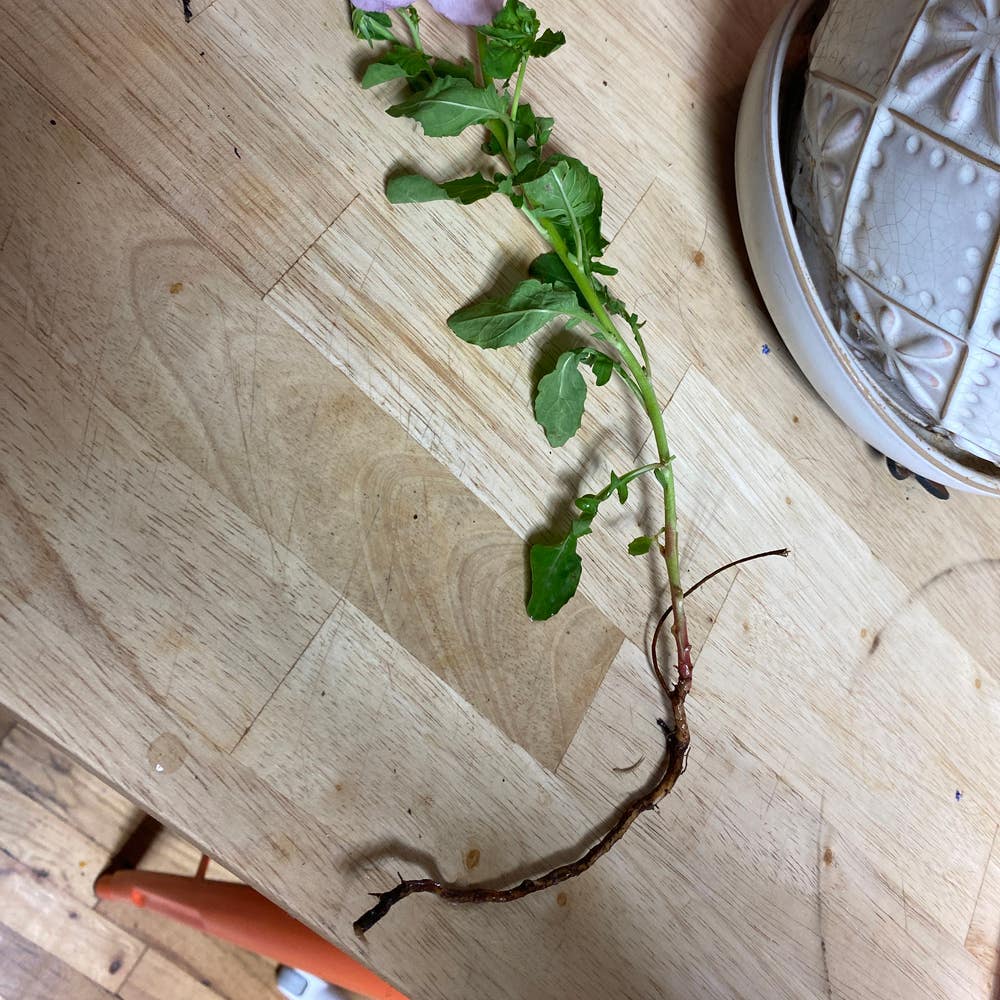
Oenothera dissecta features a robust taproot system that anchors the plant deeply into the soil. This structure helps it withstand various environmental conditions.
Root Depth and Spread 📏
The roots can reach depths of up to 2 feet, providing stability and access to moisture. They also extend laterally, supporting the plant's overall health and growth.
Common Root-Related Issues ⚠️
One of the most common problems is root rot, often caused by overwatering. Symptoms include mushy roots, which can lead to the plant's decline if not addressed promptly.
Identifying Healthy vs. Unhealthy Roots 🔍
Healthy roots are firm, white, and spread out evenly throughout the soil. In contrast, unhealthy roots appear dark, mushy, or may emit a foul smell, indicating a serious issue.
Recognizing Rootbound Plants and Solutions 🪴
If you notice roots growing out of the drainage holes, your plant may be rootbound. The best solutions are to repot the plant into a larger container or divide it to promote healthier growth.
Understanding the root system of Oenothera dissecta is crucial for its care and maintenance. With proper attention, you can ensure your plant thrives and flourishes.
Benefits
Attracts Pollinators 🐝
Oenothera dissecta is a magnet for pollinators like bees and butterflies. By planting it in your garden, you're not just beautifying your space; you're also supporting local ecosystems.
Drought-Tolerant 💧
This plant thrives in low-water conditions, making it an excellent choice for drought-resistant gardens. Its ability to withstand dry spells means less worry about watering during hot summer months.
Edible Flowers and Leaves 🥗
Did you know the flowers and leaves of Oenothera dissecta are edible? They can add a unique touch to salads, offering both flavor and nutrition.
Potential Medicinal Uses 🌿
Traditionally, Oenothera dissecta has been used in various remedies. While more research is needed, its historical uses suggest it may have beneficial properties worth exploring.
Aesthetic Appeal 🌸
With its stunning evening blooms, this plant enhances the beauty of any garden. Imagine a garden that comes alive at dusk, creating a serene and inviting atmosphere.
These benefits make Oenothera dissecta a fantastic addition to any garden. Whether you're looking to attract wildlife, conserve water, or simply enjoy its beauty, this plant has something to offer everyone.
Next, let's explore the concept of companion planting and how Oenothera dissecta can work harmoniously with other plants in your garden.
Companion Plants
🌱 Concept of Companion Planting
Companion planting is all about creating a harmonious garden environment. By pairing plants that benefit each other, you can enhance biodiversity and improve pest management.
🌼 Best Companion Plants
When growing Oenothera dissecta, consider these companions:
- Lavender: This fragrant herb not only attracts pollinators but also repels unwanted pests.
- Yarrow: Known for its ability to improve soil health, yarrow also draws beneficial insects to your garden.
🚫 Plants to Avoid Near
Be cautious with heavy feeders like tomatoes. They compete for nutrients, which can hinder the growth of your Oenothera dissecta.
By selecting the right companions, you can create a thriving garden that supports your plants and enhances their beauty. Next, let’s explore the fascinating benefits of Oenothera dissecta!
Toxicity to Humans
🛡️ Safety of Oenothera dissecta for Humans
Oenothera dissecta, commonly known as the dissected evening primrose, is generally safe for humans. Major poison control centers do not list it as toxic.
However, consuming large quantities may lead to mild skin irritation or digestive discomfort. It's always wise to exercise caution with any plant and consult a medical professional if you experience unusual symptoms after contact or ingestion.
In summary, while this plant can be a delightful addition to your garden, it's important to respect its nature and handle it thoughtfully. Enjoy the beauty it brings, but stay informed for a safe gardening experience.
Toxicity to Dogs
Safety of Oenothera dissecta for Dogs 🐶
Oenothera dissecta, commonly known as the evening primrose, is not listed as toxic by major pet poison control centers. This means that your furry friends can safely roam around it without significant risk.
However, if consumed in large quantities, it may cause mild gastrointestinal upset. It's always wise to monitor your dog's behavior around the plant to ensure they don't indulge too much.
Tips for Dog Owners 🐾
To keep your pets safe, consider the following tips:
- Proper Placement: Position the plant in areas that are less accessible to your dog.
- Monitoring Behavior: Keep an eye on your pet's interactions with the plant, especially if they show interest in nibbling.
By taking these precautions, you can enjoy the beauty of Oenothera dissecta in your garden while ensuring your dog's safety.
As we move on, let’s explore how this plant interacts with our feline friends.
Toxicity to Cats
Safety of Oenothera dissecta for Cats 🐱
Oenothera dissecta is not considered toxic to cats by major pet poison control centers. This means you can enjoy this beautiful plant without worrying too much about your feline friends.
However, it's important to note that excessive consumption could lead to mild gastrointestinal upset.
Tips for Cat Owners 📝
To keep your cat safe, consider the following tips:
- Proper Placement: Position the plant in areas that are less accessible to your cat.
- Monitoring Behavior: Keep an eye on your cat's interactions with the plant to prevent any potential issues.
By taking these precautions, you can enjoy the beauty of Oenothera dissecta while ensuring your cat stays healthy and happy.
As we move forward, let's explore the potential toxicity of this plant to dogs.
Problems
🌱 Common Problems Faced When Growing
Growing Oenothera dissecta can be rewarding, but it's not without its challenges. Incorrect watering is a common issue, leading to wilting or yellowing leaves.
Light conditions also play a crucial role. If your plants are leggy or showing scorched leaves, they might not be getting the right amount of sunlight.
🔍 Identifying Symptoms and Causes
Understanding the symptoms can help you diagnose problems early. Overwatering often results in root rot, characterized by mushy roots.
On the flip side, underwatering manifests as wilting and dry leaf edges. Recognizing these signs is key to maintaining healthy plants.
🛠️ Solutions for Each Problem
To tackle watering issues, adjust your schedule based on soil moisture. A simple finger test can help you determine when to water.
For light-related problems, ensure your plants receive adequate exposure and airflow. This can significantly reduce the risk of diseases like powdery mildew and rust.
By staying vigilant and proactive, you can enjoy a thriving Oenothera dissecta garden. Next, let’s explore potential pest issues that might arise in your garden.
Bugs
Potential Pest Issues 🐜
While Oenothera dissecta is generally pest-resistant, it can still face challenges from a few common pests. Keeping an eye out for these nuisances can help maintain the health of your plants.
Identification and Damage Caused by Pests 🔍
Spider Mites: These tiny pests can create fine webbing on your plants, leading to stippled leaves that may eventually turn yellow.
Aphids: Look for curling leaves and a sticky residue on your plants, which are telltale signs of aphid infestations.
Treatment Options for Pest Control 🧴
To combat aphids, consider using neem oil or insecticidal soap, both of which are effective and environmentally friendly.
For spider mites, increasing humidity around your plants can deter these pests, as they thrive in dry conditions.
By staying vigilant and addressing these issues promptly, you can keep your Oenothera dissecta thriving and beautiful. Next, let’s explore the common problems you might encounter while growing this resilient plant.
What Eats
🦌 Common Animals That May Eat or Damage
When growing Oenothera dissecta, be aware that certain animals can pose a threat. Deer are notorious for munching on these plants, leaving behind chewed leaves and broken stems.
Rabbits also enjoy a snack, often nibbling on the lower leaves. Their presence can quickly turn your flourishing garden into a buffet.
🕵️♂️ Signs of Animal Presence and Damage
Identifying animal visitors is crucial for protecting your plants. Look for tracks or droppings near your Oenothera dissecta to confirm their presence.
Chewed foliage and damaged stems are clear indicators that your garden is being visited by hungry critters.
🚧 Deterrent Methods for Managing Animal Interactions
Preventing animal damage is essential for a thriving garden. Fencing is an effective method; use barriers to keep larger animals like deer at bay.
Additionally, consider using repellents—either commercial options or homemade solutions—to deter pests. These strategies can help safeguard your plants and maintain their beauty.
With the right precautions, you can enjoy your Oenothera dissecta without the worry of unwanted visitors.
⚠️ Safety First
This content is for general information and may contain errors, omissions, or outdated details. It is not medical, veterinary advice, or an endorsement of therapeutic claims.
Always consult a qualified healthcare professional before using any plant as food, medicine, or supplement.
Never eat any plant (or feed one to pets) without confirming its identity with at least two trusted sources.
If you suspect poisoning, call Poison Control (800) 222-1222, the Pet Poison Helpline (800) 213-6680, or your local emergency service immediately.
Spotted an error? Please report it here.
Cultivating a thriving Oenothera dissecta garden 🌱 is easy when you understand its needs, and with Greg's tailored care reminders, you'll ensure your plants flourish while attracting pollinators!