Introduction to Oenothera deserticola
Oenothera deserticola
By the Greg Editorial Team
Feb 28, 2025•10 min read
This article was created with the help of AI so we can cover more plants for you. May contain errors. See one? Report it here.
- 🌞 Oenothera deserticola needs 6-8 hours of sunlight for optimal growth.
- 🌱 Plant in sandy, well-drained soil with a pH of 6.0 to 7.0.
- 💧 Water sparingly and allow soil to dry out to prevent root issues.
How to Grow
🌞 Choosing a Location
To successfully grow Oenothera deserticola, start by selecting a spot that receives full sun for at least 6-8 hours daily. This plant thrives in warm climates and is well-equipped to handle heat, making it a perfect addition to sunny gardens.
🏖️ Soil Preparation
Next, focus on soil preparation. Oenothera deserticola prefers sandy or rocky soils that offer excellent drainage, which is crucial for its health. Aim for a soil pH between 6.0 and 7.0, as slightly acidic to neutral conditions are ideal for growth.
🌱 Planting Techniques
When it comes to planting, spacing is key. Place your plants 12-18 inches apart to give them room to grow. For seeds, plant them at a depth of 1/4 inch, while seedlings should be transplanted at the appropriate depth to ensure they establish well.
💧 Watering Requirements
Watering should be done sparingly. Allow the soil to dry out between watering sessions to prevent overwatering, which can lead to root issues. For effective deep watering, consider using drip irrigation or soaker hoses to keep the moisture consistent.
🌿 Fertilizing
Fertilizing is another important aspect of care. Use a low-nitrogen fertilizer or organic compost to nourish your plants. The best time to fertilize is in early spring, just before the growth season kicks in.
✂️ Pruning and Ongoing Care
Finally, ongoing care is essential for vibrant blooms. Regularly deadhead spent flowers to encourage new growth and monitor your plants for pests and diseases. Adjust your watering routine as needed to keep your Oenothera deserticola thriving.
With these straightforward steps, you can cultivate a healthy and beautiful Oenothera deserticola in your garden. Next, let’s explore how to propagate this resilient plant for even more blooms!
Propagation
🌱 Seed Propagation
To propagate Oenothera deserticola from seeds, sow them in spring after the last frost. Under optimal conditions, expect germination within 2-3 weeks.
✂️ Division of Established Plants
For division, the best timing is early spring or fall. Carefully separate the roots of established plants and replant them in prepared soil to encourage healthy growth.
This straightforward propagation method ensures that you can enjoy more of these beautiful plants in your garden. With proper care, your Oenothera deserticola will thrive and spread, enhancing your landscape with its vibrant blooms.
Next, let’s explore the lifecycle of this resilient plant and understand its growth stages.
Lifecycle
Lifecycle Stages 🌱
The lifecycle of Oenothera deserticola consists of several distinct stages. It begins with seed germination, followed by the seedling stage, vegetative growth, flowering, and finally, seed production.
Growth Rate and Time to Maturity ⏳
This plant typically reaches full maturity in about 1 to 2 years. Its growth rate is moderate, emphasizing its remarkable drought resistance, making it an excellent choice for low-water gardens.
Understanding these stages helps gardeners anticipate the plant's needs and care requirements throughout its lifecycle. As you nurture Oenothera deserticola, you'll witness its transformation, from a tiny seed to a vibrant flowering plant, enriching your garden with beauty and resilience.
Next, let's explore the size of this fascinating plant and what to expect as it grows.
Size
Mature Height and Spread 🌱
Oenothera deserticola typically reaches a mature height of 1 to 3 feet. Its spread can range from 1 to 2 feet wide, making it a compact yet striking addition to your garden.
Growth Rate and Size Variability 📈
This plant has a moderate growth rate, which can fluctuate based on soil quality and water availability. Environmental factors, such as sunlight and moisture levels, also play a significant role in determining its final size.
Understanding these characteristics helps you plan your garden layout effectively. With the right conditions, Oenothera deserticola can thrive beautifully, adding both height and width to your landscape.
As you consider planting, remember that its adaptability makes it suitable for various settings, from xeriscapes to traditional gardens. Next, let's explore the fascinating root system that supports this resilient plant.
Roots
Characteristics of the Root System 🌱
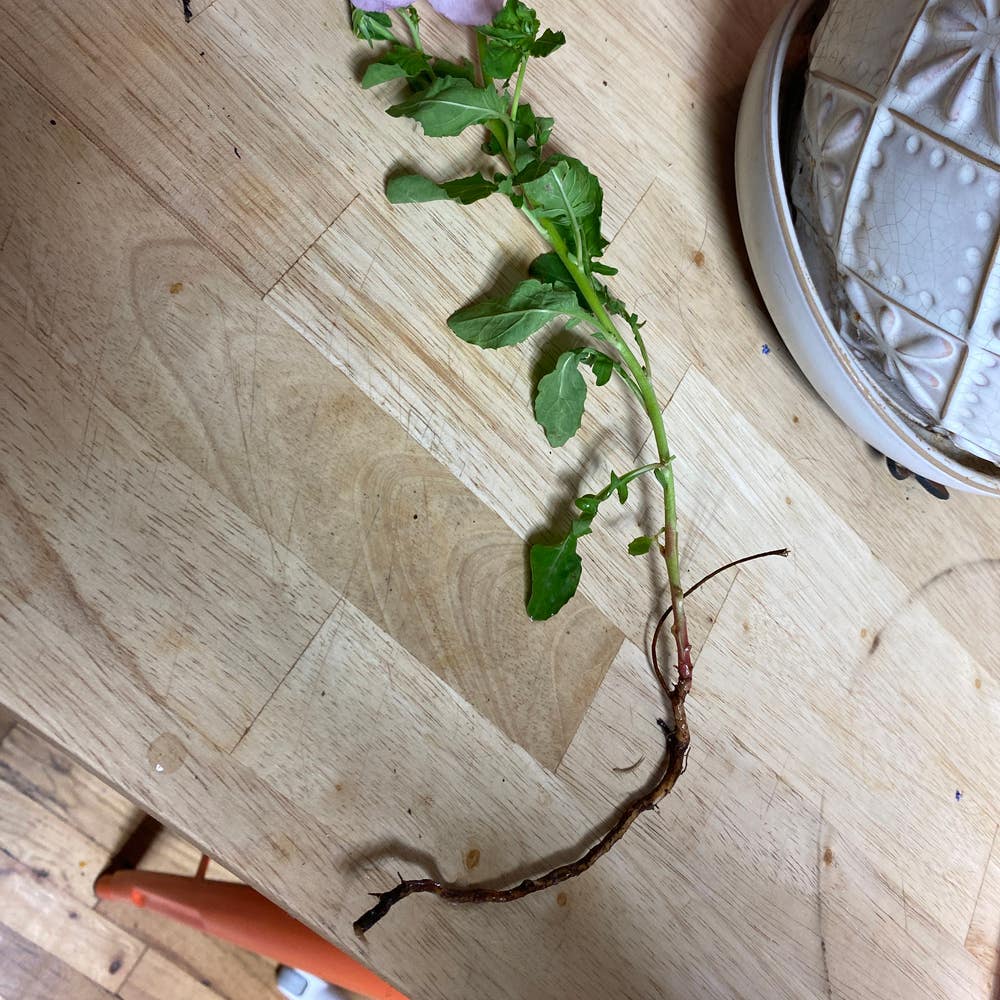
Oenothera deserticola features a robust taproot system. This structure allows the plant to access deep water sources, making it well-suited for arid environments.
Common Root-Related Issues ⚠️
Root rot is a common problem, often caused by overwatering. Symptoms include mushy roots that can lead to plant decline.
Another issue is becoming rootbound, especially in container settings. Signs of this condition include stunted growth and roots that circle the pot.
Visual Cues for Healthy vs. Unhealthy Roots 👀
Healthy roots are firm, white, and spread throughout the soil, indicating good health. In contrast, unhealthy roots appear dark, mushy, or foul-smelling, signaling potential problems.
Understanding these root characteristics and issues is crucial for maintaining the health of Oenothera deserticola. By monitoring root health, you can ensure your plant thrives and flourishes in your garden.
Next, we will explore the various benefits this resilient plant offers to both the ecosystem and your garden.
Benefits
🌍 Ecological Benefits
Oenothera deserticola plays a vital role in its ecosystem by attracting nocturnal pollinators like moths and bats. These creatures are essential for pollination, ensuring the health and reproduction of various plants.
🌼 Aesthetic Appeal in Gardens
With its bright yellow flowers, Oenothera deserticola adds a splash of color to any garden. This visual interest not only enhances the landscape but also creates a striking contrast against green foliage.
💧 Drought Resistance and Low Maintenance
This plant is perfect for xeriscaping and low-water gardens, thriving in dry conditions. Its drought resistance means less frequent watering, making it an excellent choice for busy gardeners.
🧑🤝🧑 Cultural Significance
Historically, Native Americans utilized Oenothera deserticola for its medicinal properties. This cultural connection adds depth to its presence in gardens, linking modern horticulture with traditional practices.
🌿 Medicinal Properties
Research suggests that Oenothera deserticola contains compounds that may offer health benefits. While more studies are needed, its potential medicinal uses make it a fascinating plant for both gardeners and herbalists.
Incorporating Oenothera deserticola into your garden not only beautifies your space but also supports local ecosystems and honors cultural traditions. As we explore the next section, let's delve into the fascinating world of companion planting and how it can enhance your gardening experience.
Companion Plants
🌱 Explanation of Companion Planting Benefits
Companion planting is a fantastic way to enhance garden diversity. It promotes symbiotic relationships between plants, leading to healthier growth and improved pest management.
🌼 Recommended Companion Plants
When growing Oenothera deserticola, consider these excellent companions:
- Lavender: This fragrant herb attracts pollinators while repelling pests, making it a perfect partner.
- Sage: With similar care needs and drought tolerance, sage thrives alongside Oenothera deserticola.
- Yarrow: Known for its ground cover abilities, yarrow helps manage pests and supports soil health.
🚫 Plants to Avoid
Be cautious with heavy feeders like tomatoes. They can compete for nutrients, potentially stunting the growth of Oenothera deserticola.
By selecting the right companions, you can create a thriving garden ecosystem that benefits all your plants. Next, let's explore the potential toxicity of Oenothera deserticola to humans, dogs, and cats.
Toxicity to Humans
Oenothera deserticola is generally considered safe, as it is not listed as toxic by major poison control centers. However, like many plants, it can cause minor issues such as mild skin irritation or digestive discomfort if consumed in large quantities.
It's always wise to exercise caution with any plant. If you experience unusual symptoms after contact or ingestion, seeking medical advice is a prudent step. Remember, knowledge is power when it comes to gardening and plant care!
Toxicity to Dogs
Oenothera deserticola is generally safe for dogs, as it is not listed as toxic by major pet poison control centers. However, if your furry friend consumes large quantities, they may experience mild gastrointestinal upset.
It's always a good idea to keep an eye on your dog's behavior around the plant. If you notice any unusual symptoms, it's best to consult your veterinarian. To be on the safe side, consider placing the plant out of reach to prevent any potential issues.
As you enjoy the beauty of Oenothera deserticola in your garden, rest assured that your canine companion can safely roam nearby. Now, let’s explore how this plant interacts with our feline friends.
Toxicity to Cats
Oenothera deserticola is generally safe for cats, as it is not listed as toxic by major pet poison control centers. However, if ingested in large quantities, it may cause mild gastrointestinal upset.
To ensure your feline friend stays safe, monitor their behavior around the plant. It's a good idea to place the plant in a location that's out of reach, just to be on the safe side.
With proper care and attention, you can enjoy the beauty of Oenothera deserticola in your garden without worrying about your cat's health.
Problems
🌱 Common Problems with Oenothera deserticola
Growing Oenothera deserticola can be rewarding, but it's essential to be aware of potential issues that may arise. Here are some common problems to watch for:
Overwatering
One of the most frequent mistakes is overwatering. Symptoms include yellowing leaves and wilting, which indicate that the roots are struggling due to excess moisture.
Incorrect Light Conditions
Another issue is incorrect light exposure. If your plant exhibits etiolated growth—long, leggy stems with sparse leaves—it’s a sign that it’s not receiving enough sunlight.
Diseases
Fungal diseases can also pose a threat, particularly in humid conditions. Powdery mildew is a common culprit, appearing as a white, powdery coating on leaves, which can hinder the plant's overall health.
🛡️ Prevention and Care
To prevent these problems, ensure proper watering practices and monitor light conditions. Regularly inspect your plants for signs of disease, and take action promptly to maintain their health.
By staying vigilant and proactive, you can enjoy the beauty of Oenothera deserticola without the hassle of common gardening woes. Next, let’s explore the pests that might invade your garden and how to manage them effectively.
Bugs
🐜 Common Pests
Oenothera deserticola can attract a few unwelcome guests.
- Spider Mites: Look for fine webbing and stippled leaves, which indicate their presence.
- Mealybugs: These pests appear as cotton-like masses on stems and leaves, making them easy to spot.
🧴 Treatment Options
Dealing with pests doesn't have to be a headache.
- Neem Oil: This natural solution is effective against both spider mites and mealybugs.
- Insecticidal Soap: Another great option, it targets pests without harming your plant.
Regular monitoring and prompt action can keep your Oenothera deserticola thriving. If you notice any signs of infestation, act quickly to prevent further damage.
With the right care, your plant can flourish despite these challenges. Next, let’s explore what animals might be tempted to munch on your beautiful flowers.
What Eats Oenothera deserticola
🦌 Common Animals
Oenothera deserticola, while a resilient plant, can attract a few hungry visitors.
- Deer are notorious for munching on these plants, leaving behind chewed leaves and broken stems as evidence of their feasting.
- Rabbits also enjoy a nibble, particularly targeting the lower foliage, which can lead to noticeable damage.
🚫 Deterrent Methods
To protect your Oenothera deserticola from these garden invaders, consider implementing a few deterrent strategies.
- Fencing is an effective way to keep larger animals like deer at bay.
- Additionally, using repellents can help deter both deer and rabbits, ensuring your plants remain safe and thriving.
By taking these precautions, you can enjoy the beauty of Oenothera deserticola without the worry of unwanted munchers. Next, let’s explore the common problems that can affect this hardy plant.
⚠️ Safety First
This content is for general information and may contain errors, omissions, or outdated details. It is not medical, veterinary advice, or an endorsement of therapeutic claims.
Always consult a qualified healthcare professional before using any plant as food, medicine, or supplement.
Never eat any plant (or feed one to pets) without confirming its identity with at least two trusted sources.
If you suspect poisoning, call Poison Control (800) 222-1222, the Pet Poison Helpline (800) 213-6680, or your local emergency service immediately.
Spotted an error? Please report it here.
Unlock the beauty of Oenothera deserticola in your garden with Greg's tailored care tips 🌞, ensuring your plants thrive with the perfect balance of sunlight, water, and nutrients for vibrant blooms!