🌼 Understanding Oenothera centaureifolia: The Basics
Oenothera centaureifolia
By the Greg Editorial Team
Feb 28, 2025•10 min read
This article was created with the help of AI so we can cover more plants for you. May contain errors. See one? Report it here.
Elevate your garden with Oenothera centaureifolia, a vibrant, drought-resistant beauty that attracts pollinators! 🌼
- 🌞 Oenothera centaureifolia needs 6-8 hours of sunlight for optimal growth.
- 🌱 Well-draining soil with pH 6.0-7.0 is essential for healthy plants.
- 🌼 Regular deadheading promotes blooms and keeps your garden vibrant.
How to Grow
Choosing a Location 🌞
To thrive, Oenothera centaureifolia needs full sun, soaking up 6 to 8 hours of sunlight daily. Select a spot with well-draining sandy or loamy soil to ensure healthy growth.
Soil Preparation 🏜️
Proper drainage is crucial; it helps prevent root rot, a common issue for many plants. Aim for a soil pH between 6.0 and 7.0 for optimal health.
Planting Techniques 🌱
When planting, space your plants 12 to 18 inches apart to give them room to flourish. Sow seeds or seedlings at a depth of about 1/4 inch for best results.
Watering Requirements 🚰
Water your plants regularly until they are established, then you can reduce the frequency. Using drip irrigation or soaker hoses is ideal, as it keeps foliage dry and healthy.
Fertilizing 🍽️
A balanced NPK fertilizer, like 10-10-10, works wonders for these plants. Fertilize once in early spring and again in mid-summer to support their growth.
Pruning and Ongoing Care ✂️
Deadheading spent flowers encourages more blooms, keeping your garden vibrant. Regularly monitor for pests and diseases to maintain plant health and vitality.
With these growing tips, you'll be well on your way to cultivating a thriving Oenothera centaureifolia garden. Next, let's explore how to propagate this beautiful plant effectively.
Propagation
🌱 Seed Propagation
To propagate Oenothera centaureifolia, start by sowing seeds in spring, right after the last frost. For the best results, keep the soil moist and warm, ideally around 70°F (21°C).
✂️ Division of Established Plants
Another effective method is dividing established plants. This is best done in early spring or fall when the plant is not actively growing.
Carefully dig up the plant and separate the roots into sections, ensuring each division has a healthy root system. This technique not only promotes new growth but also helps maintain the vigor of your existing plants.
With these propagation methods, you can easily expand your garden and enjoy the beauty of Oenothera centaureifolia in multiple spots. Next, let’s explore the lifecycle of this fascinating plant and what to expect as it grows.
Lifecycle
Lifecycle Stages 🌱
Oenothera centaureifolia goes through several distinct stages in its lifecycle. These include seed, seedling, vegetative growth, flowering, and seed production.
Germination and Seedling Stage 🌱
The germination process typically takes about 2-3 weeks under optimal conditions. Keeping the soil warm and moist is crucial for successful seedling development.
Growth Rate and Time to Maturity ⏳
This plant reaches maturity in approximately 1-2 years. Its growth rate is moderate, with flowering usually occurring in the second year, adding vibrant color to your garden.
Understanding these lifecycle stages helps you anticipate the care needed at each phase. This knowledge ensures that you can nurture Oenothera centaureifolia effectively, leading to a flourishing plant that enhances your garden's beauty.
Size
Mature Height and Spread 🌱
Oenothera centaureifolia typically reaches a height of 2 to 3 feet. Its spread can extend 1 to 2 feet wide, making it a lovely addition to any garden.
Growth Rate and Size Variability 📈
This plant has a moderate growth rate, which can be influenced by soil quality and water availability. Size variability may occur due to environmental factors, so keep an eye on your growing conditions for optimal results.
Understanding these aspects of size helps you plan your garden layout effectively. With the right care, Oenothera centaureifolia can thrive and bring vibrant color to your landscape.
Next, let’s explore the fascinating lifecycle of this resilient plant.
Roots
Characteristics of the Root System 🌱
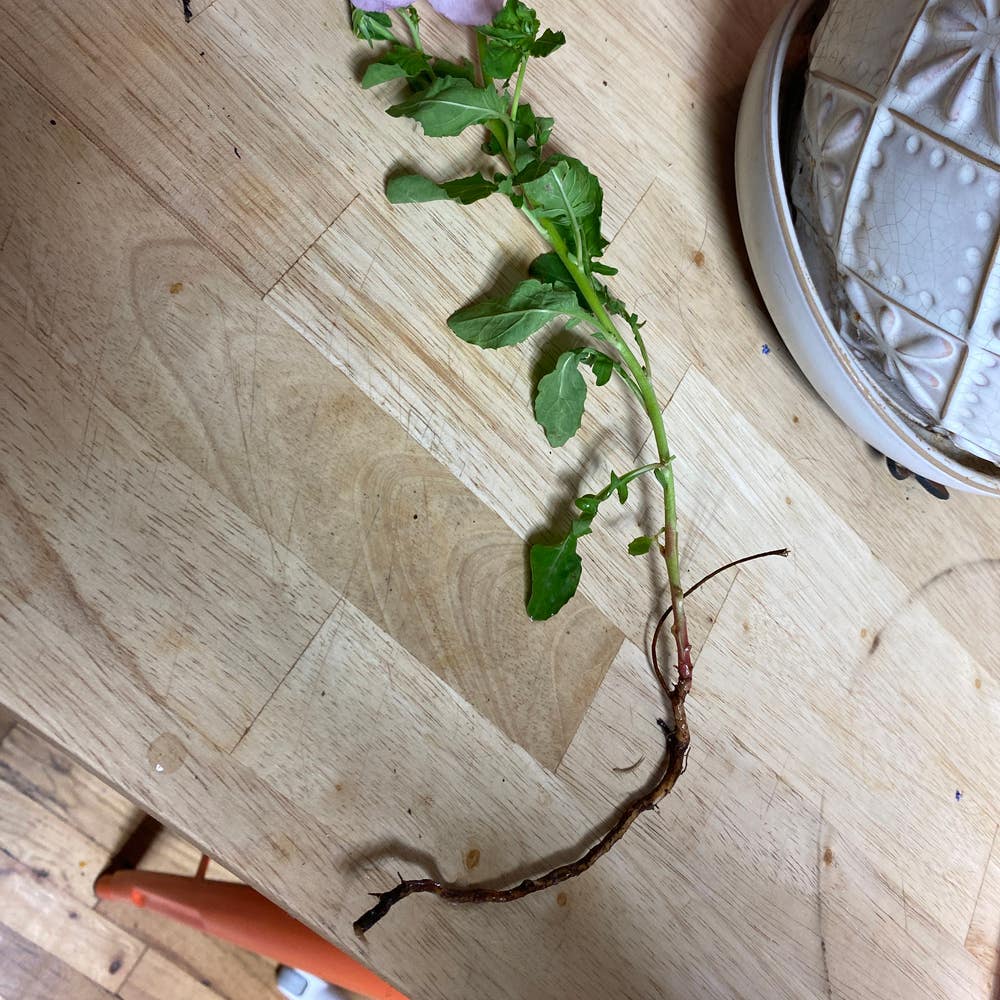
Oenothera centaureifolia boasts a deep taproot system, which is essential for its drought resistance. This characteristic allows the plant to access moisture from deeper soil layers, making it a resilient choice for gardens in dry climates.
Common Root-Related Issues ⚠️
Root rot is a common concern, primarily caused by overwatering. To prevent this, ensure your soil drains well and avoid waterlogged conditions.
Another issue is becoming rootbound, which occurs when roots grow out of drainage holes. This can hinder the plant's growth and overall health, so it's important to monitor root development.
Visual Cues for Healthy vs. Unhealthy Roots 👀
Healthy roots are typically firm, white, and spread evenly throughout the soil. In contrast, unhealthy roots may appear dark, mushy, or emit a foul smell, indicating potential problems that need addressing.
By keeping an eye on your plant's root system, you can ensure it thrives and flourishes in your garden. Next, let's explore the benefits of growing Oenothera centaureifolia and why it deserves a spot in your landscape.
Benefits
Top Benefits of Growing 🌼
Oenothera centaureifolia, commonly known as the yellow evening primrose, offers a multitude of benefits for any garden enthusiast. Its vibrant yellow flowers not only enhance garden aesthetics but also create a stunning visual display that draws the eye.
This plant is a magnet for pollinators, attracting bees and butterflies, which are essential for a healthy ecosystem. By incorporating it into your garden, you’re not just beautifying your space; you’re also supporting local wildlife.
One of the standout features of Oenothera centaureifolia is its drought resistance. This makes it an excellent choice for xeriscaping and low-water gardens, allowing you to maintain a lush garden while conserving water.
Culturally, this plant holds significance as a symbol of healing and renewal in various traditions. Its presence in your garden can evoke a sense of tranquility and connection to nature.
Additionally, the plant has a history of medicinal uses, particularly its oil, which is believed to offer health benefits. This adds another layer of value to growing Oenothera centaureifolia, making it not just a pretty face in the garden but also a potential source of wellness.
In summary, growing Oenothera centaureifolia enriches your garden with beauty, supports pollinators, conserves water, and connects you to cultural traditions and potential health benefits.
As you consider adding this plant to your garden, think about how it can complement your existing landscape and contribute to a thriving ecosystem. Next, let’s explore the best companion plants that will thrive alongside Oenothera centaureifolia.
Companion Plants
Best Companion Plants 🌼
When growing Oenothera centaureifolia, consider pairing it with plants that share similar care needs. Lavender, salvia, and yarrow are excellent companions, as they thrive in similar conditions and can enhance the overall aesthetics of your garden.
These plants not only complement the vibrant yellow flowers of Oenothera but also attract beneficial pollinators, creating a lively and colorful environment.
Plants to Avoid 🚫
On the flip side, it's wise to steer clear of heavy feeders like tomatoes. These plants compete for nutrients, which can hinder the growth of your Oenothera and lead to less vibrant blooms.
By choosing the right companions, you can create a thriving garden that showcases the beauty of Oenothera centaureifolia while ensuring all plants flourish together.
Toxicity to Humans
🛡️ Safety for Humans
Oenothera centaureifolia, commonly known as the yellow evening primrose, is not listed as toxic by major poison control centers. This means you can enjoy its beauty without worrying about severe health risks.
However, there are potential minor issues to keep in mind. Some individuals may experience mild skin irritation or digestive discomfort if they consume excessive amounts of the plant.
⚠️ Cautionary Measures
Always exercise caution when interacting with any plant. If you notice unusual symptoms after contact or consumption, it's wise to consult a physician for advice.
By staying informed and cautious, you can safely appreciate the charm of Oenothera centaureifolia in your garden.
As we explore the next section, let’s delve into the plant's safety for our furry friends.
Toxicity to Dogs
🐶 Safety for Dogs
When it comes to Oenothera centaureifolia, good news for dog owners: this plant is not listed as toxic by major pet poison control centers. Your furry friends can safely roam around it without the risk of serious harm.
However, it's worth noting that if dogs consume large quantities, they might experience mild gastrointestinal upset.
🐾 Tips for Dog Owners
To keep your pets safe, it's a smart idea to keep the plant out of their reach. Regularly monitor their behavior around the plant to ensure they aren't nibbling on it.
This proactive approach will help you enjoy your garden while keeping your canine companions happy and healthy.
As we move forward, let's explore how Oenothera centaureifolia interacts with our feline friends.
Toxicity to Cats
🐱 Safety for Cats
Oenothera centaureifolia is not listed as toxic by major pet poison control centers. This means your feline friends can safely roam around this plant without the risk of severe poisoning.
⚠️ Potential Minor Issues
While generally safe, ingesting large quantities may lead to mild gastrointestinal upset in cats. It's always a good idea to keep an eye on your pet's behavior around the plant to ensure they don't overindulge.
🌱 Tips for Care
To prevent any potential issues, consider keeping the plant out of reach. Monitoring your cat's interactions with Oenothera centaureifolia can help you catch any unusual behavior early on.
With this knowledge, you can enjoy the beauty of this plant while ensuring your furry companions stay safe and healthy. Next, let’s explore the common problems that can arise when growing Oenothera centaureifolia.
Problems
🐛 Common Problems
Growing Oenothera centaureifolia can be rewarding, but it does come with its share of challenges. Understanding these common problems will help you keep your plants thriving.
💧 Incorrect Watering
Watering is crucial for plant health. Overwatering can lead to wilting, while underwatering results in crispy leaves.
🦠 Diseases
Fungal diseases can also pose a threat. Look out for powdery mildew, rust, and blight, which can affect the overall vigor of your plants.
🍃 Leaf Issues
Excessive sunlight can scorch leaves, leading to unsightly damage. Monitoring light exposure is essential to prevent this issue.
By staying vigilant and addressing these common problems, you can ensure your Oenothera centaureifolia remains healthy and vibrant. Next, let’s explore the potential pest issues that may arise in your garden.
Bugs
🐛 Potential Pest Issues
Oenothera centaureifolia, while generally resilient, can face challenges from certain pests. It's known for moderate pest resistance, but vigilance is key to maintaining its health.
🔍 Identification and Damage
Two common culprits to watch for are spider mites and aphids.
- Spider mites leave fine webbing and cause stippled leaves, indicating their presence.
- Aphids create sticky residue and curl leaves, making them easy to spot.
🧪 Treatment Options
If you notice these pests, don't fret! Effective treatments are available.
- Insecticidal soap is a great option, as it targets pests without harming the plant.
- Neem oil is another effective remedy, providing a natural way to control infestations.
Regular monitoring and prompt action can keep your Oenothera centaureifolia thriving and beautiful. With a little care, you can enjoy its vibrant blooms without the worry of pests.
What Eats
Common Animals 🦌
Oenothera centaureifolia, while beautiful, can attract a few hungry visitors. Deer, rabbits, and squirrels often find the foliage irresistible, leading to potential damage in your garden.
Signs of Damage 🐾
Keep an eye out for signs of these critters. Chewed leaves and missing flowers are clear indicators that your plant has been snacked on.
Deterrent Methods 🚧
To protect your plants, consider using a combination of deterrent methods. Chemical repellents can be effective, but physical barriers like fencing provide a more permanent solution against these garden invaders.
By taking these precautions, you can enjoy the beauty of Oenothera centaureifolia without the worry of unwanted nibblers. Next, let’s explore the potential pest issues that can affect this resilient plant.
⚠️ Safety First
This content is for general information and may contain errors, omissions, or outdated details. It is not medical, veterinary advice, or an endorsement of therapeutic claims.
Always consult a qualified healthcare professional before using any plant as food, medicine, or supplement.
Never eat any plant (or feed one to pets) without confirming its identity with at least two trusted sources.
If you suspect poisoning, call Poison Control (800) 222-1222, the Pet Poison Helpline (800) 213-6680, or your local emergency service immediately.
Spotted an error? Please report it here.
Grow your Oenothera centaureifolia to vibrant perfection 🌼 with Greg's tailored watering reminders and care tips that keep your garden thriving!