🌼 What You Should Know About Oenothera avita
Oenothera avita
By the Greg Editorial Team
Feb 28, 2025•10 min read
This article was created with the help of AI so we can cover more plants for you. May contain errors. See one? Report it here.
- 🌞 Oenothera avita thrives in full sun, needing 6-8 hours of direct sunlight daily.
- 🌱 Well-draining sandy or loamy soil with pH 6.0-7.0 is optimal for growth.
- 🌼 Regular deadheading promotes blooms and maintains the health of Oenothera avita.
How to Grow
Choosing a Location 🌞
Oenothera avita thrives in full sun, requiring 6 to 8 hours of direct sunlight daily. Ensure you allow for its mature spread of 1 to 2 feet, giving it ample room to flourish.
Soil Preparation 🌱
For optimal growth, plant in well-draining sandy or loamy soil. Aim for a soil pH between 6.0 and 7.0, which is slightly acidic to neutral.
Planting Techniques 🌿
When planting, dig a hole that is 1/4 to 1/2 inch deep. Space your plants 12 to 18 inches apart to promote healthy growth and airflow.
Watering Requirements 💧
Water your Oenothera avita when the top inch of soil feels dry. Deep watering is essential to encourage a robust root system.
Fertilizing 🌼
Use a balanced fertilizer, such as 10-10-10, to nourish your plants. Apply it in early spring, just before new growth begins, for the best results.
Pruning and Ongoing Care ✂️
Regular deadheading is crucial; remove spent flowers to stimulate more blooms. Keep an eye out for pests and diseases, ensuring your plants remain healthy and vibrant.
With these straightforward steps, you’ll set your Oenothera avita up for success. Next, let’s explore how to propagate this beautiful plant effectively.
Propagation
🌱 Seed Propagation
To propagate Oenothera avita from seeds, sow them in spring after the last frost. Keep the soil moist until germination, which typically takes between 7 to 14 days.
✂️ Division of Established Plants
Dividing established plants is best done in early spring or fall. Carefully dig up the plant and separate the roots into sections to encourage new growth.
This method not only helps in expanding your garden but also rejuvenates older plants, ensuring they remain healthy and vibrant.
Lifecycle
Lifecycle Stages 🌱
Oenothera avita undergoes several distinct stages throughout its lifecycle. These include seed germination, the seedling stage, vegetative growth, flowering, and seed production.
Typically, this plant has a lifespan of about 2-3 years, making it a relatively short-lived perennial. Understanding these stages can help you better care for your plants and anticipate their needs.
Growth Timeline ⏳
The germination process for Oenothera avita takes approximately 7-14 days under optimal conditions. Once germinated, the plant will reach maturity in about 2 years, ready to showcase its vibrant blooms.
This timeline is crucial for gardeners planning their planting schedules. Knowing when to expect growth can enhance your gardening experience and ensure a thriving garden.
Size
Mature Dimensions 🌱
Oenothera avita can reach impressive heights, growing up to 3 feet tall. Its mature spread typically ranges from 1 to 2 feet wide, making it a striking addition to any garden.
Growth Rate and Size Variability 📈
This plant has a moderate growth rate, which can fluctuate based on various conditions. Key factors influencing its size include soil quality, light exposure, and water availability, so providing optimal care can enhance its growth potential.
Understanding these dimensions and growth characteristics can help you plan your garden layout effectively. With the right conditions, Oenothera avita can thrive and become a vibrant focal point in your landscape.
As we explore further, let’s dive into the fascinating lifecycle of this plant and how it develops over time.
Roots
Characteristics of the Root System 🌱
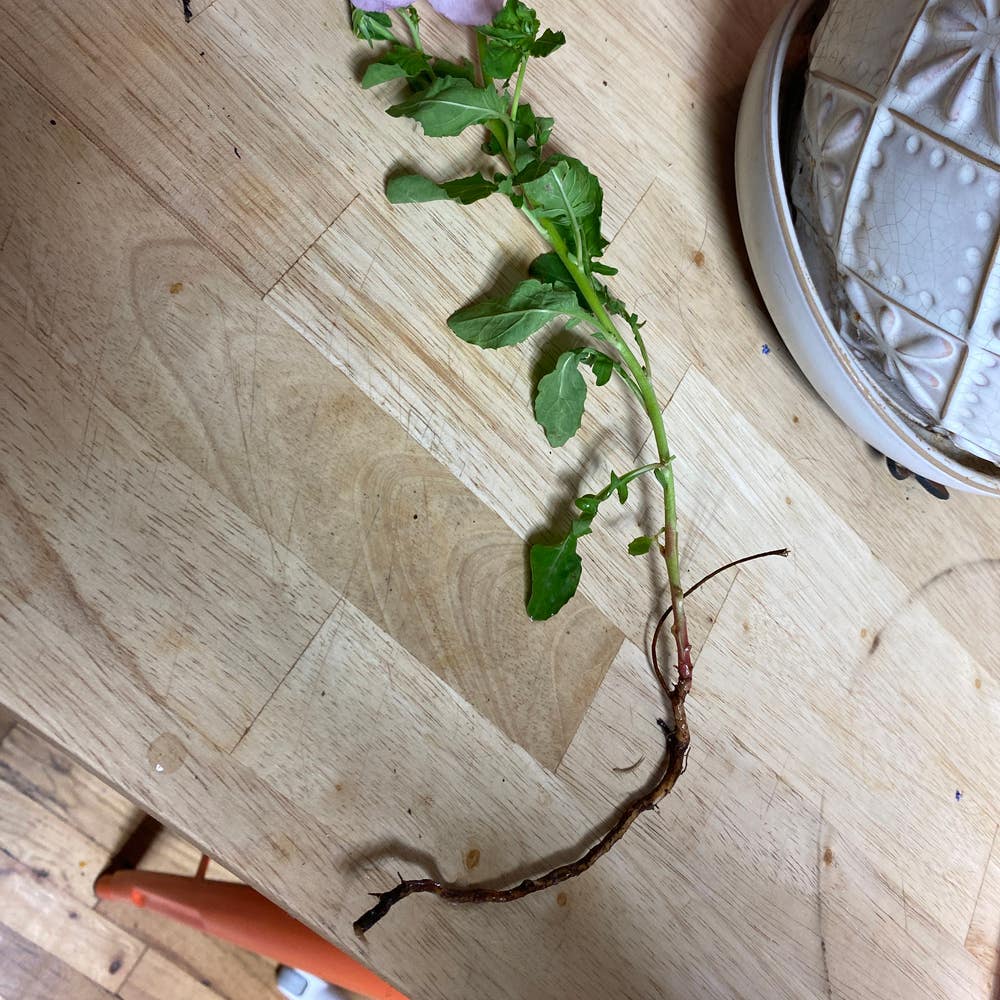
Oenothera avita features a deep taproot system that allows it to access moisture and nutrients from deeper soil layers. These roots can reach depths of 2 to 3 feet, providing stability and resilience against drought.
Common Root-Related Issues ⚠️
One common issue is root rot, which occurs due to overwatering. To prevent this, ensure your plant has good drainage to keep the roots healthy.
Another concern is becoming rootbound, especially in container gardens. Regularly check for circling roots and consider repotting if necessary.
Visual Cues for Healthy vs. Unhealthy Roots 👀
Healthy roots are firm, white, and spread out, indicating a thriving plant. In contrast, unhealthy roots appear dark, mushy, or foul-smelling, signaling potential problems that need addressing.
Understanding these root characteristics and issues is crucial for maintaining the health of your Oenothera avita. With proper care, you can enjoy its vibrant blooms and benefits for years to come.
Next, let’s explore the benefits of this remarkable plant and why it deserves a spot in your garden.
Benefits
🌟 Top 5 Benefits of Oenothera avita
Oenothera avita, commonly known as evening primrose, offers a variety of benefits that make it a fantastic addition to any garden. Here are the top five reasons to consider this vibrant plant.
1. Attracts Beneficial Nocturnal Pollinators
One of the standout features of Oenothera avita is its ability to attract nocturnal pollinators like moths. These pollinators play a crucial role in maintaining a healthy ecosystem, making your garden a haven for wildlife.
2. Drought-Tolerant
This plant thrives in low-water conditions, making it an excellent choice for drought-prone areas. Its resilience means you can enjoy beautiful blooms without the constant worry of watering.
3. Edible Flowers and Leaves
Not only is Oenothera avita visually appealing, but its flowers and leaves are also edible. They can add a unique touch to salads or be used as a garnish, enhancing your culinary creations.
4. Potential Medicinal Properties
Traditionally, evening primrose has been used for various ailments, showcasing its potential medicinal benefits. While more research is needed, many people appreciate its historical uses for skin and hormonal issues.
5. Enhances Garden Diversity
With its vibrant blooms, Oenothera avita adds color and diversity to your garden. This plant not only beautifies your space but also contributes to a more balanced ecosystem.
Incorporating Oenothera avita into your garden can lead to a thriving environment filled with life and color. Next, let’s explore how to propagate this versatile plant for even more gardening success.
Companion Plants
🌱 Companion Planting Benefits
Companion planting is a fantastic way to enhance your garden's diversity and health. By strategically placing plants together, you can improve pest management and promote growth.
🌼 Best Companion Plants
Here are some excellent companions for Oenothera avita:
Lavender
Lavender not only attracts beneficial pollinators but also helps repel pests. Its fragrant blooms add beauty and aroma to your garden.
Yarrow
Yarrow is a powerhouse for soil health, improving nutrient availability. It also attracts beneficial insects, making it a great ally in your garden.
Coreopsis
With similar care needs to Oenothera avita, Coreopsis offers vibrant blooms and visual appeal. This pairing can create a stunning display while ensuring both plants thrive.
🚫 Plants to Avoid
Be cautious with heavy feeders like tomatoes. They may compete for nutrients, potentially stunting the growth of your Oenothera avita.
By choosing the right companions, you can create a thriving ecosystem in your garden. Next, let’s explore the fascinating topic of toxicity to humans, dogs, and cats.
Toxicity to Humans
Safety Overview 🛡️
Oenothera avita is not listed as toxic by major poison control centers. This means it’s generally safe for handling and consumption in small amounts.
Potential Minor Issues ⚠️
While the plant is mostly harmless, some individuals may experience mild skin irritation or digestive discomfort if they consume large quantities. Always exercise caution with any plant and seek medical advice if you notice any unusual symptoms.
This knowledge can help you enjoy the benefits of Oenothera avita without unnecessary worry. Now that you’re informed about its safety, let’s explore how to care for this vibrant plant effectively.
Toxicity to Dogs
Safety Overview 🐶
Oenothera avita is not considered toxic to dogs, according to major pet poison control centers. This means your furry friends can safely roam around your garden without the risk of serious health issues.
Potential Minor Issues ⚠️
While generally safe, excessive consumption of the plant may lead to mild gastrointestinal upset in dogs. To ensure a smooth introduction to your home, it's wise to place the plant out of reach and keep an eye on your dog's behavior around it.
By being mindful, you can enjoy the beauty of Oenothera avita while keeping your pets safe and happy. Next, let’s explore how this plant interacts with our feline friends.
Toxicity to Cats
Safety Overview 🐱
Oenothera avita is not toxic according to major pet poison control centers. This means it's generally safe for cats, posing no significant health risks.
Potential Minor Issues ⚠️
While it's safe, excessive consumption may lead to mild gastrointestinal upset. To ensure a harmonious home, place the plant out of reach and keep an eye on your feline friends' behavior around it.
By taking these simple precautions, you can enjoy the beauty of Oenothera avita without worrying about your cat's safety. Now that you know about its safety, let’s explore common problems that may arise when growing this plant.
Problems
Common Problems Faced 🌱
Growing Oenothera avita can be rewarding, but it’s not without its challenges. Understanding these common problems can help you maintain a healthy plant.
Incorrect Watering 🚰
Watering is crucial for plant health. Overwatering can lead to yellowing leaves, while underwatering causes wilting.
Incorrect Light Conditions 💡
Light plays a significant role in growth. Insufficient light can result in leggy growth, making your plant look weak and stretched.
Diseases 🦠
Oenothera avita can fall victim to various diseases. Watch out for powdery mildew, rust, and blight, which can compromise plant health.
Root Problems 🌿
Root health is essential for overall vitality. Root rot often occurs from poor drainage, leading to serious issues if not addressed.
Leaf Issues 🍃
Leaf problems can signal underlying issues. Scorching may occur from too much sun, while yellowing can indicate nutrient deficiency.
By keeping an eye on these potential problems, you can ensure your Oenothera avita thrives. Next, let’s explore the pests that might disrupt your garden’s harmony.
Bugs
Potential Pest Issues 🐛
Oenothera avita is generally pest-resistant, making it a resilient choice for your garden. However, it can still fall prey to specific pests that may require your attention.
Identification and Treatment of Specific Pests 🔍
Spider Mites: Look for fine webbing on the leaves, which indicates their presence. Treat infestations with insecticidal soap to eliminate these tiny nuisances.
Aphids: These pests leave a sticky residue on your plants, signaling their presence. Control aphids effectively using neem oil, which disrupts their life cycle.
Mealybugs: Identified by their cotton-like masses on stems and leaves, mealybugs can be a hassle. Remove them by dabbing with alcohol-soaked cotton swabs to keep your plants healthy.
By staying vigilant and addressing these potential pest issues promptly, you can ensure your Oenothera avita thrives beautifully in your garden. Next, let’s explore what animals might pose a threat to your plants and how to deter them effectively.
What Eats
🦌 Common Animals That May Damage
When growing Oenothera avita, be aware of the common culprits that might munch on your plants.
- Deer: Look for signs like chewed leaves and broken stems, which indicate these graceful grazers have visited your garden.
- Rabbits: If you notice clipped stems and missing foliage, rabbits might be the ones enjoying a snack.
- Squirrels: These little acrobats can cause damage to flowers and seed heads, leaving your plants looking a bit worse for wear.
🚫 Deterrent Methods
To protect your Oenothera avita from these hungry visitors, consider implementing a few deterrent methods.
- Chemical: Commercial repellents can be effective in keeping deer and rabbits at bay.
- Organic: Planting deterrent species, like marigolds, can help, along with using physical barriers to shield your plants from unwanted nibblers.
By taking these steps, you can enjoy the beauty of your Oenothera avita without the worry of it becoming a buffet for local wildlife. Now, let’s explore how to keep your plants thriving despite potential pest issues.
⚠️ Safety First
This content is for general information and may contain errors, omissions, or outdated details. It is not medical, veterinary advice, or an endorsement of therapeutic claims.
Always consult a qualified healthcare professional before using any plant as food, medicine, or supplement.
Never eat any plant (or feed one to pets) without confirming its identity with at least two trusted sources.
If you suspect poisoning, call Poison Control (800) 222-1222, the Pet Poison Helpline (800) 213-6680, or your local emergency service immediately.
Spotted an error? Please report it here.
Unlock a blooming garden 🌼 with Oenothera avita by using Greg's tailored watering and care reminders to ensure your evening primrose flourishes in its perfect environment!