What You Should Know About Oenothera abramsii
Oenothera abramsii
By the Greg Editorial Team
Feb 28, 2025•9 min read
This article was created with the help of AI so we can cover more plants for you. May contain errors. See one? Report it here.
- 🌞 Oenothera abramsii thrives in full sun, needing 6-8 hours of sunlight daily.
- 🌱 Plant in well-draining soil with a pH of 6.0 to 7.5 for best growth.
- 🐝 Attracts nocturnal pollinators, enhancing biodiversity and beauty in your garden.
How to Grow
Choosing a Location 🌞
To thrive, Oenothera abramsii needs full sun, soaking up 6 to 8 hours of sunlight daily. Ensure you provide adequate spacing to promote air circulation and healthy growth.
Soil Preparation 🏜️
This plant prefers well-draining soil, ideally sandy or rocky. Aim for a soil pH between 6.0 and 7.5 for optimal health.
Planting Techniques 🌱
When planting seeds, bury them about 1/4 inch deep. For transplants, aim for a depth of 2 to 3 inches, spacing them 12 to 18 inches apart for the best results.
Watering Requirements 🚰
Water your Oenothera abramsii when the top inch of soil feels dry. Deep watering is essential to encourage robust root development.
Fertilizing 🍽️
Use a balanced fertilizer, such as NPK 10-10-10, to nourish your plants. Fertilize in early spring and again in mid-summer to support growth.
Pruning and Ongoing Care ✂️
Regular deadheading is crucial; removing spent flowers encourages more blooms. Keep an eye out for pests and diseases to maintain plant health.
With these growing tips, you can cultivate a vibrant display of Oenothera abramsii in your garden. Next, let’s explore how to propagate this beautiful plant effectively.
Propagation
🌱 Seed Propagation
To propagate Oenothera abramsii from seeds, sow them in spring after the last frost. Under optimal conditions, expect germination within 14 to 30 days.
✂️ Division of Established Plants
Dividing established plants is best done in early spring or fall. Carefully separate the roots and replant them in well-draining soil to ensure healthy growth.
This propagation method not only helps in expanding your garden but also rejuvenates older plants, keeping them vibrant and productive. By understanding these techniques, you can enjoy a flourishing display of Oenothera abramsii in your landscape.
Next, let’s explore the lifecycle of this fascinating plant and how it develops over time.
Lifecycle
Lifecycle Stages 🌱
Oenothera abramsii goes through several distinct stages in its lifecycle. These include seed germination, the seedling stage, vegetative growth, flowering, and seed production.
Typically, this plant has a lifespan of about 2-3 years, making it a relatively short-lived perennial. Understanding these stages can help you appreciate its growth and flowering patterns.
Growth Rate 📈
The growth rate of Oenothera abramsii is moderate, which means you won't see instant results. Flowers usually start to appear in the second year, rewarding your patience with vibrant blooms.
This gradual growth allows the plant to establish a strong foundation, ensuring it thrives in your garden. Keep an eye on it, and you'll witness the beauty of its lifecycle unfold.
Size
Mature Dimensions 🌱
Oenothera abramsii typically reaches a mature height of 1 to 3 feet, making it a versatile addition to various garden settings. Its spread ranges from 1 to 2 feet wide, allowing it to fit comfortably among other plants without overwhelming them.
Growth Rate and Size Variability 📏
This plant exhibits a moderate growth rate, with flowers generally appearing in the second year. However, its size can vary significantly based on environmental factors such as soil quality, light exposure, and water availability, making it adaptable to different garden conditions.
Understanding these dimensions and growth characteristics can help you plan your garden layout effectively. With the right care, Oenothera abramsii can thrive and add beauty to your outdoor space.
Roots
Root System Characteristics 🌱
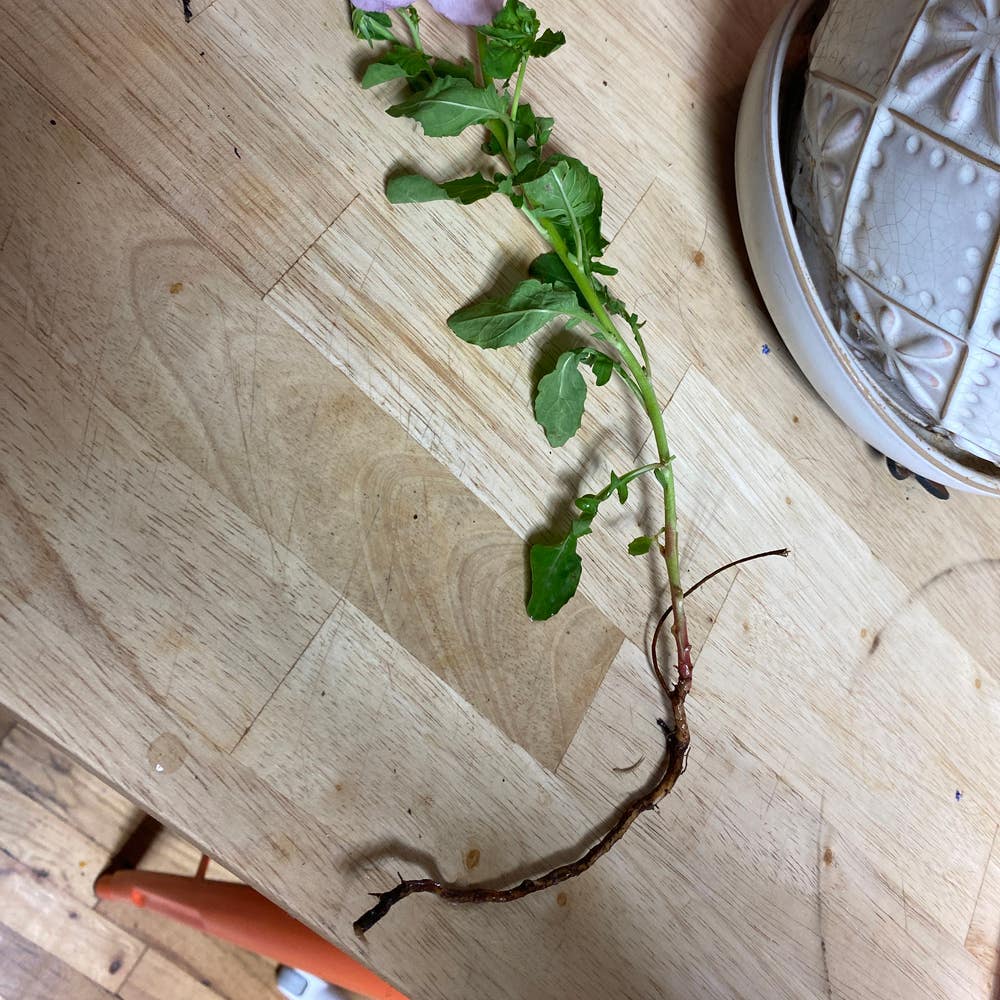
Oenothera abramsii features a fibrous root system that helps anchor the plant securely in the soil. Typically, these roots extend 12-18 inches deep, allowing the plant to access moisture and nutrients effectively.
Common Root-Related Issues ⚠️
One common issue is root rot, which occurs due to overwatering. Symptoms include wilting and yellowing leaves, signaling that the roots are struggling to breathe.
Another problem is becoming rootbound, where the roots grow too tightly in their container. Signs of this include stunted growth and roots circling around the pot.
Solutions for Root Problems 🛠️
To prevent root rot, ensure your plant has proper drainage and avoid overwatering. Monitoring soil moisture levels can help maintain a healthy balance.
If you notice your plant is rootbound, consider repotting it into a larger container. This gives the roots more space to grow and thrive, promoting overall plant health.
With the right care, your Oenothera abramsii can flourish, showcasing its vibrant blooms and contributing to your garden's beauty. Next, let’s explore the benefits this plant brings to your garden.
Benefits
Top Benefits of Oenothera abramsii 🌼
Oenothera abramsii, commonly known as evening primrose, offers a variety of benefits that make it a fantastic addition to any garden.
Attracts Pollinators
One of the standout features of this plant is its ability to attract nocturnal pollinators like moths and bats. These creatures play a vital role in the ecosystem, helping to pollinate not just evening primrose but many other plants as well.
Visual Appeal
With its bright yellow flowers, Oenothera abramsii adds a splash of color and visual interest to gardens. These blooms not only brighten up your space but also create a stunning contrast against green foliage.
Low Maintenance
Once established, this plant is remarkably low maintenance and drought-tolerant. It thrives with minimal care, making it perfect for busy gardeners or those looking to reduce their water usage.
Traditional Medicine
Historically, evening primrose has been used in traditional medicine for various ailments. Its oil is often extracted for use in supplements, believed to support skin health and hormonal balance.
Anti-Inflammatory Properties
Research suggests that Oenothera abramsii may possess anti-inflammatory properties. This makes it a potential ally for those seeking natural remedies for inflammation-related issues.
In summary, Oenothera abramsii is not just a pretty face in the garden; it’s a hardworking plant that supports biodiversity, offers aesthetic value, and has potential health benefits. Next, let’s explore how to propagate this resilient plant effectively.
Companion Plants
🌱 Companion Planting
Companion planting is a fantastic way to enhance your garden's diversity and improve pest management. By strategically placing plants together, you can create a thriving ecosystem that benefits all species involved.
🌼 Best Companion Plants
When it comes to Oenothera abramsii, consider these excellent companions:
- Lavender: This fragrant herb not only attracts pollinators but also repels pests, making it a perfect partner.
- Salvia: With similar care needs, Salvia attracts beneficial insects that can help keep pests at bay.
🚫 Plants to Avoid
While companion planting can be beneficial, it's essential to avoid heavy feeders near Oenothera abramsii. These plants require more nutrients, which can compete with your evening primrose for essential resources, potentially stunting its growth.
By choosing the right companions, you can create a harmonious garden environment that supports the health and beauty of your Oenothera abramsii. Next, let’s explore the plant's toxicity to humans, dogs, and cats to ensure a safe gardening experience.
Toxicity to Humans
Safety Overview 🌿
Oenothera abramsii is generally considered safe and is not listed as toxic by major poison control centers. However, like many plants, it can cause mild skin irritation or digestive discomfort if consumed in large quantities.
Caution ⚠️
Always exercise caution with any plant. If you experience unusual symptoms after contact or consumption, it's wise to seek medical advice.
Toxicity to Dogs
Safety Overview 🐶
Oenothera abramsii is not listed as toxic by major pet poison control centers. This means your furry friends can enjoy the garden without significant risk.
Potential Minor Issues 🤢
While generally safe, excessive consumption may lead to mild gastrointestinal upset. It's always a good idea to monitor your dog's behavior after they've been near the plant.
Tips for Dog Owners 🐾
To keep your curious pups safe, consider keeping Oenothera abramsii out of their reach. Regularly check your garden to ensure they aren't nibbling on anything they shouldn't.
With a little caution, you can enjoy the beauty of this plant while keeping your canine companions happy and healthy.
Toxicity to Cats
Safety Overview 🐱
Oenothera abramsii is not listed as toxic by major pet poison control centers. This means your feline friends can safely roam around it without the risk of serious harm.
Potential Minor Issues 🤢
However, if consumed in large quantities, it may cause mild gastrointestinal upset. Symptoms could include slight stomach discomfort or vomiting.
Tips for Cat Owners 🛡️
To keep your curious cats safe, ensure the plant is out of their reach. Regularly monitor their behavior around the plant to catch any unusual signs early on.
With a little caution, you can enjoy the beauty of Oenothera abramsii in your garden without worrying about your furry companions.
Problems
🌱 Common Problems Faced
Growing Oenothera abramsii can be rewarding, but it comes with its share of challenges. Understanding these common problems can help you maintain a healthy plant.
💧 Incorrect Watering
Watering is crucial for plant health. Overwatering can lead to root rot, while underwatering causes wilting and stress.
☀️ Incorrect Light Conditions
Light is another vital factor. Insufficient sunlight can result in leggy growth, making the plant weak and less vibrant.
🦠 Diseases
Fungal diseases can plague your Oenothera abramsii. Watch out for powdery mildew and rust, which can spread quickly if not addressed.
🍃 Leaf Issues
Leaf problems can signal underlying issues. Scorching from excessive sun exposure or yellowing from nutrient deficiencies can affect overall plant health.
By staying vigilant and addressing these common problems, you can ensure your Oenothera abramsii thrives in your garden. Next, let's explore the potential pest issues that could affect your plant.
Bugs
Potential Pest Issues 🐛
Oenothera abramsii is generally known for its moderate pest resistance. However, it can still fall victim to specific pests that may threaten its health.
Identification and Damage 🔍
Spider mites are a common issue, identifiable by fine webbing and stippled leaves. Aphids can also be problematic, leaving behind a sticky residue and causing leaves to curl.
Treatment Options 🧴
For effective pest control, consider using neem oil or insecticidal soap. These treatments are gentle yet effective, helping to keep your plants healthy.
Encouraging beneficial insects like ladybugs can also be a game-changer. These natural predators will help keep pest populations in check, promoting a balanced garden ecosystem.
As you care for your Oenothera abramsii, stay vigilant for these pests. Early detection and treatment can make all the difference in maintaining a thriving plant.
What Eats
🦌 Common Animals
Oenothera abramsii, while beautiful, can attract a few hungry visitors. Deer, rabbits, and squirrels are known to munch on its leaves and stems, potentially causing significant damage if left unchecked.
🔍 Signs of Damage
Keep an eye out for signs of these critters. Browsing on leaves and stems, along with tracks and droppings, can indicate that your garden is being visited by these hungry animals.
🚫 Deterrent Methods
To protect your plants, consider implementing some deterrent methods.
- Fencing: Installing barriers can effectively keep larger animals like deer at bay.
- Natural Repellents: Spraying garlic or pepper solutions can deter smaller pests, making your garden less appealing to them.
By taking these steps, you can help ensure that your Oenothera abramsii thrives without unwanted nibbling.
⚠️ Safety First
This content is for general information and may contain errors, omissions, or outdated details. It is not medical, veterinary advice, or an endorsement of therapeutic claims.
Always consult a qualified healthcare professional before using any plant as food, medicine, or supplement.
Never eat any plant (or feed one to pets) without confirming its identity with at least two trusted sources.
If you suspect poisoning, call Poison Control (800) 222-1222, the Pet Poison Helpline (800) 213-6680, or your local emergency service immediately.
Spotted an error? Please report it here.
Nurture your Oenothera abramsii to bloom brilliantly 🌼 with Greg's tailored care reminders and expert community support, ensuring your evening primrose flourishes in your garden!