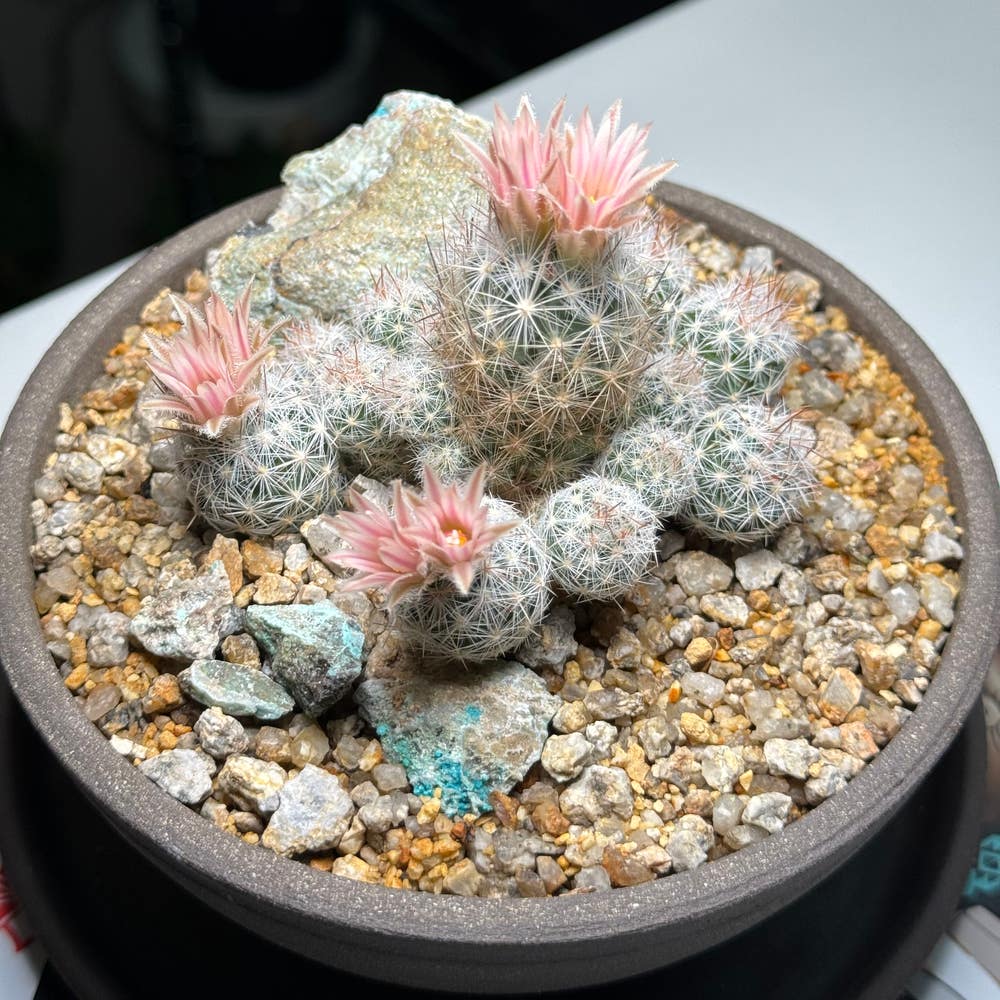
🌵 Navajo Missouri Foxtail Cactus Explained: Key Information
Escobaria missouriensis subsp. navajoensis 'Album'
By the Greg Editorial Team
Feb 18, 2025•13 min read
This article was created with the help of AI so we can cover more plants for you. May contain errors. See one? Report it here.
- 🌞 Navajo Missouri Foxtail Cactus needs 6-8 hours of sunlight for optimal growth.
- 💧 Water only when soil is dry to prevent root rot and ensure health.
- 🌱 Low maintenance and drought-resistant, perfect for busy gardeners seeking unique plants.
How to Grow
Choosing a Location 🌞
The Navajo Missouri Foxtail Cactus thrives in full sun, requiring 6 to 8 hours of direct sunlight daily. When deciding between outdoor and indoor placement, consider the light availability and temperature stability of each environment.
Soil Preparation 🏜️
For optimal growth, use a well-draining cactus mix or sandy soil. Aim for a soil pH between 6.0 and 7.0, which is slightly acidic to neutral.
Planting Techniques 🌱
When planting, ensure the top of the root ball is level with the soil surface. If you're planting multiple cacti, maintain adequate spacing to allow for air circulation and growth.
Watering Guidelines 🚰
Water your cactus only when the soil has completely dried out. Be vigilant for signs of overwatering, such as yellowing or mushy stems, and underwatering, which may cause shriveling.
Fertilizing Needs 🍽️
During the growing season in spring and summer, use a diluted cactus fertilizer. Opt for balanced NPK or low-nitrogen options to support healthy growth without overwhelming the plant.
Pruning and Ongoing Care ✂️
Regularly prune your cactus by removing any dead or damaged spines. This not only promotes health but also encourages new growth, keeping your plant vibrant.
Outdoor vs. Container Growing 🏡
Outdoor plants generally require less frequent watering compared to container plants, which may dry out faster. When choosing a container, ensure it has adequate drainage and is appropriately sized for your cactus's growth.
With these guidelines, your Navajo Missouri Foxtail Cactus will flourish, bringing unique beauty to your space. Next, let’s explore the fascinating methods of propagation for this resilient plant.
Propagation
🌱 Methods of Propagation
Propagation of the Navajo Missouri Foxtail Cactus can be achieved through two primary methods: seed propagation and cutting propagation. Each method has its own unique steps and optimal conditions for success.
Seed Propagation
To start with seed propagation, follow these simple steps:
- Sow Seeds: Fill a shallow tray with a well-draining cactus mix. Scatter the seeds evenly across the surface.
- Cover Lightly: Lightly cover the seeds with a thin layer of soil, ensuring they are not buried too deep.
- Water Gently: Mist the soil with water to moisten it without washing away the seeds.
- Create Humidity: Cover the tray with plastic wrap or a humidity dome to maintain moisture.
- Provide Warmth: Place the tray in a warm location with indirect sunlight, ideally between 70-80°F (21-27°C).
For optimal germination, keep the soil consistently moist but not soggy. Germination typically takes 2-4 weeks under these conditions.
Cutting Propagation
Cutting propagation is another effective way to grow new plants. Here’s how to do it:
- Select a Healthy Stem: Choose a healthy stem from an existing cactus, ideally one that is mature and free from disease.
- Make the Cut: Using a clean, sharp knife, cut a segment of the stem about 3-4 inches long.
- Let it Callous: Place the cutting in a dry, warm area for a few days to allow the cut end to callous over. This helps prevent rot when planted.
- Plant the Cutting: Once calloused, plant the cutting in a well-draining cactus mix, burying it about an inch deep.
- Water Sparingly: Water lightly after planting and then wait a week before watering again to encourage root growth.
For rooting success, maintain a warm environment and avoid direct sunlight initially. This method can yield new plants in a few weeks, depending on conditions.
🌵 Conclusion
Both seed and cutting propagation methods are rewarding ways to expand your collection of Navajo Missouri Foxtail Cacti. With the right care and conditions, you can enjoy watching these unique plants thrive and grow. Next, let’s explore the lifecycle of this fascinating cactus, including its growth stages and lifespan.
Lifecycle
Overview of Life Cycle Stages 🌱
The Navajo Missouri Foxtail Cactus is a perennial plant, meaning it lives for multiple years. This longevity allows it to thrive in various environments, adapting to conditions over time.
Germination and Seedling Stage 🌼
Germination typically takes 2-4 weeks under optimal conditions. Providing warmth and moisture during this stage is crucial for successful seedling development.
Vegetative Growth and Flowering 🌸
After germination, the cactus enters a vegetative growth phase, reaching maturity in about 2-3 years. During this time, it may produce seasonal blooms, which are influenced by environmental conditions like light and temperature.
Seed Production and Lifespan 🌿
Under ideal conditions, the lifespan of the Navajo Missouri Foxtail Cactus ranges from 10 to 20 years. This resilience allows it to produce seeds that can ensure the continuation of its lineage.
Growth Timeline ⏳
Growth rates can vary, but generally, this cactus grows slowly to moderately. Factors such as light exposure, soil quality, and watering practices significantly influence its growth rate, making care essential for optimal development.
As we explore the lifecycle of this fascinating cactus, understanding its growth stages can help you nurture it effectively. Next, we'll delve into the size characteristics of the Navajo Missouri Foxtail Cactus.
Size
Mature Height and Spread 🌱
The Navajo Missouri Foxtail Cactus typically reaches a mature height of 12 to 24 inches. Its spread ranges from 6 to 12 inches, making it a compact yet striking addition to any garden or indoor space.
Growth Rate and Size Variability ⏳
This cactus has a slow to moderate growth rate, which means patience is key for gardeners. Size can vary significantly based on environmental conditions, so optimal care can lead to impressive specimens.
Factors Affecting Size 📏
Several factors influence the overall size of your cactus. Light exposure, soil quality, and watering practices all play crucial roles in determining how robust your plant will grow.
Understanding these aspects can help you cultivate a thriving cactus that not only looks great but also flourishes in its environment. As you continue to care for your Navajo Missouri Foxtail Cactus, you'll see how these elements come together to create a beautiful, healthy plant.
Next, let’s explore the roots of this fascinating cactus and how they contribute to its overall health and growth.
Roots
Characteristics of the Root System 🌱
The Navajo Missouri Foxtail Cactus features a unique root system composed of fibrous roots complemented by a central taproot. This structure allows the plant to efficiently absorb water and nutrients from the soil.
Root Depth and Spread 📏
Typically, the roots extend 6 to 12 inches deep, anchoring the plant securely. As the cactus grows, the spread of its roots correlates with its size, ensuring stability and access to resources.
Common Root-Related Issues ⚠️
Root rot is a common concern for cactus enthusiasts. It often arises from overwatering, leading to mushy roots that can signal trouble.
To identify healthy roots, look for firm, white or light tan coloration. Unhealthy roots, on the other hand, may appear dark and feel soft to the touch.
Recognizing Rootbound Plants and Solutions 🔄
A rootbound plant has roots that circle the pot, indicating it's time for a repotting. Signs of rootbound plants include stunted growth and roots emerging from drainage holes.
When you notice these signs, it's essential to repot into a larger container with fresh soil. This will give your cactus the space it needs to thrive and grow.
With proper care, your Navajo Missouri Foxtail Cactus can flourish, showcasing its beauty for years to come. Next, let’s explore the benefits of this remarkable plant.
Benefits
Top 5 Benefits 🌟
The Navajo Missouri Foxtail Cactus offers a range of advantages that make it a fantastic addition to any garden or home.
1. Low Maintenance and Drought-Resistant
This cactus thrives on neglect, requiring minimal care. Its drought-resistant nature means it can survive long periods without water, making it perfect for busy gardeners.
2. Unique Aesthetic Appeal
With its striking appearance, the Navajo Missouri Foxtail Cactus adds a touch of the exotic to both indoor and outdoor spaces. Its unique form and texture can enhance any decor, making it a conversation starter.
3. Cultural Significance
This cactus holds cultural importance, particularly in Native American traditions. Incorporating it into your space can foster a deeper appreciation for these rich histories.
4. Air Purification Properties
Like many plants, the Navajo Missouri Foxtail Cactus contributes to air purification. It helps filter toxins, promoting a healthier living environment.
5. Attracts Pollinators
During its flowering period, this cactus becomes a magnet for pollinators. Bees and butterflies are drawn to its blooms, supporting local ecosystems and enhancing biodiversity.
Incorporating the Navajo Missouri Foxtail Cactus into your space not only beautifies it but also aligns with sustainable practices. Next, let’s explore how to propagate this resilient plant for even more growth opportunities.
Companion Plants
🌱 Concept of Companion Planting
Companion planting is a gardening strategy that enhances plant growth and health through strategic pairings. It promotes pest management and increases garden diversity, creating a more resilient ecosystem.
🌼 Best Companion Plants
When selecting companion plants for your Navajo Missouri Foxtail Cactus, consider these compatible options:
- Other Cacti: They thrive in similar conditions and can create a stunning display.
- Succulents: Varieties like Echeveria or Sedum complement the cactus's needs for light and drainage.
- Drought-Tolerant Species: Plants such as lavender or rosemary can coexist well, sharing similar water requirements.
🚫 Plants to Avoid
Certain plants can hinder the growth of your cactus or introduce pests. Avoid:
- Heavy Feeders: Plants that require a lot of nutrients can compete with your cactus for resources.
- Moisture-Loving Plants: Species like ferns or certain annuals may retain too much moisture, risking root rot for your cactus.
- Pest-Prone Plants: Avoid plants that attract pests, as they can spread infestations to your cactus.
By carefully selecting companion plants, you can create a thriving garden that supports the health and beauty of your Navajo Missouri Foxtail Cactus. This thoughtful approach not only enhances aesthetics but also fosters a more sustainable gardening environment.
Toxicity to Humans
🛡️ Safety for Humans
The Navajo Missouri Foxtail Cactus is not considered toxic by major poison control centers. This means you can enjoy its unique beauty without worrying about severe health risks.
However, minor issues can arise from contact or ingestion. Skin irritation or mild gastrointestinal discomfort may occur if the cactus spines or sap come into contact with skin or are ingested.
⚠️ Recommendations for Caution
While the cactus is generally safe, it's wise to handle it with care. Always wear gloves when pruning or repotting to avoid any prickly encounters.
If you have children or pets, educate them about the cactus's spines. This simple precaution can help prevent any accidental injuries while still allowing everyone to appreciate this stunning plant.
In summary, the Navajo Missouri Foxtail Cactus is a safe choice for your home or garden, but a little caution goes a long way in ensuring a positive experience.
Toxicity to Dogs
Safety for Dogs 🐶
The Navajo Missouri Foxtail Cactus is not listed as toxic by major pet poison control centers. This means your furry friends can safely coexist with this unique plant.
However, minor issues may arise if a dog consumes parts of the cactus. While it's generally safe, ingestion could lead to mild gastrointestinal upset.
Tips for Introducing the Cactus to Homes with Dogs 🏡
To ensure a harmonious environment, consider the following tips:
Placement: Position the cactus out of reach of curious paws. High shelves or hanging planters can be great options.
Training: Teach your dog to avoid the cactus. Positive reinforcement can help them learn boundaries.
Monitoring: Keep an eye on your dog’s behavior around the cactus, especially during initial introductions.
By taking these precautions, you can enjoy the beauty of the Navajo Missouri Foxtail Cactus while keeping your canine companions safe.
Next, let’s explore how this cactus interacts with our feline friends.
Toxicity to Cats
🐱 Safety for Cats
The Navajo Missouri Foxtail Cactus is not listed as toxic by major pet poison control centers. This means that while your feline friend can safely coexist with this plant, there may still be minor issues if they nibble on it.
⚠️ Potential Minor Issues
If ingested, cats might experience mild gastrointestinal upset. It's always wise to monitor your cat for any unusual behavior after they've had a taste.
🏡 Tips for Introducing the Cactus to Homes with Cats
To ensure a harmonious environment, place the cactus in an area that's out of reach for your cat. Consider using hanging planters or high shelves to keep your plant safe while still enjoying its unique beauty.
Additionally, providing your cat with plenty of engaging toys can help divert their attention away from the cactus. Keeping your home cat-friendly while showcasing your cactus can be a rewarding balance!
Problems
🌵 Common Problems with Navajo Missouri Foxtail Cactus
Growing a Navajo Missouri Foxtail Cactus can be rewarding, but it’s essential to recognize potential problems that may arise. Here are some common issues to watch for:
💧 Incorrect Watering
Watering is crucial for cactus health. Overwatering can lead to yellowing or mushy stems, while underwatering may cause shriveling or browning.
☀️ Incorrect Light Conditions
Light is vital for growth. Insufficient light can result in elongated, weak stems and a lack of vibrant color.
🌡️ Incorrect Temperature
Temperature extremes can stress the plant. Too much heat may cause wilting, while cold drafts can lead to stunted growth or even death.
🦠 Diseases
Fungal diseases, such as powdery mildew, can affect your cactus. Look for white, powdery spots on the surface, which indicate a need for immediate action.
🌱 Root Problems
Healthy roots are essential for a thriving cactus. Signs of root rot include a foul smell and squishy roots, indicating overwatering or poor drainage.
Recognizing these issues early can help you maintain a healthy and vibrant cactus. If you notice any of these signs, take action promptly to ensure your plant thrives.
Bugs
🐜 Potential Pest Issues
While the Navajo Missouri Foxtail Cactus is generally resilient, it can still fall prey to pests. Understanding its susceptibility helps in maintaining a healthy plant.
🔍 Identification and Damage
Common pests that may target your cactus include:
- Spider Mites: These tiny pests create fine webbing and cause yellowing leaves.
- Mealybugs: Look for white, cottony masses on the cactus, which can lead to stunted growth.
- Aphids: These small, green insects cluster on new growth, sucking sap and causing distortion.
Identifying these pests early is crucial to prevent significant damage.
🛠️ Effective Treatment Options
To combat these pests effectively, consider the following treatments:
- Spider Mites: Use insecticidal soap or neem oil to eliminate them.
- Mealybugs: Dab them with a cotton swab soaked in alcohol to remove them manually.
- Aphids: Spray with a strong jet of water or apply insecticidal soap to control their population.
Regular monitoring and prompt action will keep your cactus thriving and pest-free.
What Eats
Common Animals 🦌
Navajo Missouri Foxtail Cactus can attract a variety of hungry critters. Common culprits include deer, rabbits, and squirrels, all of which may find this succulent irresistible.
Signs of Animal Presence and Damage 🐾
Identifying damage from these animals is crucial for protecting your cactus. Look for signs like chewed spines, missing segments, or droppings nearby, which indicate that your plant has become a snack.
Deterrent Methods 🚫
To keep these pests at bay, consider both chemical and organic control methods. Chemical repellents can be effective, but for a more natural approach, try using cayenne pepper or garlic spray to deter animals without harming them.
⚠️ Safety First
This content is for general information and may contain errors, omissions, or outdated details. It is not medical, veterinary advice, or an endorsement of therapeutic claims.
Always consult a qualified healthcare professional before using any plant as food, medicine, or supplement.
Never eat any plant (or feed one to pets) without confirming its identity with at least two trusted sources.
If you suspect poisoning, call Poison Control (800) 222-1222, the Pet Poison Helpline (800) 213-6680, or your local emergency service immediately.
Spotted an error? Please report it here.
Keep your Navajo Missouri Foxtail Cactus thriving in the sun ☀️ with Greg's tailored watering alerts and expert care tips that make cactus care a breeze!