🌵 Musch's Sulcorebutia: A Comprehensive Overview
Rebutia glomeriseta
By the Greg Editorial Team
Feb 02, 2025•10 min read
This article was created with the help of AI so we can cover more plants for you. May contain errors. See one? Report it here.
Elevate your garden with the stunning Musch's Sulcorebutia cactus, a resilient beauty that thrives effortlessly! 🌱
- 🌞 Musch's Sulcorebutia needs 6-8 hours of sunlight daily for optimal growth.
- 🌡️ Ideal temperature range for this cactus is 20°C to 30°C (68°F to 86°F).
- 🌱 Use well-draining soil with pH 6.0-7.0 to prevent root rot.
How to Grow
Choosing the Right Location 🌞
To ensure your Musch's Sulcorebutia thrives, place it in a spot with full sun exposure for 6 to 8 hours daily. This cactus loves warmth, so aim for temperatures between 20°C to 30°C (68°F to 86°F) for optimal growth.
Soil Preparation 🌱
A well-draining cactus mix is crucial for your plant's health. The ideal pH level for the soil should be slightly acidic to neutral, ranging from 6.0 to 7.0.
Planting Techniques 🌵
When planting, make sure the crown of the cactus is above soil level. Space your plants 6 to 12 inches apart to allow for proper air circulation, which is essential for their growth.
Watering Schedule 💧
Water your Musch's Sulcorebutia when the top inch of soil feels dry. Use the soak and dry method to prevent root rot, ensuring the roots get the moisture they need without sitting in water.
Fertilizing 🌼
For fertilization, opt for a balanced cactus fertilizer with an NPK ratio of 10-10-10. Apply it every 4 to 6 weeks during the growing season to keep your cactus healthy and vibrant.
With these tips, you'll be well on your way to cultivating a thriving Musch's Sulcorebutia. Next, let's explore the fascinating world of propagation techniques to expand your cactus collection!
Propagation
🌱 Seed Propagation
To start growing Musch's Sulcorebutia from seeds, sow them in a well-draining mix. Keep the soil moist but not soggy for optimal germination.
The ideal temperature for germination is between 20°C to 25°C (68°F to 77°F). This warm environment encourages healthy seedling development.
✂️ Offsets and Cuttings
Another effective propagation method involves taking offsets. Gently twist off the pups from the base of the parent plant to avoid damage.
When planting cuttings, allow them to callous for 1-2 days before placing them in soil. This step helps prevent rot and promotes successful rooting.
With these propagation techniques, you can expand your collection of Musch's Sulcorebutia and enjoy their unique beauty in your garden. Next, let's explore the lifecycle of this fascinating plant.
Lifecycle
Stages of Growth 🌱
Musch's Sulcorebutia has a fascinating lifecycle that starts with germination. Under optimal conditions, seeds typically germinate within 2-4 weeks.
Once germinated, these plants take their time to mature, usually taking about 2-3 years before they begin to flower. This slow growth is part of their charm, as they develop into stunning specimens over time.
Lifespan and Growth Rate ⏳
With proper care, Musch's Sulcorebutia can live for an impressive 10-20 years. Their average growth rate is slow to moderate, influenced by factors like light, water, and soil quality.
Understanding these stages helps you appreciate the patience required in cultivating these unique cacti. As you nurture them, you'll witness their gradual transformation into beautiful, flowering plants.
This journey of growth not only enriches your gardening experience but also deepens your connection with nature. Now that you know about their lifecycle, let's explore how to grow them successfully!
Size
Mature Dimensions 🌵
Musch's Sulcorebutia reaches a mature height of 4-6 inches (10-15 cm) and can spread 6-12 inches (15-30 cm) wide. This compact size makes it an excellent choice for small gardens or indoor spaces.
Growth Rate and Size Variability 📈
Several factors influence the growth rate of this cactus, including light exposure, watering habits, and soil quality. Under ideal conditions, you can expect it to reach its full size in about 3-5 years, making it a rewarding addition to your collection.
Understanding these dimensions and growth factors can help you provide the best care for your Musch's Sulcorebutia. With the right attention, this charming cactus will thrive and bring joy to your space.
Roots
Characteristics of the Root System 🌱
Musch's Sulcorebutia features a fibrous root system that is essential for its growth. These roots are shallow yet extensive, allowing the plant to efficiently absorb water from the soil.
Common Root-Related Issues ⚠️
One of the most common problems faced by this cactus is root rot, which occurs due to overwatering. Symptoms include mushy roots that can lead to the plant's decline if not addressed promptly.
Another issue is becoming rootbound, where the roots circle around the pot, stunting growth. Signs of this condition include a lack of new growth and roots visibly pushing through drainage holes.
Identifying Healthy vs. Unhealthy Roots 🔍
Healthy roots are firm and exhibit a white or light tan color, indicating vitality. In contrast, unhealthy roots appear dark, mushy, or may emit a foul smell, signaling that the plant needs immediate care.
Understanding these root characteristics and issues is crucial for maintaining the health of your Musch's Sulcorebutia. With proper attention, you can ensure your cactus thrives and flourishes.
Next, we will explore the benefits of growing Musch's Sulcorebutia, highlighting why this unique plant deserves a spot in your collection.
Benefits
Top 5 Benefits 🌟
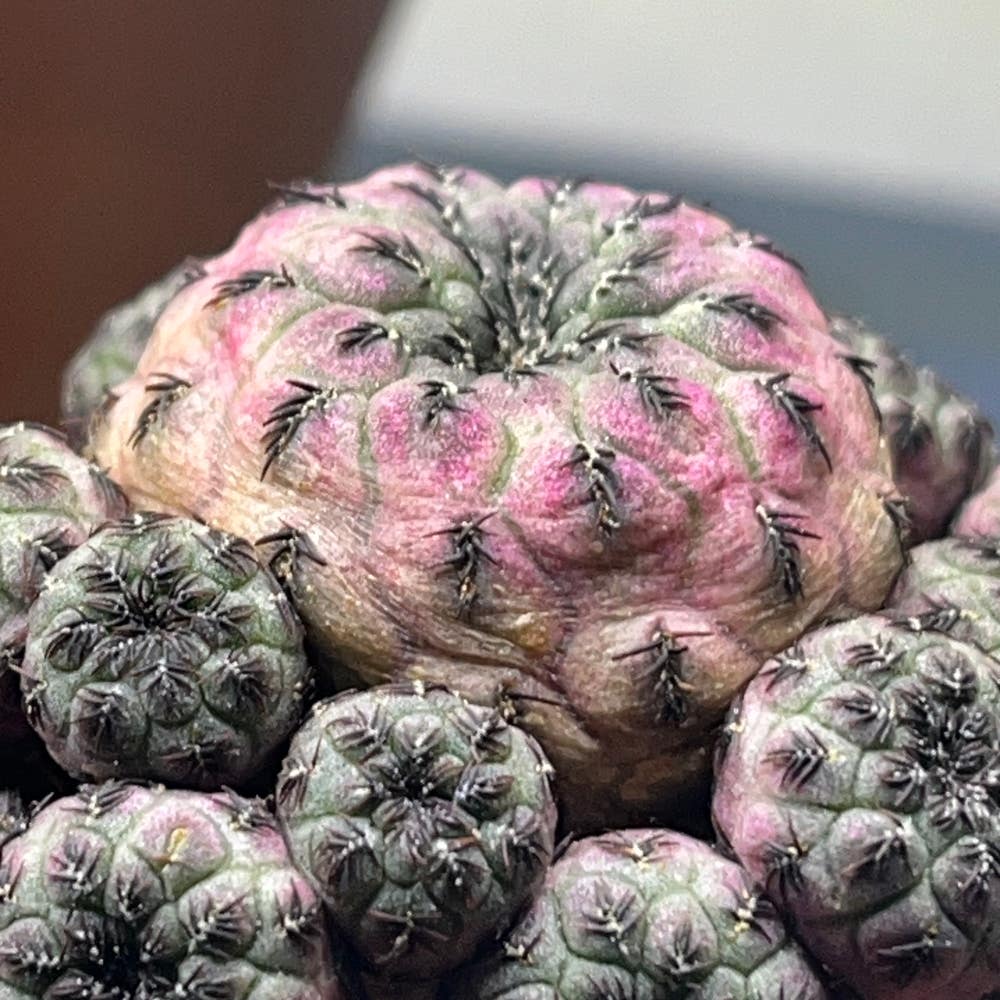
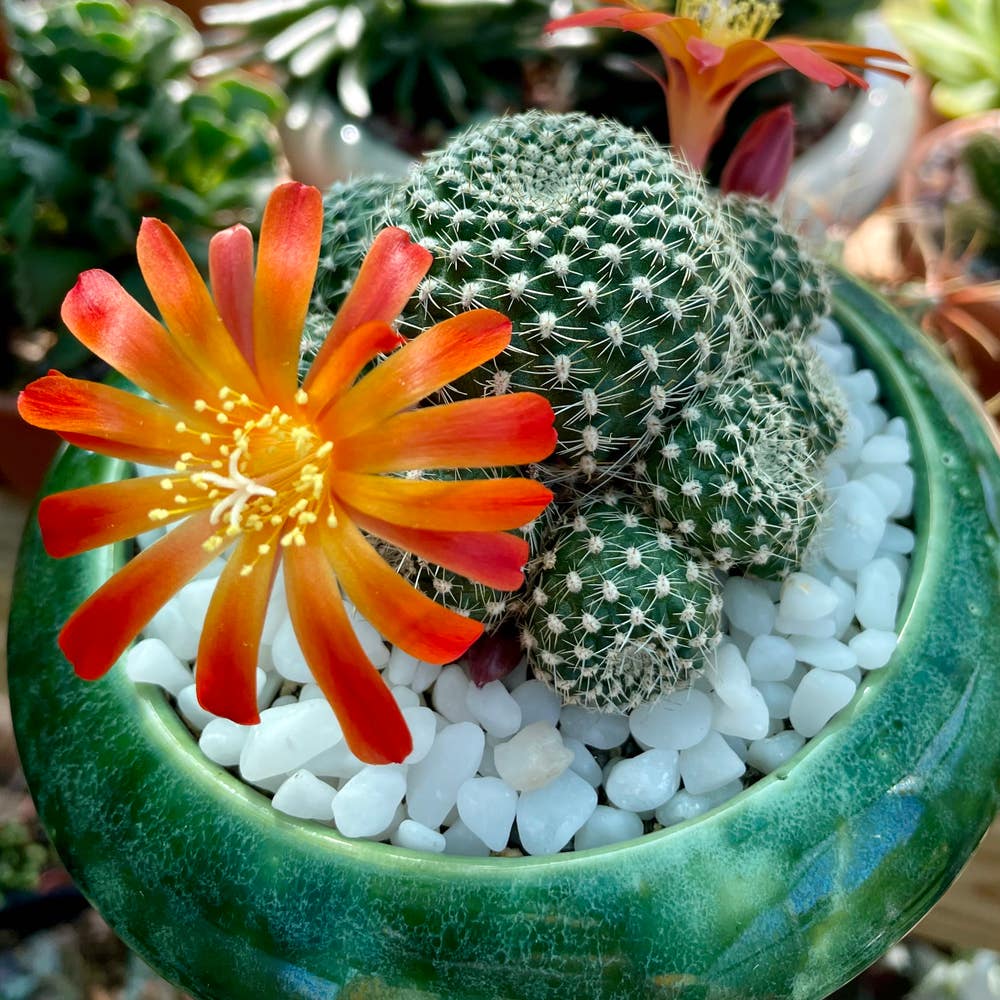
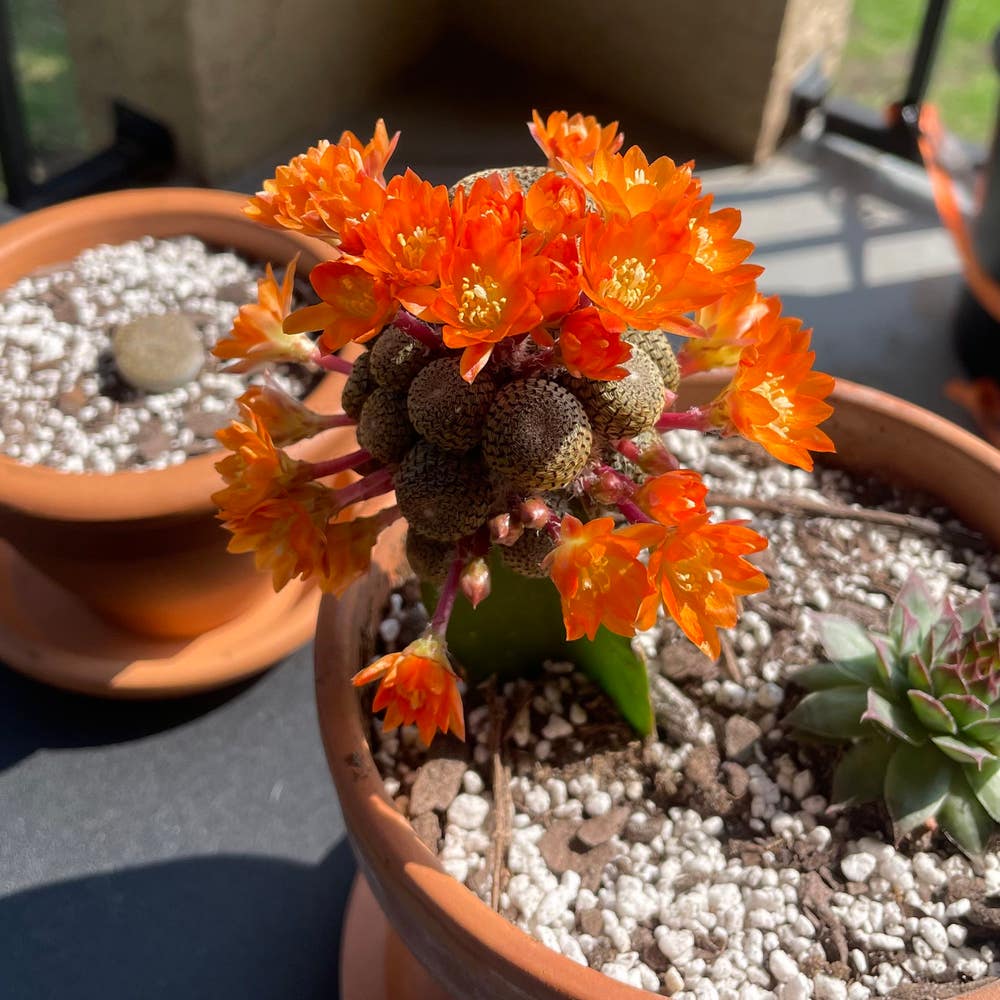
Musch's Sulcorebutia is not just another cactus; it boasts a unique appearance with its small, globular shape and vibrant flowers. This striking visual appeal makes it a standout in any garden or indoor space.
Caring for this plant is a breeze. It's drought-resistant and hardy, requiring minimal attention, which is perfect for busy plant lovers or beginners.
One of its remarkable features is its ability to store water, making it an ideal choice for arid environments. This adaptation allows it to thrive even in challenging conditions.
Culturally, Musch's Sulcorebutia represents endurance and strength, symbolizing resilience in various traditions. This adds a layer of meaning to its presence in your home or garden.
Lastly, this cactus attracts pollinators, supporting local ecosystems. By adding Musch's Sulcorebutia to your collection, you contribute to the health of your environment while enjoying its beauty.
With these benefits, it's clear why Musch's Sulcorebutia is a fantastic choice for both novice and experienced gardeners alike. Up next, we'll explore the best companion plants to pair with this stunning cactus.
Companion Plants
Best Companions 🌵
When it comes to pairing Musch's Sulcorebutia with other plants, think cacti, succulents, and drought-tolerant varieties. These companions thrive under similar conditions, ensuring a harmonious garden environment.
Plants to Avoid 🚫
On the flip side, steer clear of overly moist-loving plants. They can compete for resources and create an unhealthy environment for your Sulcorebutia, leading to potential issues like root rot.
Choosing the right companions not only enhances the aesthetic appeal of your garden but also supports the health of your plants. With the right mix, you can create a thriving ecosystem that showcases the unique beauty of Musch's Sulcorebutia.
Ready to explore propagation techniques next? Let's dive into how to grow more of these stunning cacti!
Toxicity to Humans
🛡️ Safety Overview
Musch's Sulcorebutia is not listed as toxic, making it safe for handling and even ingestion in small amounts. However, it's wise to be cautious, as the plant's spines can cause minor skin irritation.
⚠️ Recommendations for Caution
If you experience any unusual symptoms after contact, it's best to seek medical advice. Always handle the plant with care to avoid any discomfort from its spines.
This unique cactus can be a delightful addition to your collection, but understanding its safety is key to enjoying it fully. Now that we've covered human toxicity, let's explore how this plant interacts with our furry friends!
Toxicity to Dogs
Safety Overview 🐶
Musch's Sulcorebutia is not listed as toxic to dogs, making it a safe choice for pet owners. However, if consumed in large quantities, it may cause mild gastrointestinal upset.
Tips for Introducing the Plant 🌵
When introducing this cactus to your home, consider its placement carefully. Monitor your dog's behavior around the plant to ensure they don't show excessive interest or curiosity.
Toxicity to Cats
Safety Overview 🐱
Musch's Sulcorebutia is not listed as toxic to cats, making it a safe choice for pet owners. However, if your feline friend consumes large quantities, they may experience mild gastrointestinal upset.
Tips for Introducing the Plant 🌵
When introducing this cactus to your home, consider its placement carefully. Keep it out of reach of curious paws while ensuring it gets the light it needs.
Monitor your cat's behavior around the plant to ensure they don't nibble on it excessively. With proper care, you can enjoy the beauty of Musch's Sulcorebutia without worry.
As you explore the joys of growing this unique cactus, remember that it can coexist peacefully with your furry companions. Transitioning to the next topic, let's delve into the potential problems that may arise when caring for your Sulcorebutia.
Problems
Common Problems 🌱
Growing Musch's Sulcorebutia can be rewarding, but it's not without its challenges. Here are some common problems you might encounter.
Overwatering 🚰
Overwatering is a frequent issue that can lead to serious consequences. Symptoms include yellowing leaves and mushy stems, indicating that the roots are drowning.
Incorrect Light Conditions ☀️
Light conditions play a crucial role in the health of your cactus. If your plant is not getting enough light, it may exhibit etiolation, where it stretches out in search of sunlight. Conversely, too much direct sunlight can cause scorching, leading to unsightly brown patches.
Diseases 🦠
Fungal diseases can also plague your Sulcorebutia. Powdery mildew is a common culprit, often appearing as a white, powdery substance on the plant. Root problems can arise from poor drainage or overwatering, leading to further complications.
Leaf Issues 🍃
Leaf health is a good indicator of your plant's overall condition. Yellowing leaves or fuzzy growth can signal stress, often due to environmental factors or improper care.
By keeping an eye on these issues, you can ensure your Musch's Sulcorebutia thrives. Next, let’s explore the common pests that might invade your cactus garden.
Bugs
Common Pests 🐜
Musch's Sulcorebutia can attract a few unwelcome guests.
Spider mites are notorious for their webbing and stippled leaves, which can indicate a serious infestation.
Mealybugs present themselves as cotton-like masses on the stems and leaves, making them easy to spot but difficult to eradicate.
Treatment Options 🧪
Fortunately, there are effective organic methods to combat these pests.
Using neem oil is a popular choice; it disrupts the life cycle of pests without harming your plant.
Insecticidal soap is another great option, effectively suffocating pests while being gentle on your cactus.
By keeping an eye out for these common bugs and treating them promptly, you can ensure your Musch's Sulcorebutia remains healthy and vibrant.
Next, let’s explore what animals might be tempted to nibble on your beloved cactus.
What Eats
Common Animals 🦌
Musch's Sulcorebutia can attract a few hungry visitors.
Deer are known to browse on the plant, leaving behind telltale signs of nibbling.
Rabbits also enjoy a snack, often seen nibbling on the lower parts of the cactus.
Deterrent Methods 🚫
To protect your precious plant, consider various deterrent methods.
Chemical repellents can be effective, but many gardeners prefer organic options for a safer approach.
Physical barriers, like fencing or netting, can also keep these critters at bay, ensuring your Sulcorebutia thrives without unwanted munching.
With the right precautions, you can enjoy your cactus without the worry of it becoming a meal for local wildlife.
Next, let’s explore the common problems that can affect your Musch's Sulcorebutia.
⚠️ Safety First
This content is for general information and may contain errors, omissions, or outdated details. It is not medical, veterinary advice, or an endorsement of therapeutic claims.
Always consult a qualified healthcare professional before using any plant as food, medicine, or supplement.
Never eat any plant (or feed one to pets) without confirming its identity with at least two trusted sources.
If you suspect poisoning, call Poison Control (800) 222-1222, the Pet Poison Helpline (800) 213-6680, or your local emergency service immediately.
Spotted an error? Please report it here.
Ensure your Musch's Sulcorebutia thrives in the sun ☀️ with Greg's custom watering alerts and expert care tips tailored just for your cactus!