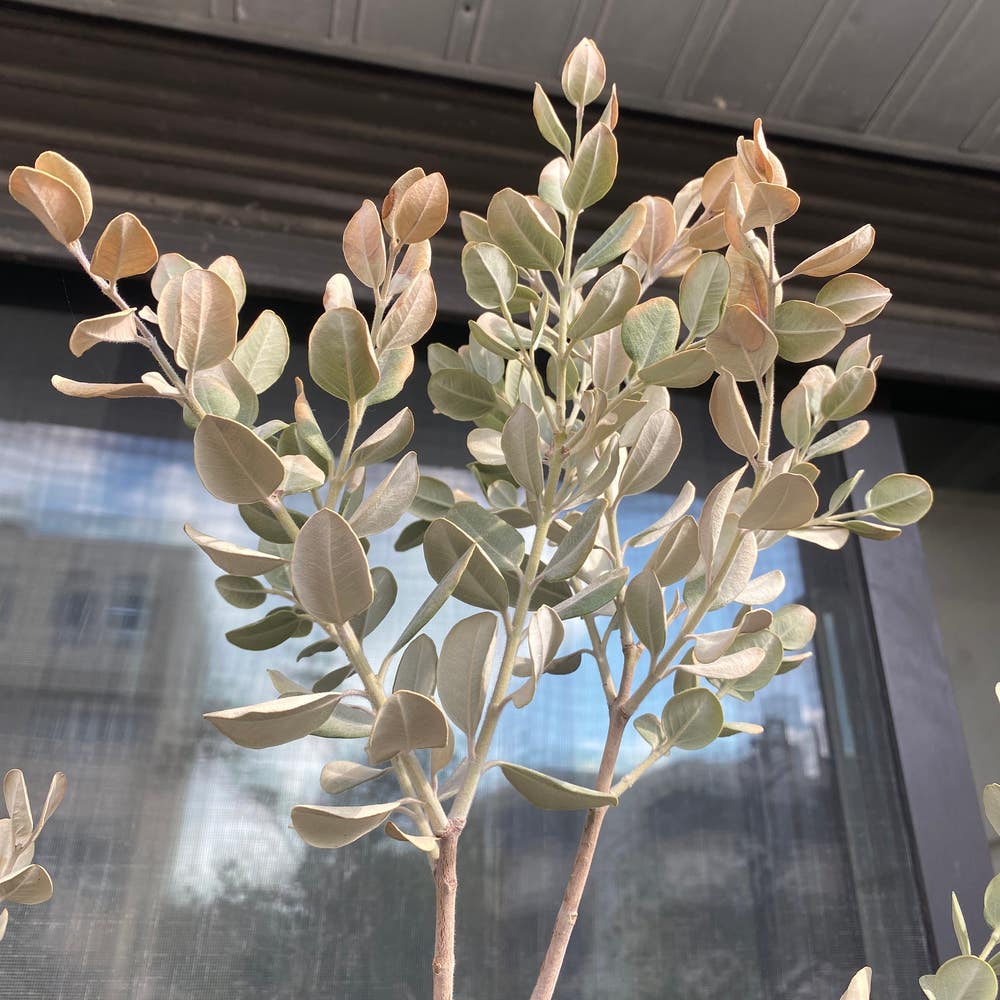
Ultimate Guide to Mistral Metrosideros
Metrosideros subtomentosa 'Mistral'
By the Greg Editorial Team
Feb 10, 2025•12 min read
This article was created with the help of AI so we can cover more plants for you. May contain errors. See one? Report it here.
Discover how to cultivate the stunning Mistral Metrosideros 🌺 and transform your garden into a vibrant oasis! 🌱
- 🌞 Mistral Metrosideros needs 6-8 hours of sunlight daily for optimal growth.
- 🌱 Use well-draining soil with pH 6.0-7.0 for best results.
- 💧 Water deeply but infrequently to prevent disease and promote healthy roots.
How to Grow
Choosing a Location 🌞
Mistral Metrosideros thrives in full sun, requiring 6 to 8 hours of direct sunlight daily. When selecting a spot, ensure there's enough space for the plant's mature spread and good air circulation to promote healthy growth.
Soil Preparation 🏞️
For optimal growth, use well-draining sandy or loamy soil. Aim for a pH level between 6.0 and 7.0, which is slightly acidic to neutral, to create the best environment for your plant.
Planting Techniques 🌱
When planting, ensure the Mistral Metrosideros is set at the same depth as it was in its nursery container. For hedges, space plants 3 to 5 feet apart; for specimen plants, allow 6 to 10 feet for adequate growth.
Watering Requirements 💧
Water your Mistral Metrosideros deeply but infrequently, allowing the soil to dry out between watering sessions. Drip irrigation or soaker hoses are preferred methods, as they help avoid wetting the foliage, which can lead to disease.
Fertilizing Schedule 🌿
Use a balanced NPK fertilizer, such as 10-10-10, to nourish your plant. Fertilize in early spring and again in mid-summer to support healthy growth throughout the growing season.
Pruning Practices ✂️
Prune your Mistral Metrosideros in late winter or early spring, just before new growth begins. Focus on removing dead or damaged branches and shaping the plant to maintain its desired form.
Ongoing Care 🔍
Regularly monitor your plant's health by checking for pests and diseases. Adjust your watering and fertilization practices seasonally to accommodate the plant's growth stages and environmental conditions.
With these guidelines, you'll be well on your way to cultivating a thriving Mistral Metrosideros. Next, let’s explore the fascinating world of propagation techniques to expand your garden even further!
Propagation
🌱 Seed Propagation
To propagate Mistral Metrosideros from seeds, start by soaking the seeds for 24 hours before planting. This simple step helps kickstart the germination process, which typically takes 2-4 weeks in a warm, moist environment.
✂️ Cutting Propagation
Another effective method is cutting propagation. Take 4-6 inch cuttings from healthy stems, ideally in spring or early summer, and consider using rooting hormone to enhance your success rate.
With these techniques, you can easily expand your Mistral Metrosideros collection and enjoy the beauty of this resilient plant in various areas of your garden.
Ready to learn more about the lifecycle of Mistral Metrosideros? Let's dive into its fascinating stages next!
Lifecycle
🌱 Lifecycle Stages
The lifecycle of Mistral Metrosideros consists of several key stages: seed or cutting, seedling, vegetative growth, flowering, and seed production. Each stage plays a crucial role in the plant's development and overall health.
⏳ Germination Process and Timeline
Germination typically takes 2-4 weeks under optimal conditions. Providing warmth and moisture is essential for successful seed sprouting.
🌿 Seedling Stage Characteristics
During the seedling stage, the plant develops true leaves and establishes its root system. This foundation is vital for future growth and resilience.
🌳 Vegetative Growth Phase
The vegetative growth phase usually lasts 1-2 years before the plant begins to flower. During this time, it focuses on building strength and size.
🌸 Flowering and Seed Production
Flowering generally occurs in late spring to early summer. This is when the plant showcases its vibrant blooms and begins the process of seed production.
📅 Lifespan and Growth Rate
Mistral Metrosideros can live for 10-20 years in optimal conditions. It has a moderate growth rate, reaching maturity in about 3-5 years, making it a rewarding addition to any garden.
Understanding the lifecycle of Mistral Metrosideros helps gardeners provide the right care at each stage, ensuring healthy growth and beautiful blooms. Next, we’ll explore how to effectively manage the size of this remarkable plant.
Size
Mature Height and Spread 🌳
Mistral Metrosideros typically reaches a height of 6 to 10 feet, making it a striking addition to any garden. Its spread ranges from 4 to 8 feet wide, allowing for ample room to showcase its vibrant foliage and flowers.
Growth Rate and Factors Affecting Size 📈
This plant exhibits a moderate growth rate, which can be influenced by several factors. Key elements include soil quality, sunlight exposure, and water availability, all of which play a crucial role in determining how robust your Mistral Metrosideros will become.
Size Variability Based on Growing Conditions 🌱
The size of Mistral Metrosideros can vary significantly depending on its growing conditions. Plants in optimal conditions, such as well-draining soil and adequate sunlight, tend to grow larger compared to those in containers or less favorable environments.
Understanding these size dynamics can help you plan your garden layout effectively. By providing the right conditions, you can ensure your Mistral Metrosideros thrives and reaches its full potential.
As we explore the next section, let’s dive into the fascinating root system characteristics that support this beautiful plant.
Roots
Root System Characteristics 🌱
Mistral Metrosideros features a fibrous root system that typically extends 1-2 feet deep. This structure allows the plant to absorb nutrients effectively while providing stability.
Common Root-Related Issues 🚫
Root rot is a common problem caused by overwatering. To prevent this, ensure your plant has good drainage.
Rootbound conditions occur when roots circle the pot, indicating it's time to repot. Recognizing this early can save your plant from stress.
Visual Cues for Healthy vs. Unhealthy Roots 👀
Healthy roots are firm, white, and spread out, indicating a thriving plant. In contrast, unhealthy roots appear dark, mushy, or foul-smelling, signaling potential issues.
Tips for Managing Root Problems 🛠️
Regularly check root health during repotting to catch problems early. Using well-draining soil is essential to prevent root issues and promote robust growth.
Understanding these root characteristics and challenges will help you maintain a healthy Mistral Metrosideros. Next, let’s explore the numerous benefits this plant brings to your garden.
Benefits
🌺 Ornamental Appeal
Mistral Metrosideros boasts vibrant flowers that can truly enhance your garden's aesthetics. Their striking colors and unique shapes make them a standout choice for any landscape.
🌊 Salt Tolerance
This plant is particularly well-suited for coastal gardens and urban environments. Its ability to withstand salty conditions makes it a resilient option for challenging growing areas.
🐝 Wildlife Attraction
Mistral Metrosideros provides essential habitat and food for pollinators. By planting this species, you contribute to the local ecosystem and support biodiversity.
🌱 Erosion Control
The dense foliage of Mistral Metrosideros plays a vital role in stabilizing soil. This makes it an excellent choice for areas prone to erosion, helping to maintain the integrity of your landscape.
🌍 Cultural Significance
Beyond its physical beauty, Mistral Metrosideros represents resilience and beauty in native landscapes. Its presence can evoke a sense of connection to the natural world and cultural heritage.
These benefits make Mistral Metrosideros not just a plant, but a valuable addition to your garden. Next, let’s explore the concept of companion planting and how it can enhance your gardening experience.
Companion Plants
🌱 Explanation of Companion Planting Benefits
Companion planting is a fantastic way to enhance garden diversity. It promotes healthy ecosystems by creating a balanced environment where plants can thrive together.
🌼 List of Compatible Companion Plants
When growing Mistral Metrosideros, consider these compatible companions:
- Native Grasses: These not only complement the aesthetic but also provide essential habitat for local wildlife.
- Flowering Perennials: They attract pollinators, adding vibrant color and life to your garden.
🚫 Plants to Avoid Planting Near
Be cautious about planting near heavy feeders. These plants compete for nutrients and water, potentially stunting the growth of your Mistral Metrosideros.
By choosing the right companions, you can create a thriving garden that benefits both your plants and the local ecosystem. Next, let’s explore the potential toxicity of Mistral Metrosideros to humans and pets.
Toxicity to Humans
Safety Overview Regarding Human Contact 🌱
Mistral Metrosideros is generally considered safe for humans. Major poison control centers do not list it as toxic, making it a great choice for gardens without the worry of harmful effects.
Potential Minor Issues from Excessive Contact or Ingestion ⚠️
While it's not toxic, excessive contact or ingestion can lead to minor issues. You might experience slight skin irritation or digestive discomfort if consumed in large quantities, so it's wise to exercise caution and seek medical advice if any unusual symptoms arise.
This plant can be a beautiful addition to your garden, allowing you to enjoy its vibrant presence without significant health concerns. Now that you know about its safety, let’s explore how to care for it effectively!
Toxicity to Dogs
Safety Overview Regarding Dogs 🐶
Mistral Metrosideros is safe for dogs, as confirmed by veterinary organizations. You can enjoy this beautiful plant without worrying about your furry friends.
Potential Minor Issues from Excessive Consumption 🤢
While not toxic, consuming large amounts may lead to mild gastrointestinal upset in dogs. It's always best to keep an eye on their behavior after they’ve been around the plant.
Tips for Introducing to a Home with Dogs 🏡
To ensure a harmonious environment, place the Mistral Metrosideros out of reach of your dogs. Regularly monitor their interactions with the plant to prevent any potential nibbling.
As you create a pet-friendly garden, consider the placement of your plants carefully. This will help maintain a safe and enjoyable space for both your plants and your pets.
Toxicity to Cats
🐱 Safety Overview Regarding Cats
Mistral Metrosideros is considered safe for cats, according to pet poison control centers. You can enjoy this beautiful plant without worrying about your feline friends.
🚫 Potential Minor Issues from Excessive Consumption
While not toxic, excessive consumption may lead to mild gastrointestinal upset in cats. It's always best to keep an eye on their behavior if they nibble on the leaves.
🏡 Tips for Introducing to a Home with Cats
When introducing Mistral Metrosideros to your home, proper placement is key. Monitor your cat's behavior around the new plant to ensure they don’t develop a habit of munching on it.
With these precautions, you can enjoy the vibrant beauty of Mistral Metrosideros while keeping your cats safe and sound. Now, let’s explore the potential problems you might encounter when growing this stunning plant.
Problems
🌱 Common Problems Faced When Growing
Growing Mistral Metrosideros can be rewarding, but it comes with its share of challenges.
- Incorrect watering can lead to wilting or yellowing leaves, signaling distress.
- Incorrect light conditions may cause leaf scorch or leggy growth, indicating the plant isn't getting what it needs.
- Diseases like powdery mildew or rust can affect overall health, making vigilance essential.
- Root problems such as root rot or squishy roots often stem from overwatering.
- Leaf issues including scorching, yellowing, or fuzzy growth can indicate various underlying problems.
🔍 Identification and Resolution of Top 5 Issues
Identifying and resolving these issues is key to maintaining a healthy plant.
Overwatering: Look for soggy soil as a telltale sign. Adjust your watering schedule to allow the soil to dry out between sessions.
Underwatering: Signs include wilting leaves. Remedy this by increasing your watering frequency to keep the soil adequately moist.
Light issues: If your plant is struggling, it might not be getting enough light. Adjust its location to ensure it receives optimal sunlight.
Fungal diseases: Treat these with fungicides and improve air circulation around the plant to prevent recurrence.
Growth problems: Assess environmental conditions regularly. Adjust care practices based on your observations to promote healthy growth.
By staying alert to these common problems and their solutions, you can help your Mistral Metrosideros thrive and flourish in your garden. Next, let’s explore the potential pest issues that could impact your plant's health.
Bugs
🐜 Potential Pest Issues
Mistral Metrosideros is generally known for its moderate pest resistance. However, it can still fall prey to a few common pests that may affect its health and appearance.
🔍 Identification and Treatment Options for Relevant Pests
Spider Mites
Look for fine webbing on leaves, which is a telltale sign of spider mites. Treat these pests effectively with insecticidal soap to eliminate them.
Scale Insects
If you notice sticky residue and yellowing leaves, scale insects might be the culprit. You can remove them manually or apply horticultural oil for effective control.
Mealybugs
These pests appear as cotton-like clusters on stems. A simple treatment involves using alcohol-soaked cotton swabs to wipe them away.
Aphids
Aphids are small green insects that can quickly multiply. Control them using neem oil or insecticidal soap to keep your Mistral Metrosideros thriving.
By staying vigilant and addressing these pest issues promptly, you can ensure your Mistral Metrosideros remains healthy and vibrant. Next, let’s explore the common animals that may pose a threat to your plant.
What Eats
🦌 Common Animals That May Damage
Mistral Metrosideros can attract a variety of hungry critters. Deer are notorious for leaving chewed leaves and broken branches in their wake, while rabbits often nibble on the lower foliage.
Squirrels can also be a problem, causing bark damage and missing flower buds. Keeping an eye out for these animals is crucial to protect your plants.
🕵️♂️ Signs of Animal Presence and Damage
Identifying animal damage is key to taking action. Look for chewed leaves, droppings, and tracks around your Mistral Metrosideros.
These signs can help you determine which animals are causing the trouble, allowing you to address the issue effectively.
🚫 Deterrent Methods for Managing Animal Interactions
Preventing animal damage requires a mix of strategies. Chemical repellents, such as commercial deer and rabbit deterrents, can be effective in keeping these pests at bay.
Alternatively, consider organic methods like planting strong-smelling herbs or using physical barriers to protect your plants. These approaches can help maintain the beauty and health of your Mistral Metrosideros.
With the right precautions, you can enjoy your garden without the worry of unwanted visitors.
⚠️ Safety First
This content is for general information and may contain errors, omissions, or outdated details. It is not medical, veterinary advice, or an endorsement of therapeutic claims.
Always consult a qualified healthcare professional before using any plant as food, medicine, or supplement.
Never eat any plant (or feed one to pets) without confirming its identity with at least two trusted sources.
If you suspect poisoning, call Poison Control (800) 222-1222, the Pet Poison Helpline (800) 213-6680, or your local emergency service immediately.
Spotted an error? Please report it here.
Unlock the secrets to thriving Mistral Metrosideros 🌿 with Greg's tailored care reminders and expert tips, ensuring your plant gets just the right amount of sunlight, water, and nutrients for stunning growth!