Ultimate Guide to Manima Flatsedge
Cyperus manimae
By the Greg Editorial Team
Feb 09, 2025•11 min read
This article was created with the help of AI so we can cover more plants for you. May contain errors. See one? Report it here.
Elevate your garden's beauty 🌱 while supporting local ecosystems with the resilient Manima Flatsedge!
- 🌞💧 Manima Flatsedge thrives in full sun and moist, well-drained soils near water.
- 🌱 Regular pruning and balanced fertilization promote healthy growth and pest resistance.
- 🐾 Non-toxic to pets, but mild skin irritation may occur with excessive contact.
How to Grow
Choosing a Location 🌞
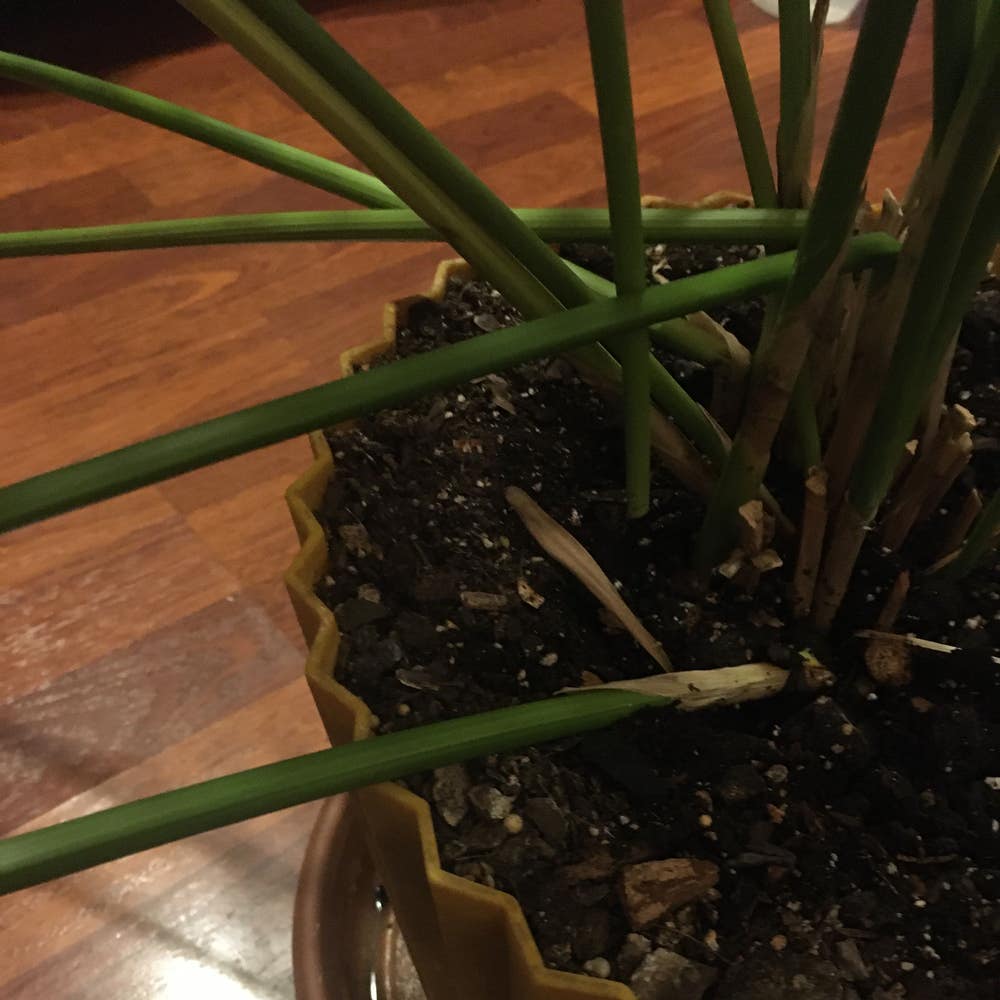
Manima Flatsedge thrives in full sun to partial shade. For optimal growth, select a spot with moist, well-drained soils, ideally near water features.
Soil Preparation 🏞️
This plant is versatile and can adapt to various soil types, but well-draining soil is crucial. Enhance your soil by incorporating organic matter to improve moisture retention.
Planting Techniques 🌱
When planting, ensure you dig a hole that is 1-2 inches deep. Space your plants 12-18 inches apart to allow for healthy growth.
Watering Requirements 🚰
Keep the soil consistently moist, especially during dry spells. Watch for signs of overwatering, such as yellowing leaves and root rot, to maintain plant health.
Fertilizing Schedule 🍽️
Use a balanced NPK fertilizer to nourish your plants. Apply it monthly during the growing season for the best results.
Pruning and Ongoing Care ✂️
Regularly prune away dead or damaged leaves to encourage healthy growth. Additionally, keep an eye out for pests and diseases to ensure your plants remain vibrant.
Outdoor vs. Container Growing 🌍
Outdoor growing is ideal for natural settings with sufficient moisture. If you choose container growing, ensure your pots have drainage holes and use a suitable potting mix to support healthy roots.
With these guidelines, you'll create the perfect environment for your Manima Flatsedge to flourish. Next, let's explore how to propagate this resilient plant effectively.
Propagation
🌱 Seed Propagation
Collecting seeds from Manima Flatsedge is straightforward. Wait until they turn brown, then harvest them for planting.
For sowing, you can either surface sow the seeds or lightly cover them with soil. Under optimal conditions, expect germination within 10-14 days.
✂️ Division Propagation
Timing is key for division propagation. The best periods to separate clumps are in spring or early fall.
To propagate by division, carefully separate the clumps and replant them in prepared soil. This method not only helps in expanding your garden but also promotes healthier growth for the existing plants.
With these propagation techniques, you can easily expand your Manima Flatsedge collection and enjoy its benefits in various settings. Next, let’s explore the lifecycle of this resilient plant.
Lifecycle
Lifecycle Stages 🌱
Manima Flatsedge is a perennial plant, boasting a multi-year lifecycle that allows it to thrive in various environments. Understanding its lifecycle stages is crucial for successful cultivation.
Germination 🌱
Germination occurs under optimal conditions, which include warm temperatures and consistent moisture. This stage is vital for setting the foundation of healthy growth.
Seedling Stage 🌱
Once germinated, the seedling stage lasts about 4-6 weeks. During this time, seedlings develop their first true leaves and prepare for transplanting.
Vegetative Growth 🌱
As temperatures rise, Manima Flatsedge enters a phase of rapid vegetative growth. This stage is characterized by lush foliage and robust root development.
Flowering and Seed Production 🌼
Late summer to early fall marks the flowering and seed production phase. This is when the plant showcases its beauty and contributes to the next generation.
Lifespan ⏳
Typically, Manima Flatsedge reaches maturity within 1-2 years. This lifespan allows for multiple cycles of growth and reproduction, making it a resilient addition to any garden.
Understanding these lifecycle stages helps gardeners provide the right care at each phase, ensuring vibrant growth and successful propagation. Next, we’ll explore the size characteristics of Manima Flatsedge, including its mature height and spread.
Size
Mature Height and Spread 🌱
Manima Flatsedge typically reaches a height of 2 to 3 feet, making it a striking addition to any garden. Its spread ranges from 1 to 2 feet wide, depending on the growing conditions.
Growth Rate and Size Variability 📏
Several factors influence the size of Manima Flatsedge. Soil quality, moisture levels, and sunlight exposure all play crucial roles in determining how robust your plants will grow.
Roots
🌱 Root System Characteristics
Manima Flatsedge boasts a fibrous root system that is essential for its stability and growth. These roots can extend 12-18 inches deep, allowing the plant to access moisture and nutrients effectively.
The roots also spread laterally, which supports the plant's clumping growth habit. This characteristic helps the plant thrive in various environments, particularly near water features.
⚠️ Common Root-Related Issues
One of the most common issues with Manima Flatsedge is root rot, often caused by overwatering. To prevent this, ensure proper drainage in the soil to keep the roots healthy.
Identifying healthy versus unhealthy roots is crucial for plant care. Healthy roots are firm and white, while unhealthy roots appear dark and mushy, indicating potential problems.
Another concern is recognizing rootbound plants. Signs include roots growing out of drainage holes, which suggests the plant needs more space. Solutions include repotting or dividing the plant to encourage healthy growth.
Understanding these root characteristics and issues can significantly enhance your success in growing Manima Flatsedge. With proper care, you can enjoy a flourishing plant that adds beauty to your garden.
Next, let's explore the benefits of incorporating Manima Flatsedge into your landscape.
Benefits
Top 5 Benefits 🌟
Manima Flatsedge offers a range of advantages that make it a valuable addition to any garden or landscape. Here are the top five benefits you can expect:
Erosion Control: This plant plays a crucial role in stabilizing soil, especially in wetland areas. Its robust root system helps prevent soil erosion, making it an excellent choice for water-adjacent locations.
Aesthetic Appeal: With its unique texture and graceful form, Manima Flatsedge adds visual interest to gardens. It can enhance the overall beauty of your landscape, creating a serene and inviting atmosphere.
Wildlife Habitat: By attracting beneficial insects and birds, this plant supports local ecosystems. Its presence can foster biodiversity, making your garden a haven for wildlife.
Water Filtration: Manima Flatsedge contributes to cleaner water by filtering pollutants in water features. This natural filtration process helps maintain healthier aquatic environments.
Versatility: Thriving in various garden settings, this plant adapts well to different conditions. Whether in a wetland garden or a container, it proves to be a resilient and flexible choice.
Incorporating Manima Flatsedge into your landscape not only enhances its beauty but also supports environmental health. As you consider your gardening options, think about how this remarkable plant can fit into your vision.
Next, let’s explore the concept of companion planting and discover which plants thrive alongside Manima Flatsedge.
Companion Plants
Concept of Companion Planting 🌱
Companion planting is a gardening technique that enhances biodiversity and pest management. By selecting the right plants to grow together, you can create a healthier ecosystem in your garden.
Best Companion Plants 🌼
When it comes to Manima Flatsedge, native wetland plants like cattails and rushes make excellent companions. These plants share similar moisture and sunlight requirements, ensuring they thrive together without competing for resources.
Plants to Avoid 🚫
It's best to steer clear of plants that prefer dry conditions. These plants can compete for moisture, which is crucial for the healthy growth of Manima Flatsedge.
By choosing the right companions, you can create a vibrant and thriving garden that supports the unique needs of Manima Flatsedge. This thoughtful approach not only enhances your garden's aesthetics but also promotes a balanced ecosystem.
Toxicity to Humans
Manima Flatsedge is a safe choice for gardens, as it is not listed as toxic by major poison control centers. This means you can enjoy its beauty without worrying about harmful effects on human health.
However, some individuals may experience mild skin irritation from excessive contact with the plant. It's always wise to exercise caution and wash your hands after handling it.
If you notice any unusual symptoms after contact, seek medical advice just to be safe. Overall, Manima Flatsedge can be a delightful addition to your garden without the toxicity concerns that come with some other plants.
As you explore the benefits of this versatile plant, remember to keep an eye on your surroundings and enjoy the gardening experience!
Toxicity to Dogs
Manima Flatsedge is a safe choice for dog owners. It is not listed as toxic by veterinary organizations, so you can enjoy this plant without worry.
However, it's important to note that if dogs consume large quantities, they may experience mild gastrointestinal upset. Keeping the plant out of reach is a smart move to prevent any potential issues.
🐶 Tips for Introducing to Homes with Dogs
- Placement: Position the plant in areas that are inaccessible to your furry friends.
- Monitoring: Keep an eye on your dog's behavior around the plant to ensure they don’t nibble on it.
By following these simple guidelines, you can enjoy the beauty of Manima Flatsedge while keeping your canine companions safe.
Next, let’s explore how this plant interacts with our feline friends.
Toxicity to Cats
Manima Flatsedge is a safe choice for cat owners, as it is not listed as toxic by major pet poison control centers. This means you can enjoy its beauty without worrying about your feline friends.
However, it's important to note that if cats consume large quantities, they may experience mild gastrointestinal upset. Keeping an eye on your pets is always a good idea, especially when introducing new plants into your home.
🐱 Tips for Introducing to Homes with Cats
Positioning: Place the Manima Flatsedge in areas that are hard for cats to reach. This helps prevent any accidental nibbling.
Monitoring Behavior: Observe how your cats interact with the plant. If they show excessive interest, consider relocating it to a more secure spot.
By taking these simple precautions, you can enjoy the vibrant presence of Manima Flatsedge while ensuring your cats remain safe and healthy.
As we move forward, let’s explore the potential problems that can arise with this plant and how to tackle them effectively.
Problems
Common Problems 🌱
Manima Flatsedge can face a few common issues that every gardener should be aware of.
- Incorrect watering: Overwatering is a frequent mistake, leading to yellowing leaves and root rot.
- Incorrect light conditions: If your plant isn’t getting enough light, it may grow leggy and weak.
- Diseases: Watch out for fungal issues like powdery mildew, which can affect overall plant health.
Identifying Symptoms and Causes 🔍
Recognizing the signs of distress is crucial for maintaining a healthy plant.
- Yellowing leaves: This often indicates overwatering or a nutrient deficiency, signaling that something needs adjustment.
Solutions for Each Problem 🛠️
Fortunately, most problems can be resolved with a few simple changes.
- Adjust watering schedule: Aim for consistent moisture without waterlogging the soil.
- Improve light exposure: If your plant is leggy, consider moving it to a sunnier spot to boost its growth.
By staying vigilant and proactive, you can keep your Manima Flatsedge thriving and vibrant. Next, let’s explore the fascinating world of pests that might challenge your plant’s health.
Bugs
🐜 Potential Pest Issues
Manima Flatsedge is generally pest-resistant, making it a hardy choice for gardens. However, it can still attract a few pesky critters that may disrupt its growth.
🔍 Identifying Pests and Damage
Keep an eye out for spider mites, which leave fine webbing and stippled leaves as evidence of their presence. Mealybugs are another concern; they appear as white, cotton-like masses on stems and leaves, signaling an infestation.
🧴 Treatment Options
For pest control, neem oil is an effective organic treatment that works wonders against various pests. Additionally, insecticidal soap is safe to use on Manima Flatsedge and can help manage infestations effectively.
By staying vigilant and addressing these pest issues promptly, you can ensure your Manima Flatsedge thrives beautifully in your garden. Next, let’s explore what animals might be interested in munching on this resilient plant.
What Eats Manima Flatsedge
🦌 Common Animals
Manima Flatsedge can attract a variety of hungry critters. Deer are often the main culprits, leaving behind signs like chewed leaves and broken stems.
Rabbits also enjoy a nibble, particularly on the lower leaves, which can lead to noticeable damage.
⚠️ Damage Caused by Animals
The browsing habits of these animals can significantly impact the plant's health. This feeding can result in stunted growth and an unsightly appearance, detracting from the beauty of your garden.
🚫 Deterrent Methods
To protect your Manima Flatsedge, consider implementing some effective deterrent methods. Fencing is a reliable option; installing barriers can keep larger animals at bay.
Additionally, using repellents—whether commercial products or homemade solutions—can help deter pests and safeguard your plants from unwanted munchers.
By taking these precautions, you can ensure your Manima Flatsedge thrives without the threat of hungry visitors.
⚠️ Safety First
This content is for general information and may contain errors, omissions, or outdated details. It is not medical, veterinary advice, or an endorsement of therapeutic claims.
Always consult a qualified healthcare professional before using any plant as food, medicine, or supplement.
Never eat any plant (or feed one to pets) without confirming its identity with at least two trusted sources.
If you suspect poisoning, call Poison Control (800) 222-1222, the Pet Poison Helpline (800) 213-6680, or your local emergency service immediately.
Spotted an error? Please report it here.
Transform your garden with thriving Manima Flatsedge 🌿 by using Greg's custom watering alerts and expert care tips to ensure your plant flourishes beautifully!