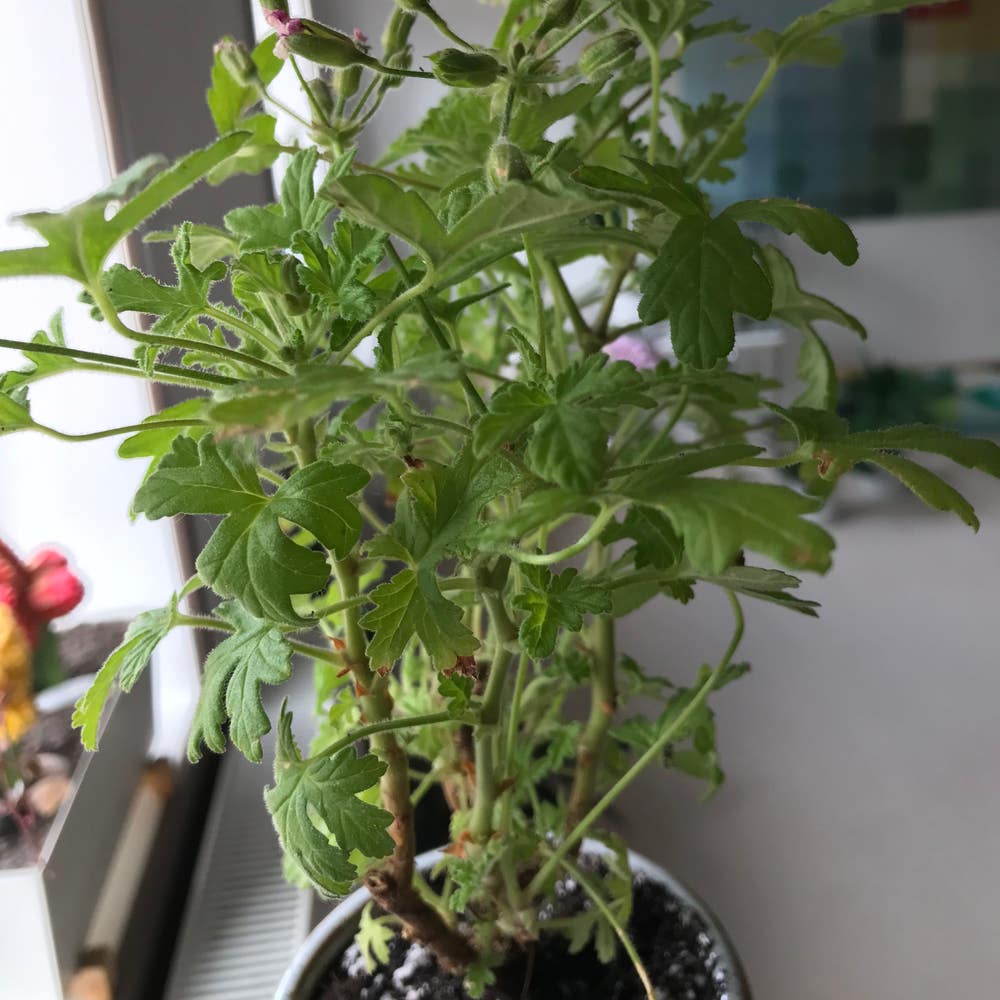
Malva erecta: A Comprehensive Overview
Malva erecta
By the Greg Editorial Team
Feb 28, 2025•10 min read
This article was created with the help of AI so we can cover more plants for you. May contain errors. See one? Report it here.
- 🌞 Malva erecta needs 6-8 hours of sunlight daily for optimal growth.
- 🌱 Plant in well-drained sandy loam with a pH of 6.0 to 7.0.
- 🐝 Attracts pollinators and is drought-tolerant, enhancing garden biodiversity.
How to Grow
Choosing a Location 🌞
To thrive, Malva erecta needs full sun exposure, requiring at least 6-8 hours of direct sunlight daily. Additionally, consider wind protection and ensure good drainage to promote healthy growth.
Soil Preparation 🌱
The ideal soil type for Malva erecta is well-drained sandy loam. Aim for a slightly acidic to neutral pH, between 6.0 and 7.0, and enhance fertility by incorporating organic matter or compost before planting.
Planting Techniques 🌼
Spring or fall are the best times to plant Malva erecta. Space the plants 12-18 inches apart to allow for optimal air circulation, and sow seeds about 1/4 inch deep for best results.
Watering Requirements 💧
Initially, keep the soil consistently moist until the plants are established. Afterward, allow the soil to dry slightly between waterings to prevent waterlogging, which can harm the roots.
Fertilizing Schedule 🌿
Fertilize every 4-6 weeks during the growing season to support growth. A balanced NPK fertilizer (10-10-10) or organic options work well to provide the necessary nutrients.
Pruning Methods ✂️
Prune Malva erecta in early spring before new growth begins to maintain its shape. Deadheading spent flowers encourages more blooms, keeping your garden vibrant.
Ongoing Care 🪴
For container care, ensure pots have drainage holes and monitor moisture levels closely. In outdoor settings, regular weeding and mulching help retain moisture and suppress weeds, promoting a healthy environment for your plants.
With the right care and attention, your Malva erecta will flourish, adding beauty and vibrancy to your garden. Next, let’s explore how to propagate this delightful plant effectively.
Propagation
🌱 Seed Propagation Steps
Seed propagation is a straightforward way to grow Malva erecta. Start by collecting seeds from mature plants after they have flowered.
Next, sow the seeds in well-draining soil, lightly covering them to ensure they have the right conditions to germinate. Water gently and keep the soil consistently moist until you see those little sprouts emerge.
✂️ Vegetative Propagation Methods
For those looking to propagate through cuttings, select healthy stems during spring or early summer. Cut the stems to a length of 4-6 inches and remove the lower leaves to encourage root development.
Place the cuttings in a moist rooting medium, where they should develop roots within 2-3 weeks. This method is a great way to expand your Malva erecta collection quickly!
With these propagation techniques, you can easily multiply your plants and enjoy their beauty in various spots around your garden. Next, let’s explore the lifecycle of Malva erecta to understand its growth stages better.
Lifecycle
Lifecycle Stages 🌱
The lifecycle of Malva erecta is a fascinating journey that begins with germination. Under optimal conditions, seeds sprout within 7-14 days, leading to the seedling stage where true leaves start to develop.
As the plant enters vegetative growth, it experiences rapid leaf and stem development. This phase is crucial for building the plant's structure and energy reserves.
Flowering and Seed Production 🌸
Flowering typically occurs in late spring to summer, showcasing vibrant blooms that attract pollinators. After flowering, the plant produces seeds, often self-seeding to ensure its continuation.
Duration Until Maturity ⏳
From seed to full maturity, Malva erecta takes approximately 3-4 months. This relatively quick growth allows gardeners to enjoy its beauty in a single growing season.
Growth Speed ⚡️
The growth rate of Malva erecta is moderate, with the potential to reach heights of up to 3 feet in favorable conditions. This makes it an excellent choice for adding height and interest to garden spaces.
As you explore the lifecycle of Malva erecta, consider how each stage contributes to its overall resilience and beauty. Next, we will delve into the size characteristics of this remarkable plant.
Roots
Characteristics of the Root System 🌱
Malva erecta features a fibrous root system that is typically shallow. However, these roots can spread widely, allowing the plant to access moisture and nutrients effectively.
Common Root-Related Issues 🚫
One of the most common problems is root rot, which occurs due to overwatering. To prevent this, ensure proper drainage in your planting medium.
Identifying healthy roots is crucial for plant health. Healthy roots are firm and white, while unhealthy roots appear brown and mushy.
Recognizing Rootbound Plants 🔄
If you notice roots growing out of drainage holes or circling the pot, your plant may be rootbound.
To remedy this, consider repotting into a larger container or dividing the plant to encourage healthy growth.
Understanding these root characteristics and issues will help you maintain a thriving Malva erecta. Next, let’s explore the benefits this plant brings to your garden.
Benefits
Top 5 Benefits 🌼
Malva erecta offers a range of benefits that make it a valuable addition to any garden.
Attracts Pollinators: This plant is a magnet for bees and butterflies, enhancing the biodiversity of your garden.
Edible Flowers and Leaves: Both the flowers and leaves are edible, making them a delightful addition to salads and teas.
Historical Medicinal Use: Traditionally, Malva erecta has been used for various ailments, showcasing its long-standing significance in herbal medicine.
Drought Tolerance: Once established, this plant is drought-tolerant, which means it requires less water, making it an eco-friendly choice.
Aesthetic Appeal: With its striking pink to purple flowers, Malva erecta adds a vibrant splash of color to any landscape.
Cultural Significance 🌍
Beyond its practical benefits, Malva erecta holds cultural significance in many societies. It symbolizes beauty and resilience, often associated with healing and well-being.
Incorporating this plant into your garden not only enhances its visual appeal but also connects you to a rich tapestry of cultural meanings.
Companion Plants
🌱 Companion Planting
Companion planting is a fantastic way to boost your garden's health and diversity. By strategically placing plants together, you can enhance pest management and create a more vibrant ecosystem.
🌼 Beneficial Companion Plants
Some excellent companions for Malva erecta include:
- Marigolds: These bright flowers act as natural pest deterrents, keeping harmful insects at bay.
- Basil: Not only does it enhance the flavor of nearby plants, but it also attracts beneficial insects.
- Flowering Herbs: Plants like borage and chamomile can draw in pollinators and other helpful critters.
🚫 Plants to Avoid
While some plants thrive together, others can compete for resources. Avoid planting Malva erecta near heavy feeders like tomatoes, as they can deplete the soil of nutrients essential for healthy growth.
By choosing the right companions, you can create a thriving garden that supports Malva erecta and enhances its beauty and productivity. This thoughtful approach to planting not only benefits your plants but also enriches your gardening experience.
Toxicity to Humans
Safety for Humans 🌿
Malva erecta is generally considered safe for humans, as it is not listed as toxic by major poison control centers. However, consuming large quantities may lead to mild skin irritation or digestive discomfort.
Caution Advised ⚠️
It's always wise to exercise caution with any plant. If you experience unusual symptoms after contact or consumption, seek medical advice promptly.
Toxicity to Dogs
Safety for Dogs 🐶
Malva erecta is not considered toxic by major pet poison control centers, making it a safe choice for dog owners. However, if your furry friend munches on large quantities, they might experience mild gastrointestinal upset.
Tips for Introduction 🐾
To ensure your dog's safety, place Malva erecta out of their reach. It's also wise to monitor their behavior around new plants, just to be cautious.
By taking these simple steps, you can enjoy the beauty of Malva erecta in your garden without worrying about your dog's health. Next, let’s explore how this plant interacts with our feline friends.
Toxicity to Cats
Safety for Cats 🐱
Malva erecta is not listed as toxic by major pet poison control centers, making it a safe choice for homes with cats. However, if your feline friend munches on large quantities, it may experience mild gastrointestinal upset.
Tips for Introduction 🐾
To ensure a harmonious coexistence, monitor your cat's behavior around the plant. It's wise to place Malva erecta in areas that are less accessible to curious paws, minimizing the chances of any nibbling.
By taking these precautions, you can enjoy the beauty of Malva erecta while keeping your furry companions safe and sound.
Problems
Common Problems with Malva erecta 🌱
Growing Malva erecta can be rewarding, but it’s not without its challenges. Understanding these common problems can help you maintain a healthy plant.
Incorrect Watering 🚰
Watering issues are among the most frequent problems. If your plant wilts, it may be underwatered, while yellowing leaves often indicate overwatering.
Incorrect Light Conditions ☀️
Light exposure plays a crucial role in plant health. Too much sun can scorch leaves, while insufficient light can lead to leggy growth as the plant stretches toward the light source.
Diseases 🦠
Fungal diseases can plague Malva erecta. Look out for powdery mildew and rust, which can hinder growth and reduce the plant's vigor.
Root Problems 🌿
Root health is vital for overall plant wellbeing. Root rot, often caused by poor drainage, can be detrimental, leading to a decline in plant health.
Leaf Issues 🍃
Leaf problems can signal stress or disease. Yellowing leaves or fuzzy growth may indicate underlying issues that need addressing to keep your plant thriving.
By staying vigilant and addressing these common problems, you can ensure your Malva erecta flourishes beautifully. Next, let’s explore the potential pests that may threaten your plant's health.
Bugs
🐛 Potential Pest Issues
While Malva erecta boasts moderate pest resistance, it can still fall prey to a few common nuisances. Being aware of these pests is crucial for maintaining the health of your plants.
🔍 Identification and Treatment
Spider Mites
Look for fine webbing and stippled leaves, which are telltale signs of spider mites. To combat them, treat your plants with insecticidal soap for effective control.
Aphids
These small green insects can quickly become a problem. Use neem oil or insecticidal soap to manage their population and protect your Malva erecta.
Mealybugs
Identified by their cotton-like masses on stems, mealybugs can weaken your plants. Remove them by hand or use alcohol swabs to eliminate these pests effectively.
By staying vigilant and addressing these pest issues promptly, you can ensure your Malva erecta thrives beautifully in your garden. Next, let’s explore what animals might be interested in snacking on your plants.
What Eats Malva erecta
🦌 Common Animals
Malva erecta, with its lush foliage and vibrant flowers, attracts a variety of wildlife. Deer, rabbits, and squirrels are particularly fond of nibbling on its leaves and flowers, making them common visitors in gardens where this plant thrives.
🚨 Signs of Damage
If your Malva erecta is being munched on, you'll likely notice some telltale signs. Look for chewed leaves, scattered droppings, and tracks around the plant, all indicators that these critters have been enjoying a snack.
🛡️ Deterrent Methods
To protect your beloved Malva erecta, consider implementing a few deterrent methods.
- Chemical deterrents: Commercial repellents can be effective in keeping animals at bay.
- Organic control methods: Planting strong-smelling herbs or using physical barriers can also help deter these munching marauders.
By taking these steps, you can enjoy the beauty of Malva erecta without the worry of it becoming a buffet for local wildlife. Now, let’s explore how to ensure your plants thrive despite these challenges.
⚠️ Safety First
This content is for general information and may contain errors, omissions, or outdated details. It is not medical, veterinary advice, or an endorsement of therapeutic claims.
Always consult a qualified healthcare professional before using any plant as food, medicine, or supplement.
Never eat any plant (or feed one to pets) without confirming its identity with at least two trusted sources.
If you suspect poisoning, call Poison Control (800) 222-1222, the Pet Poison Helpline (800) 213-6680, or your local emergency service immediately.
Spotted an error? Please report it here.
Grow thriving Malva erecta 🌱 with Greg's tailored care reminders and expert tips, ensuring your garden flourishes while attracting pollinators and providing delicious edible blooms!