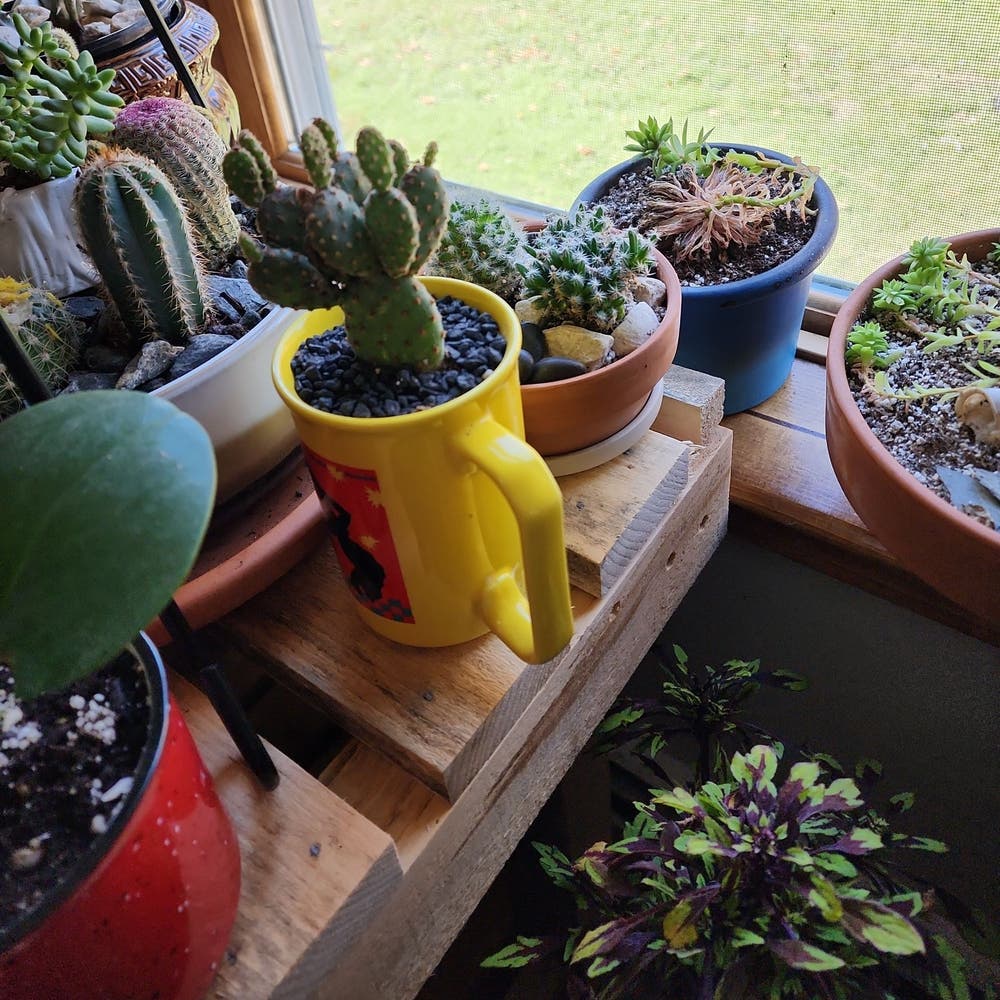
Fertilizing My Madagascar Ocotillo
Alluaudia procera
By the Greg Editorial Team
Feb 12, 2024•5 min read
This article was created with the help of AI so we can cover more plants for you. May contain errors. See one? Report it here.
- 🌱 Organic fertilizers preferred for slow nutrient release and soil health.
- Low-nitrogen content is key for balanced Ocotillo growth.
- Fertilize during growing season to boost blooming, avoid winter damage.
Best Fertilizers for Your Madagascar Ocotillo
💡 Choosing the Right Fertilizer
The Madagascar Ocotillo is a low-maintenance showstopper that demands the right diet.
Organic fertilizers are the go-to for the eco-conscious gardener. They release nutrients at a snail's pace, promoting a robust soil ecosystem. Think of it as a slow-cooked meal for your Ocotillo, nurturing the plant and the planet. Patience is a virtue here; don't expect overnight miracles.
On the flip side, synthetic fertilizers are the fast food of plant nutrition—quick, convenient, and potent. They deliver nutrients with efficiency, but overindulgence can lead to a host of problems, like nutrient burn or weak stems. It's a balancing act; too much of a good thing can be harmful.
When it comes to nitrogen, think low-key. A fertilizer with a low-nitrogen content is ideal, as high levels can spur rapid growth at the expense of strength and resilience. We're not trying to create the Hulk here; we want a well-proportioned Ocotillo.
💡 Understanding Fertilizer Numbers
Decoding N-P-K ratios is like cracking a secret code that spells health or disaster for your Ocotillo.
The N-P-K ratio on a fertilizer package represents the percentages of nitrogen (N), phosphorus (P), and potassium (K). For the Madagascar Ocotillo, a balanced ratio like 5-10-5 is a sweet spot, providing just enough nitrogen for growth without going overboard.
Micronutrients are the unsung heroes. They might not get the limelight like the NPK trio, but they're crucial for your Ocotillo's well-being. A fertilizer that includes these can be the difference between a plant that's merely surviving and one that's thriving.
Remember, the best fertilizer is one that complements your plant's lifestyle—light, water, and soil conditions are all part of the recipe for success.
Timing is Everything: When to Fertilize
🌱 Growing Season Guidelines
Spring into action when the Madagascar Ocotillo wakes from its winter rest. March marks the start of the growing season, a prime time for fertilizing. As temperatures rise, so does your Ocotillo's need for nutrients.
🌸 Blooming Boosts
Blooming typically occurs in spring, but can extend into summer. To encourage a spectacular floral show, time your fertilizer application just as the growing season kicks off. Avoid late summer feedings to prevent new growth that won't survive the winter chill.
Fertilizing Techniques Tailored for Ocotillo
💧 Getting the Dose Right
In the delicate dance of fertilization, less is often more. For your Madagascar Ocotillo, a low-nitrogen fertilizer, such as a 5-10-5 ratio, is your go-to. Over-enthusiasm with the feed can lead to a lanky Ocotillo or, worse, root burn. Aim for a conservative approach, starting with minimal doses and only increasing if the plant seems to be asking for more.
🌱 Application Best Practices
When it comes to application, precision is your best friend. Root zone fertilization is the technique of choice, ensuring nutrients are delivered where they're needed most without harming the plant. Avoid the leaves to prevent chemical sunburn, and never apply on a whim. Instead, follow a measured approach, using guidelines such as a quarter cup of balanced fertilizer monthly during the growing season. Remember, the Ocotillo's taproot digs deep, so ensure water and nutrients penetrate well into the soil, reaching a depth of 24 to 36 inches. And always, always observe your plant's reaction post-application—like a hawk.
Recognizing Success and Signs of Trouble
🌱 Spotting Flourishing Growth
Vibrant growth is the hallmark of a well-fertilized Madagascar Ocotillo. Look for lush green leaves and an abundance of flowers. These signs indicate that your fertilization efforts are paying off.
⚠️ Over-Fertilization Red Flags
Beware of leaf browning or a crust of white salts on the soil—these are classic signs of over-fertilization. If your Ocotillo's growth is stunted, it's time to reassess your fertilizing regimen.
Yellowing leaves may also signal trouble. While it's tempting to shower your plant with nutrients, restraint is key. A fertilizer crust on the soil's surface is a dead giveaway of overdoing it.
Roots should be firm and white, not soft and brown. If they resemble overcooked pasta, you've likely over-loved with water or nutrients. A foul odor from the soil is another red flag, signaling potential root rot.
Leaf drop is a cry for help. It's not just about aesthetics; it's a sign that your plant is stressed, possibly due to over-fertilization. If pests and diseases are more frequent visitors than blooms, dial back on the feed.
Spots on leaves are not a plant's attempt at a fashion statement. They often indicate chemical burns from too much fertilizer. If you notice discolored or browning spots, it's time to flush the soil and reduce fertilizer use.
Distorted growth can result from excessive fertilization. If your Ocotillo is looking more like a botanical oddity than a desert beauty, consider cutting back on the nutrients.
Remember, consistency is key. Regular inspections will help you spot early signs of distress. Adjust your care routine as needed, and don't be afraid to dial back on the fertilizer. Your Ocotillo will thank you with its vibrant presence.
⚠️ Safety First
This content is for general information and may contain errors, omissions, or outdated details. It is not medical, veterinary advice, or an endorsement of therapeutic claims.
Always consult a qualified healthcare professional before using any plant as food, medicine, or supplement.
Never eat any plant (or feed one to pets) without confirming its identity with at least two trusted sources.
If you suspect poisoning, call Poison Control (800) 222-1222, the Pet Poison Helpline (800) 213-6680, or your local emergency service immediately.
Spotted an error? Please report it here.
Nurture your Madagascar Ocotillo to flourishing health 🌿 with Greg's custom fertilization schedule, ensuring you never over or underfeed your resilient desert beauty.