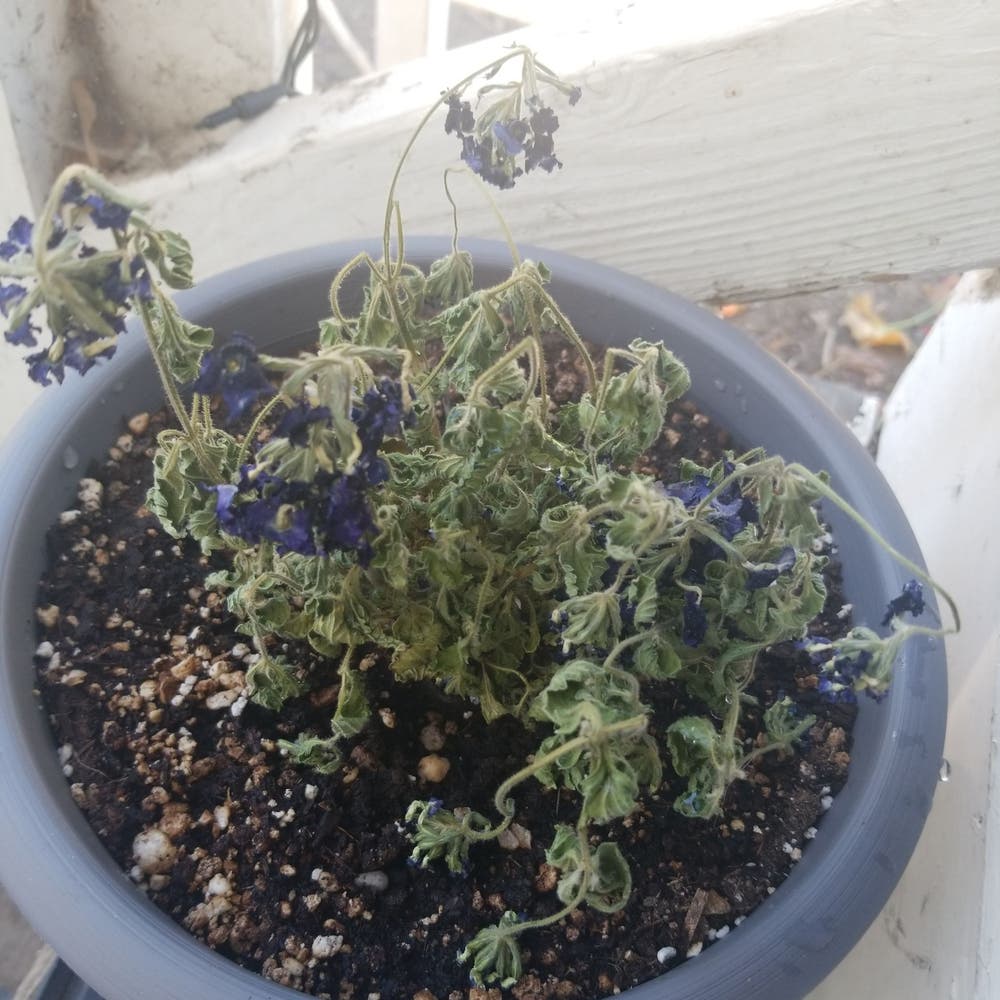
🌸 Everything You Need to Know About Macdougal's Verbena
Verbena macdougalii
By the Greg Editorial Team
Jan 23, 2025•10 min read
This article was created with the help of AI so we can cover more plants for you. May contain errors. See one? Report it here.
Elevate your garden with Macdougal's Verbena, a vibrant, low-maintenance plant that attracts pollinators! 🌼🌱
- ☀️ Macdougal's Verbena needs 6-8 hours of sunlight daily for optimal growth.
- 🌱 Well-drained soil with pH 6.0-7.5 is essential for healthy plants.
- 🐝 Attracts pollinators like bees and butterflies, enhancing your garden's ecosystem.
How to Grow
🌞 Choosing a Location
Macdougal's Verbena thrives in full sun, requiring 6-8 hours of sunlight daily for optimal growth. Additionally, it prefers well-drained soil to prevent root rot, so choose a location that meets these needs.
🏗️ Soil Preparation
For the best results, aim for a soil pH between 6.0 and 7.5. Loamy or sandy soil is ideal, as it promotes good drainage and healthy root development.
🌱 Planting Techniques
When planting, ensure to space your verbena plants 12-18 inches apart. This spacing allows for adequate air circulation and growth, and remember to plant them at the same depth as they were in their nursery containers.
💧 Watering Requirements
Regular watering is essential, but allow the soil to dry out between waterings to avoid over-saturation. Using a soaker hose or drip irrigation is recommended to keep foliage dry and healthy.
🌼 Fertilizing
Opt for a balanced, slow-release fertilizer to nourish your plants. Fertilize every 4-6 weeks during the growing season to support robust growth and blooming.
✂️ Pruning and Ongoing Care
Deadheading spent flowers is crucial for encouraging more blooms throughout the season. Regularly monitor your plants for pests and diseases, and provide support if necessary to keep them thriving.
With these guidelines, you'll be well on your way to cultivating a vibrant patch of Macdougal's Verbena. Next, let’s explore how to propagate this beautiful plant effectively.
Propagation
🌱 Seed Propagation
To propagate Macdougal's Verbena from seeds, start by sowing them indoors 6-8 weeks before the last frost. Once the danger of frost has passed, you can transplant the seedlings outdoors for optimal growth.
✂️ Cutting Propagation
Cutting propagation is another effective method. Select healthy stems that are 4-6 inches long, and carefully remove the lower leaves to encourage rooting.
Rooting Cuttings
After preparing your cuttings, place them in a moist potting mix. Cover the container with a plastic bag to maintain humidity, which helps the cuttings establish roots more effectively.
This propagation process is moderately challenging but rewarding, allowing you to expand your garden with beautiful Macdougal's Verbena. With the right care, you'll soon enjoy a flourishing display of these vibrant plants.
Lifecycle
🌱 Lifecycle Stages
Macdougal's Verbena can thrive as a perennial in warmer climates, while in cooler regions, it often behaves like an annual. Understanding its lifecycle stages is crucial for successful cultivation.
🚀 Key Stages of Growth
The growth process includes several stages: starting from seed or cutting, moving to germination, then the seedling stage, followed by vegetative growth, flowering, and finally, seed production.
⏳ Germination and Growth Timeline
Under optimal conditions, germination takes about 7-14 days. Typically, Macdougal's Verbena reaches maturity within 3-4 months, making it a relatively quick grower.
This lifecycle knowledge empowers you to plan your gardening efforts effectively, ensuring you enjoy the vibrant blooms and benefits of this delightful plant. Next, let’s explore how to maximize its growth potential through proper care and maintenance.
Size
Mature Height and Spread 🌱
Macdougal's Verbena typically reaches a mature height of 12 to 24 inches. Its spread can extend from 18 to 24 inches, making it a lovely addition to any garden.
Growth Rate and Size Variability 📈
This plant has a moderate growth rate and can flourish quickly under optimal conditions. Factors such as soil quality, sunlight, and water availability significantly influence its size variability, so keep these in mind for the best results.
With the right care, Macdougal's Verbena can become a vibrant part of your landscape, providing beauty and attracting pollinators. Next, let’s explore its root system characteristics and common issues that may arise.
Roots
🌱 Root System Characteristics
Macdougal's Verbena features a fibrous root system that spreads widely, allowing it to access nutrients and water efficiently. Typically, the roots extend 12-18 inches deep, providing stability and support for the plant.
⚠️ Common Root-Related Issues
One of the most common problems is root rot, which occurs due to overwatering. To prevent this, ensure proper drainage in your planting area or container.
Another issue is becoming rootbound, which happens when the roots fill the pot. You can identify this by noticing roots growing out of the drainage holes.
👀 Visual Cues for Healthy vs. Unhealthy Roots
Healthy roots are firm, white, and spread throughout the soil, indicating a thriving plant. In contrast, unhealthy roots appear dark, mushy, or foul-smelling, signaling potential problems.
🛠️ Solutions for Root Problems
To recognize rootbound plants, look for roots circling the pot or growing out of the bottom. The best solutions are to repot the plant into a larger container or divide it to promote healthier growth.
Understanding these root characteristics and issues is essential for maintaining the health of your Macdougal's Verbena. With proper care, you can enjoy a flourishing plant that enhances your garden or landscape.
Next, let's explore the numerous benefits that Macdougal's Verbena brings to your garden.
Benefits
🌼 Top 5 Benefits of Macdougal's Verbena
1. Attracts Pollinators
Macdougal's Verbena is a magnet for bees and butterflies. Its vibrant flowers not only beautify your garden but also support local ecosystems.
2. Drought-Resistant
Once established, this plant thrives on minimal water. Its drought-resistant nature makes it an excellent choice for low-maintenance gardens.
3. Aromatic Foliage
The foliage emits a pleasant scent that can deter pests. This natural aroma adds another layer of appeal to your garden.
4. Versatile Use
Macdougal's Verbena fits seamlessly into various garden styles. Whether in borders, containers, or wildflower gardens, it enhances any landscape.
5. Cultural Significance
This plant has a rich history in traditional herbal remedies. Its cultural significance adds depth to its presence in your garden.
These benefits make Macdougal's Verbena not just a pretty face in your garden but a valuable addition to your plant collection. As we explore further, you'll discover how to care for and propagate this remarkable plant.
Companion Plants
🌱 Explanation of Companion Planting
Companion planting is a gardening technique that enhances plant growth and pest management through beneficial relationships. By strategically placing certain plants together, you can create a thriving ecosystem that supports healthy growth.
🌼 Best Companion Plants
Lavender: This fragrant herb shares similar care needs with Macdougal's Verbena and attracts pollinators, making it a perfect partner.
Marigolds: Known for their pest-repellent properties, marigolds can help protect nearby plants from harmful insects.
Salvia: With similar sunlight and water requirements, salvia complements Macdougal's Verbena beautifully, enhancing the garden's overall health.
🚫 Plants to Avoid
When planning your garden, steer clear of heavy feeders like corn. These plants can compete for nutrients, potentially stunting the growth of Macdougal's Verbena.
By choosing the right companions, you can create a vibrant and productive garden space. Next, let’s explore the potential toxicity of Macdougal's Verbena to humans and pets.
Toxicity to Humans
Macdougal's Verbena is generally safe for handling and ingestion in small amounts. Major poison control centers do not list it as toxic, making it a great addition to your garden without the worry of severe health risks.
However, it's important to note that consuming large quantities may lead to mild skin irritation or digestive discomfort. Always exercise caution with any plant, and if you experience unusual symptoms, seek medical advice promptly.
In summary, while Macdougal's Verbena is not harmful in moderation, being mindful of your consumption is key. This ensures a safe and enjoyable gardening experience, allowing you to appreciate its beauty without concern.
Next, let’s explore how this plant interacts with our furry friends, particularly dogs.
Toxicity to Dogs
Macdougal's Verbena is generally safe for dogs, as it is not listed as toxic by major pet poison control centers. However, if consumed in large quantities, it may cause mild gastrointestinal upset.
Proper Placement 🐾
To ensure your furry friends stay safe, keep Macdougal's Verbena out of their reach. Always monitor their behavior around the plant to prevent any unwanted nibbling.
Conclusion 🐶
While Macdougal's Verbena poses minimal risk to dogs, it's wise to practice caution. This way, you can enjoy your beautiful garden without worrying about your pets' health.
Toxicity to Cats
Macdougal's Verbena is generally safe for cats, as it is not listed as toxic by major pet poison control centers.
However, if consumed in large quantities, it may cause mild gastrointestinal upset.
Proper Placement 🐾
To ensure your feline friend stays safe, place the plant in an area that is out of reach.
It's also wise to monitor your cat's behavior around the plant to prevent any potential issues.
By taking these precautions, you can enjoy the beauty of Macdougal's Verbena while keeping your curious cat safe.
Next, let's explore the common problems that can arise when growing this delightful plant.
Problems
Common Problems Faced 🌱
Growing Macdougal's Verbena can be rewarding, but it comes with its share of challenges. Here are the most common problems you might encounter:
Incorrect Watering: Overwatering can lead to root rot, while underwatering causes wilting. Finding the right balance is crucial for healthy growth.
Incorrect Light Conditions: Insufficient light can result in leggy growth, making your plants look weak and unappealing. Ensure they receive full sun for optimal health.
Incorrect Temperature: Extreme temperatures can stress the plant, affecting its overall vigor. Keep an eye on the weather and provide protection during harsh conditions.
Diseases: Fungal issues like powdery mildew and blight can plague your verbena. Regular monitoring and prompt action can help mitigate these threats.
Leaf Issues: Scorching or yellowing leaves often indicate nutrient deficiencies. Addressing soil quality and fertilization can help restore your plant's health.
By being aware of these common problems, you can take proactive steps to ensure your Macdougal's Verbena thrives. Next, let’s explore the potential pest issues that may arise in your garden.
Bugs
🐜 Potential Pest Issues
While Macdougal's Verbena is generally pest-resistant, it can still fall prey to a few specific nuisances.
Spider Mites are a common issue, leaving behind fine webbing and stippled leaves that can signal their presence.
Aphids are another concern; these tiny pests create a sticky residue and can cause leaves to curl, indicating they’re having a feast on your plants.
🧴 Treatment Options
To combat these pests, consider using Neem oil or insecticidal soap.
These treatments are effective and can help keep your plants healthy without harsh chemicals.
Regular monitoring is key; check your plants often to catch any infestations early.
By being proactive, you can prevent these bugs from becoming a bigger problem and ensure your Macdougal's Verbena thrives.
With the right care, you can enjoy the beauty of this plant without the worry of pests.
What Eats
🦌 Common Animals That May Damage
Macdougal's Verbena can attract a few hungry visitors.
- Deer: Look for signs like chewed leaves and broken stems, which indicate their presence.
- Rabbits: These little nibblers often leave evidence of their appetite on the lower foliage.
- Squirrels: You might notice them digging around the base of the plant, searching for tasty roots.
👣 Signs of Animal Presence and Damage
To identify if animals are causing trouble, keep an eye out for specific indicators.
- Tracks: Animal footprints can reveal who’s been visiting your garden.
- Droppings: Finding droppings nearby is a clear sign of animal activity.
- Damaged Foliage: Chewed or broken leaves are telltale signs of munching critters.
🚫 Deterrent Methods
Preventing animal damage is key to keeping your Verbena healthy.
- Chemical Repellents: Sprays can deter animals from snacking on your plants.
- Physical Barriers: Fencing can create a protective boundary around your garden.
- Organic Methods: Consider planting deterrent species nearby to naturally keep pests at bay.
By staying vigilant and employing these strategies, you can protect your Macdougal's Verbena from unwanted nibblers. Now, let's explore the common problems faced by this resilient plant.
⚠️ Safety First
This content is for general information and may contain errors, omissions, or outdated details. It is not medical, veterinary advice, or an endorsement of therapeutic claims.
Always consult a qualified healthcare professional before using any plant as food, medicine, or supplement.
Never eat any plant (or feed one to pets) without confirming its identity with at least two trusted sources.
If you suspect poisoning, call Poison Control (800) 222-1222, the Pet Poison Helpline (800) 213-6680, or your local emergency service immediately.
Spotted an error? Please report it here.
Grow thriving Macdougal's Verbena 🌼 with Greg's tailored watering reminders and care tips, ensuring your garden attracts pollinators and flourishes beautifully!