🌸 Lewisia Explained: Key Information
Lewisia leeana
By the Greg Editorial Team
Feb 02, 2025•10 min read
This article was created with the help of AI so we can cover more plants for you. May contain errors. See one? Report it here.
- 🌞 Lee's Lewisia needs 6-8 hours of sunlight daily for optimal growth.
- 🌱 Well-drained soil with pH 6.0-7.0 is crucial for healthy plants.
- 💧 Water when the top inch is dry to prevent fungal diseases.
How to Grow
Choosing a Location 🌞
To thrive, Lee's Lewisia needs full sun, requiring 6 to 8 hours of direct sunlight daily. Additionally, ensure the soil is well-drained to prevent root rot, which can be detrimental to the plant's health.
Soil Preparation 🏜️
Aim for a soil pH between 6.0 and 7.0 for optimal growth. A sandy or rocky loam texture is preferred, as it promotes excellent drainage and supports healthy root development.
Planting Techniques 🌱
When planting, space your Lewisia 12 to 18 inches apart to allow for ample growth. Make sure to plant them at the same depth they were in the nursery container to avoid stress on the roots.
Watering Requirements 🚰
Water your Lewisia when the top inch of soil feels dry to the touch. Always water at the base of the plant to keep the foliage dry, reducing the risk of fungal diseases.
Fertilizing 🍽️
Use a balanced, slow-release fertilizer to nourish your plants. Fertilize in early spring, just before new growth begins, to give them a healthy start for the growing season.
Pruning and Ongoing Care ✂️
Regular deadheading is essential; remove spent flowers to encourage more blooms throughout the season. Additionally, keep an eye out for pests and diseases, ensuring your plants remain healthy and vibrant.
With these guidelines, you can cultivate a thriving Lee's Lewisia that adds beauty and resilience to your garden. Next, let's explore how to propagate this stunning plant for even more growth opportunities!
Propagation
🌱 Seed Propagation
Growing Lee's Lewisia from seeds is a rewarding experience. Start by sowing seeds in a well-draining mix, keeping the soil moist until germination occurs, which typically takes 2 to 4 weeks.
✂️ Division of Established Plants
Dividing established plants is another effective propagation method. The best time to do this is in early spring or fall; carefully separate the root ball into sections, ensuring each piece has both roots and foliage for successful growth.
Lifecycle
Lifecycle Stages 🌱
Lee's Lewisia is classified as a perennial, meaning it returns year after year, providing consistent beauty to your garden.
Germination and Seedling Stage 🌱
Under optimal conditions, seeds germinate within 2-4 weeks. This quick turnaround sets the stage for vibrant growth.
Vegetative Growth and Flowering 🌼
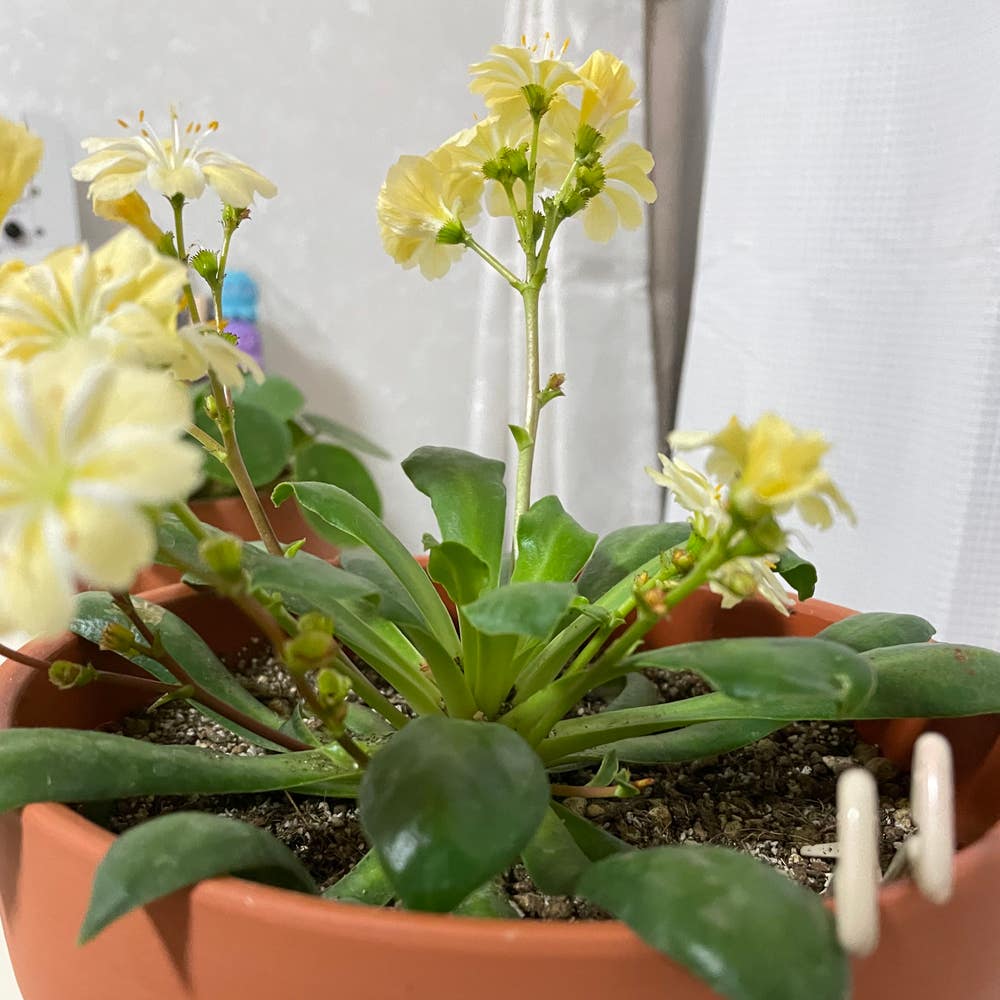
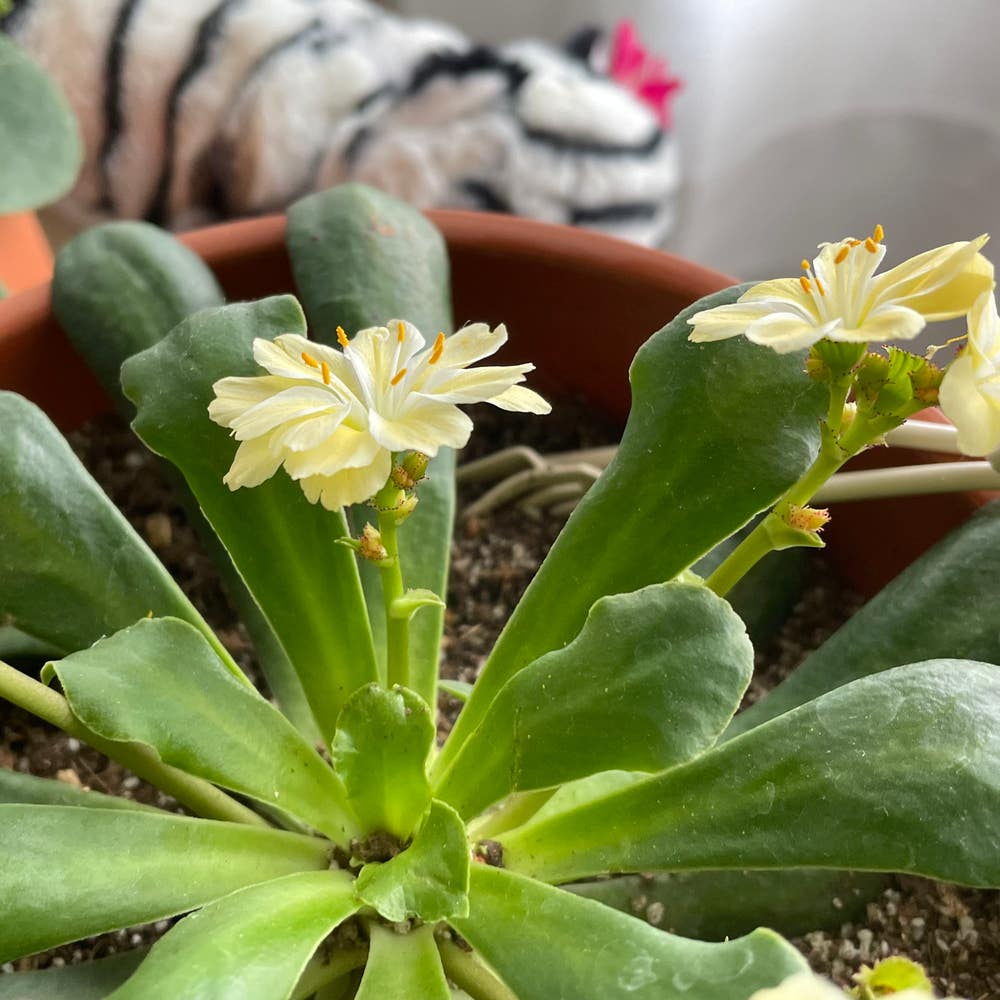
Typically, Lee's Lewisia blooms in late spring to early summer. This flowering period showcases its stunning colors, attracting pollinators and enhancing your garden's appeal.
Seed Production and Lifespan 🌿
With proper care, Lee's Lewisia can live for several years. This longevity makes it a valuable addition to any landscape.
Growth Timeline ⏳
Expect Lee's Lewisia to reach full maturity in approximately 1-2 years. Its moderate growth rate allows for steady development, influenced by environmental factors like sunlight and water availability.
As you nurture this resilient plant, you'll appreciate its lifecycle and the beauty it brings to your garden. Next, let’s explore the size of Lee's Lewisia and how it fits into your landscape design.
Size
Mature Height and Spread 🌱
Lee's Lewisia typically reaches a height of 6 to 12 inches, making it a charming addition to any garden. Its spread can extend 12 to 18 inches wide, allowing it to fill out spaces beautifully.
Growth Rate and Size Variability 📈
The growth rate of Lee's Lewisia is moderate, which means it won't take over your garden overnight. However, this rate can vary significantly based on environmental factors such as soil quality and sunlight exposure.
Factors Affecting Size ⚖️
Several growing conditions can influence the overall size of Lee's Lewisia. Key factors include soil quality, the amount of sunlight it receives, and water availability, all of which play a crucial role in its development.
Understanding these aspects can help you create the ideal environment for your Lee's Lewisia, ensuring it thrives and showcases its stunning blooms. Next, let’s explore the root system characteristics that support this resilient plant.
Roots
Root System Characteristics 🌱
Lee's Lewisia features a predominantly taproot system, which allows it to anchor deeply into the soil. These roots can extend 12-18 inches deep, providing stability and access to nutrients.
Common Root-Related Issues ⚠️
One of the most common problems is root rot, typically caused by overwatering. Symptoms include mushy roots that can lead to plant decline.
Another issue is being rootbound, which occurs when the roots fill the container. Signs of this condition include stunted growth and a plant that seems to struggle despite proper care.
Visual Cues for Healthy vs. Unhealthy Roots 👀
Healthy roots are firm, white, and spread out, indicating a thriving plant. In contrast, unhealthy roots appear dark, mushy, or may even emit a foul smell, signaling serious problems.
Solutions for Root Problems 🛠️
To prevent root rot, ensure proper drainage and avoid overwatering. If your plant becomes rootbound, it's time to repot into a larger container to give those roots room to grow.
Understanding these root dynamics is crucial for the health of your Lee's Lewisia. With the right care, you can enjoy a vibrant and resilient plant that thrives in your garden.
Benefits
🌵 Drought-Resistant
Lee's Lewisia is a champion when it comes to drought resistance. Once established, it requires minimal water, making it perfect for those who want a beautiful garden without the constant upkeep.
🌸 Attractive Blooms
These plants are not just functional; they are stunning too! Their vibrant blooms add a splash of color to any garden, creating a visual feast that attracts the eye.
🧑🌾 Low Maintenance
For busy gardeners, Lee's Lewisia is a dream come true. Its low maintenance needs mean you can enjoy a flourishing garden without dedicating all your time to it.
🐝 Wildlife-Friendly
This plant is a magnet for pollinators like bees and butterflies. By planting Lee's Lewisia, you're not just beautifying your space; you're also supporting local wildlife.
📜 Cultural Significance
Historically, Lee's Lewisia has been valued by Native American cultures for its medicinal properties. This adds a layer of depth to your gardening experience, connecting you to nature's rich heritage.
Incorporating Lee's Lewisia into your garden not only enhances its beauty but also contributes to a sustainable ecosystem. Next, let’s explore the art of companion planting to maximize your garden's potential!
Companion Plants
🌱 Explanation of Companion Planting Benefits
Companion planting is a fantastic way to enhance your garden's diversity and improve pest management. By selecting the right plants, you can create a thriving ecosystem that benefits all your greenery.
🌼 List of Compatible Companion Plants
When it comes to Lee's Lewisia, consider these compatible companions:
- Sedums: These hardy succulents share similar care needs and drought tolerance, making them perfect partners.
- Thyme: This aromatic herb thrives in similar soil and sunlight conditions, adding both beauty and utility to your garden.
- Other succulents: Grouping various succulents together creates a visually appealing arrangement while maintaining low water requirements.
🚫 Plants to Avoid Near Lee's Lewisia
While some plants thrive alongside Lee's Lewisia, others can hinder its growth. Avoid heavy feeders like tomatoes or corn, as they compete for nutrients and can stress your Lewisia.
By carefully selecting companion plants, you can cultivate a vibrant garden that not only looks great but also supports the health of your Lee's Lewisia. Next, let’s explore the potential toxicity of this beautiful plant to humans, dogs, and cats.
Toxicity to Humans
Safety of Lee's Lewisia for Humans 🌱
Lee's Lewisia is generally safe for humans, as it is not listed as toxic by major poison control centers. However, it's wise to be cautious; consuming large quantities may lead to mild skin irritation or digestive discomfort.
Always exercise care with any plant. If you experience unusual symptoms after contact or ingestion, seek medical advice promptly.
Toxicity to Dogs
Safety of Lee's Lewisia for Dogs 🐶
Lee's Lewisia is generally safe for dogs, as it is not listed as toxic by major pet poison control centers. However, if your furry friend decides to munch on it, they might experience mild gastrointestinal upset, especially if they consume large quantities.
Tips for Introducing Lee's Lewisia in Homes with Dogs 🏡
To keep both your plants and pets safe, consider proper placement of Lee's Lewisia. Position it in areas that are less accessible to your dog, and monitor their behavior around the plant to prevent any unwanted snacking.
This way, you can enjoy the beauty of Lee's Lewisia while ensuring your dog stays healthy and happy. If you have any concerns about your pet's reaction, it's always wise to consult your veterinarian.
Toxicity to Cats
Safety of Lee's Lewisia for Cats 🐱
Lee's Lewisia is generally safe for cats, as it is not listed as toxic by major pet poison control centers. However, if your feline friend decides to munch on it, they might experience mild gastrointestinal upset if they consume large quantities.
Tips for Introducing Lee's Lewisia in Homes with Cats 🏡
When bringing Lee's Lewisia into a home with cats, consider proper placement to minimize their access. Monitor their behavior around the plant to ensure they don't indulge too much, keeping both your pet and the plant safe and healthy.
In summary, while Lee's Lewisia poses minimal risk to cats, a little caution goes a long way in ensuring a harmonious home environment. Now, let’s explore the potential problems you might face when growing this beautiful plant.
Problems
🌱 Common Problems Faced When Growing
Growing Lee's Lewisia can be rewarding, but it's not without its challenges. The most common issues include incorrect watering, light conditions, and temperature extremes.
Overwatering is a frequent culprit, leading to root rot, while underwatering can cause wilting. Both scenarios can stress your plant and hinder its growth.
🔍 Identification and Causes of Issues
Identifying the symptoms of these problems early can save your plant. For overwatering, look for yellowing leaves and mushy roots.
On the other hand, underwatering manifests as wilting and crispy leaf edges. Recognizing these signs is crucial for timely intervention.
🛠️ Solutions for the Top 5 Common Problems
To tackle these issues effectively, start by adjusting your watering schedule based on soil moisture. This simple step can prevent both over and underwatering.
Next, ensure your Lee's Lewisia receives adequate sunlight exposure. A well-lit environment is key to healthy growth.
Lastly, protect your plant from extreme temperature fluctuations. Keeping it in a stable climate will help it thrive and flourish.
With these strategies, you can overcome common problems and enjoy the beauty of Lee's Lewisia in your garden.
Bugs
🐜 Potential Pest Issues
Lee's Lewisia is generally a tough plant, known for its pest resistance. However, it can still encounter a few challenges that every gardener should be aware of.
🔍 Identification and Damage Caused by Specific Pests
Spider Mites are a common issue. Look for fine webbing and stippled leaves, which indicate their presence.
Mealybugs can also be a problem, appearing as cotton-like masses on stems and leaves. These pests can sap the plant's vitality if left unchecked.
🛠️ Treatment Options for Pest Control
For pest control, consider using neem oil or insecticidal soap. These treatments are effective against soft-bodied pests like mealybugs.
Regular monitoring is key. Early intervention can prevent infestations from taking hold, ensuring your Lee's Lewisia remains healthy and vibrant.
With these tips, you can keep your plants thriving and pest-free!
What Eats Lee's Lewisia
🦌 Common Animals That May Damage
Lee's Lewisia can attract a few hungry visitors. Deer are notorious for munching on these plants, leaving behind chewed leaves and broken stems.
Rabbits also find Lee's Lewisia appealing, often nibbling on the tender foliage. Their presence can quickly turn a thriving plant into a snack.
🕵️♂️ Signs of Animal Presence and Damage
To identify if animals are causing trouble, look for tracks or droppings near your plants. Additionally, visible damage to leaves and stems can indicate that your Lee's Lewisia has been targeted.
🚫 Deterrent Methods
To protect your plants, consider using chemical repellents specifically designed for deer and rabbits. These can create a barrier that discourages these animals from feasting on your garden.
Alternatively, you can employ organic control methods. Planting strong-smelling herbs nearby can help deter animals naturally, keeping your Lee's Lewisia safe and sound.
With these strategies, you can enjoy the beauty of Lee's Lewisia without the worry of unwanted nibblers. Next, let’s explore common problems faced when growing this resilient plant.
⚠️ Safety First
This content is for general information and may contain errors, omissions, or outdated details. It is not medical, veterinary advice, or an endorsement of therapeutic claims.
Always consult a qualified healthcare professional before using any plant as food, medicine, or supplement.
Never eat any plant (or feed one to pets) without confirming its identity with at least two trusted sources.
If you suspect poisoning, call Poison Control (800) 222-1222, the Pet Poison Helpline (800) 213-6680, or your local emergency service immediately.
Spotted an error? Please report it here.
Nurture your Lee's Lewisia to bloom beautifully 🌼 with Greg's tailored care plans and watering reminders, ensuring your garden thrives in full sun and attracts pollinators!