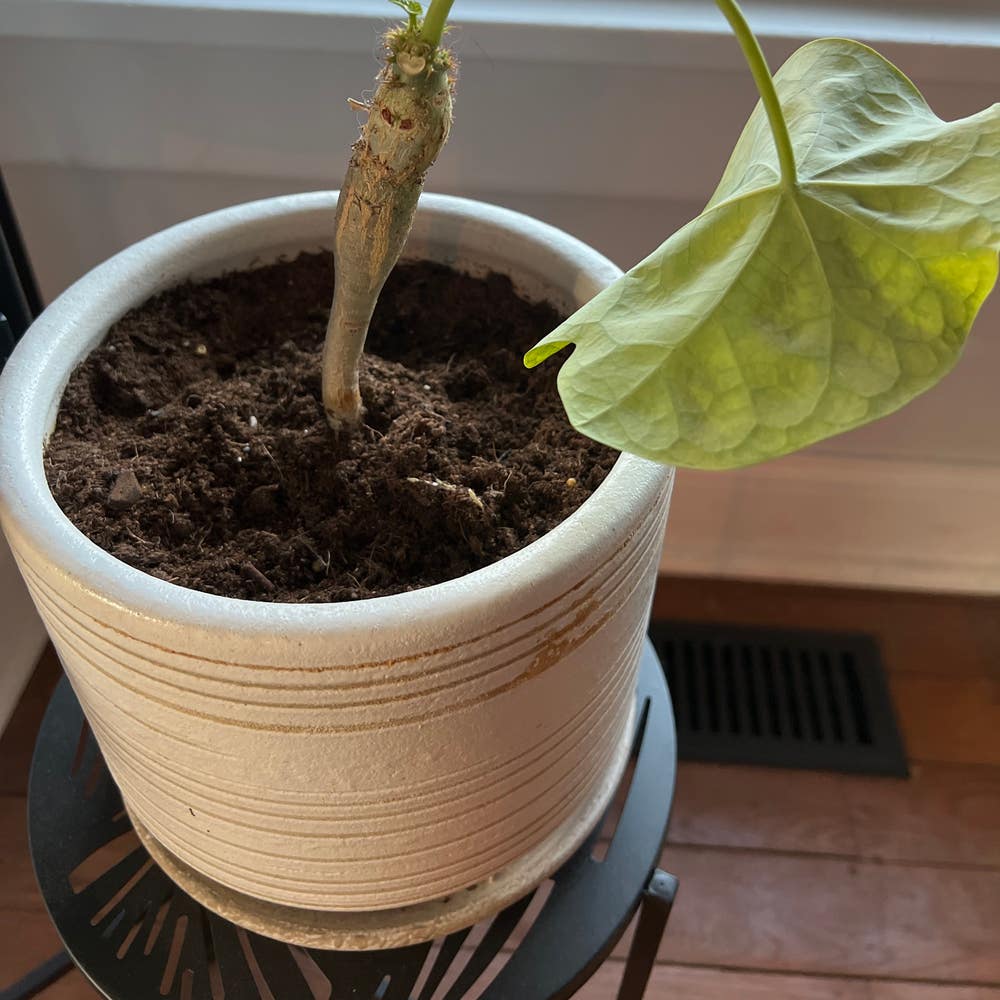
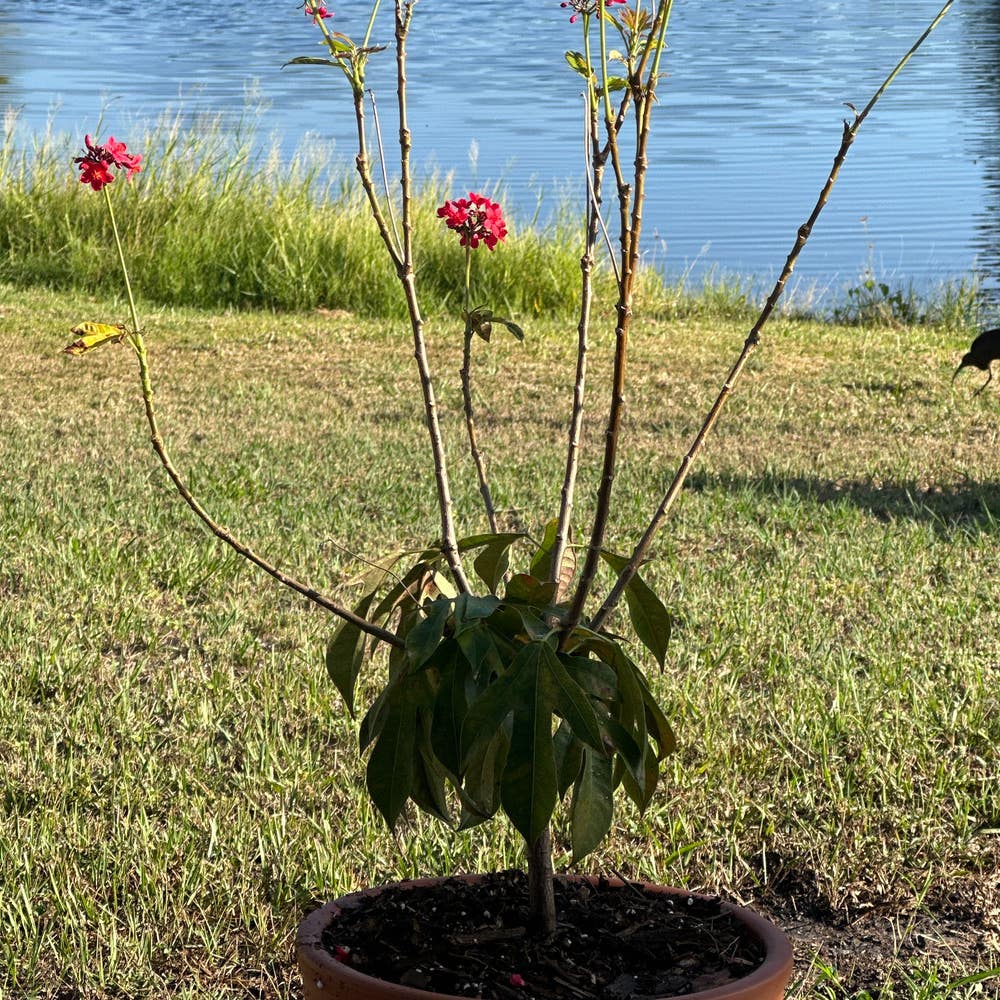
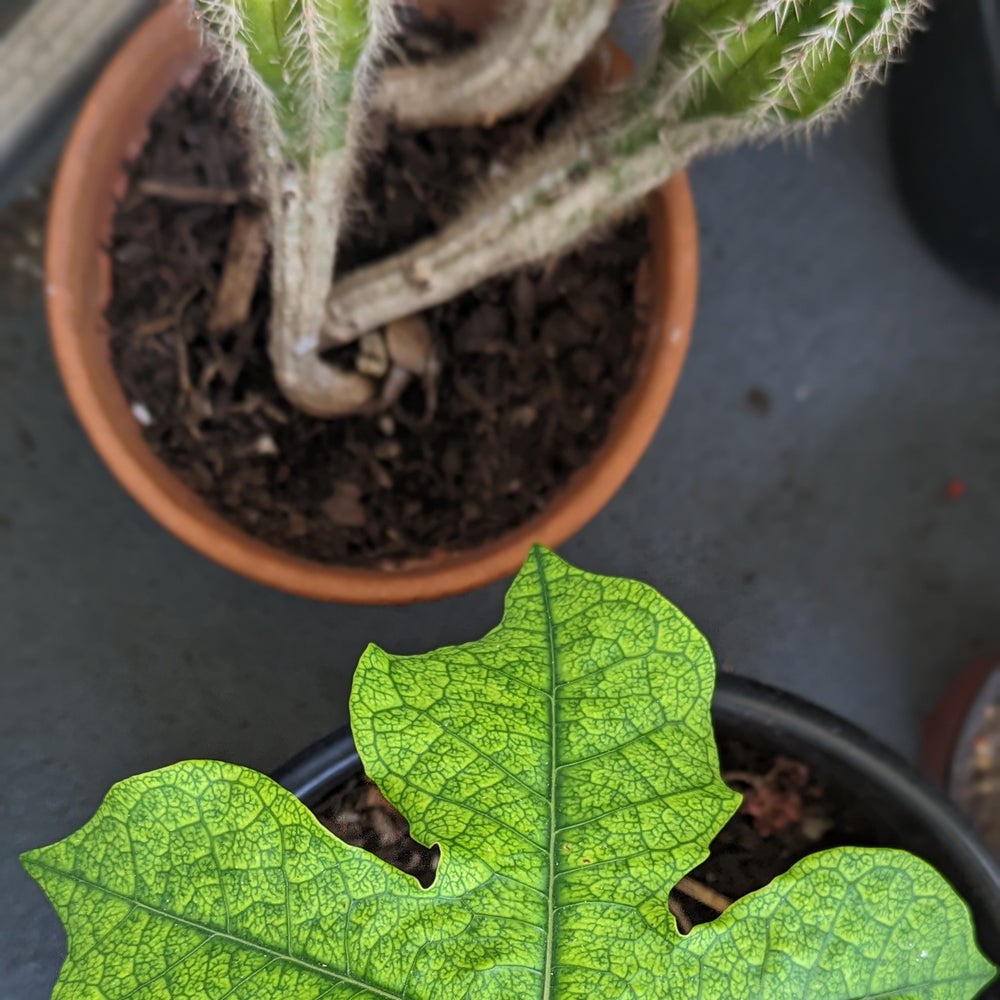
Everything You Need to Know About Leatherstem
Jatropha dioica
By the Greg Editorial Team
Jan 24, 2025•10 min read
This article was created with the help of AI so we can cover more plants for you. May contain errors. See one? Report it here.
- ☀️ Leatherstem needs 6-8 hours of sunlight daily for optimal growth.
- 🌱 Well-draining soil with pH 6.0-7.0 is essential for healthy leatherstem.
- 🚫 All parts are toxic to pets and humans; handle with care!
How to Grow
Choosing a Location 🌞
To thrive, leatherstem needs full sun, requiring 6-8 hours of direct sunlight daily. Ensure there's adequate spacing between plants to promote air circulation and healthy growth.
Soil Preparation 🏜️
Leatherstem prefers well-draining soil, ideally sandy or rocky. Aim for a slightly acidic to neutral pH, between 6.0 and 7.0, and prioritize drainage to prevent root rot.
Planting Techniques 🌱
When planting, dig holes that are 1-2 inches deep. Space your plants 2-3 feet apart to allow for their natural expansion.
Watering Requirements 🚰
Water your leatherstem when the top inch of soil feels dry. Deep watering is essential to encourage robust root growth.
Fertilizing 🍽️
Use a balanced, slow-release fertilizer to nourish your plants. Fertilize every 4-6 weeks during the growing season for optimal results.
Pruning and Ongoing Care ✂️
Prune your leatherstem in early spring, just before new growth begins. Focus on removing dead or damaged stems to stimulate fresh growth.
With these guidelines, you’ll set your leatherstem up for success. Next, let’s explore how to propagate this resilient plant.
Propagation
🌱 Seed Propagation
To propagate Leatherstem from seeds, start by soaking the seeds for 24 hours before planting. This simple step helps kickstart the germination process, ensuring your seeds are primed for growth.
For optimal results, maintain warm temperatures around 70°F (21°C) and keep the soil consistently moist. These conditions create a nurturing environment that encourages healthy seedlings to emerge.
✂️ Cutting Propagation
Another effective method is cutting propagation. Select healthy stems that are about 4-6 inches long, ensuring you choose vigorous growth for the best chance of success.
Once you have your cuttings, place them in a well-draining medium. Roots typically develop within 2-4 weeks, allowing you to nurture new plants from existing ones.
This propagation technique is not only rewarding but also a great way to expand your Leatherstem collection. With a little patience and care, you'll soon have thriving plants ready to enhance your garden.
Lifecycle
Lifecycle Stages 🌱
The lifecycle of leatherstem is a fascinating journey that unfolds in several distinct stages. It begins with either seed or cutting, followed by germination, seedling development, vegetative growth, flowering, and ultimately, seed production.
Lifespan and Growth Time ⏳
In optimal conditions, leatherstem typically enjoys a lifespan of 3 to 5 years. It takes about one year for the plant to reach its full size, making it a rewarding addition to your garden.
This lifecycle not only showcases the resilience of leatherstem but also highlights its adaptability to various environments. Understanding these stages can help you provide the best care for your plant, ensuring it thrives for years to come.
As we delve deeper into the specifics of leatherstem, let's explore its size and growth characteristics next.
Size
Mature Height and Spread 🌱
Leatherstem plants typically reach a mature height of 2 to 4 feet. Their spread can range from 1 to 3 feet, making them a versatile choice for various garden spaces.
Growth Rate and Size Variability 📈
These plants exhibit a moderate growth rate, which can vary based on environmental conditions. Factors such as soil quality, water availability, and sunlight exposure significantly influence their overall size and health.
Understanding these aspects helps gardeners make informed decisions about placement and care, ensuring that leatherstem thrives in their chosen environment.
Roots
Root System Characteristics 🌱
Leatherstem features a fibrous root system that is essential for its stability and nutrient uptake. Typically, these roots grow to a depth of 12-18 inches and can spread out to 2 feet, allowing the plant to access moisture and nutrients efficiently.
Common Root-Related Issues ⚠️
One common issue is root rot, which occurs due to overwatering. Signs of root rot include yellowing leaves and mushy roots, indicating that the plant is struggling to thrive.
Another problem is becoming rootbound, which happens when the roots fill the pot. This condition can lead to stunted growth and circling roots, making it crucial to monitor your plant's root health.
Solutions for Root Problems 💡
To prevent root rot, ensure proper drainage in your potting mix and avoid overwatering. Regularly check the moisture level of the soil to keep your leatherstem healthy.
If your plant becomes rootbound, it's time to repot it into a larger container. This will give the roots more space to grow and help maintain the overall health of your leatherstem.
With proper care, you can enjoy a thriving leatherstem that adds beauty to your garden. Next, let's explore the numerous benefits this resilient plant offers.
Benefits
Top 5 Benefits 🌟
Leatherstem is a remarkable plant that offers several advantages for gardeners and nature enthusiasts alike. Here are the top five benefits that make it a standout choice for your landscape.
1. Drought Resistance
Once established, leatherstem requires minimal water. This makes it a fantastic option for those looking to conserve water or for gardens in arid climates.
2. Low Maintenance
Busy gardeners will appreciate leatherstem's low maintenance needs. It thrives with little intervention, allowing you to enjoy your garden without constant upkeep.
3. Aesthetic Appeal
The unique leathery leaves of leatherstem add texture and visual interest to any landscape. Its distinctive look can enhance the beauty of your garden, making it a conversation starter.
4. Erosion Control
Leatherstem plays a vital role in stabilizing soil, especially in arid regions. Its root system helps prevent erosion, making it a practical choice for environmentally conscious gardeners.
5. Cultural Significance
Historically, leatherstem has been used in traditional medicine. This cultural connection adds depth to its presence in gardens, making it more than just a pretty plant.
Incorporating leatherstem into your garden not only beautifies your space but also contributes to environmental sustainability. Next, let’s explore the fascinating world of companion planting and how leatherstem interacts with other plants.
Companion Plants
🌱 Companion Planting
Companion planting is a fantastic way to enhance your garden's diversity and improve pest management. By strategically pairing plants, you can create a thriving ecosystem that supports healthy growth.
🌼 Best Companion Plants
When it comes to leatherstem, consider these excellent companions:
- Succulents: They share similar water needs and drought tolerance, making them perfect partners.
- Lavender: This aromatic herb not only repels pests but also attracts beneficial pollinators, boosting your garden's health.
🚫 Plants to Avoid
While some plants thrive alongside leatherstem, others can hinder its growth. Avoid heavy feeders like tomatoes, as they compete for nutrients and can stress your leatherstem.
By choosing the right companions, you can create a harmonious garden that flourishes together. This thoughtful approach not only benefits your leatherstem but also enhances the overall beauty and productivity of your garden.
Next, let’s explore the fascinating world of leatherstem's toxicity to humans, dogs, and cats.
Toxicity to Humans
Toxic Parts and Symptoms 🥴
Leatherstem can pose risks to humans, primarily through its leaves and stems. These parts contain poisonous compounds such as alkaloids and saponins, which can lead to unpleasant symptoms.
- Common Symptoms: If ingested, individuals may experience nausea, vomiting, diarrhea, abdominal pain, or dizziness. It's crucial to recognize these signs early to seek appropriate care.
Exposure Risks ⚠️
The primary exposure risks arise from ingesting any part of the plant or coming into contact with its sap.
- Medical Attention: If you or someone else shows symptoms after exposure, it's essential to seek medical care promptly. Awareness and caution can help prevent serious health issues related to this plant.
Understanding the toxicity of leatherstem is vital for safe gardening and plant handling. With proper knowledge, you can enjoy the beauty of this unique plant while minimizing risks.
Next, let's explore how leatherstem can affect our furry friends, particularly dogs.
Toxicity to Dogs
Toxic Parts and Symptoms 🐶
Leatherstem is toxic to dogs, with all parts of the plant posing a risk. Symptoms of ingestion include drooling, vomiting, diarrhea, and weakness.
Exposure Risks ⚠️
Dogs may be exposed to the plant through ingestion or contact with its sap. If you suspect your dog has ingested any part of the leatherstem, seeking veterinary care is crucial to ensure their safety and well-being.
Understanding the risks associated with leatherstem can help you create a safer environment for your furry friends. Always monitor your pets around plants and act quickly if you notice any concerning symptoms.
Toxicity to Cats
⚠️ Toxic Parts and Symptoms
All parts of the leatherstem plant are toxic to cats. If ingested, your feline friend may experience drooling, vomiting, diarrhea, or weakness.
🐾 Exposure Risks
Cats can be exposed to the plant through ingestion or contact with its sap. If you suspect your cat has ingested any part of the leatherstem, seeking veterinary care is crucial to ensure their safety and well-being.
Understanding the risks associated with this plant can help you create a safer environment for your pets. Always keep an eye on your curious companions!
Problems
Common Problems with Leatherstem 🌱
Growing leatherstem can be rewarding, but it’s not without its challenges. Understanding these common problems can help you maintain a healthy plant.
Incorrect Watering 💧
One of the most frequent issues is incorrect watering. If you notice wilting or yellowing leaves, it may be a sign that you’re either overwatering or underwatering your leatherstem.
Incorrect Light Conditions 💡
Light conditions also play a crucial role in the plant's health. Insufficient light can lead to leggy growth, where the stems stretch out in search of more sunlight.
Diseases 🦠
Fungal diseases can plague leatherstem, particularly powdery mildew and root rot. These issues often arise from overly damp conditions, so keep an eye out for any signs of distress.
Leaf Issues 🍃
Environmental stress can manifest in various leaf issues. Scorching or yellowing leaves can indicate that your plant is struggling to adapt to its surroundings.
Growth Problems 📉
Finally, you might encounter growth problems such as stunted growth or a lack of flowering. These issues can stem from a combination of the factors mentioned above, so it’s essential to assess your plant's overall care routine.
Understanding these common problems will help you troubleshoot effectively. By addressing these issues promptly, you can ensure your leatherstem thrives and remains a beautiful addition to your garden.
Bugs
Potential Pest Issues 🐜
Leatherstem plants are generally resilient against pests, making them a favorite among gardeners. However, they can still fall victim to certain pests that may disrupt their growth.
Identification of Pests 🔍
Two common pests to watch for are spider mites and mealybugs.
- Spider Mites: Look for fine webbing and stippled leaves, which indicate their presence.
- Mealybugs: These pests appear as cotton-like masses on stems and leaves, often clustered in groups.
Treatment Options 🧪
If you encounter these pests, don't worry—there are effective organic methods to manage them.
- Neem Oil: This natural pesticide disrupts the life cycle of pests without harming your plant.
- Insecticidal Soap: A safe option that suffocates pests on contact, making it easy to apply.
By keeping an eye out for these pests and using organic treatments, you can maintain the health of your leatherstem plants. Now that you’re equipped to handle bugs, let’s explore what animals might be interested in snacking on your plants.
What Eats Leatherstem
Common Animals 🦌
Leatherstem plants can attract a few hungry visitors.
Deer are notorious for munching on these plants, leaving behind chewed leaves and broken stems as evidence of their feasting.
Rabbits also enjoy a snack, often nibbling on the lower leaves, which can lead to noticeable damage.
Deterrent Methods 🚫
To protect your leatherstem from these critters, consider using chemical repellents. Commercial deer and rabbit deterrents can be effective in keeping these animals at bay.
For a more natural approach, you might want to explore organic methods. Planting companion plants that are known to deter pests can create a more resilient garden environment.
By implementing these strategies, you can help ensure your leatherstem thrives without unwanted visitors.
⚠️ Safety First
This content is for general information and may contain errors, omissions, or outdated details. It is not medical, veterinary advice, or an endorsement of therapeutic claims.
Always consult a qualified healthcare professional before using any plant as food, medicine, or supplement.
Never eat any plant (or feed one to pets) without confirming its identity with at least two trusted sources.
If you suspect poisoning, call Poison Control (800) 222-1222, the Pet Poison Helpline (800) 213-6680, or your local emergency service immediately.
Spotted an error? Please report it here.
Grow stunning leatherstem effortlessly 🌱 with Greg's tailored watering alerts and expert care tips that keep your garden thriving!