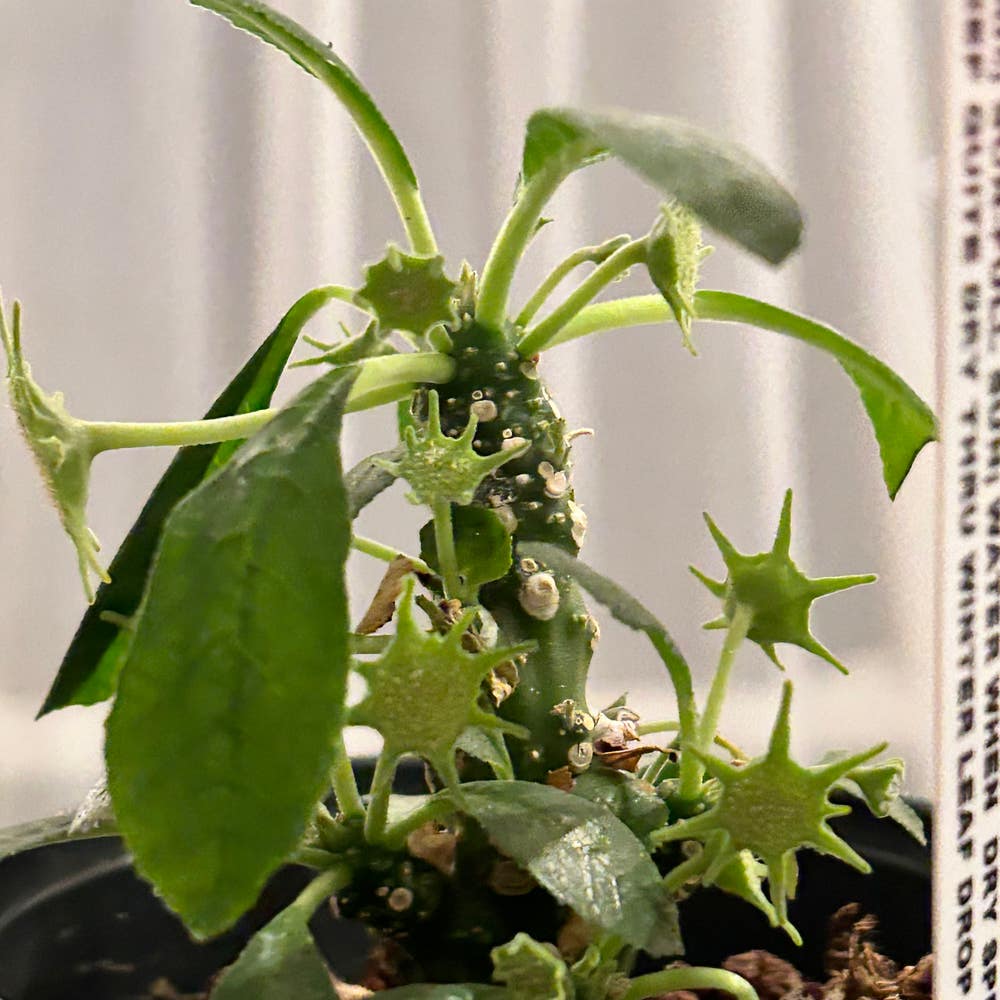
🌵 Lavran's Dorstenia: A Comprehensive Overview
Dorstenia lavrani
By the Greg Editorial Team
Feb 19, 2025•12 min read
This article was created with the help of AI so we can cover more plants for you. May contain errors. See one? Report it here.
Discover the beauty and resilience of Lavran's Dorstenia 🌿, a low-maintenance plant that enhances any space effortlessly!
- 🌞 Lavran's Dorstenia thrives in bright, indirect sunlight and warm temperatures.
- 💧 Water every 1-2 weeks, ensuring soil dries out between watering.
- 🌱 Low maintenance and air-purifying, perfect for beginners and busy lifestyles!
How to Grow
🌞 Choosing a Location
Lavran's Dorstenia thrives in bright, indirect sunlight. Direct sun exposure can scorch its leaves, so find a spot that offers filtered light.
Temperature is crucial for this plant's health. It prefers a cozy range between 20°C to 30°C (68°F to 86°F), making it ideal for most indoor environments.
Humidity plays a significant role too. Moderate humidity is best; consider using a humidity tray or misting to keep the air around your plant comfortable.
🌱 Soil Preparation
The right soil is essential for Lavran's Dorstenia. Use a well-draining potting mix and consider adding perlite to enhance aeration.
Aim for a slightly acidic to neutral soil pH, ideally between 6.0 and 7.0. This balance helps the plant absorb nutrients effectively.
Don't forget about drainage! Ensure your pots have drainage holes to prevent waterlogging, which can lead to root rot.
🌿 Planting Techniques
When planting outdoors, spacing is key. Position your plants 12-18 inches apart to allow for healthy growth and airflow.
Depth matters too. Plant Lavran's Dorstenia at the same depth as it was in the nursery pot, avoiding the temptation to bury the stem.
💧 Watering Requirements
Watering is a straightforward process. Check the top inch of soil; if it feels dry, it's time to water, typically every 1-2 weeks.
When you do water, do it thoroughly. Ensure water drains from the bottom of the pot, and avoid letting the plant sit in standing water.
🌼 Fertilizing Schedule
For optimal growth, use a balanced liquid fertilizer with an NPK ratio of 10-10-10. This will provide the essential nutrients your plant needs.
Timing is everything! Fertilize every 4-6 weeks during the growing season, which spans spring and summer.
✂️ Pruning and Ongoing Care
Regular maintenance keeps your plant healthy. Remove any dead or yellowing leaves to encourage new growth.
Stay vigilant! Monitor your Lavran's Dorstenia for pests and diseases to ensure it remains in top shape.
With these tips, you'll be well on your way to nurturing a thriving Lavran's Dorstenia. Next, let’s explore how to propagate this fascinating plant!
Propagation
🌱 Methods of Propagation
Lavran's Dorstenia can be propagated through two primary methods: seeds and cuttings. Each method has its own charm and can lead to successful new plants.
- Seeds: Collect seeds from mature plants and sow them in a well-draining mix.
- Cuttings: Take 4-6 inch cuttings from healthy stems and allow them to callous before planting.
📋 Step-by-Step Instructions for Each Method
🌱 Seeds (difficulty: easy)
- Sow seeds 1/4 inch deep in moist soil.
- Keep the soil consistently moist until germination occurs, which typically takes 2-4 weeks.
✂️ Cuttings (difficulty: moderate)
- Dip the cut ends of the stems in rooting hormone to encourage root growth.
- Plant the cuttings in a sterile potting mix and maintain humidity until roots develop, usually within 2-3 weeks.
By following these straightforward steps, you can easily propagate Lavran's Dorstenia and enjoy the satisfaction of nurturing new plants. Whether you choose seeds or cuttings, both methods offer a rewarding experience that enhances your gardening journey.
Next, let’s explore the lifecycle of this fascinating plant and understand its growth stages.
Lifecycle
🌱 Lifecycle Stages
The lifecycle of Lavran's Dorstenia begins with germination, where seeds sprout in just 2-4 weeks under optimal conditions. Following this, the seedling stage sees the development of true leaves within 4-6 weeks, marking the plant's transition to a more established form.
🌿 Vegetative Growth
Next comes the vegetative growth phase, a period of rapid growth that can last several months. During this time, the plant focuses on building its structure and foliage, setting the stage for future flowering.
🌸 Flowering and Seed Production
Lavran's Dorstenia may flower in late summer, producing small and inconspicuous blooms. After flowering, seeds can be collected, allowing for propagation and the continuation of the plant's lifecycle.
⏳ Duration Until Maturity
It typically takes about 1-2 years for Lavran's Dorstenia to reach its full size. Under ideal conditions, it can grow up to 12 inches per year, showcasing its moderate growth rate.
🌳 Overall Lifespan
With proper care, Lavran's Dorstenia can live for several years. This longevity makes it a rewarding addition to any plant collection, providing beauty and interest for years to come.
As you nurture your Lavran's Dorstenia, remember that understanding its lifecycle is key to ensuring its health and vitality. Next, we'll explore the size of this fascinating plant and what to expect as it matures.
Size
Mature Height and Spread 🌱
Lavran's Dorstenia typically reaches a height of 12 to 24 inches. Its spread can extend up to 18 inches wide, making it a lovely addition to any garden or indoor space.
Growth Rate and Time to Reach Full Size ⏳
This plant has a moderate growth rate, taking about 1 to 2 years to reach its full size. Keep in mind that growth can vary based on environmental conditions and the care practices you implement.
Understanding these size characteristics will help you plan the perfect spot for your Lavran's Dorstenia, ensuring it has enough room to thrive. Next, let’s explore the fascinating lifecycle of this unique plant.
Roots
Characteristics of the Root System 🌱
Lavran's Dorstenia features a fibrous root system that typically spreads within the top 12 inches of soil. This structure allows the plant to efficiently absorb nutrients and water from the upper soil layers.
Common Root-Related Issues ⚠️
Root health is crucial for the overall vitality of Lavran's Dorstenia. Overwatering can lead to root rot, characterized by mushy roots and wilting leaves. Conversely, a rootbound condition occurs when the roots fill the pot, resulting in stunted growth and circling roots.
Visual Cues for Healthy vs. Unhealthy Roots 👀
Identifying root health is straightforward. Healthy roots are firm, white, and emit a fresh smell. In contrast, unhealthy roots appear brown, mushy, and may have a foul odor, indicating a need for immediate attention.
Tips for Managing Root Health 🛠️
To maintain robust root health, repot your Lavran's Dorstenia every 1-2 years. This practice prevents rootbound conditions and ensures the plant has ample space to grow. Additionally, always ensure proper drainage to avoid the risk of root rot.
By keeping a close eye on root health, you can help your Lavran's Dorstenia thrive beautifully. Next, let’s explore the numerous benefits this unique plant brings to your home or garden.
Benefits
Top 5 Benefits 🌟
Ornamental Value
Lavran's Dorstenia stands out with its unique appearance, making it a stunning addition to both indoor and outdoor spaces. Its distinctive foliage can serve as a focal point in any garden or home decor.
Air Purification
This plant does more than just look good; it actively contributes to improved air quality. By filtering toxins, Lavran's Dorstenia helps create a healthier living environment.
Low Maintenance
One of the best features of Lavran's Dorstenia is its low maintenance requirements. This makes it an excellent choice for beginners or those with busy lifestyles who still want to enjoy the beauty of plants.
Versatile Growing Options
Whether you have a spacious garden or a cozy apartment, Lavran's Dorstenia adapts well to various growing conditions. It can thrive indoors or outdoors, provided the climate is suitable.
Cultural Significance
Beyond its aesthetic and practical benefits, Lavran's Dorstenia carries cultural significance. It symbolizes resilience and adaptability, reflecting the diverse environments in which it can flourish.
In summary, Lavran's Dorstenia is not just a pretty face; it offers a range of benefits that enhance both your space and well-being. With its easy care and cultural depth, it's a plant worth considering for any plant lover.
Next, let's explore the fascinating world of companion plants that can enhance your gardening experience with Lavran's Dorstenia.
Companion Plants
Explanation of Companion Planting 🌱
Companion planting is all about creating a harmonious garden environment. By pairing plants that support each other, you can enhance growth, deter pests, and promote overall garden health.
List of Compatible Companion Plants 🌿
- Ferns: These lush plants thrive in similar humidity and light conditions, making them perfect companions for Lavran's Dorstenia.
- Peace Lily: With shared care requirements, Peace Lilies not only complement Lavran's Dorstenia but also add visual appeal to your space.
- Spider Plant: Known for its pest-repelling properties, the Spider Plant can help keep unwanted insects at bay while thriving alongside Lavran's Dorstenia.
Plants to Avoid Planting Near 🚫
- Cacti: These drought-loving plants can compete for moisture and thrive in much drier conditions, which is not ideal for Lavran's Dorstenia.
By choosing the right companions, you can create a thriving garden that benefits all your plants. Keep these tips in mind to ensure a vibrant and healthy growing environment!
Toxicity to Humans
Lavran's Dorstenia is generally considered safe for humans, as it is not listed as toxic by major poison control centers.
However, it's wise to be cautious; excessive contact with the plant may cause mild skin irritation. If ingested in large quantities, it could lead to digestive discomfort.
Always exercise care and seek medical advice if you experience any unusual symptoms after contact or ingestion.
By staying informed and cautious, you can enjoy the beauty of Lavran's Dorstenia without worry.
Next, let's explore how this plant interacts with our furry friends, focusing on its toxicity to dogs.
Toxicity to Dogs
Lavran's Dorstenia is considered safe for dogs, as it is not listed as toxic by major pet poison control centers. This means you can enjoy this unique plant without worrying too much about your furry friends.
However, it's important to note that excessive consumption of the plant may lead to mild gastrointestinal upset in dogs. To keep your pet safe, ensure the plant is placed out of reach and monitor their behavior around it.
If you notice any unusual symptoms after your dog has been in contact with the plant, it's always a good idea to consult your veterinarian. Keeping a watchful eye on your pets will help you enjoy your Lavran's Dorstenia worry-free.
As we move on, let's explore how Lavran's Dorstenia interacts with our feline friends.
Toxicity to Cats
Lavran's Dorstenia is considered safe for cats, as it is not listed as toxic by major pet poison control centers. This means you can enjoy this unique plant without worrying about your feline friends.
However, it's important to note that excessive consumption of Lavran's Dorstenia may lead to mild gastrointestinal upset in cats. To prevent any potential issues, position the plant where your cats cannot easily access it and keep an eye on their behavior around it.
By taking these simple precautions, you can ensure a harmonious environment for both your plants and your pets. Now that you know about the safety of Lavran's Dorstenia for cats, let’s explore the common problems that may arise while caring for this fascinating plant.
Problems
Common Problems Faced 🌱
Lavran's Dorstenia can encounter a few common issues that every grower should be aware of.
- Incorrect watering: Overwatering can lead to root rot, while underwatering results in wilting.
- Incorrect light conditions: Insufficient light causes leggy growth, whereas too much direct sunlight scorches the leaves.
- Diseases: Fungal problems like powdery mildew and black rot can compromise plant health.
- Leaf issues: Yellowing leaves often signal nutrient deficiencies or overwatering.
Identification and Causes of Issues 🔍
Identifying problems early is crucial for the health of your plant.
- Symptoms: Look for wilting, yellowing, or stunted growth as signs of distress.
- Causes: These issues are frequently linked to improper care practices or environmental stressors, such as temperature fluctuations or poor soil conditions.
Solutions and Steps to Revive the Plant 💪
If you notice your Lavran's Dorstenia struggling, don’t panic; there are effective solutions.
- Adjust watering practices: Check the soil moisture before watering.
- Relocate the plant: Move it to a spot with better light conditions, avoiding direct sunlight.
- Treat diseases: Use appropriate fungicides and enhance air circulation around the plant.
By addressing these common problems promptly, you can help your Lavran's Dorstenia thrive and flourish. Next, let’s explore potential pest issues that could affect your plant's health.
Bugs
🐜 Potential Pest Issues
Lavran's Dorstenia is generally tough against pests, but it can still fall victim to a few unwelcome guests. Keeping an eye out for these insects is essential for maintaining plant health.
🔍 Identification and Damage Caused by Pests
- Spider Mites: Look for fine webbing and stippled leaves, which indicate their presence. These tiny pests can sap the plant's vitality.
- Mealybugs: Identified by their white, cotton-like masses on stems and leaves, mealybugs can weaken your plant significantly.
- Aphids: These small, green insects cause leaf curling and stunted growth, making them a nuisance that shouldn't be ignored.
🛠️ Effective Treatment Options
To combat these pests, consider using neem oil, a natural pesticide that effectively controls various insects. Another option is insecticidal soap, which works well against soft-bodied pests like aphids and mealybugs.
By staying vigilant and employing these treatment methods, you can keep your Lavran's Dorstenia thriving and pest-free. Next, let’s explore what animals might be interested in snacking on your plant.
What Eats Lavran's Dorstenia
🦌 Common Animals That May Damage
Lavran's Dorstenia can attract a few hungry visitors.
- Deer: Look for signs like chewed leaves and broken stems.
- Rabbits: Evidence includes gnawed stems and missing foliage.
- Squirrels: These critters may dig around the base, causing root disturbance.
🕵️♂️ Signs of Animal Presence and Types of Damage
If you notice missing leaves, broken stems, or disturbed soil, it’s likely that animals are at play.
These signs can help you identify which critters might be causing the trouble.
🚫 Methods for Deterring or Managing These Animals
Protecting your Lavran's Dorstenia from these munching marauders is essential.
- Chemical deterrents: Consider using commercial repellents to discourage browsing.
- Organic methods: Employ barriers like fencing or plant decoys to keep these animals at bay.
By taking these steps, you can help ensure your Lavran's Dorstenia thrives without unwanted nibblers.
⚠️ Safety First
This content is for general information and may contain errors, omissions, or outdated details. It is not medical, veterinary advice, or an endorsement of therapeutic claims.
Always consult a qualified healthcare professional before using any plant as food, medicine, or supplement.
Never eat any plant (or feed one to pets) without confirming its identity with at least two trusted sources.
If you suspect poisoning, call Poison Control (800) 222-1222, the Pet Poison Helpline (800) 213-6680, or your local emergency service immediately.
Spotted an error? Please report it here.
Ensure your Lavran's Dorstenia gets the perfect care 🌱 it deserves by using Greg for tailored watering reminders and expert tips to help it thrive in your home!